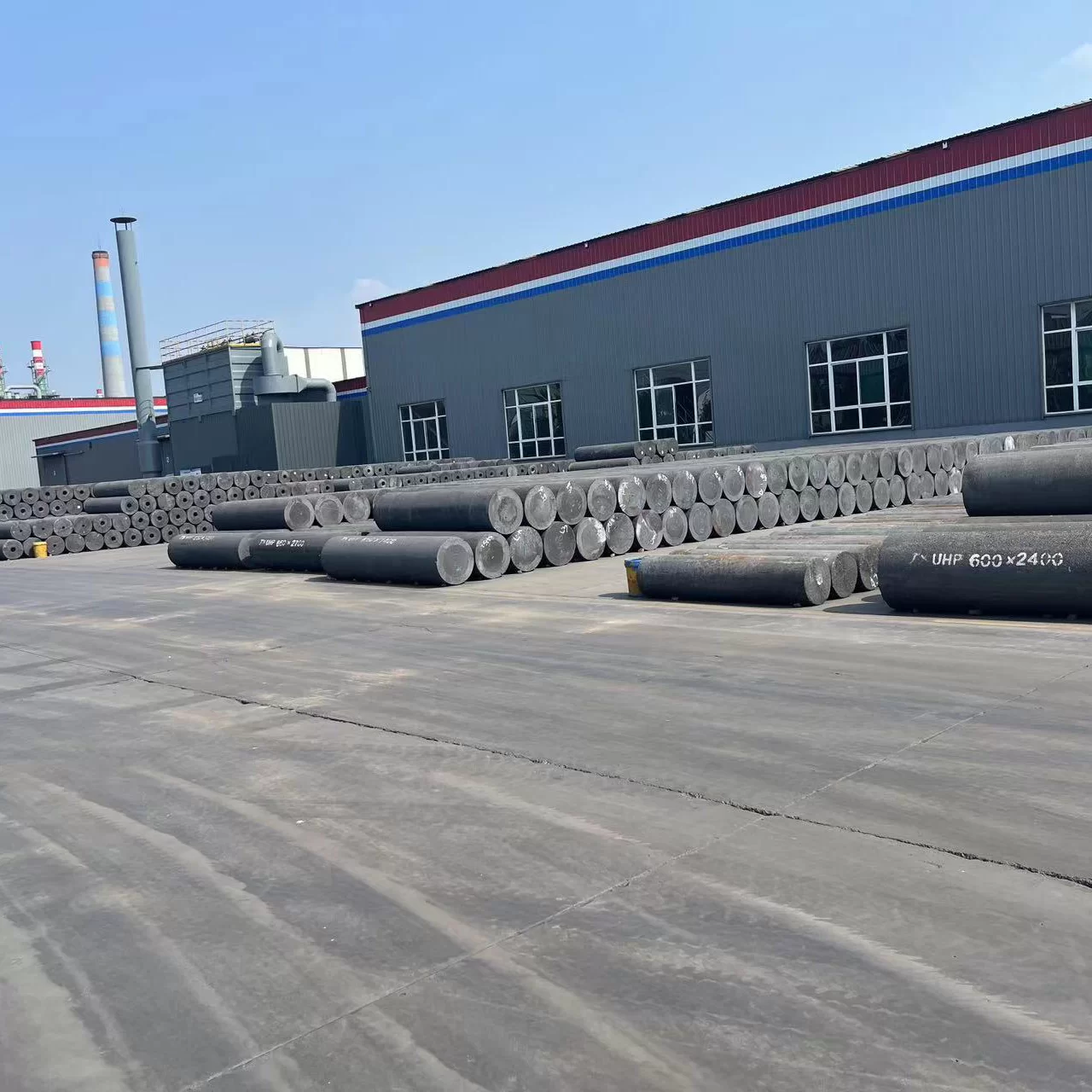
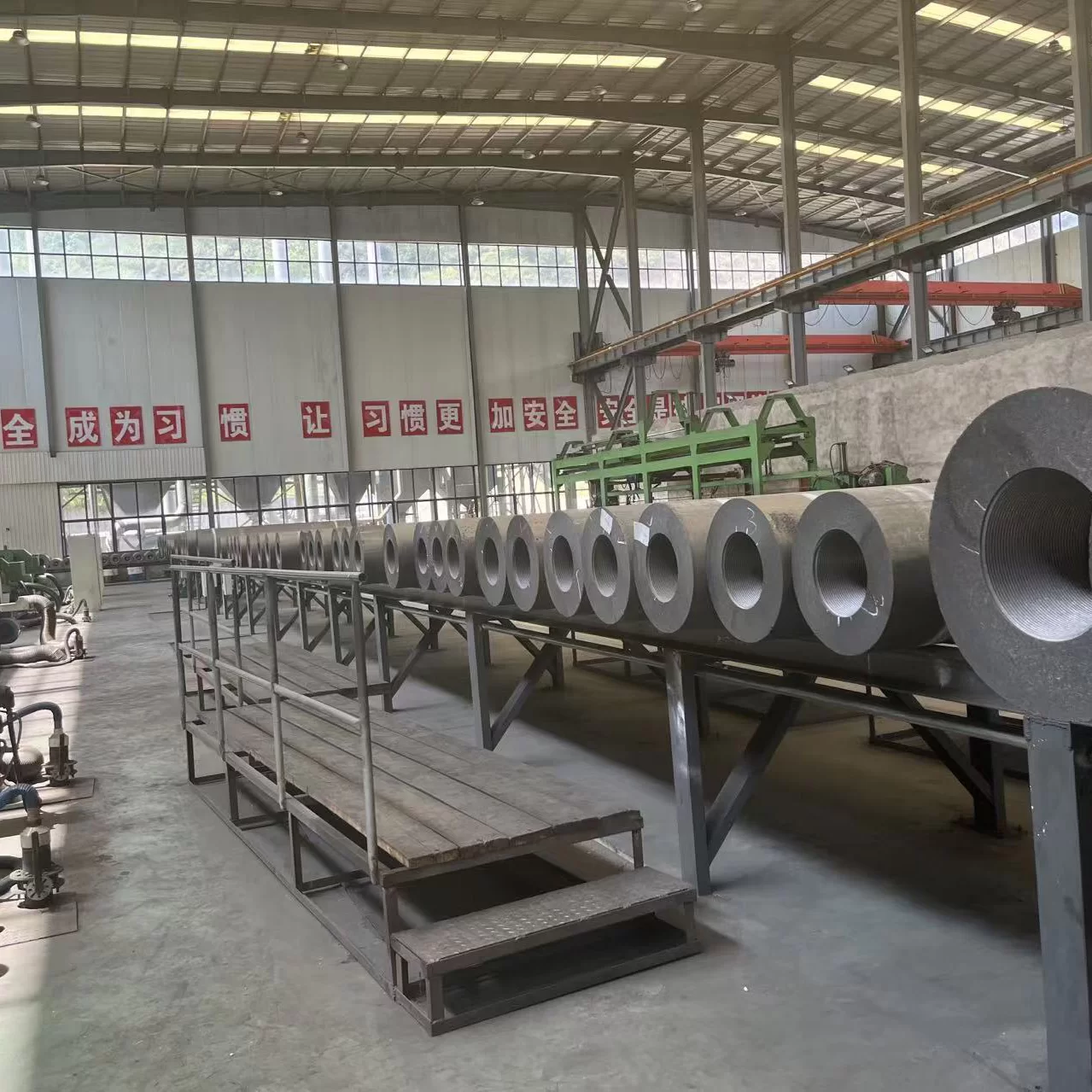
Mastering Precision with Graphite Mold Casting: A Technical Guide
In the realm of high-temperature manufacturing, graphite mold casting represents the pinnacle of thermal stability and precision. By leveraging the unique properties of high-purity carbon, industries can achieve intricate shapes and superior surface finishes that are impossible with traditional metallic molds. This process is essential for the production of non-ferrous metals, semiconductors, and specialized industrial electrodes. As the demand for higher purity and thermal efficiency grows, understanding the nuances of carbon-based casting becomes a competitive advantage for modern manufacturers seeking to optimize their operational yield.

The Core Advantages of Graphite Mold Casting in Industry
The primary appeal of graphite mold casting lies in its exceptional thermal conductivity and low coefficient of thermal expansion. Unlike steel molds, graphite does not warp under extreme heat, ensuring that the dimensional accuracy of the cast part remains constant across thousands of cycles. Furthermore, the natural lubricity of graphite reduces the friction between the mold and the molten metal, which significantly minimizes the need for chemical release agents and reduces post-casting cleaning time. This leads to a leaner production line with fewer defects and higher overall quality.
Technical Highlight: Graphite's ability to withstand temperatures up to 3,000°C in non-oxidizing atmospheres makes it the only viable choice for ultra-high temperature casting of refractory metals and specialized alloys.
Optimizing Material Selection for Graphite Mold Casting
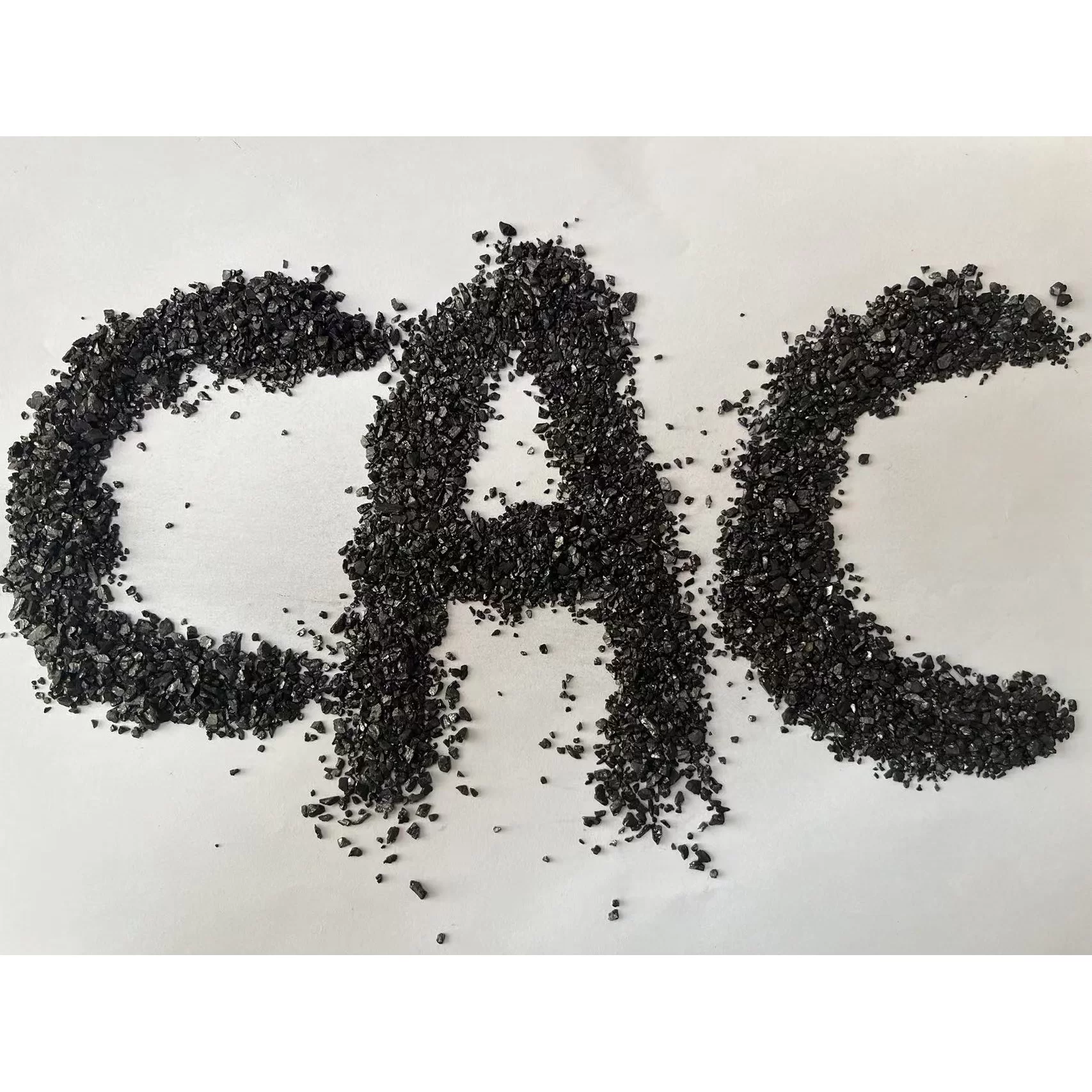
Selecting the right grade of carbon is critical for the success of graphite mold casting. The purity of the material—specifically the levels of ash and sulfur—directly impacts the contamination levels of the cast metal. High-performance calcined petroleum coke is often used as a precursor to create the high-density graphite required for these molds. By controlling the grain size and the calcination temperature (typically between 1,200°C and 1,500°C), manufacturers can tailor the mold's porosity and strength to suit specific casting requirements, whether they are for aerospace components or battery anodes.
Comparative Analysis: Graphite vs. Traditional Casting Molds
When evaluating the efficiency of graphite mold casting against traditional ceramic or steel alternatives, the differences in thermal management and cost-efficiency become apparent. While steel molds offer higher mechanical hardness, they fail at the temperature thresholds where graphite thrives. For precision casting of non-ferrous metals, graphite provides a superior balance of longevity and performance.
Applications of Graphite Mold Casting Across Sectors
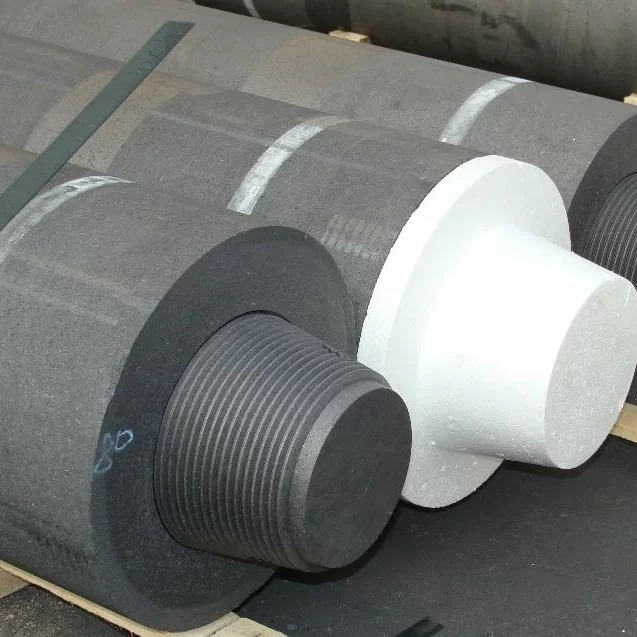
The versatility of graphite mold casting extends across several critical industries. In the automotive sector, it is used for casting high-performance aluminum alloy pistons and engine components. In the energy sector, the fabrication of graphite electrodes and battery anode materials relies heavily on precision carbon molding. Furthermore, the jewelry and dental industries utilize graphite's ability to be machined into incredibly intricate shapes, allowing for the casting of precious metals with micron-level precision.

Technical Specifications for High-Performance Graphite Casting
To ensure the longevity and precision of the mold, specific material parameters must be strictly adhered to. The following table outlines the typical specifications for graphite used in graphite mold casting, focusing on purity and thermal stability. These parameters ensure that the mold can withstand repeated thermal cycling without losing its structural integrity or contaminating the melt.
Conclusion: Elevating Production with Advanced Carbon Solutions
The implementation of graphite mold casting is more than just a material choice; it is a strategic decision to enhance precision, reduce waste, and increase thermal efficiency. By utilizing high-purity carbon materials with optimized fixed carbon and low ash levels, manufacturers can ensure the highest quality output for the most demanding industrial applications. As the manufacturing landscape evolves toward greener and more efficient processes, the role of precision graphite solutions will only become more critical. Invest in the right carbon materials today to secure a higher yield for tomorrow.
Frequently Asked Questions (FAQs)
Why is graphite preferred over steel for high-temperature mold casting?
Graphite is preferred primarily due to its superior thermal shock resistance and melting point. Steel molds can warp or melt when exposed to the extreme temperatures required for casting refractory metals or specialized alloys. Graphite maintains its structural integrity at temperatures where steel would fail. Additionally, graphite's natural self-lubricating properties eliminate the need for chemical release agents, resulting in a cleaner casting process and a smoother surface finish on the final product, which reduces the need for extensive post-processing.
How does the purity of the carbon material affect the casting quality?
The purity of the carbon, particularly the ash and sulfur content, is critical. Impurities in the graphite can migrate into the molten metal during the casting process, leading to contamination, gas porosity, and structural weaknesses in the final part. For example, high sulfur levels can cause embrittlement in certain metals. By using high-purity graphite mold casting materials with ultra-low ash content, manufacturers can ensure that the mechanical properties of the cast metal remain intact and meet stringent aerospace or medical standards.
Can graphite molds be customized for complex geometries?
Yes, graphite is highly machinable, making it ideal for complex geometries. Unlike ceramic molds which are often limited by the casting process of the mold itself, graphite blocks can be precision-milled, drilled, and turned using standard CNC equipment. This allows for the creation of incredibly intricate internal cooling channels or complex external shapes. Because graphite has a low coefficient of thermal expansion, these complex dimensions remain stable even during rapid heating and cooling cycles, ensuring a high level of repeatability across large production batches.
What is the typical lifespan of a graphite mold?
The lifespan of a graphite mold depends on the casting material and the operating environment. In non-oxidizing atmospheres, graphite molds can last for thousands of cycles. However, in the presence of oxygen at high temperatures, graphite can undergo oxidation, which gradually wears down the mold. To extend the life of the mold, many industries use protective coatings or operate in vacuum/inert gas environments. Regular inspection for wear and precision-tuning of the thermal cycle can significantly prolong the mold's operational life, making it a cost-effective solution for long-term production.