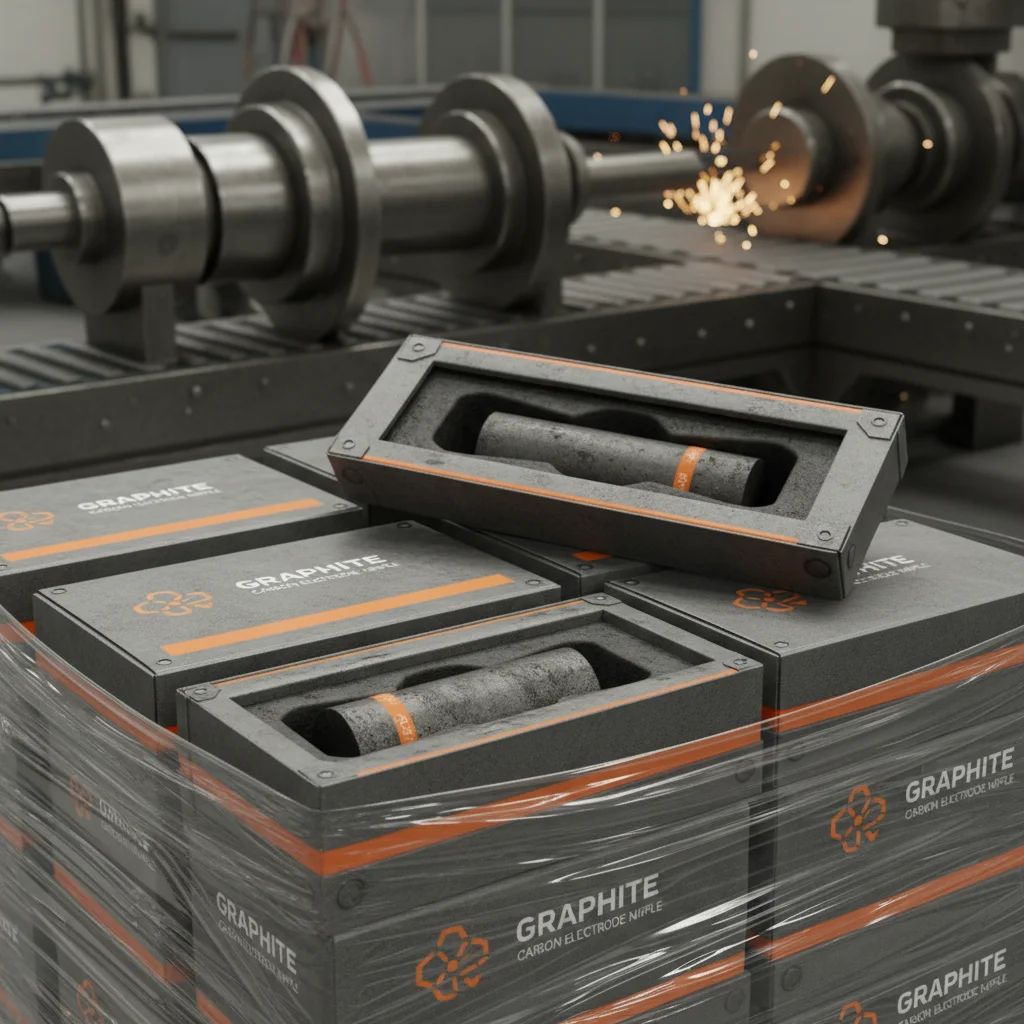
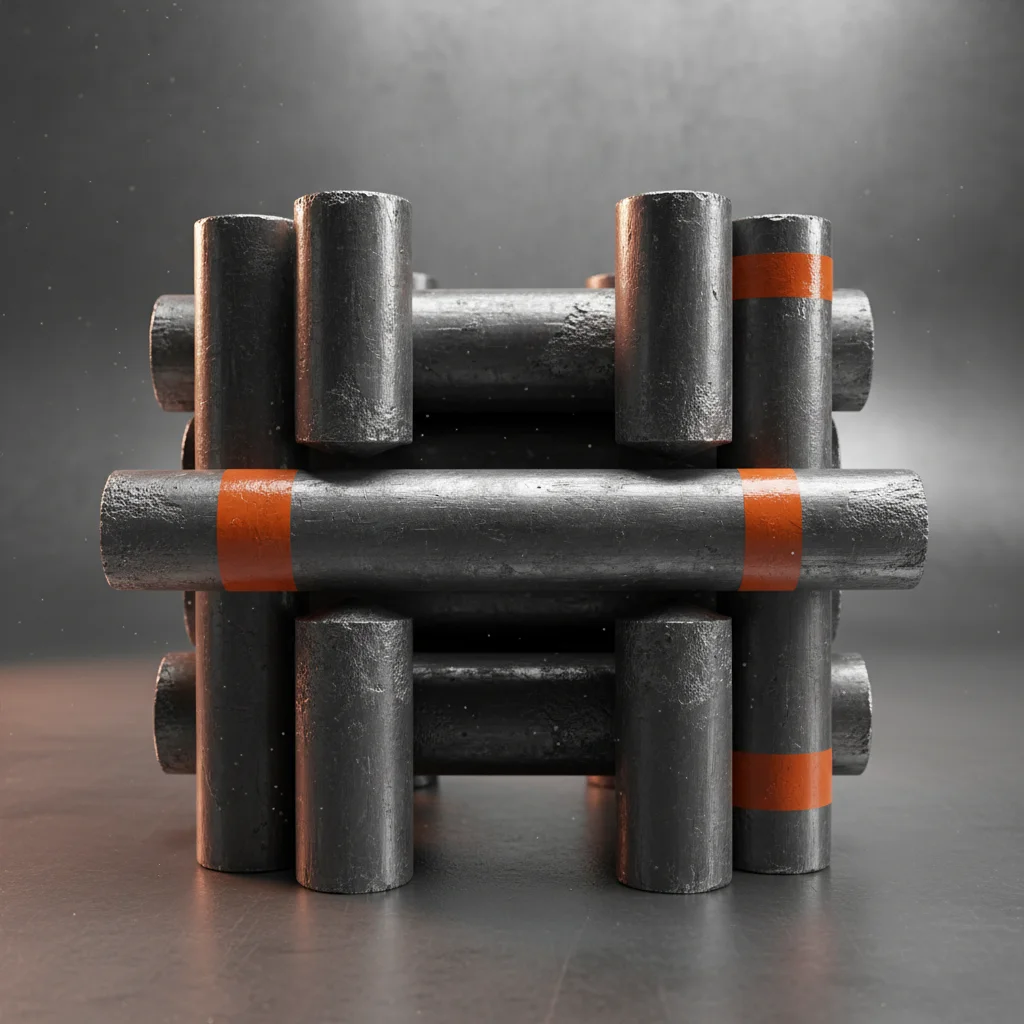
The industrial landscape of high-temperature refractories is constantly evolving, with carbon-based materials playing a pivotal role in metallurgical efficiency. Among these, the pursuit of optimal carbon structures, often discussed in the context of spherical graphite and high-purity carbon blocks, is essential for reducing downtime and enhancing thermal stability. Understanding the synergy between raw material purity and sintering precision allows industries to push the boundaries of heat resistance and electrical conductivity.
Across global markets, the demand for high-performance graphite components is driven by the rigorous requirements of blast furnace construction and electrolytic cell production. The challenge lies in creating a material that can withstand the dual onslaught of molten metal penetration and aggressive slag erosion. By utilizing advanced sintering techniques and precise carbon mass fractions, manufacturers can provide solutions that drastically extend the service life of critical industrial foundations.
Our Premium Graphite Carbon Blocks represent the pinnacle of this engineering, blending coke, anthracite, and graphite to achieve a carbon mass fraction of 88% to 90%. While some specialized applications focus on spherical graphite for specific battery or lubricant properties, our blocks are engineered for structural integrity and refractory excellence. These materials ensure that high-temperature operations remain continuous, safe, and energy-efficient.

Material Composition and Sintering Excellence
The excellence of our carbon blocks begins with a strict selection of raw materials, including premium coke, anthracite, and high-grade graphite. By maintaining a carbon mass fraction between 88% and 90%, we ensure that the resulting material possesses the necessary density to prevent the infiltration of molten metals. This precise chemistry is what differentiates industrial-grade blocks from standard carbon products, providing a foundation that is both robust and conductive.
The critical transformation occurs during the sintering process, where materials are heated to 1450℃ within a controlled reducing flame. This specific temperature and atmospheric condition are essential to maximize the refractory performance and ensure the structural homogeneity of the block. Whether the end-use involves spherical graphite derivatives or molded blocks, the sintering phase determines the final resistance to thermal shock and mechanical wear.
Core Functions in Harsh Environments
In the grueling environment of a blast furnace, the bottom and hearth are subjected to extreme pressures and chemical attacks. Our graphite blocks are specifically engineered to act as a primary defense, offering unmatched resistance against the penetration of molten iron and the erosion caused by aggressive slag. This protective capability is vital for maintaining the structural integrity of the furnace over years of continuous operation.
Beyond metallurgy, these materials serve as essential components in magnesium electrolytic cells, where they function as high-efficiency anodes. The combination of high carbon purity and optimized sintering allows for stable electrical flow and minimal energy loss, which is critical for the economic viability of magnesium production. The material's ability to maintain its shape and function at elevated temperatures prevents frequent maintenance shutdowns.
Additionally, the blocks are used in high-precision components such as bearings and seals for industrial turbines and motors. In these applications, the inherent self-lubricating properties of the carbon structure reduce friction and wear, significantly extending the life of rotating machinery. This versatility ensures that from the heaviest furnace to the most precise motor, the carbon matrix provides reliable support.
Thermal and Electrical Performance Metrics
Thermal conductivity is a cornerstone of industrial efficiency, and our graphite blocks are optimized for high-efficiency heat transmission. This property is essential for chemical heat exchangers, where rapid and uniform heat distribution prevents localized hotspots and material fatigue. The integration of high-purity graphite ensures that thermal energy moves swiftly through the block, maintaining system stability.
When comparing different carbon morphologies, such as the isotropic nature of iso-graphite versus the directional flow of extruded graphite, the role of spherical graphite and other carbon allotropes becomes evident in specialized conductive applications. Our blocks leverage strong electrical conductivity to minimize voltage drops in electrolytic processes, ensuring that power consumption is kept to an absolute minimum.
Furthermore, the thermal shock resistance of these blocks allows them to withstand extreme temperature fluctuations without cracking. This is particularly important during the startup and shutdown phases of industrial furnaces, where rapid temperature changes can cause inferior materials to shatter. By maintaining structural integrity under stress, our blocks safeguard the entire production line.
Mechanical Strength and Durability Analysis
Mechanical strength in graphite carbon blocks is achieved through a careful balance of hardness and elasticity. This allows the blocks to withstand significant compressive pressure from the weight of the furnace burden and the abrasive wear of moving molten materials. The engineered density ensures that the blocks do not deform under load, providing a stable foundation for the most demanding metallurgical processes.
Durability is further enhanced through optional processing, such as synthetic resin impregnation. This technique seals the pores of the graphite matrix, creating a high-density, leak-proof component ideal for chemical equipment. By tailoring the physical characteristics via raw material selection, we can produce blocks that meet the exact mechanical specifications of any industrial application.
Performance Comparison of Carbon Structures
Versatile Industrial Applications
The application of high-performance graphite blocks extends far beyond the blast furnace. In the chemical industry, these blocks are processed into heat exchangers and reaction vessels through impregnation and curing with synthetic resins. This allows the material to resist aggressive organic solvents and acids, ensuring that chemical processing remains leak-proof and safe.
Moreover, the battery manufacturing sector increasingly relies on carbon materials with specific morphologies, including spherical graphite, to improve energy density and charging speeds. While our carbon blocks provide the structural housing and conductive paths, the evolution of carbon science continues to integrate various graphite forms to optimize energy storage and transfer.
Chemical Stability and Corrosion Resistance
Chemical stability is one of the most prized attributes of our Premium Graphite Carbon Blocks. They exhibit exceptional resistance to a wide array of acids, alkalis, and organic solvents, making them indispensable in complex chemical environments where metal components would quickly corrode. This stability ensures that the material does not react with the process media, preventing contamination of the end product.
One of the primary challenges with carbon materials is their susceptibility to oxidation in high-oxygen environments. To address this, we offer specialized oxidation-resistant processing and coatings. These treatments create a protective barrier that significantly slows down the rate of carbon loss, extending the operational life of the blocks in oxidizing atmospheres.
When combined with their resistance to molten metal and slag, these chemical properties make our graphite blocks the ideal choice for the most aggressive industrial settings. The ability to customize the impregnation level allows users to choose between maximum breathability or total impermeability depending on the specific chemical exposure.
Long-term Investment and ROI Comparison
Investing in premium graphite carbon blocks is a strategic decision that impacts the long-term operational profit of a plant. While standard carbon blocks may offer lower initial procurement costs, they often suffer from shorter service lives and higher maintenance requirements. In contrast, our premium blocks reduce the frequency of replacements, thereby minimizing costly production downtime.
The superior conductivity of our materials also translates directly into energy efficiency. By reducing electrical resistance in electrolytic cells and improving heat transfer in exchangers, operators can lower their monthly energy expenditures. This creates a compounding financial benefit over the lifecycle of the equipment.
Ultimately, the ROI is realized through a combination of extended durability, lower maintenance costs, and increased energy efficiency. By prioritizing quality at the foundation level, industrial operators can ensure a more predictable and profitable production cycle.
Comparison of Standard vs. Premium Graphite Blocks ROI
| Feature | Standard Carbon | Premium Graphite | Impact on ROI |
|---|
| Service Life | Moderate | Extended | Lower replacement cost |
| Energy Loss | Standard | Minimal | Lower utility bills |
| Slag Resistance | Basic | Advanced | Less unplanned downtime |
| Maintenance | Frequent | Infrequent | Reduced labor cost |
| Thermal Shock | Prone to cracks | Highly Resistant | Increased safety |
| Profit Potential | Short-term savings | Long-term profit | Higher overall ROI |
FAQS
They are primarily used for the masonry of the bottom and hearth of iron-making blast furnaces. This is due to their superior ability to resist molten metal penetration and slag erosion, which prevents furnace breakthroughs and extends the operational life of the facility.
Sintering at 1450℃ in a reducing flame ensures that the carbon mass fraction reaches 88%-90%. This specific thermal processing is critical for achieving the optimal balance of refractory properties and electrical conductivity required for high-temperature industrial use.
Yes, the blocks serve as a matrix that can undergo impregnation and curing with synthetic resins. This process produces high-density, leak-proof components that are ideal for chemical equipment such as heat exchangers and reaction vessels.
Iso-graphite is isotropic, meaning it possesses uniform physical and thermal properties in all directions. Extruded graphite has a directional grain structure, which means its thermal and electrical conductivity varies depending on the axis of the grain.
While naturally susceptible to oxidation, we provide specialized oxidation-resistant processing and protective coatings. These treatments significantly reduce the rate of carbon oxidation in high-oxygen environments, prolonging the material's life.
Industries involving magnesium production electrolytic cells, battery manufacturing, and high-temperature graphitization furnaces benefit most. High conductivity reduces energy loss and increases the efficiency of the electrolytic process.
Conclusion
Our Premium Graphite Carbon Blocks offer a comprehensive solution for industries facing the most extreme thermal and chemical challenges. By combining high-purity raw materials with precise 1450℃ sintering, we provide a material that excels in carbon mass fraction, corrosion resistance, and electrical conductivity. From the depths of blast furnaces to the precision of chemical heat exchangers, these blocks ensure operational stability and long-term reliability.
As the global industry shifts toward greater energy efficiency and sustainable production, the importance of high-performance carbon materials will only grow. Whether you are optimizing a metallurgical plant or developing advanced energy storage solutions involving spherical graphite, investing in superior refractory foundations is the key to future-proofing your operations. Visit our website: www.dahcarbon.com to discover how our customized graphite solutions can optimize your industrial performance.