


Description
Applications
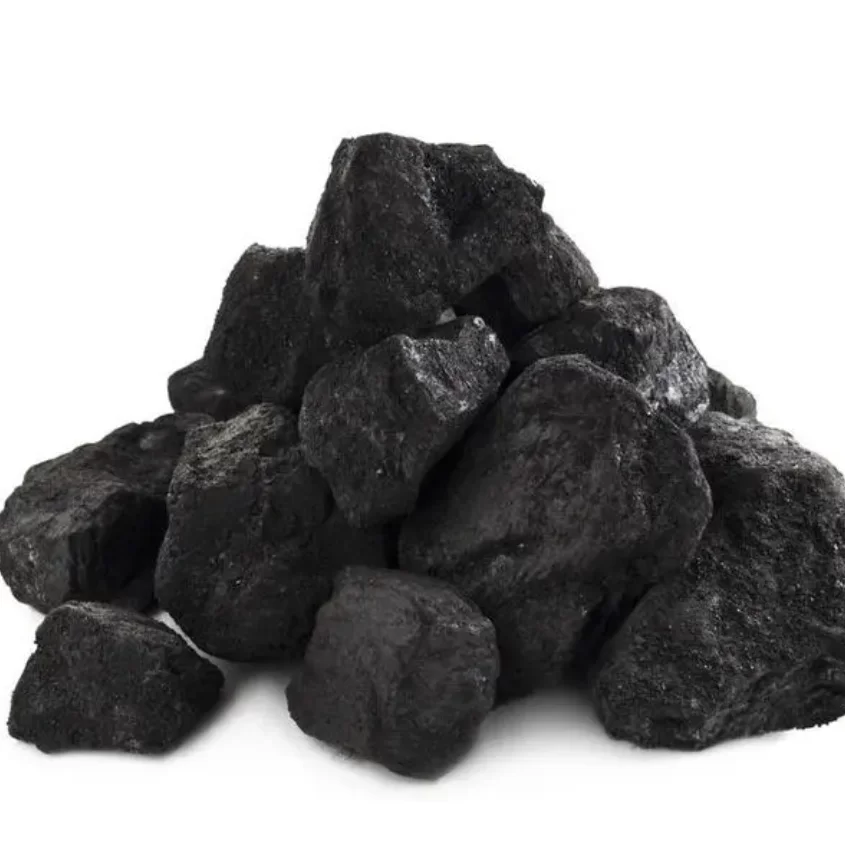
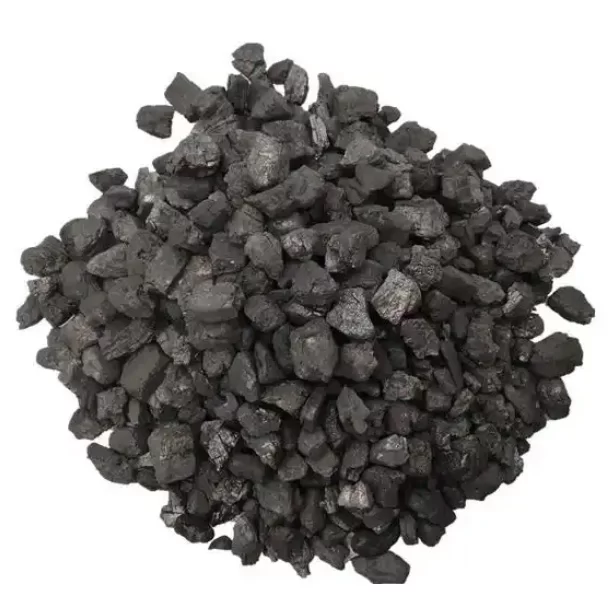
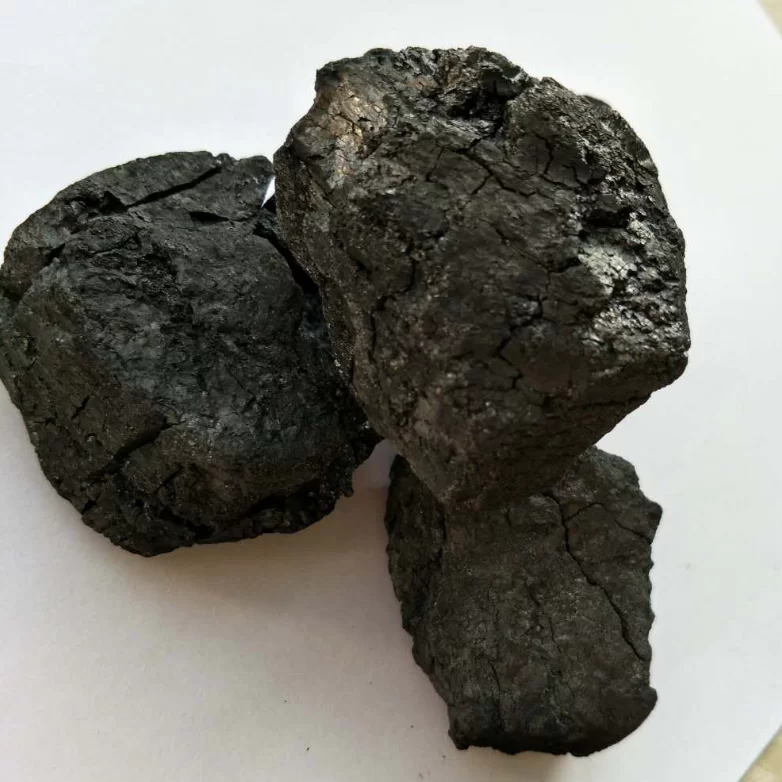
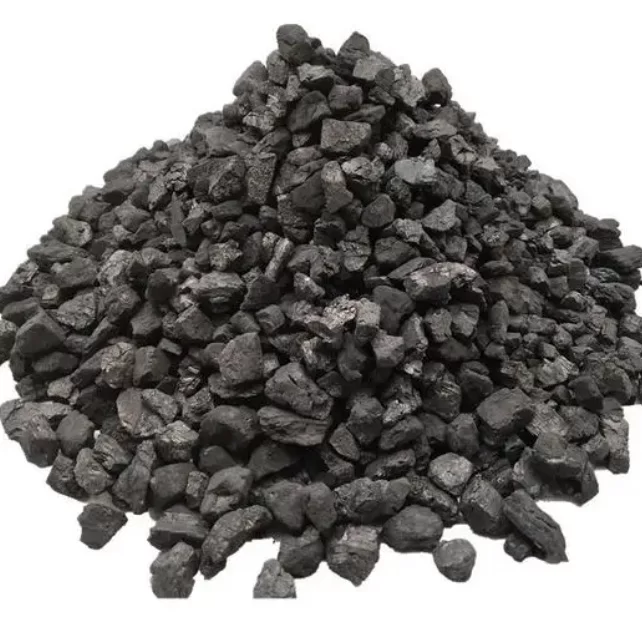
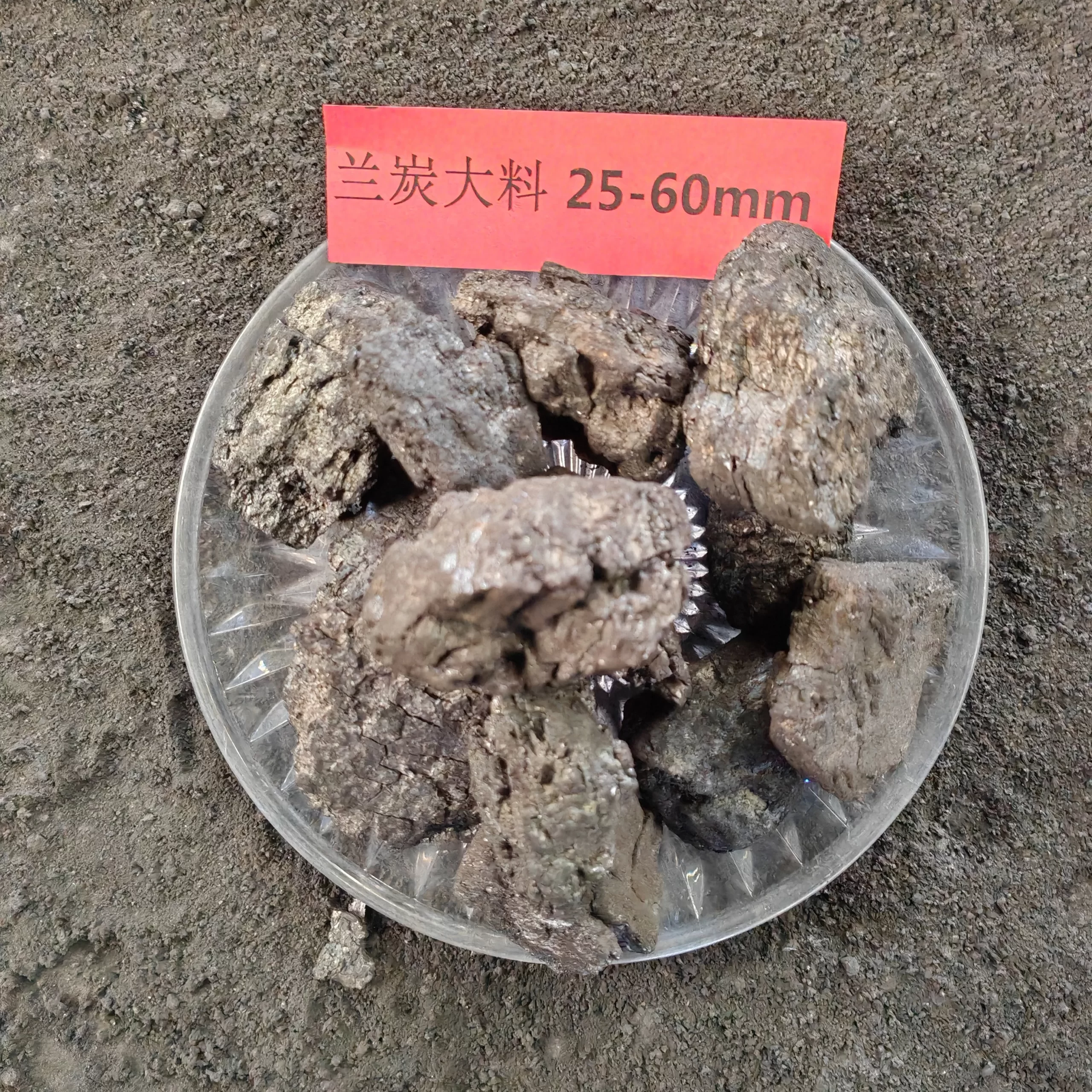
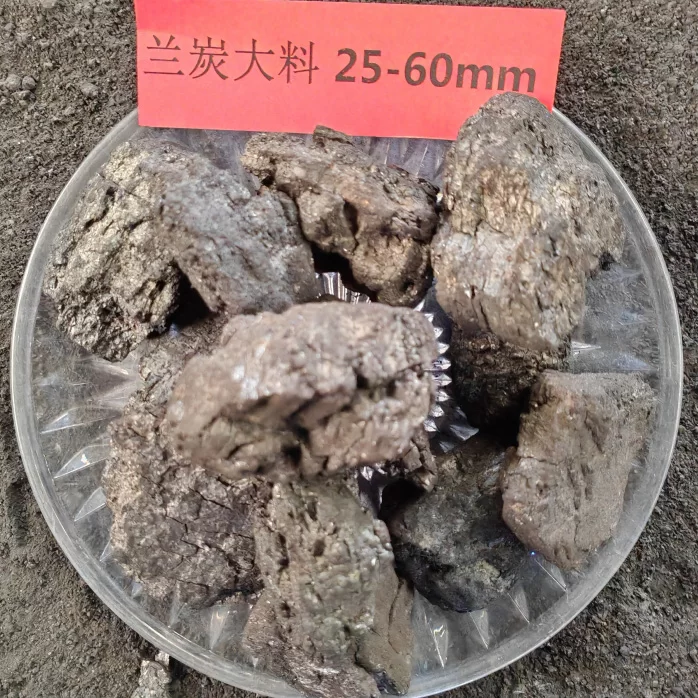
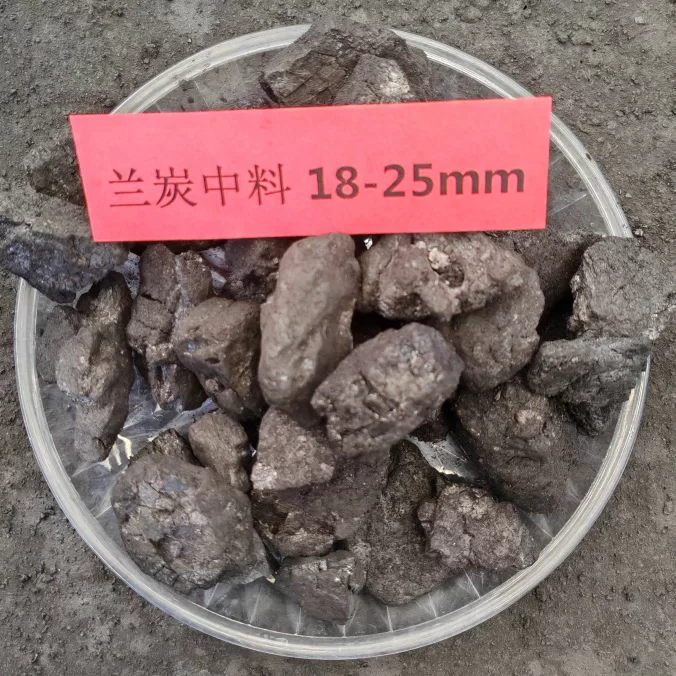
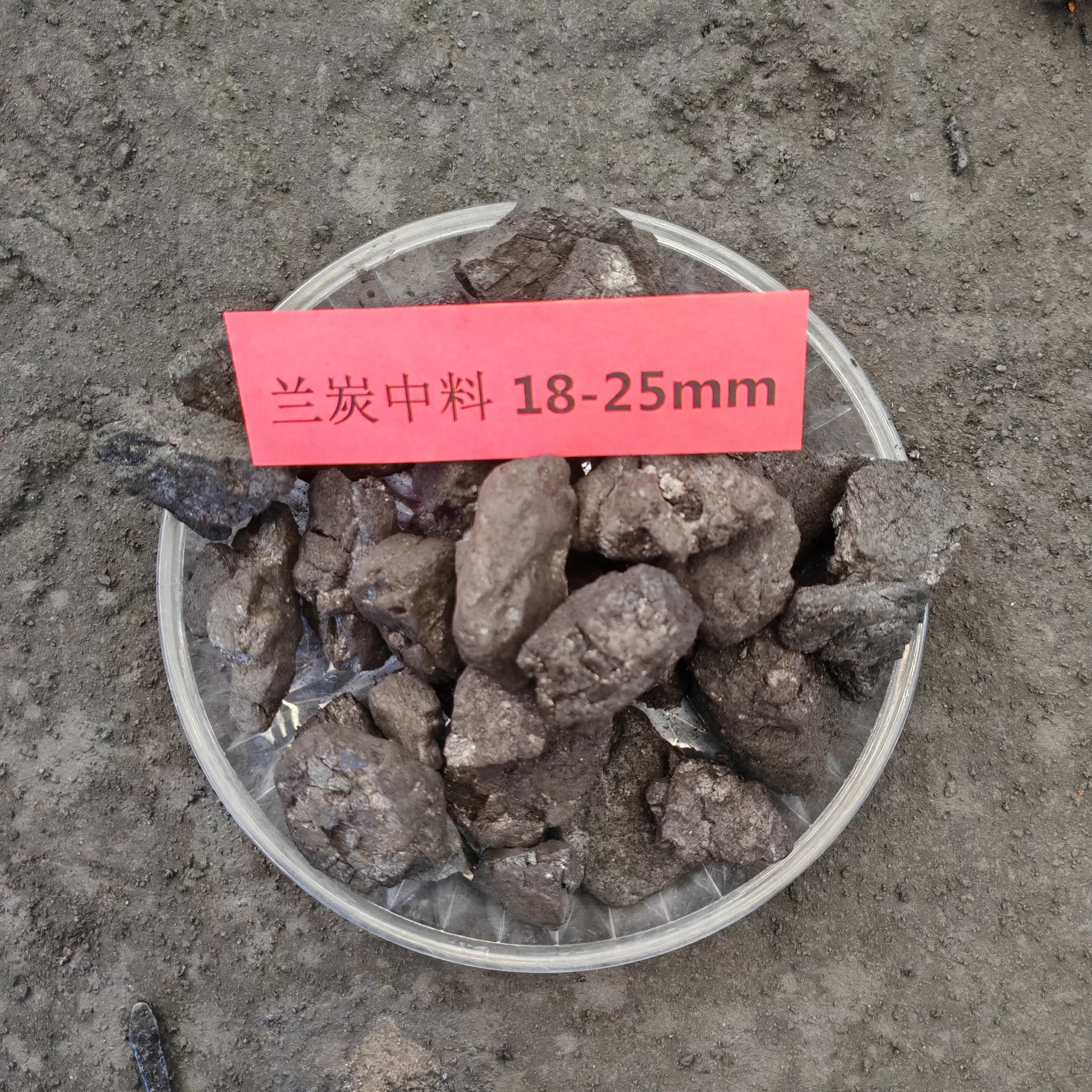
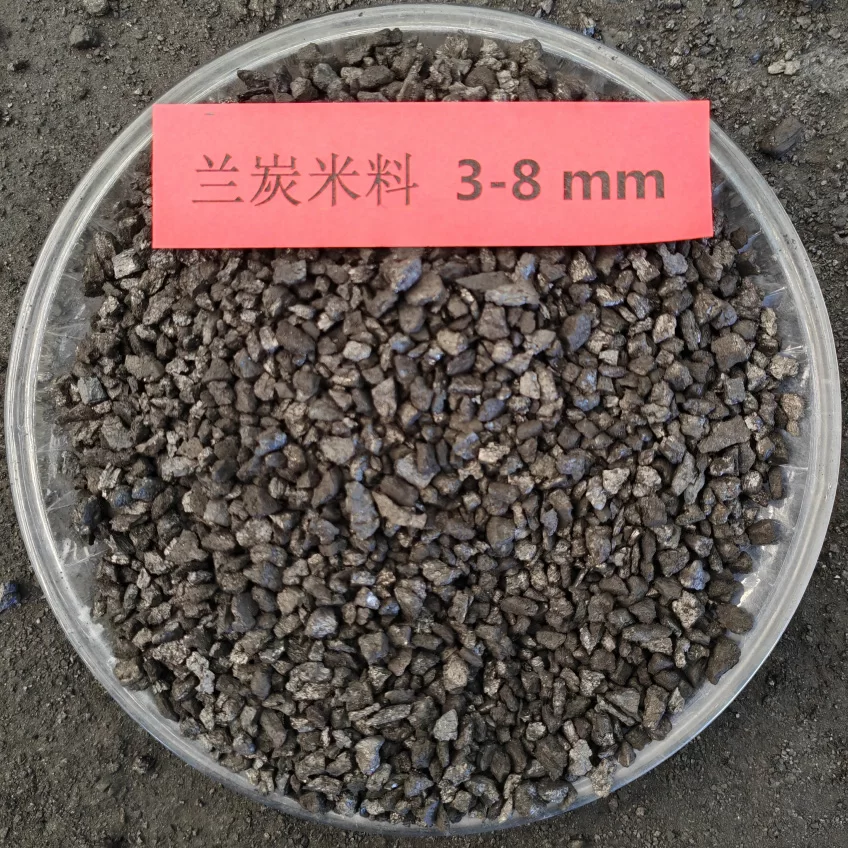
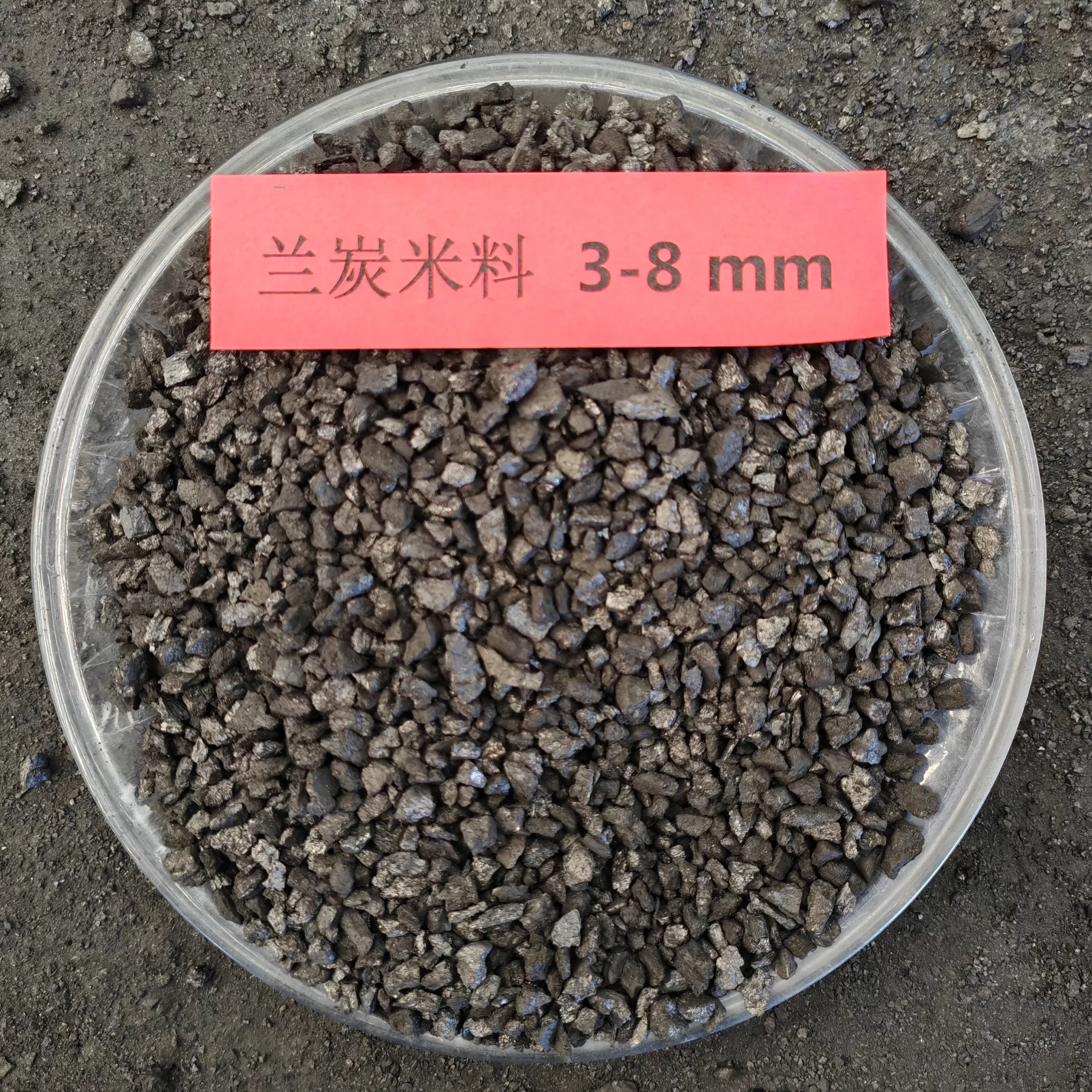
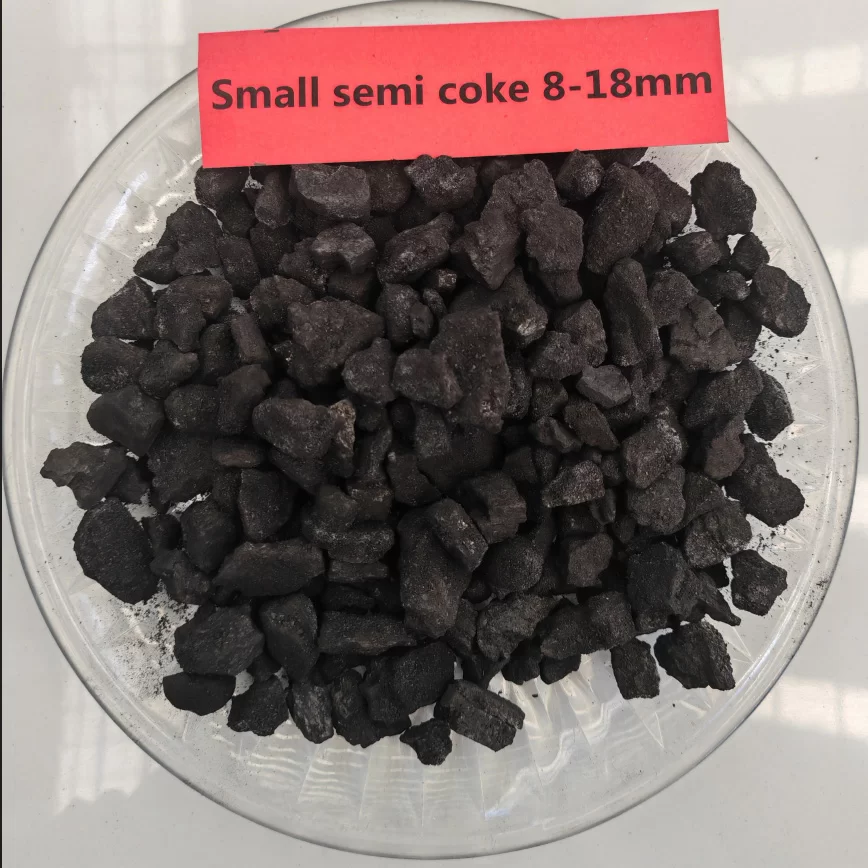
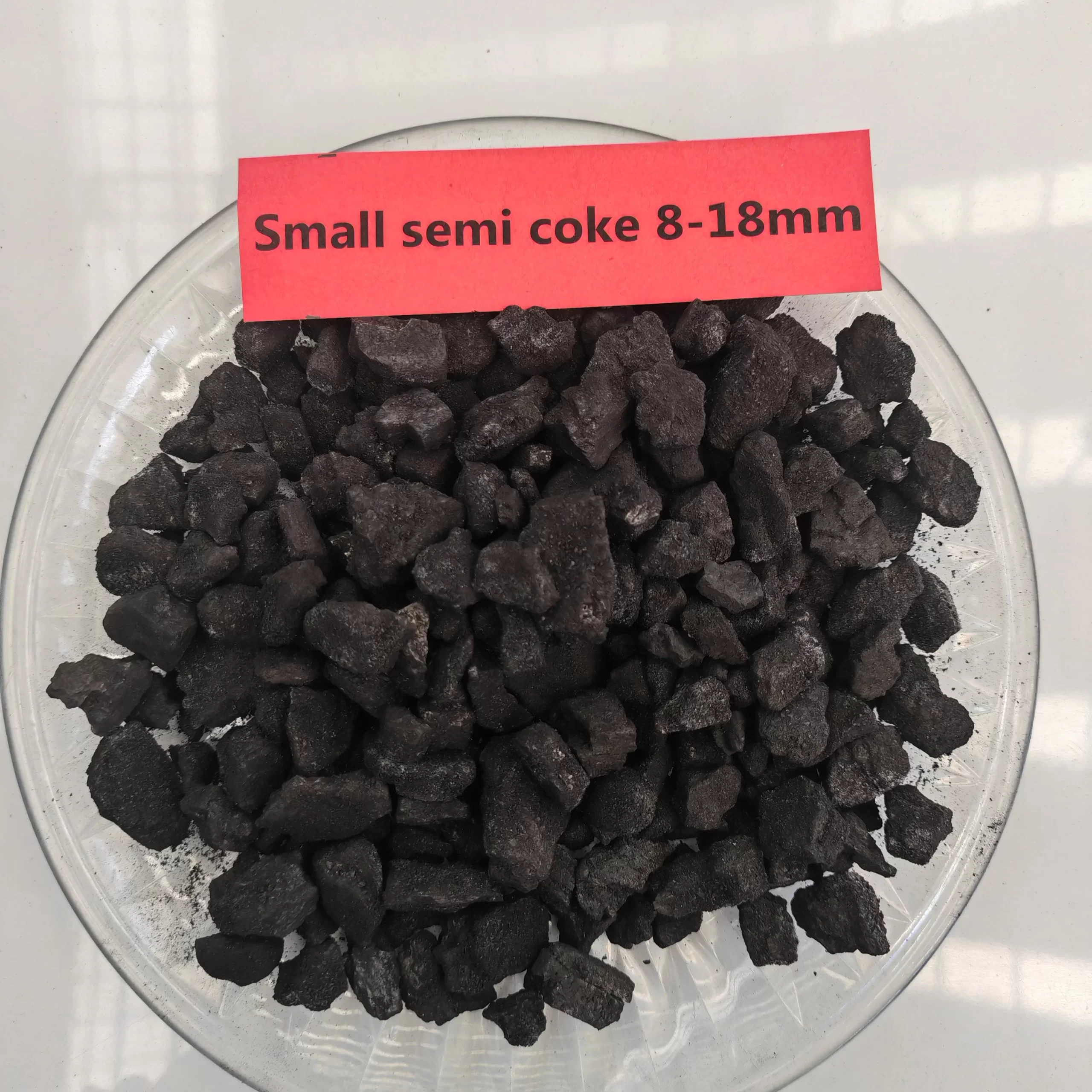
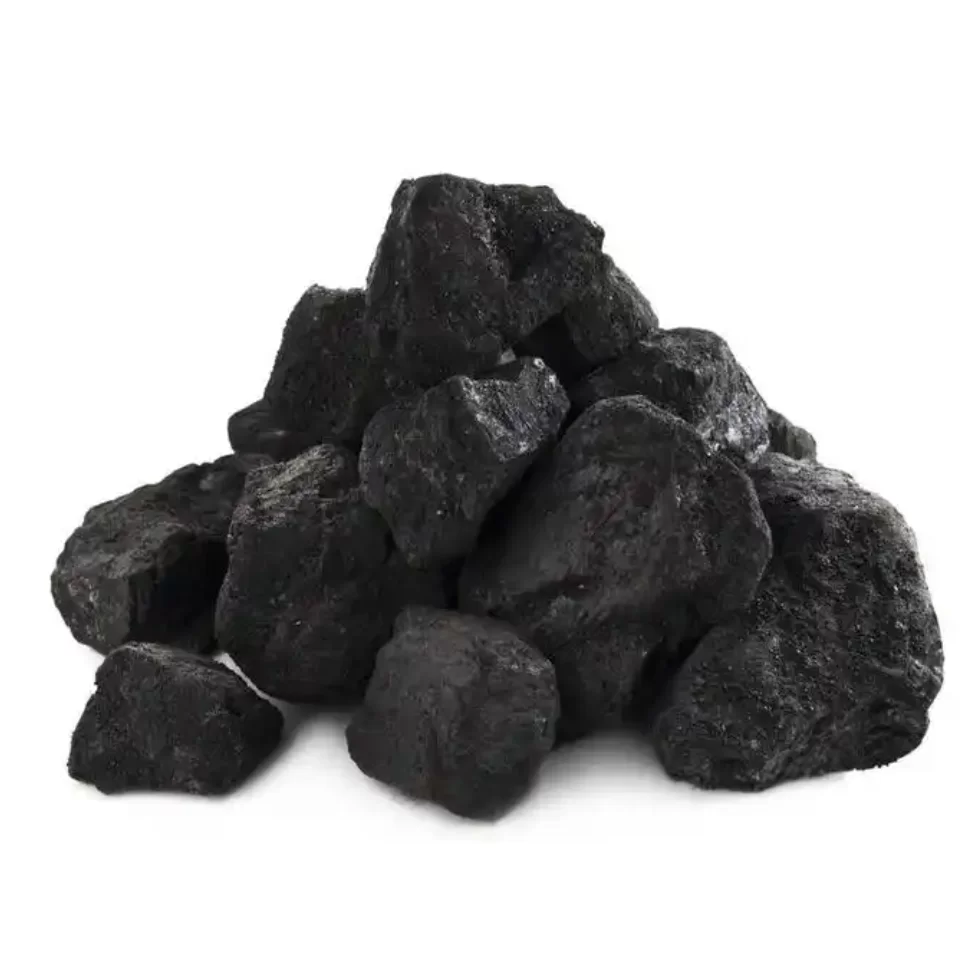
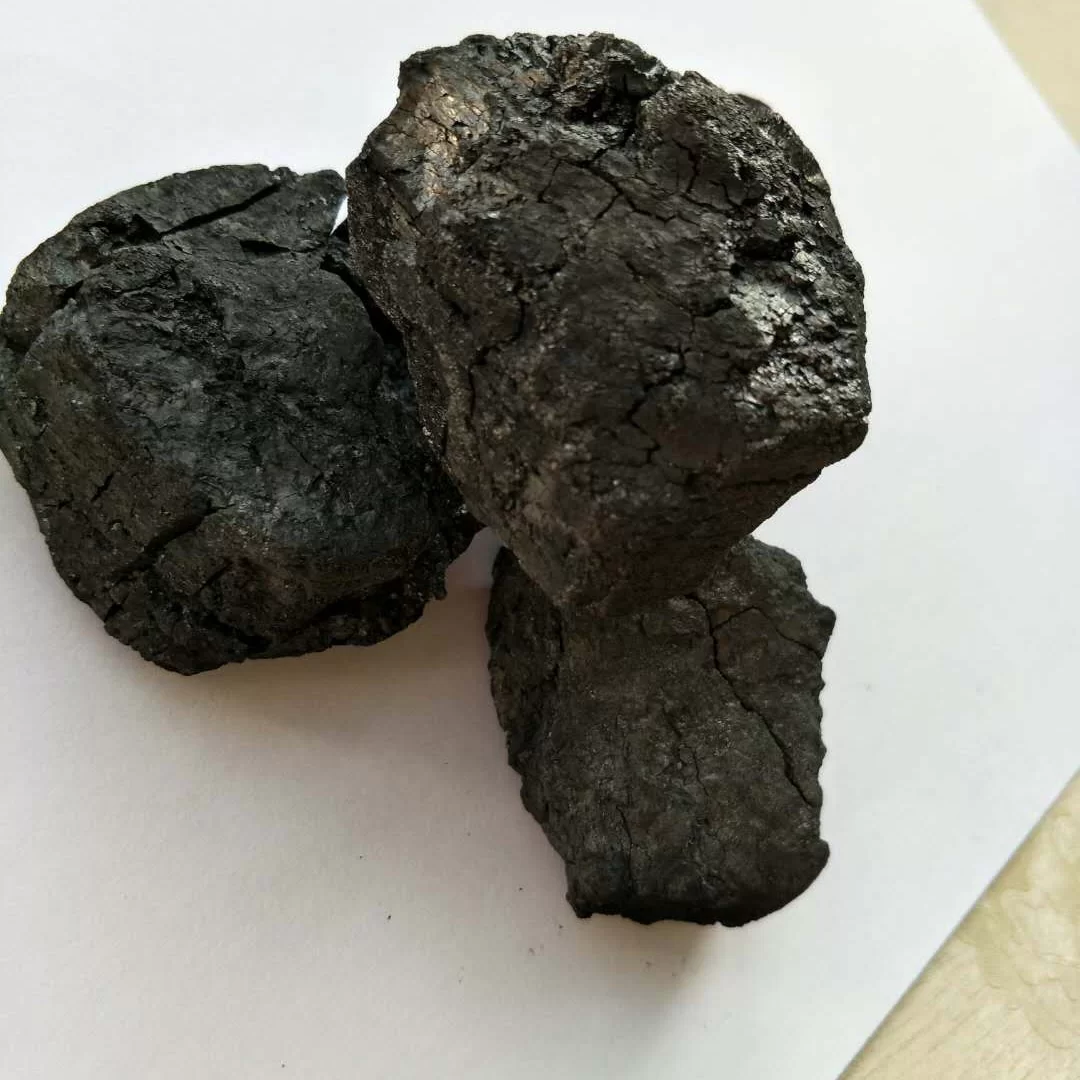
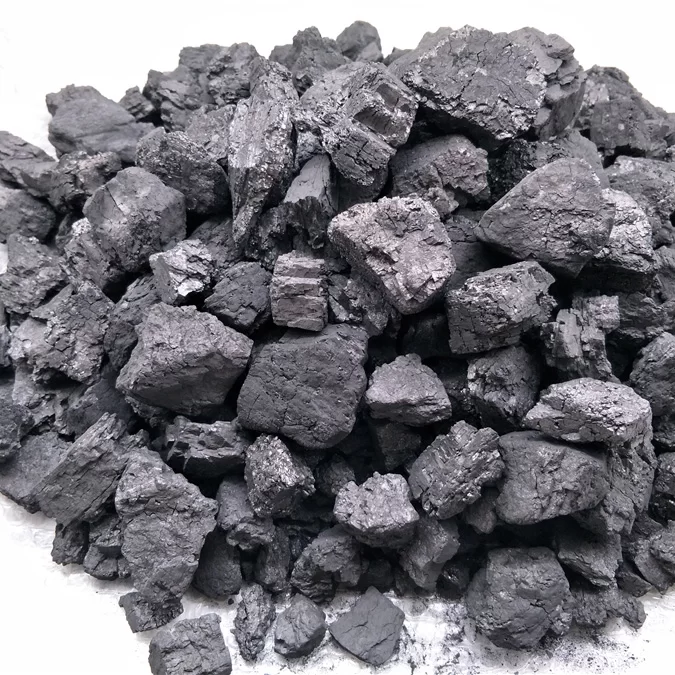
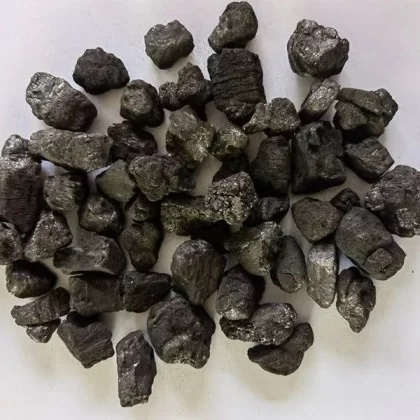
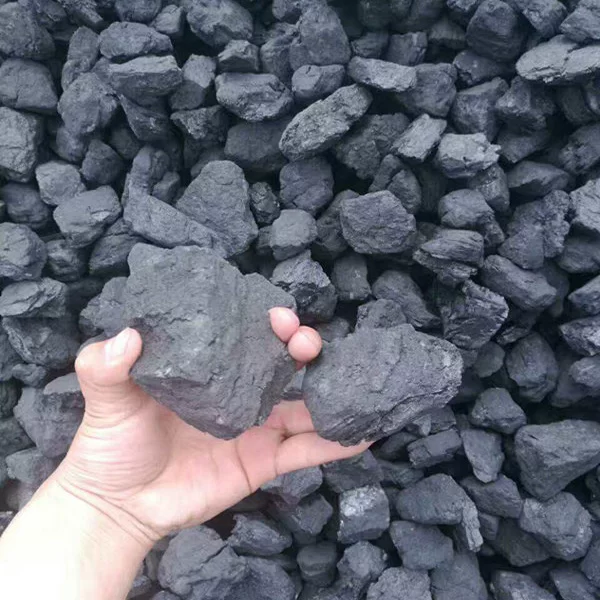
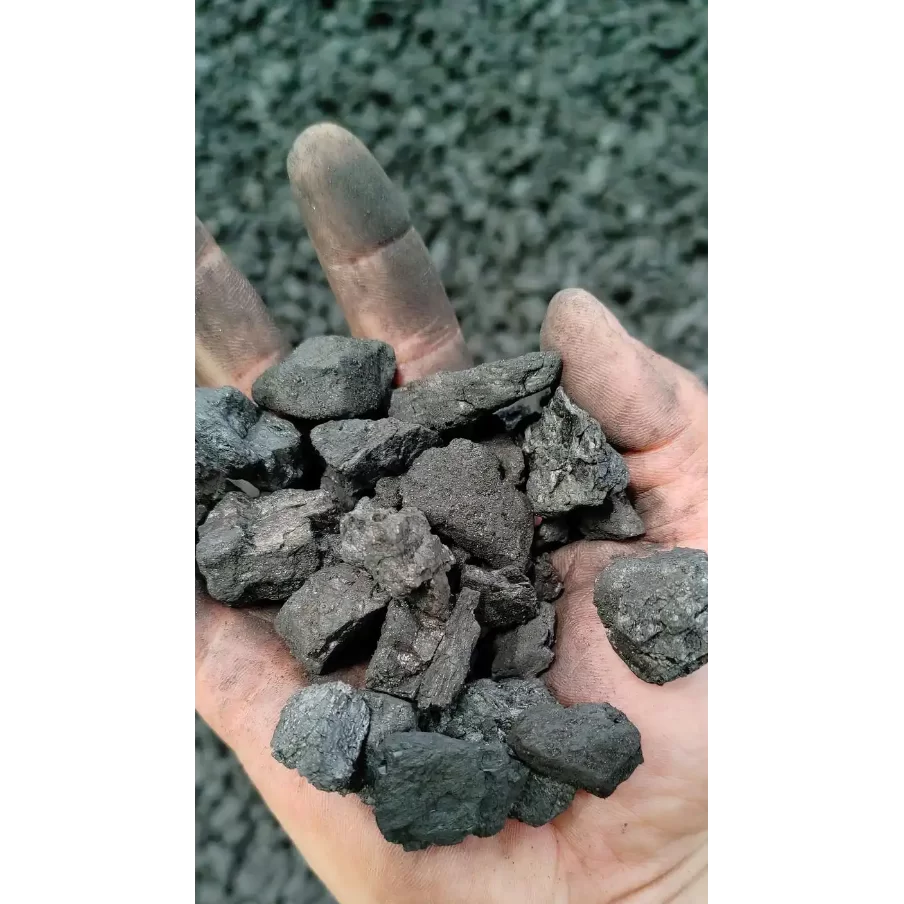
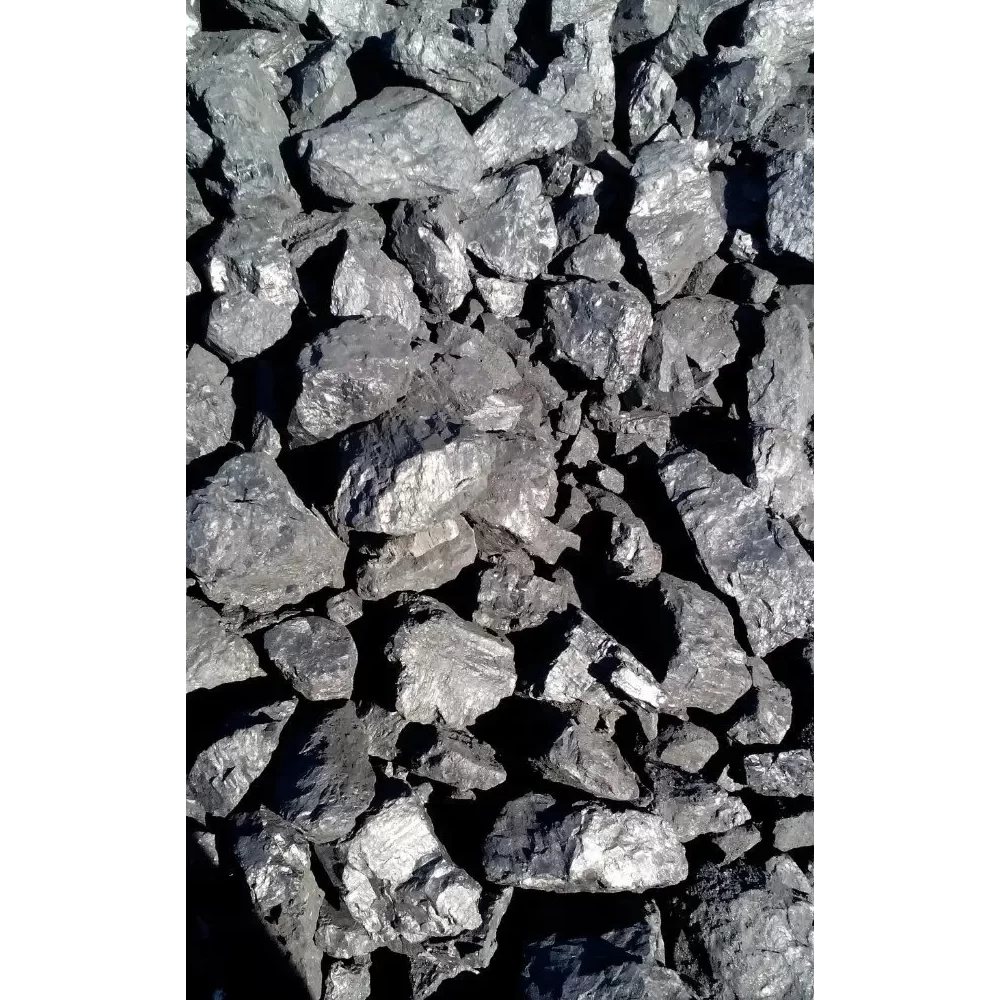
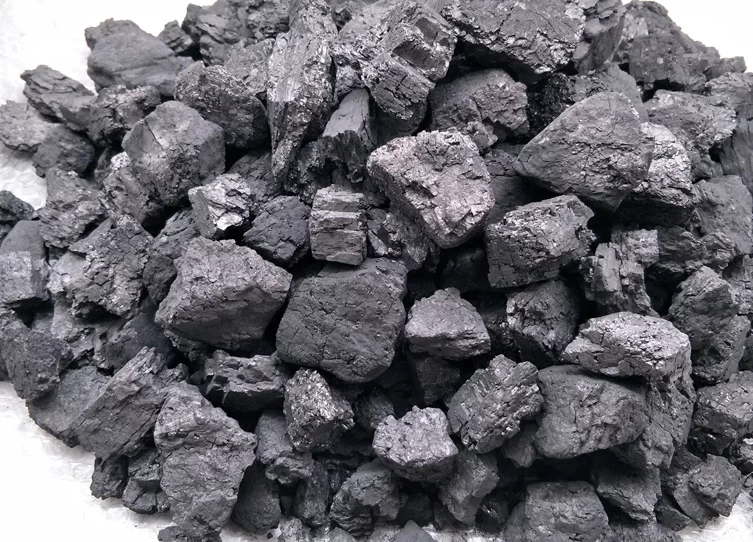
Semi-coke is light black, characterized by high fixed carbon, high specific resistance, high chemical activity, low ash content,low sulfur and Low phosphorus. It is wildly applied to such industries as chemical industry, metallurgic industry, and gas- making industry to produce calcium carbide, ferroalloy, ferrosilicon, silicon carbide, silicomanganese, fertilizer, etc.(Semi-coke/air coke /lam coke 30-60mm)
Semi coke, also known as blue coal or semi-coke, is a carbon-rich material produced by the partial pyrolysis (low-temperature carbonization) of coal or biomass at temperatures typically between 500–700°C, below the range for full coking (800–1,000°C). This process drives off volatile matter (e.g., methane, tar, and water) while retaining significant fixed carbon, resulting in a solid intermediate product with properties between coal and coke.
Key Characteristics
High Fixed Carbon: 60–85%, higher than raw coal but lower than metallurgical coke.
Low Volatile Matter: 10–25%, making it more stable and less smoky than coal.
Moderate Calorific Value: 25–30 MJ/kg, suitable for fuel applications.
Porosity: Develops porous structure during pyrolysis, enhancing reactivity.
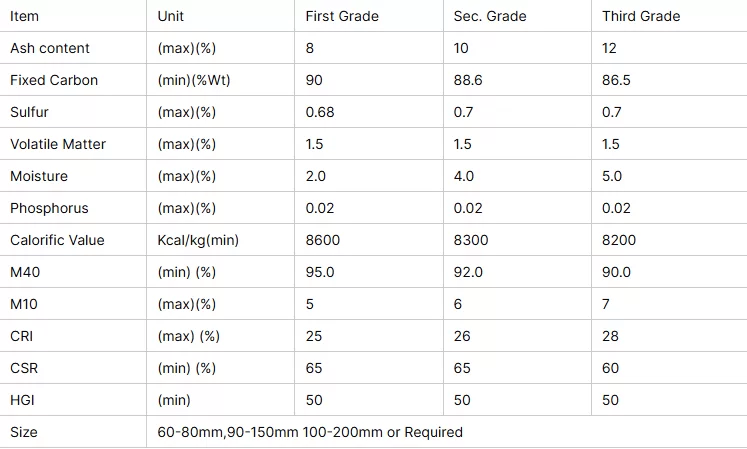
Specifications
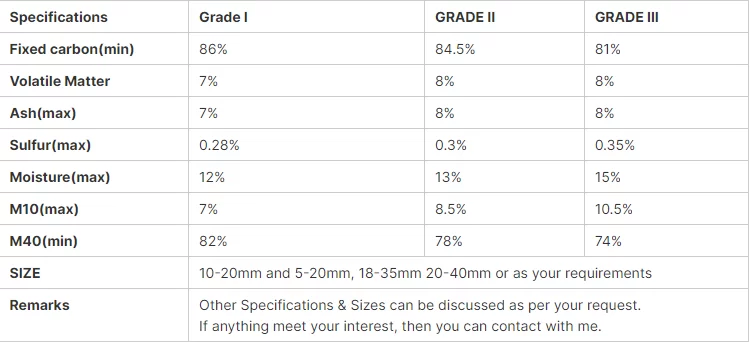
Semi Coke for Calcium Carbide and Ferroalloy Production
Semi coke is a carbon-rich material produced from high-quality anthracite coal through a high-temperature processing route. With high fixed carbon, high specific resistance, high chemical activity, low ash content, low sulfur, and low phosphorus, this material is suitable for industrial processes that require a stable carbonaceous raw material. The combination of these characteristics allows semi coke to be used in calcium carbide production, ferroalloy manufacture, non-ferrous metal smelting, chemical processing, and gasification-related applications.
Compared with untreated coal, semi coke has undergone a carbonization process that removes part of the volatile components and concentrates the carbon content in the resulting solid material. The supplied product information indicates a fixed carbon range of approximately 60–85% and volatile matter of approximately 10–25%. These characteristics give the material a different operating profile from conventional coal and make it suitable for applications where carbon content and controlled volatile matter are important.
For calcium carbide production, carbon materials are required to participate in high-temperature reactions, making fixed carbon an important purchasing parameter. The low sulfur and low phosphorus characteristics of this semi coke are also relevant for metallurgical applications where control of these elements is required. For ferroalloy production, ferrosilicon, silicon carbide, and silicomanganese manufacture, the material can serve as a carbon source within the relevant production process.
The product is available in a particle size of 30–60 mm according to the supplied information. This physical specification should be considered together with furnace design, feeding equipment, material handling conditions, and process requirements. Rather than selecting coke forge for sale only by name, industrial buyers can evaluate the material according to fixed carbon, volatile matter, ash, sulfur, phosphorus, particle size, and the intended application.
As an industrial carbon material, semi coke can also be considered as a substitute for metallurgical coke in suitable processes. However, actual substitution should be determined according to the operating conditions and technical requirements of the receiving production system.
Semi Coking Coal with High Fixed Carbon and Controlled Volatile Matter
The characteristics of semi coking coal are determined largely by the carbonization process used to transform the original coal into a carbon-rich solid. During processing, volatile components are driven off, leaving a material with increased fixed carbon concentration and a porous structure. This gives semi coking coal properties that differ from those of untreated coal while retaining characteristics useful for industrial fuel and carbon applications.
The supplied product information identifies high fixed carbon as one of the key characteristics. The reference range of approximately 60–85% fixed carbon provides an important basis for assessing the material in processes that require a carbonaceous feedstock. At the same time, volatile matter is indicated at approximately 10–25%. This combination allows users to distinguish semi coking coal from higher-volatile raw coal when evaluating materials for industrial processing.
Porosity is another relevant physical characteristic. The porous structure develops during pyrolysis and can enhance reactivity by increasing contact between the solid carbon material and surrounding gases or reactants. This characteristic is particularly relevant in applications involving gas-solid reactions and high-temperature processing. Compared with foundry coke, semi coke offers a different combination of fixed carbon, volatile matter, and chemical activity, making material selection dependent on the specific industrial process.
The material also has a moderate calorific value of approximately 25–30 MJ/kg. This makes semi coking coal relevant not only to metallurgical and chemical processes but also to selected fuel-related applications. Nevertheless, calorific value should not be considered independently when evaluating the material. Fixed carbon, volatile matter, ash, sulfur, phosphorus, and particle size all influence how the material performs in a particular industrial system.
The product is also described by characteristics associated with low volatile coal, including reduced volatile content compared with untreated coal. For procurement teams, this distinction is useful when comparing carbonaceous materials for processes where volatile matter needs to remain within a defined range.
When selecting semi coking coal, buyers should therefore establish a specification based on the actual production process. A clear technical requirement can help ensure that the incoming material is compatible with the furnace, reactor, charging system, and downstream production conditions.
Low Volatile Coal for Metallurgical and Chemical Applications
Low volatile coal is considered for industrial applications where carbon content and volatile matter are important factors in material selection. The product described here combines high fixed carbon with relatively controlled volatile matter, together with low ash, low sulfur, and low phosphorus. These characteristics make the material suitable for a range of metallurgical, chemical, and gasification applications.
The fixed carbon range of approximately 60–85% is particularly relevant to processes that require a substantial carbon component. At the same time, the indicated volatile matter range of 10–25% provides a useful reference for users assessing the material against their process requirements. For industrial users, low volatile coal should be evaluated according to the complete specification rather than simply its volatile matter level.
The physical form of carbon materials, including both semi-coke and metallurgical coke, should also be included in procurement discussions. The product information specifies a 30–60 mm particle size for semi-coke, which can be assessed according to the charging and feeding requirements of the receiving plant. Material particle size directly influences material handling efficiency, internal furnace distribution, and the overall chemical interaction between carbon reductants and other feedstocks. Unlike metallurgical coke, which focuses on high mechanical strength for blast furnace support, semi-coke adopts a reasonable particle gradation to ensure stable air permeability and high reactivity in ferroalloy and calcium carbide furnaces.
Another stated characteristic is high specific resistance. Combined with high fixed carbon and chemical activity, this gives low volatile coal a useful profile for selected industrial processes involving high-temperature treatment and carbon reactions.
The material can be used in calcium carbide, ferroalloy, ferrosilicon, silicon carbide, and silicomanganese production, as well as in chemical and gas-making industries. For each application, however, the technical requirements may differ. A purchaser should therefore compare the low volatile coal specification with the actual operating parameters of the production line before confirming material selection.
Gas Coke for Gasification and Gas-Making Processes
Gas coke is associated with applications where a carbonaceous solid is required for gas-making, gasification, or related chemical processes. The supplied product information specifically identifies gas-making and gasification as application areas for this material. Its high fixed carbon, porous structure, chemical activity, and controlled volatile matter provide characteristics relevant to processes involving carbon-gas reactions.
The porous structure developed during carbonization can support interaction between the carbon surface and surrounding gases. For gasification systems, this physical characteristic may be relevant because gas-solid contact forms part of the reaction process. The actual behavior of gas coke, however, depends on the gas composition, operating temperature, residence time, particle size, and configuration of the gasification equipment.
The material can also be considered as coke for gas in gas-making applications where a carbon-rich solid is required. When evaluating coke for gas, industrial users should consider more than the product name. Fixed carbon, volatile matter, ash, sulfur, phosphorus, particle size, and process conditions should all be reviewed to establish whether the material is suitable for the intended operation.
The product's approximate fixed carbon range of 60–85% provides a useful reference for assessing carbon availability. Its volatile matter range of approximately 10–25% and calorific value of approximately 25–30 MJ/kg provide additional information for technical comparison. These characteristics can help distinguish the material from untreated coal and from other carbon products.
Beyond gasification, gas coke can be used in chemical and metallurgical industries. Applications listed for the product include calcium carbide, ferroalloy, ferrosilicon, silicon carbide, silicomanganese, fertilizer-related production, and non-ferrous metal smelting.
For industrial procurement, consistency in particle size and chemical characteristics is essential. The stated 30–60 mm size should be assessed against the feeding system and furnace configuration of the receiving facility. A suitable coke for gas selection should ultimately be based on the technical requirements of the complete production process rather than on calorific value or carbon content alone.
Semi Coke Specification and Semi Coke vs Coke for Material Selection
A clear semi coke specification allows procurement and engineering teams to evaluate the material according to measurable characteristics. For this product, the supplied information identifies high fixed carbon, high specific resistance, high chemical activity, low ash content, low sulfur, and low phosphorus as important characteristics. The reference also provides several quantitative indicators that can be used during technical evaluation.
Property | Product
Information |
Raw
Material | High-quality
anthracite coal |
Processing | High-temperature
process |
Fixed
Carbon | Approximately
60–85% |
Volatile
Matter | Approximately
10–25% |
Calorific
Value | Approximately
25–30 MJ/kg |
Ash | Low |
Sulfur | Low |
Phosphorus | Low |
Particle
Size | 30–60
mm |
The semi coke specification should be matched with the requirements of the intended process. For calcium carbide and ferroalloy production, fixed carbon, sulfur, phosphorus, ash, and particle size can all be important. For gasification and gas-making applications, the porous structure, chemical activity, volatile matter, and particle size may also require close consideration.
A semi coke vs coke comparison should therefore focus on actual process requirements instead of treating the two materials as universally interchangeable. The product information describes semi coke as a new type of carbon material that can serve as a substitute for metallurgical coke in suitable applications. Whether substitution is appropriate depends on the furnace, feedstock combination, reaction conditions, and required material specification.
The particle size of 30–60 mm is another important point when reviewing a semi coke specification. Industrial users should confirm that the supplied size is compatible with their charging and handling equipment before procurement. The same applies to chemical parameters, which should be compared with the limits established for the intended production process.
For users evaluating semi coke vs coke, the most useful approach is to consider fixed carbon, volatile matter, ash, sulfur, phosphorus, calorific value, porosity, specific resistance, and particle size as a complete technical profile. This provides a more meaningful basis for selecting the appropriate carbon material.
next :
This is the last
black :
Metallurgical Coke


Semi Coke — Reliable Carbon, Efficient Energy.
Premium Semi Coke offers high carbon content, consistent quality, and efficient energy for industrial and metallurgical applications.
contact us
What Is The Difference Between Coke And Semi Coke
The main difference between coke and semi-coke lies in their raw materials, production temperatures, and properties. Coke is produced from coking coal at high temperatures (around 1000–1100°C), resulting in a hard, strong material with high carbon content and good thermal stability, mainly used in blast furnaces for ironmaking. Semi-coke, on the other hand, is made from low-rank coals such as lignite or bituminous coal at lower temperatures (around 500–700°C). It has lower strength, higher volatile content, and is used as a fuel or reducing agent in ferroalloy, calcium carbide, and chemical industries.






Conductive Core
Carrying high temperature and efficient power
Your Email Address...
submit