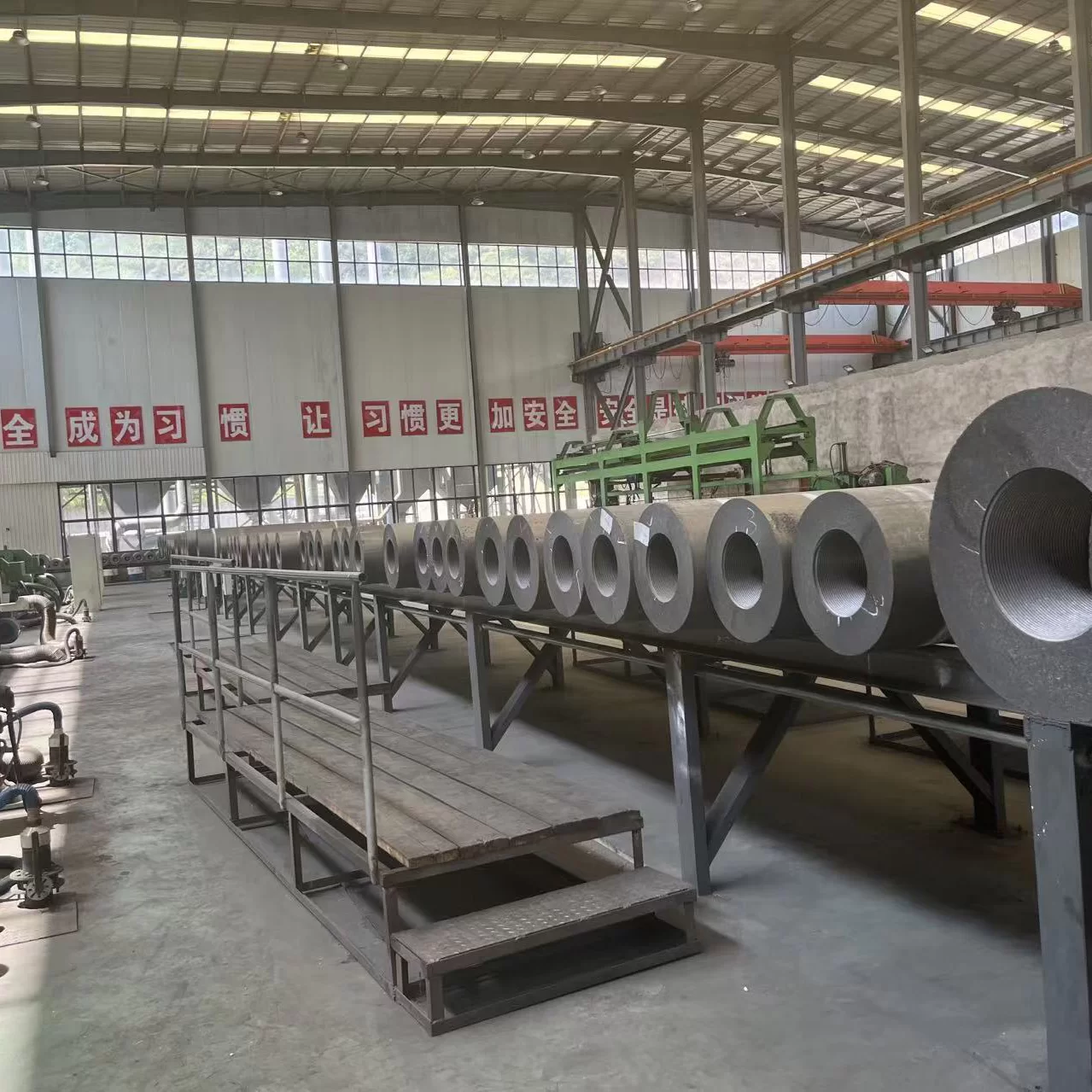
The Essential Guide to Graphite Insulation in High-Temperature Industry
In the demanding world of metallurgy and non-metallic mineral manufacturing, thermal management is the cornerstone of efficiency. Graphite insulation serves as a critical component in maintaining structural integrity and energy efficiency within extreme heat environments. By leveraging the unique physical properties of carbon-based materials, industries can significantly reduce heat loss and protect surrounding equipment. Whether it is used in the production of industrial electrodes or as a carbon additive, understanding the nuances of graphite-based thermal barriers is essential for maximizing furnace performance and extending the lifespan of refractory materials.

The Core Mechanics of Graphite Insulation Materials
The effectiveness of graphite insulation stems from the crystalline structure of carbon. Unlike traditional ceramic insulators, graphite offers a unique combination of high thermal conductivity in specific directions and exceptional resistance to thermal shock. In the context of industrial electrode production and smelting, these materials act as a stable buffer, preventing rapid temperature fluctuations that could lead to material cracking. Its low coefficient of thermal expansion ensures that components remain dimensionally stable even when subjected to temperatures exceeding 1300°C, making it indispensable for the non-ferrous metal smelting sector.
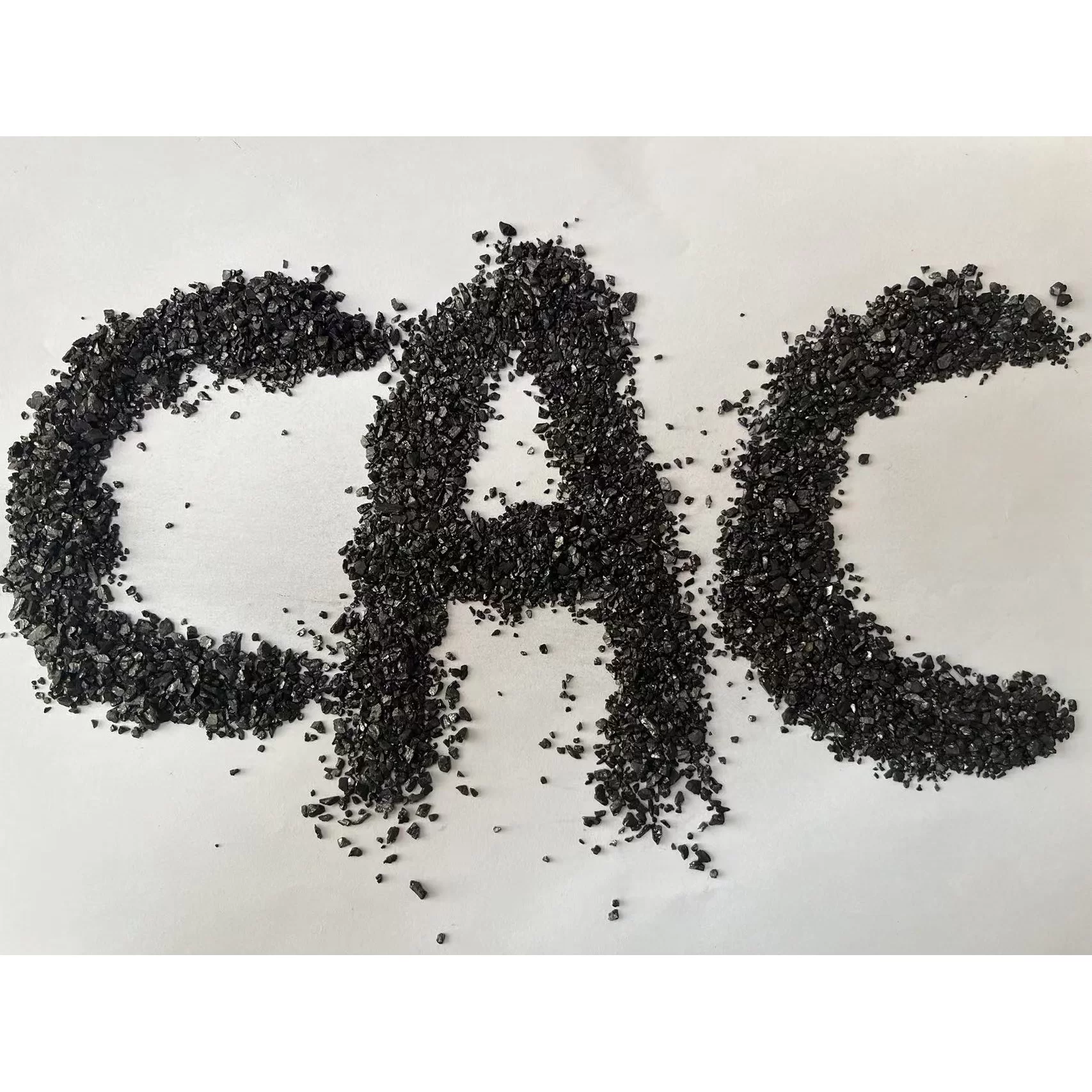
Technical Highlight: Graphite's ability to maintain high strength and fixed carbon content while keeping sulfur and volatile matter low makes it a superior choice for high-performance thermal shielding.
Comparing Graphite Insulation with Traditional Refractories
When choosing between graphite insulation and standard ceramic refractories, engineers must consider the specific requirements of their furnace. While ceramics are excellent for static heat resistance, graphite provides better thermal shock resistance and electrical conductivity where required. In foundry coke applications, the ability to maintain air permeability and support the material column is paramount. The following comparison highlights why carbon-based solutions are often preferred in high-intensity smelting environments.
Industrial Applications of Graphite Insulation and Carbon Products
The implementation of graphite insulation extends across multiple specialized sectors. In the chemical industry, it is used to line reaction vessels where temperature control is paramount. In steelmaking plants, carbon-based insulation prevents the premature cooling of molten steel during the overheating process. Furthermore, the use of high-strength foundry coke as a support column demonstrates the dual role of carbon materials: providing both structural support and thermal regulation. This versatility ensures that energy consumption is minimized while throughput is maximized.

Technical Specifications for High-Performance Graphite Insulation
To achieve optimal results, graphite insulation must adhere to strict chemical and physical standards. Low sulfur and low ash content are critical to prevent contamination of the molten metal. Additionally, high crushing strength is required for materials that serve as support columns in Cupola furnaces. Below are the typical specifications for professional-grade graphite and carbon products used in industrial insulation and fuel applications.
Maintenance and Longevity of Carbon Insulation Systems
To maximize the return on investment, graphite insulation systems require strategic maintenance. The primary enemy of graphite is oxidation, which occurs when the material is exposed to oxygen at high temperatures. To combat this, many industrial plants use specialized coatings or maintain a reducing atmosphere within the furnace. Regular inspection for abrasion and impact crushing is also necessary, especially in foundry environments where mechanical stress is high. By selecting materials with low reactivity and sufficient impact strength, operators can significantly extend the intervals between refractory relining.
Optimizing Energy Efficiency with Graphite-Based Solutions
The shift toward sustainable manufacturing has placed a spotlight on energy conservation. Graphite insulation plays a pivotal role here by reducing the "heat leak" from furnaces. When combined with high-quality foundry coke, the result is a more stable thermal column and improved air permeability, which leads to faster melting times and lower fuel consumption. For the modern manufacturer, integrating advanced carbon materials is not just a technical choice, but an economic imperative to stay competitive in the international market.
Conclusion: The Future of Thermal Management
The strategic use of graphite insulation and high-grade carbon products is essential for any operation dealing with extreme temperatures. From enhancing the efficiency of Cupola furnaces to ensuring the purity of non-ferrous metals, the benefits of low sulfur, high strength, and exceptional thermal stability are undeniable. By partnering with experts in carbon manufacturing, industries can ensure their infrastructure is built for longevity and peak performance. Invest in quality carbon solutions to drive your industrial productivity forward.
Frequently Asked Questions (FAQs)
How does graphite insulation differ from regular carbon fuel?
While both are carbon-based, graphite insulation is engineered for thermal management and structural stability, whereas carbon fuels (like some types of coke) are primarily intended for combustion. Graphite insulation utilizes a specific crystalline structure that provides superior heat resistance and conductivity control, making it suitable for lining and shielding rather than just being consumed as fuel.
Why is low sulfur content important in graphite insulation?
Sulfur is a contaminant that can migrate into the molten metal during the smelting process. This can lead to "sulfur embrittlement" in steel or impurities in non-ferrous metals, compromising the quality of the final product. High-grade graphite insulation is processed to keep sulfur levels extremely low, ensuring the chemical purity of the molten charge.
Can graphite insulation be used in oxygen-rich environments?
Graphite is susceptible to oxidation when exposed to oxygen at temperatures above 400-500°C. To use it effectively in oxygen-rich environments, it must be treated with anti-oxidant coatings or used in a controlled atmosphere. Many of the solutions provided by dahcarbon.com are designed to balance reactivity with durability to suit specific industrial conditions.
What is the role of impact crushing strength in foundry coke?
In a Cupola furnace, the fuel must support the entire weight of the material charge. If the coke has low impact crushing strength, it will collapse, blocking the air permeability and causing the furnace to "freeze" or operate inefficiently. Professional graphite insulation and carbon materials are tested for strength to ensure they maintain a stable column under extreme pressure.