The evolution of industrial machinery has always depended on the quality of raw materials used in critical components. In the realm of high-performance friction reduction, the development of carbon graphite bearings represents a significant leap in material science, allowing systems to operate under extreme conditions where traditional lubricants fail. By leveraging the unique properties of calcined anthracite, industry professionals can achieve unprecedented levels of stability and efficiency.
Globally, the demand for sustainable and high-strength carbon materials is rising as manufacturers seek to reduce maintenance costs and increase the lifespan of heavy-duty equipment. The transition toward materials that offer low resistivity and high mechanical strength is no longer optional but a necessity for staying competitive in the modern industrial landscape. Understanding the synergy between raw material purity and final component performance is key to optimizing these systems.
When evaluating the effectiveness of carbon graphite bearings, one must look at the foundation: the raw carbon source. Using high-temperature calcined anthracite, processed between 800-1200℃, ensures the elimination of volatile matter and moisture, resulting in a high-density material that is essential for the longevity of industrial electrodes and specialized bearing components.

The Material Foundation of Carbon Graphite Bearings
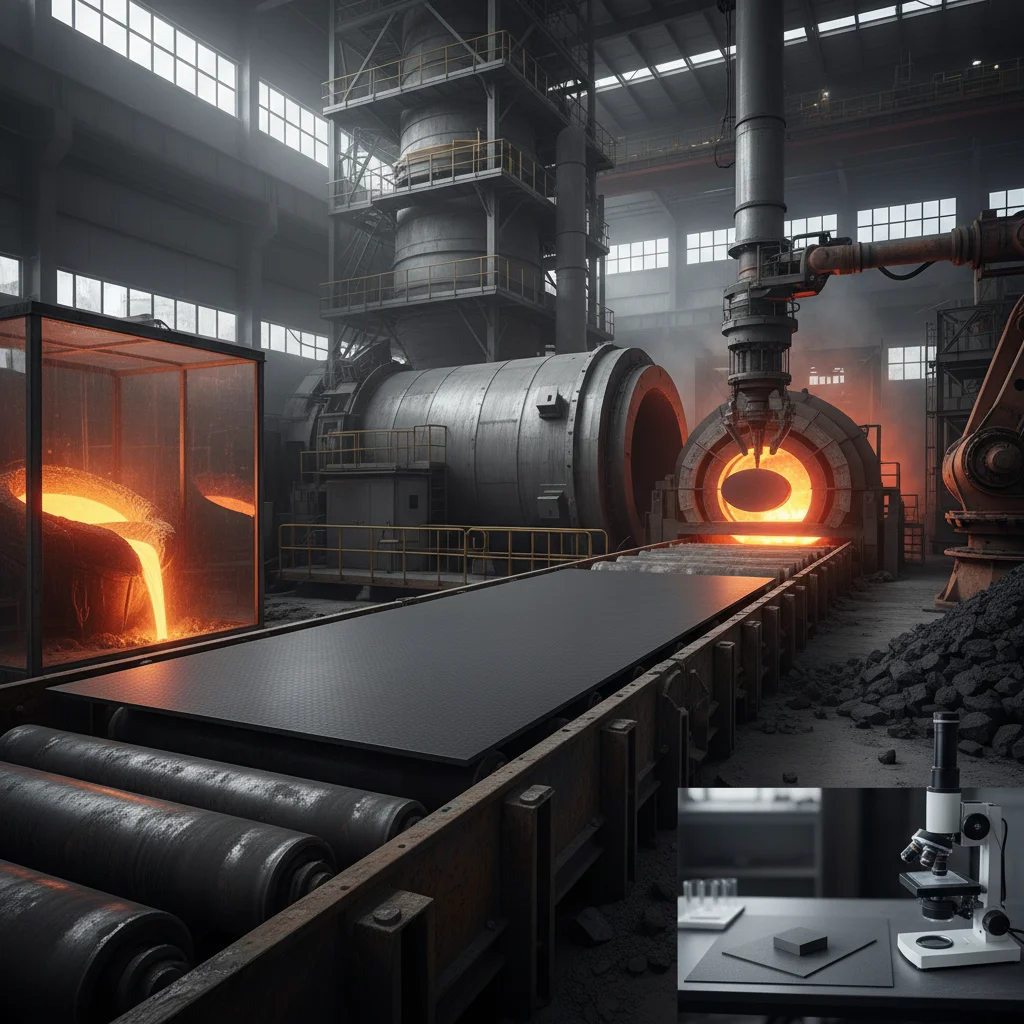
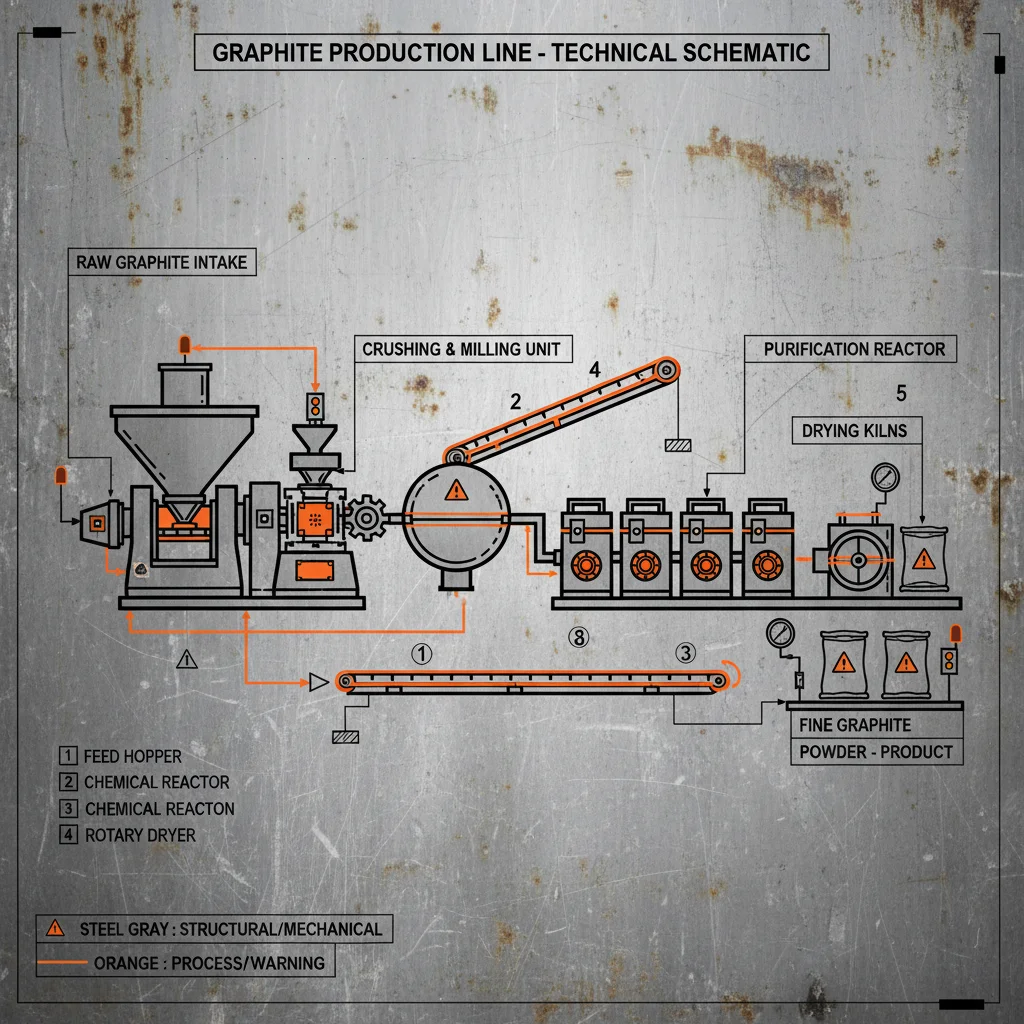
The effectiveness of any carbon-based component begins with the quality of the raw anthracite. To create the high-density structure required for carbon graphite bearings and other carbon products, the material must undergo a rigorous calcination process using DC electric calciners. This process is not merely about heating but about chemically transforming the material to remove impurities.
By calcining anthracite at temperatures ranging from 800 to 1200℃, the moisture and volatile organic compounds are efficiently eliminated. This results in a material characterized by low ash content and high purity, which provides the necessary structural integrity to withstand the friction and thermal stress common in industrial bearing applications.
Technical Specifications and Calcination Processes
The transformation of raw anthracite into a high-grade industrial material involves precise thermal control. The use of DC electric calciners allows for a uniform temperature distribution, ensuring that the entire batch reaches the critical 800-1200℃ threshold. This ensures that the resulting carbon is dense and uniform, which is a non-negotiable requirement for components that must maintain tight tolerances.
One of the primary technical goals of this process is the reduction of resistivity. By increasing the electrical conductivity through high-temperature treatment, the material becomes more versatile, serving not only as a mechanical component but also as an efficient conductor in electrical furnace applications. This dual-nature of the material makes it an ideal candidate for complex industrial environments.
Furthermore, the strengthening of mechanical properties during calcination enhances the anti-oxidation capabilities of the carbon. In environments where oxygen and heat are present, untreated carbon would degrade rapidly; however, the processed material used in high-quality carbon products maintains its shape and strength, significantly extending the service life of the machinery.
Core Performance Factors for Industrial Use
Durability is the foremost concern when integrating carbon graphite bearings into a production line. The ability of the material to resist wear while maintaining a low coefficient of friction allows for smoother operation and reduced energy consumption. This is achieved through the high density provided by the calcination of anthracite.
Cost efficiency is realized through the longevity of the components. Because carbon graphite bearings produced from high-purity calcined carbon resist deformation and oxidation, the frequency of replacement parts is drastically reduced, lowering the total cost of ownership for the facility.
Scalability in manufacturing is also a key factor. The consistency of the DC calcination process ensures that every batch of carbon meets the same strict specifications for low ash and low resistivity. This allows engineers to standardize their equipment designs across multiple plants without worrying about material variability.
Comparative Analysis of Carbon Materials
When comparing different grades of carbon used in industrial settings, the difference in processing temperature becomes evident. Low-temperature treated carbons often retain volatile matters that can lead to outgassing or structural failure under heat. In contrast, materials processed at 1200℃ provide the stability required for critical components.
The superiority of high-density calcined carbon is most apparent when analyzing its performance against traditional carbon additives. While basic additives may suffice for simple fuel purposes, they lack the mechanical strength and low resistivity needed for high-performance carbon graphite bearings and electrodes.
Performance Rating of Carbon Graphite Bearings Materials
Global Industrial Applications and Use Cases
The application of high-density calcined carbon extends across several heavy industries. In the steel industry, these materials serve as essential carbon additives (recarburizers), where their low ash content prevents contamination of the melt, ensuring the production of high-grade steel with precise carbon levels.
Beyond metallurgy, carbon graphite bearings are utilized in remote industrial zones and high-temperature environments where liquid lubricants would evaporate or decompose. This makes them invaluable for pumps, compressors, and rotating machinery in chemical plants across Asia and Europe, where reliability in harsh conditions is paramount.
Long-Term Value and Sustainability Benefits
Investing in high-quality carbon products yields significant long-term value by aligning operational goals with sustainability. Because calcined anthracite reduces the volatile matter that typically contributes to emissions during the smelting process, it helps industrial plants move toward a greener footprint.
The reliability of these materials also creates a "trust dividend" within the supply chain. When a manufacturer knows that their components are based on a high-density, low-resistivity carbon source, they can reduce the frequency of emergency shutdowns and unplanned maintenance, thereby increasing overall factory throughput.
From a social impact perspective, the adoption of more efficient materials leads to safer working environments. Reducing the need for hazardous liquid lubricants and minimizing the risk of component failure in high-pressure systems protects workers and reduces the environmental risk of leaks and spills.
Future Innovations in Carbon Technology
The future of carbon graphite bearings lies in the intersection of digital monitoring and material science. We are seeing a shift toward "smart" carbon components that can be paired with sensors to monitor wear in real-time, allowing for predictive maintenance rather than reactive replacement.
Furthermore, the industry is exploring even higher calcination temperatures and additive blends to create "super-graphite" structures. These innovations aim to further lower the resistivity and increase the mechanical strength, pushing the boundaries of what is possible in extreme-temperature applications.
As the world pivots toward green energy, the role of high-purity carbon as a fuel and additive will evolve. The emphasis will be on maximizing the carbon efficiency of every ton processed, ensuring that the production of carbon graphite bearings and electrodes remains eco-friendly and resource-efficient.
Analysis of High-Temperature Calcined Carbon Performance
| Material Grade |
Calcination Temp |
Density Score (1-10) |
Anti-Oxidation Level |
| Premium Grade A |
1200℃ |
9.8 |
Excellent |
| Industrial Grade B |
1000℃ |
8.2 |
Good |
| Standard Grade C |
800℃ |
7.1 |
Moderate |
| Basic Carbon |
Uncalcined |
4.5 |
Low |
| Enhanced Grade A+ |
1250℃ |
9.9 |
Superior |
| Fuel-Grade Carbon |
900℃ |
6.8 |
Moderate |
FAQS
The primary advantage is the removal of moisture and volatile matter through high-temperature processing (800-1200℃). This significantly increases the material's density and mechanical strength while reducing resistivity, which is critical for the durability and electrical conductivity of high-performance bearings.
The DC electric calciner provides precise and uniform heating, ensuring that the anthracite is processed consistently. This uniformity prevents weak spots in the material, resulting in a low-ash, high-density product that is ideal for demanding industrial applications like recarburizers and electrodes.
Yes, they are highly effective as carbon additives (recarburizers) in the steel industry. Due to their low ash content and high purity, they allow steel manufacturers to adjust carbon levels precisely without introducing impurities that could compromise the quality of the final steel product.
Unlike traditional bearings that rely on oil or grease, carbon graphite bearings are self-lubricating and can operate in environments where liquid lubricants would fail, such as extremely high temperatures or vacuum conditions. This reduces maintenance needs and eliminates the risk of lubricant contamination.
The standard temperature range for the DC electric calcination of anthracite is between 800℃ and 1200℃. This specific window is required to efficiently eliminate volatiles and strengthen the mechanical and anti-oxidation properties of the carbon.
Yes, because the calcination process removes volatile organic compounds before the material reaches the end-user, it reduces the emissions produced during final industrial use. Additionally, their increased lifespan reduces the waste associated with frequent component replacement.
Conclusion
The production of high-performance carbon graphite bearings and related carbon products is fundamentally rooted in the precision of the calcination process. By utilizing DC electric calciners to treat anthracite at temperatures up to 1200℃, manufacturers can create materials that possess the perfect balance of low resistivity, high density, and exceptional mechanical strength. These characteristics not only enhance the efficiency of the steel and energy industries but also ensure that critical machinery can operate reliably under the most demanding conditions.
Looking forward, the integration of higher purity standards and innovative processing techniques will continue to drive the evolution of carbon technology. For industries aiming to optimize their operational costs and sustainability, upgrading to high-density, low-ash carbon solutions is a strategic imperative. We invite you to explore how these advanced materials can transform your industrial output. Visit our website: www.dahcarbon.com