The global industrial landscape relies heavily on high-performance carbon materials to ensure operational efficiency and safety. Among these, the concept of a graphite rupture disc represents a critical intersection of material science and pressure management, though it is essential to understand the specific carbon precursors, such as semi-coke, that drive the production of high-purity graphite products. By leveraging the precise pyrolysis of coal or biomass, industries can achieve the carbon density required for extreme industrial environments.
In the realm of non-metallic mineral products, the transition from raw coal to processed carbon intermediates is what allows for the creation of specialized components. Whether used as a reducing agent in ferroalloy production or as a structural base for carbon-based safety devices, the quality of the fixed carbon content determines the reliability of the final application. Understanding these material properties is the first step in optimizing industrial safety and thermal stability.
When sourcing materials for a graphite rupture disc or similar carbon-rich components, the industry prioritizes ultra-low impurities and high chemical reactivity. Semi-coke, often referred to as blue coal, provides the necessary high fixed carbon levels (60%-85%) and porous structure to ensure that subsequent graphite processing yields a product capable of withstanding rigorous metallurgical and chemical pressures.

Material Foundations of Graphite Rupture Disc
The production of any high-grade carbon component, including a graphite rupture disc, begins with the selection of a premium carbon-rich material. Semi-coke serves as this vital bridge, engineered through the partial pyrolysis of biomass or coal at controlled temperatures between 500–700°C. This process removes volatile matter like methane and tar, leaving behind a concentrated fixed carbon structure that is essential for structural integrity.
Because semi-coke exhibits high specific resistance and minimal impurities, it provides the ideal chemical baseline for graphite products. The resulting material is characterized by a light black or blueish appearance and a high degree of porosity, which enhances the surface area for chemical reactions and ensures that the final carbon product can perform consistently under high-pressure conditions.
Industrial Relevance and Global Demand
In the global metallurgical and chemical sectors, the demand for precision-engineered carbon materials is surging. The ability to control pressure and prevent catastrophic vessel failure often depends on the purity of the materials used in safety components like a graphite rupture disc. As ISO standards for industrial safety become more stringent, the industry is moving away from raw coal toward refined carbon intermediates.
The challenge facing modern plants is the presence of sulfur and phosphorus, which can cause embrittlement and premature failure in carbon structures. By utilizing semi-coke with ultra-low impurity levels, manufacturers can produce graphite components that offer superior corrosion resistance and predictability. This shift is particularly evident in the production of silicon carbide and calcium carbide, where material purity directly correlates to yield.
Furthermore, the global shift toward more efficient energy use has highlighted the importance of the calorific value of carbon fuels. With a range of 25–30 MJ/kg, the processed carbon used in these industries provides a stable, low-smoke burn, reducing environmental impact while maintaining the high temperatures necessary for the carbonization processes that create high-density graphite.
Core Technical Parameters for Performance
To ensure a graphite rupture disc functions with absolute precision, the underlying material must meet strict parameters. Fixed carbon content is the primary driver of strength, typically requiring a range of 60% to 85%. This ensures that the component maintains its shape and resistive properties until the exact burst pressure is reached.
The volatility of the material is another critical factor. For a graphite rupture disc, low volatile matter (10%–25%) is preferred to prevent outgassing or internal structural voids during high-temperature operation. This stability is achieved through the precise 500–700°C pyrolysis temperature, which strips away unwanted gases while preserving the carbon skeleton.
Finally, the physical structure—specifically high porosity and a particle size of 30mm–60mm for the precursor—allows for optimized airflow and chemical reactivity. This porous nature is what makes the processed carbon so effective as a reducing agent in electric arc furnaces, facilitating the extraction of metals from ores with minimal waste.
Comparative Efficiency of Carbon Sources
When evaluating the ROI of industrial carbon, the difference between raw coal and semi-coke is stark. Raw coal contains high volatility and variable impurity levels, which can lead to unstable combustion and compromised structural integrity in carbon-based safety parts. In contrast, semi-coke offers an optimized reduction process in furnaces due to its higher carbon density.
This efficiency translates directly into lower operational costs and higher safety margins. By reducing the levels of sulfur and phosphorus, the final metallurgical output is purer, and the risk of component failure is significantly mitigated. The following data illustrates the performance rating of various carbon processing methods.
Carbon Source Performance for Graphite Rupture Disc Applications
Global Applications in Heavy Industry
The application of high-purity carbon intermediates extends across several critical industries. In the chemical sector, specifically for calcium carbide production, the use of semi-coke as a reducing agent is indispensable due to its low phosphorus content. Similarly, in the production of ferroalloys and silicon carbide, these materials ensure that the resulting alloys meet international purity standards.
In remote industrial zones or high-pressure chemical plants, the reliability of a graphite rupture disc is a matter of safety and environmental protection. By utilizing carbon sources that have undergone precise low-temperature carbonization, these facilities can operate with a higher degree of confidence, knowing that their pressure relief systems are based on stable, high-density carbon structures.
Long-Term Value and Sustainability
Investing in high-quality carbon precursors provides tangible long-term benefits. Beyond the immediate increase in production yield, the use of semi-coke reduces smoky emissions due to its low volatile matter. This contributes to a cleaner industrial environment and helps companies comply with increasingly strict global emission standards.
From a logical perspective, the cost-effectiveness of semi-coke lies in its balance of calorific value and reactivity. It provides a stable heat source while simultaneously acting as a high-performance reducing agent. This duality eliminates the need for multiple different carbon additives, streamlining the supply chain for carbon coke and recarburizers.
Moreover, the emotional value of reliability cannot be overstated. For plant managers and safety engineers, the trust placed in a graphite rupture disc is based on the consistency of the material. When a product is manufactured from strictly controlled pyrolysis parameters, it ensures the dignity and safety of the workforce by preventing industrial accidents.
Future Innovations in Carbon Pyrolysis
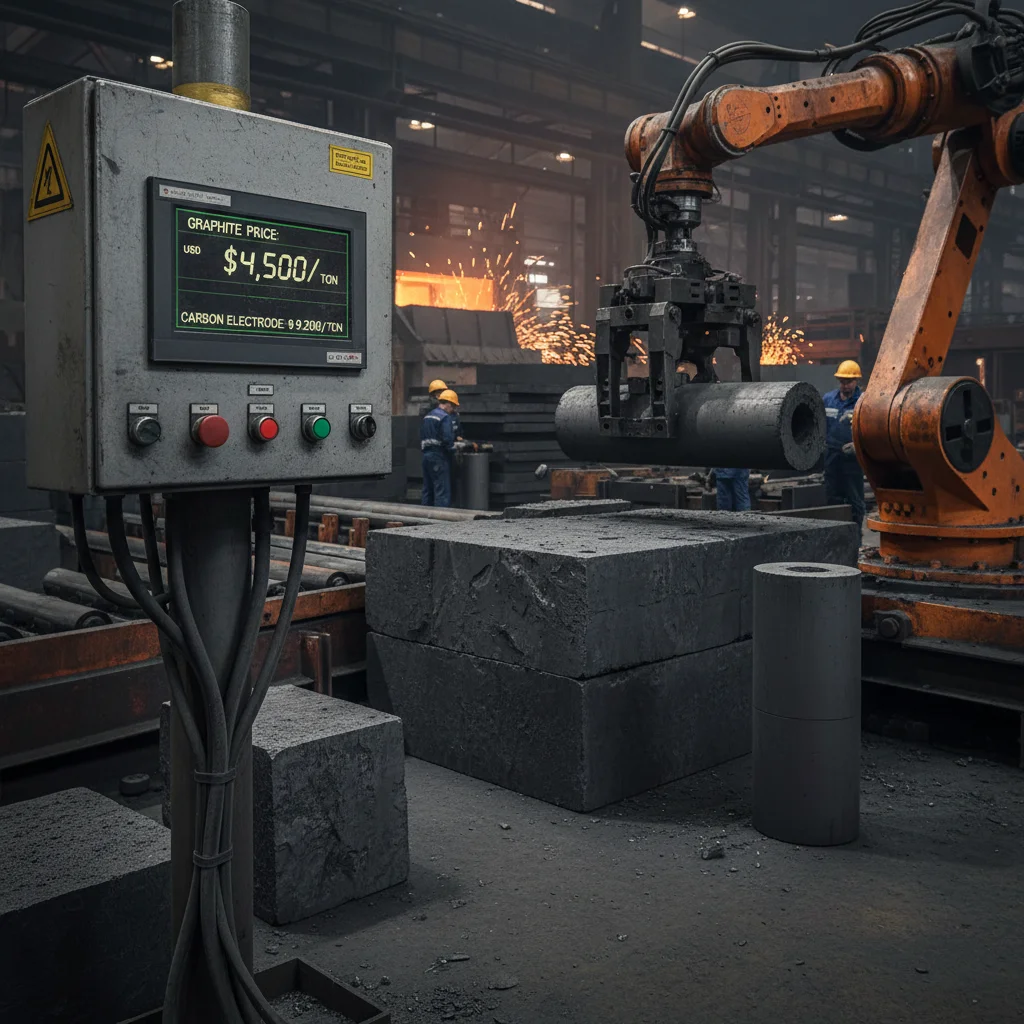
The future of carbon materials is leaning heavily toward automation and AI-driven quality control. Modern pyrolysis plants are now integrating automated temperature control systems to ensure that the carbonization range stays strictly between 500°C and 700°C. This eliminates human error and ensures that every batch of semi-coke has a consistent fixed carbon ratio.
Digital transformation is also touching the supply chain. With AI-driven demand forecasting and real-time inventory monitoring, the delivery of bulk industrial electrodes and graphite powder is becoming more seamless. This ensures that critical safety components, such as a graphite rupture disc, can be replaced and maintained without downtime.
As the world moves toward green energy, the use of biomass-derived semi-coke is gaining traction. By replacing traditional coal with sustainable biomass, the industry can produce the same high-performance carbon materials while significantly reducing its carbon footprint, aligning metallurgical needs with global sustainability goals.
Analysis of Semi-Coke Performance Dimensions for Carbon Components
| Material Metric | Raw Coal Baseline | Semi-Coke Standard | Impact on Component |
|---|
| Fixed Carbon | Low/Medium | 60% - 85% | Increases Structural Strength |
| Volatility | High (Smoky) | 10% - 25% | Stable Combustion/No Voids |
| Reactivity | Standard | Enhanced (Porous) | Faster Reduction Rates |
| Impurity (S/P) | Variable/High | Ultra-Low | Prevents Component Fatigue |
| Calorific Value | Moderate | 25 - 30 MJ/kg | Efficient Thermal Energy |
| Purity Level | Baseline | Optimized | Higher Metallurgical Output |
FAQS
Semi-coke is produced via low-temperature carbonization (500–700°C), allowing it to retain more volatile matter than metallurgical coke while offering significantly higher chemical activity. This unique porous structure makes it an ideal reducing agent and a superior precursor for specialized carbon products like a graphite rupture disc, where reactivity and specific purity are more critical than structural rigidity alone.
Due to its high fixed carbon (up to 85%) and ultra-low phosphorus and sulfur content, semi-coke acts as a highly efficient reducing agent in electric arc furnaces. It extracts metals from their ores more effectively than raw coal, resulting in a higher purity final product and reducing the amount of slag generated during the smelting process.
Yes, semi-coke is an excellent industrial fuel. With a calorific value of 25–30 MJ/kg and low volatility, it provides a stable, low-smoke heat source. This makes it ideal for industrial heating processes where consistent temperature and minimal environmental emissions are required, unlike raw coal which produces significant smoke.
The term "blue coal" refers to the distinct metallic blue-black luster exhibited by high-quality semi-coke. This luster is a visual indicator of a successful low-temperature carbonization process, signaling that the volatile matter has been correctly removed and the fixed carbon concentration is high.
The chemical industry (specifically for calcium carbide), the metallurgical industry (producing silicon carbide and ferrosilicon), and high-grade fertilizer manufacturers benefit the most. These industries require the purity and high chemical reactivity that only a processed carbon intermediate can provide.
While custom sizing is available to meet specific furnace requirements, the common industrial standard is 30-60mm. This size is specifically optimized to allow for adequate airflow and structural support within smelting furnaces, ensuring a balanced reaction and preventing the collapse of the material bed.
Conclusion
The integration of high-purity carbon intermediates like semi-coke is fundamental to the reliability of modern industrial safety and production. By controlling the pyrolysis process to maximize fixed carbon and minimize impurities, industries can produce a graphite rupture disc and other critical components that offer unmatched stability and efficiency. The transition from raw materials to engineered carbon not only enhances the quality of metallurgical outputs but also ensures the safety of high-pressure operations.
Looking forward, the synergy between automated production and sustainable biomass carbonization will redefine the non-metallic mineral industry. We suggest that companies prioritize the purity of their carbon supply chain to achieve better ROI and align with global environmental standards. For those seeking to optimize their carbon procurement, we invite you to explore our professional solutions. Visit our website: www.dahcarbon.com