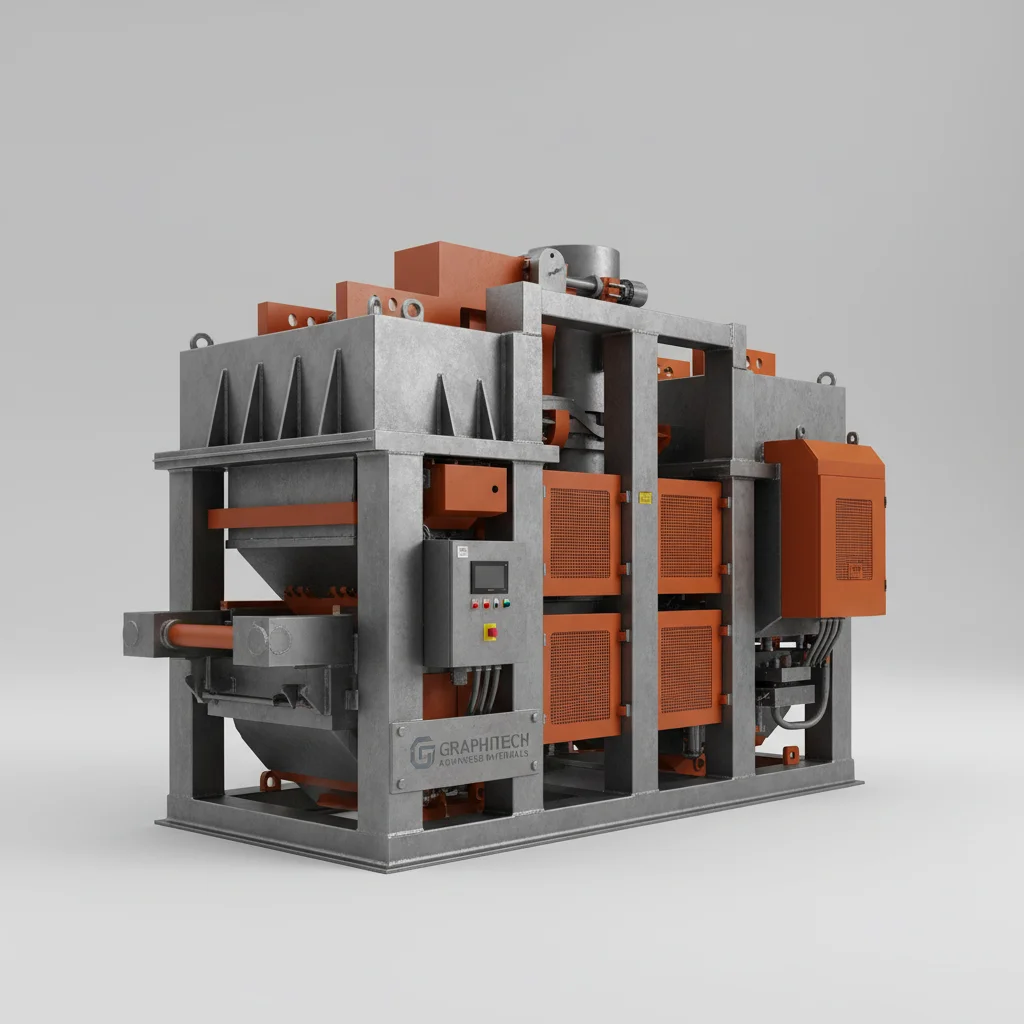
Selecting the right partner among global graphite electrode producers is a critical decision for steelmakers and aluminum smelters where operational uptime depends entirely on the structural integrity of the carbon conductive path. The choice of electrode affects not only the energy consumption of the Electric Arc Furnace (EAF) but also the overall yield and purity of the final metal output.
Industrial procurement in the non-metallic mineral sector has shifted from simple cost-per-ton evaluations to a total-cost-of-ownership (TCO) approach. This transition emphasizes material consistency, thermal shock resistance, and the ability of a producer to maintain a stable supply chain across diverse geographic regions, from the Middle East to Southeast Asia.
Whether sourcing UHP, HP, or RP electrodes, the focus remains on minimizing electrode consumption rates. By understanding the technical nuances of graphitization and raw material purity, industrial buyers can better navigate the complex landscape of high-performance carbon products.

The Technical Role of Graphite Electrodes in Heavy Industry

Graphite electrodes serve as the primary conductive elements in electric arc furnaces, facilitating the conversion of electrical energy into intense heat. The ability of these components to withstand extreme temperatures while maintaining electrical conductivity is what defines the efficiency of the melting process.
The manufacturing process involves complex steps of mixing petroleum coke and coal tar pitch, followed by baking and high-temperature graphitization. This structural transformation creates the perfect crystallization necessary for the material to handle the thermal stresses encountered during the charging and melting cycles of a furnace.
For enterprises like Ding An Heng New Material Technology Co., Ltd, leveraging 20 years of production experience means optimizing these crystallization processes to ensure that electrodes do not suffer from premature fractures or excessive oxidation, which are the primary causes of unplanned downtime in industrial smelting.
Core Performance Indicators for High-Purity Carbon Materials
When evaluating the output of graphite electrode producers, technical experts focus on specific physical and chemical properties that dictate the lifespan of the electrode. High electrical conductivity is paramount to reduce energy loss through heat dissipation within the electrode itself.
Thermal stability and resistance to thermal shock allow the electrode to expand and contract rapidly without cracking. This is particularly vital in furnaces where temperature swings are abrupt. Furthermore, a high degree of purity prevents the introduction of unwanted elements into the melt, ensuring the chemical integrity of the produced steel or aluminum.
Beyond electrodes, complementary products such as graphite powder and recarburizers are judged by their crystallization and self-lubricating properties. These characteristics reduce friction in mechanical components and ensure a uniform carbon distribution during the carburization process in iron casting.
Critical Application Scenarios in Steel and Aluminum Production
In the steelmaking sector, electrodes are utilized in EAFs to melt scrap metal. The environment is characterized by aggressive chemical corrosion and extreme heat. Producers must ensure that the graphite can resist the oxidation caused by the oxygen-rich atmosphere inside the furnace.
For the aluminum industry, the requirements shift toward pre-baked anodes and raw materials like calcined petroleum coke. Here, the stability of the material is key to maintaining a constant current flow during electrolysis, which directly impacts the energy efficiency of the smelting cell.
Iron foundries also rely heavily on recarburizers—such as Graphitized Petroleum Coke (GPC) and Calcined Anthracite Coal (CAC)—to precisely control the carbon content in grey and ductile iron. This precision is essential for manufacturing high-durability auto parts, pipes, and industrial boilers.
Benchmarking Electrode Efficiency and Consumption Metrics
Comparing the performance of different grades of graphite electrodes usually involves analyzing the consumption rate per ton of steel produced. High-performance electrodes exhibit lower erosion rates, which reduces the frequency of electrode replacement and decreases operational costs.
The following data represents a comparative analysis of standard industrial graphite versus premium grade graphite across key performance dimensions. While standard materials meet basic needs, premium materials offer significantly better resistance to the stressors of modern high-power furnaces.
graphite electrode producers Performance Metrics
The chart illustrates that premium graphite products, characterized by perfect crystallization, provide a substantial leap in thermal stability and corrosion resistance. This improvement translates to a more reliable and constant operational life, reducing the risks associated with material variability.
Strategic Procurement Considerations for Industrial Buyers
Procuring graphite electrodes requires more than just comparing prices; it involves a rigorous evaluation of the producer's quality control systems. Buyers should look for laboratories and inspection systems that strictly follow international quality standards to ensure batch-to-batch consistency.
Logistics and supply chain optimization are equally critical. Because electrodes are heavy and fragile, streamlined logistics to regions like the US, UK, and Middle East are essential to prevent delivery delays and material damage during transit.
Technical support is another differentiating factor. A reliable supplier does not just sell a product but helps the user solve practical industrial application problems, such as optimizing the electrode's current density to prolong its lifespan.
Emerging Trends in Carbon Material Innovation and Sustainability
The graphite industry is currently moving toward higher purity and more sustainable production methods. There is an increasing focus on reducing the carbon footprint of the baking and graphitization processes, which are traditionally energy-intensive.
Innovations in artificial graphite and the development of new recarburizer blends are likely to further reduce casting costs in the steel industry. We may see a shift toward more tailored material specifications where producers adjust the particle size and purity based on the specific furnace chemistry of the client.
Digitalization of the supply chain, including real-time shipment monitoring and inventory management, is becoming a standard expectation for global industrial partners to ensure an uninterrupted supply of critical carbon materials.
Comparing Electrode Grades for Optimized Furnace Operation
Choosing between UHP (Ultra High Power), HP (High Power), and RP (Regular Power) electrodes depends on the specific power requirements and the scale of the furnace operation. Each grade offers a different trade-off between performance and cost.
The following table provides a decision-making framework for selecting the appropriate carbon product based on the industrial application and operating environment.
| Product Grade | Primary Application | Operating Condition | Key Performance Driver |
|---|---|---|---|
| UHP Electrode | High-power EAF | Extreme Current Density | Ultra-low Electrical Resistance |
| HP Electrode | Standard Steelmelting | Moderate to High Heat | Balanced Thermal Stability |
| RP Electrode | Small-scale smelting | Low to Moderate Power | Cost-effective Conductivity |
| Graphite Powder | Lubricants/Batteries | High Friction/Chemicals | Perfect Crystallization |
| Recarburizer (GPC) | Iron Casting | Precision Carbon Control | High Fixed Carbon Content |
| Carbon Coke (CPC) | Aluminum Anodes | Electrolytic Environment | Low Ash and Sulfur Content |
By aligning the material grade with the specific thermal and electrical demands of the equipment, operators can significantly extend the operational life of their components and reduce overall waste.
Frequently Asked Questions
Conclusion
The selection of a partner among graphite electrode producers is not merely a purchasing transaction but a strategic alignment of technical capabilities. By focusing on crystallization, thermal stability, and supply chain reliability, industrial operators can ensure their production lines remain efficient and competitive.
For those evaluating the integration of high-purity carbon materials into their industrial processes, comprehensive product specifications and corporate capabilities can be reviewed through www.hbdahcarbon.com to find a solution tailored to specific operational needs.