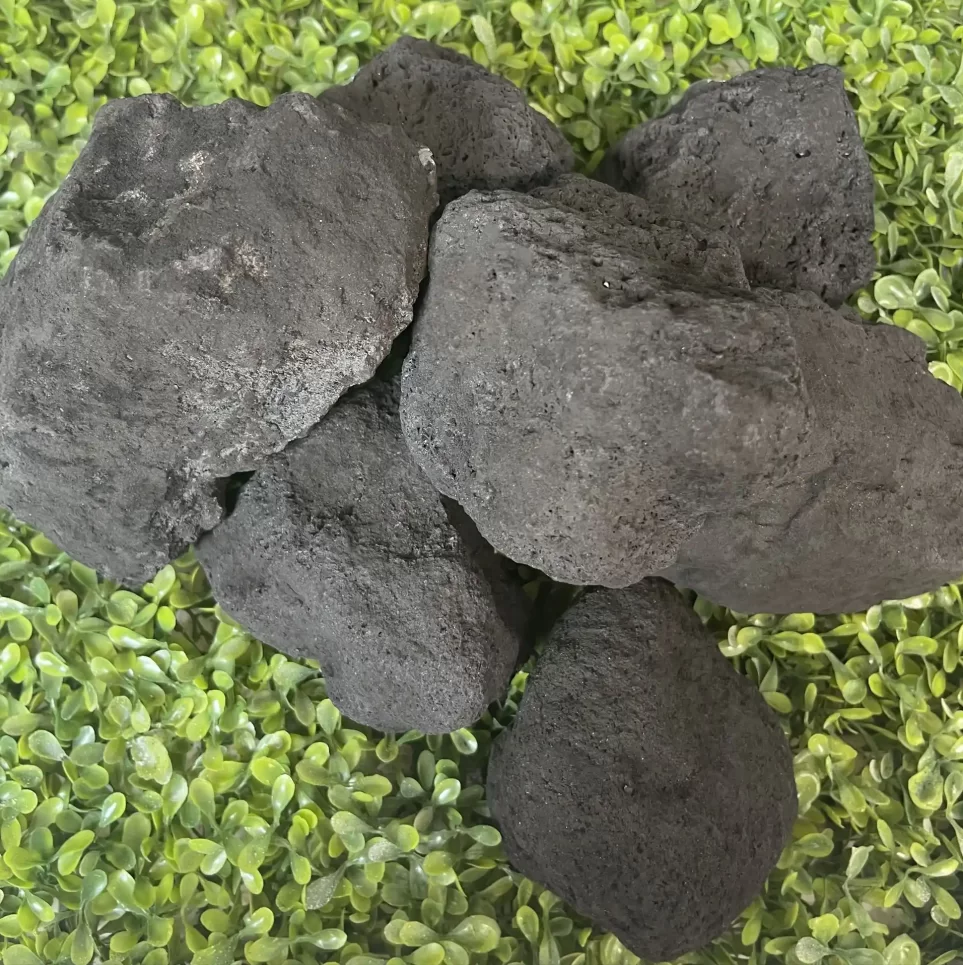
Recarburizer is a material added to molten steel or cast iron to precisely adjust and increase the carbon content, as it is often depleted during the smelting process. Common recarburizers include graphite, graphitized petroleum coke, and calcined anthracite, which are chosen based on their high carbon purity, low sulfur content, and fast absorption rate in the molten metal. Adding a recarburizer helps achieve the desired mechanical properties, such as hardness and strength, in the final steel and iron products and can also reduce production costs by allowing for higher percentages of cheaper scrap steel to be used.
What is Graphitized petroleum coke?
Graphitized petroleum coke (GPC) is a processed form of petroleum coke, a carbon-rich byproduct of oil refining, which has been subjected to extreme high temperatures (over 2500°C) in a non-oxidizing environment to transform its carbon atoms into an ordered, crystalline graphite structure. This process, called graphitization, gives GPC high electrical and thermal conductivity, excellent thermal stability, and chemical resistance, making it a valuable raw material for applications like manufacturing graphite electrodes for steelmaking, acting as a carbon raiser to adjust carbon content in molten metal, and in various other industrial uses.