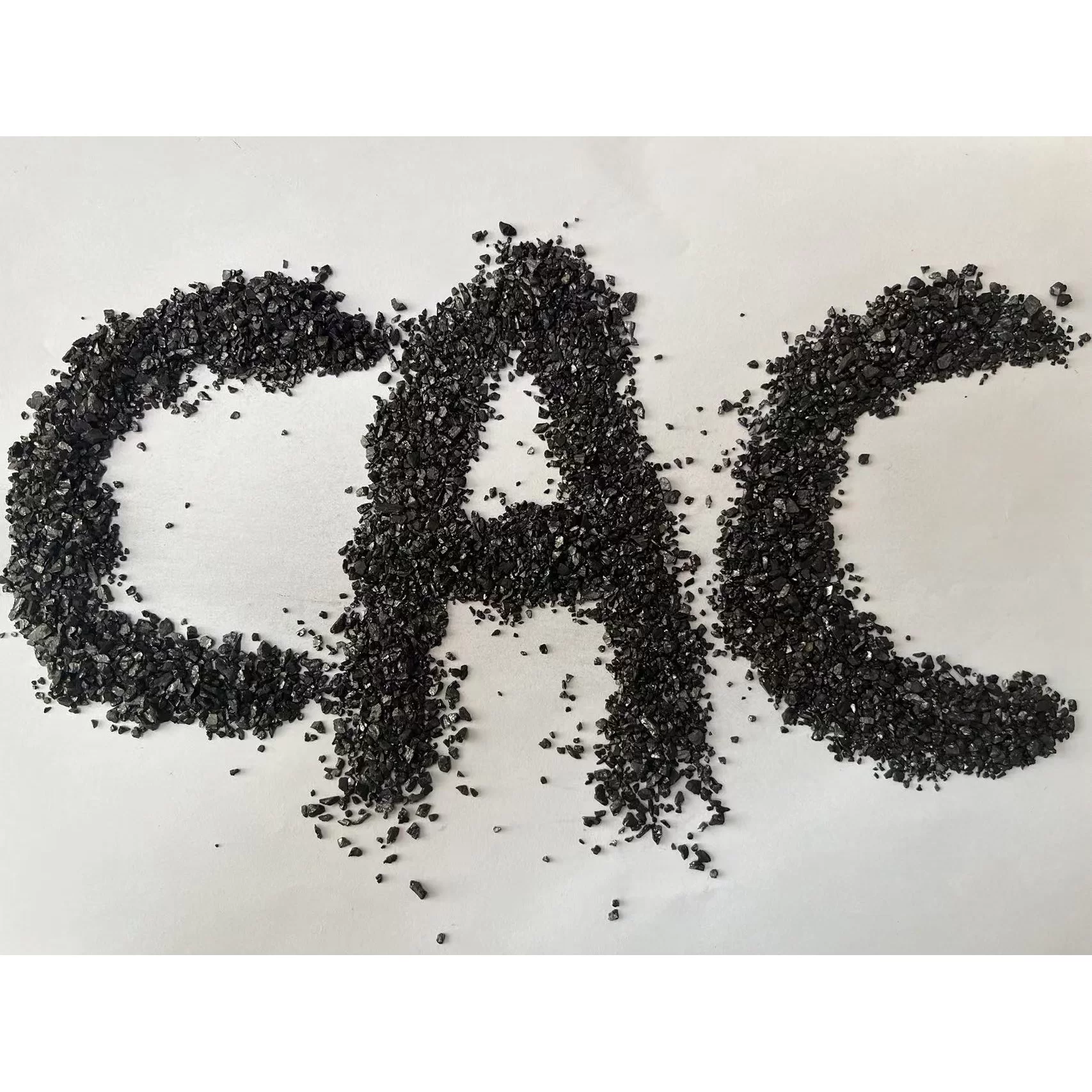
At the heart of modern industrial civilization lies steel, an indispensable material fueling construction, infrastructure, automotive, and countless other sectors. And central to steel production, particularly via the dominant blast furnace route, is metallurgical coke. This highly porous, high-carbon material, derived from heating coal in the absence of oxygen, is far more than just a fuel; it is a multi-functional marvel. It acts as the primary heat source, providing the intense temperatures required for reduction reactions. Crucially, it serves as the reductant, transforming iron ore into molten iron. Furthermore, its robust physical structure provides the necessary permeability for gas flow within the blast furnace, supporting the burden and ensuring efficient operation. Without high-quality metallurgical coke, the intricate alchemy of steelmaking would grind to a halt, underscoring its pivotal role in global manufacturing. Its unique properties—superior strength, low reactivity, and minimal impurities—are meticulously engineered to withstand the extreme conditions inside a blast furnace, ensuring both efficiency and product quality. The global demand for steel, particularly from emerging economies and large-scale infrastructure projects, directly translates into an unwavering need for this foundational industrial commodity, making its consistent supply and quality paramount for industrial stability and growth.

The Unseen Power: Data Driving Demand and Performance Metrics
In today's data-driven industrial landscape, the significance of metallurgical coke extends beyond its physical attributes to the compelling economic and operational data it influences. The global metallurgical coke market is a colossal entity, projected to reach an estimated $160 billion by 2028, expanding at a Compound Annual Growth Rate (CAGR) of approximately 4.5% from 2023. This robust growth is largely propelled by consistent increases in crude steel production worldwide, with forecasts indicating global steel output to exceed 2 billion tonnes annually within the next decade. These figures highlight not just demand, but the critical impact of coke quality on the bottom line. For instance, a mere 1% improvement in the Coke Strength After Reaction (CSR) can translate into a 2-3% reduction in coke rate per tonne of hot metal produced in a blast furnace. Considering that coke typically accounts for 40-50% of the hot metal production cost, such an improvement can lead to millions of dollars in annual savings for a large-scale steel mill. Conversely, a higher Coke Reactivity Index (CRI), indicating faster degradation, can result in increased fines, reduced permeability, and ultimately, a 5-7% increase in fuel consumption and a noticeable drop in furnace productivity. Moreover, a reduction of just 0.1% in sulfur content in metallurgical coke can significantly lower subsequent steel desulfurization costs by up to $2-3 per tonne of steel, directly enhancing profitability and environmental compliance. These quantitative impacts underscore why rigorous control over metallurgical coke specifications is not just a preference but a fundamental economic imperative for steel producers globally, driving innovation in both production and procurement strategies.
Unpacking Superiority: Advanced Technical Advantages in Coke Production
The technical superiority of modern metallurgical coke is the culmination of sophisticated coking processes and stringent quality control. The production process begins with carefully selected coking coals, blended to achieve specific characteristics. These blends are then carbonized in absence of air at temperatures exceeding 1000°C in specialized coke ovens for 16-20 hours, converting the coal into a hardened, porous structure. Key technical advantages manifest in several critical parameters. Firstly, Coke Strength After Reaction (CSR) is paramount, measuring the coke's ability to retain its strength after reacting with CO2 in the blast furnace. High CSR values (typically >65%) ensure the coke maintains its physical integrity, supporting the burden and maintaining gas permeability, which is vital for efficient furnace operation. Secondly, a low Coke Reactivity Index (CRI) (ideally <25%) signifies minimal degradation upon exposure to high temperatures and reducing gases, preventing premature breakdown and the generation of fines that can impede gas flow. Beyond these, modern coke boasts optimized ash content (typically <9.0%) and sulfur content (often <0.6%), which directly impact the quality of the hot metal and reduce the need for expensive post-treatment. Advances in coking technology, such as stamp charging (pre-compacting coal before charging), dense medium separation for coal preparation, and sophisticated heat recovery systems, further enhance these properties. These innovations not only improve coke quality but also contribute to energy efficiency and reduced environmental footprint, making contemporary metallurgical coke a highly engineered material designed for peak performance in the most demanding industrial environments. The consistent size distribution and low volatile matter are also critical, ensuring stable and predictable performance throughout the steelmaking process.
Strategic Partnering: A Comparative Analysis of Leading Metallurgical Coke Manufacturers
Selecting the right metallurgical coke supplier is a strategic decision that profoundly impacts operational efficiency, product quality, and cost-effectiveness for steel producers and foundries. The global market is diverse, featuring a range of manufacturers from integrated steelmakers producing their own coke to independent merchant coke plants, each with distinct capabilities and product specifications. A comparative analysis often reveals variations in their technical prowess, quality consistency, and capacity to meet specific demands. Below is an illustrative comparison of different metallurgical coke types, highlighting key parameters typically considered during procurement. It's crucial for purchasers to align these specifications with their unique blast furnace design, operational parameters, and end-product requirements to optimize performance.
Coke Type / Manufacturer Profile | CSR (%) | CRI (%) | Ash Content (%) | Sulfur Content (%) | Volatile Matter (%) | Typical Capacity (MTPA) |
Premium BF Coke (Integrated Producer) | >68 | <22 | <7.5 | <0.55 | <0.8 | 5.0 - 10.0+ |
Standard BF Coke (Merchant Producer A) | >62 | <28 | <8.8 | <0.70 | <1.2 | 2.0 - 5.0 |
Foundry Coke (Specialty Producer B) | >55 | <32 | <9.5 | <0.65 | <1.0 | 0.5 - 2.0 |
High-Strength BF Coke (Asian Major C) | >65 | <25 | <8.0 | <0.60 | <0.9 | 8.0 - 15.0+ |
This table illustrates that while Premium BF Coke from integrated producers often boasts superior CSR and lower impurities, potentially leading to higher efficiency, Merchant Producer A might offer more competitive pricing for a slightly different specification suitable for various furnace types. Specialty Producer B, on the other hand, focuses on characteristics vital for foundry applications, such as high carbon content and controlled reactivity. High-Strength BF Coke from an Asian major might offer a balance of quality and scale. The decision-making process should involve a thorough assessment of each supplier's consistency, logistical capabilities, and technical support, ensuring that the chosen partner can reliably deliver coke that precisely matches the operational demands and strategic goals of the purchasing entity.
Precision Tailoring: Crafting Bespoke Solutions for Diverse Industrial Needs
Recognizing that industrial operations are rarely "one-size-fits-all," leading metallurgical coke suppliers have moved beyond standardized products to offer highly customized solutions. This bespoke approach ensures that the specific demands of a client's blast furnace, foundry, or ferroalloy production facility are met with absolute precision. Customization often begins with a comprehensive technical consultation, where specialists collaborate with clients to understand their unique process parameters, desired hot metal quality, and existing operational challenges. For instance, a steel mill operating an older, smaller blast furnace might require coke with a slightly smaller average size and higher compressive strength to maintain optimal permeability and minimize breakage, whereas a modern, large-volume furnace might benefit most from extremely high CSR and ultra-low sulfur coke to push productivity limits and reduce desulfurization costs. Foundries, particularly those producing high-precision castings, might prioritize coke with a specific carbon pick-up rate and uniform heat distribution, along with specific volatile matter content to control gas evolution. Customization can involve fine-tuning parameters such as particle size distribution, moisture content, or even specific impurity levels (e.g., phosphorus, alkali content) to mitigate particular operational issues. This involves not only adjusting the coal blend and coking conditions but also potentially implementing advanced post-processing techniques like specialized screening or even washing. The ability to provide such tailored metallurgical coke solutions reflects a deep understanding of customer processes and a commitment to optimizing their performance, leading to measurable improvements in efficiency, reduced downtime, and enhanced product quality, ultimately translating into a significant competitive advantage for the end-user.
Real-World Impact: Illustrative Application Cases and Success Stories
The theoretical advantages of high-quality metallurgical coke translate into tangible benefits in diverse industrial applications. These real-world cases demonstrate how optimized coke can drive significant improvements in efficiency, cost reduction, and product quality across the steelmaking and foundry sectors.
· Case Study 1: Large Integrated Steel Mill (Europe)
A major European steel producer, operating multiple blast furnaces, faced challenges with inconsistent hot metal quality and high coke rates due to variable coke supplies. After engaging with a specialized supplier offering high-CSR (>68%) and ultra-low CRI (<22%) metallurgical coke, the mill implemented a phased switch. Within six months, their average coke rate per tonne of hot metal decreased by an impressive 4.8%, translating to annual savings exceeding €15 million. Furthermore, blast furnace productivity saw an average increase of 2.5%, and the consistency of hot metal chemistry improved, leading to a 15% reduction in the need for secondary desulfurization treatments, directly cutting operational costs and environmental impact.
· Case Study 2: Automotive Parts Foundry (North America)
A North American foundry specializing in high-tolerance automotive components struggled with casting defects, primarily porosity and chilling, often attributed to inconsistent carbon pickup and temperature control in their cupola furnaces. Collaborating with a metallurgical coke provider for a customized foundry coke, which featured a tighter size distribution, lower ash content (<8.0%), and a specific carbon solubility profile, yielded significant results. Over a year, the foundry reported a 12% reduction in casting rejects, leading to substantial material and reprocessing cost savings. Moreover, the improved thermal stability provided by the customized coke allowed for better control over melt superheat, enhancing fluidity and improving the overall metallurgical structure of their castings.
· Case Study 3: Ferroalloy Producer (Asia)
An Asian producer of ferrochrome, a critical alloy for stainless steel, required a reducing agent with specific electrical resistivity and high mechanical strength for their submerged arc furnaces. Traditional coke supplies often caused issues with electrode consumption and furnace stability. A tailored metallurgical coke solution was developed, focusing on optimized porosity and a uniform carbon matrix. This led to a 9% decrease in specific electrical energy consumption per tonne of ferrochrome produced and a remarkable 7% extension in electrode lifespan. The enhanced stability of the furnace operation also reduced maintenance downtime by 6% annually, demonstrating the profound impact of precisely engineered coke on specialized metallurgical processes.
These examples underscore that the right metallurgical coke, often a result of tailored manufacturing and expert consultation, is not just a commodity but a strategic tool capable of unlocking significant operational and financial benefits for industrial end-users.
Shaping Tomorrow: The Evolving Role and Future of Metallurgical Coke
The future landscape of heavy industry is marked by an accelerating drive towards decarbonization and sustainability, trends that are profoundly influencing the trajectory of metallurgical coke. While green steel initiatives explore alternative ironmaking routes like hydrogen-based Direct Reduced Iron (DRI), the reality is that blast furnace technology, and thus the demand for metallurgical coke, will remain dominant for decades to come, especially in developing economies and for specific steel grades. Consequently, the focus for metallurgical coke producers is shifting towards enhancing efficiency, reducing environmental impact, and adapting to evolving industry needs. Innovations include developing technologies for carbon capture, utilization, and storage (CCUS) at coke plants, optimizing oven designs for improved energy efficiency, and exploring alternative raw materials, such as bio-coke or recycled carbon sources, to reduce the reliance on virgin coking coal. Research into producing ultra-low impurity coke for advanced steel grades, as well as optimizing coke properties for hybrid ironmaking processes, is also gaining momentum. The industry is also keenly observing advancements in artificial intelligence and machine learning for predictive quality control and process optimization, ensuring consistency and minimizing waste. Ultimately, while the methods and environmental considerations evolve, the fundamental role of metallurgical coke as an essential building block for a vast array of critical industries remains undisputed. Its continued development, focusing on sustainability and enhanced performance, will ensure its enduring relevance in the transition towards a greener, more efficient industrial future, cementing its legacy as a cornerstone of global manufacturing.
Frequently Asked Questions about Metallurgical Coke
Here are some common questions about metallurgical coke, providing further insight into its properties and applications:
1. What is metallurgical coke and why is it essential for steelmaking?
Metallurgical coke is a high-carbon, porous material produced by heating coking coal in the absence of oxygen. It is essential for steelmaking, particularly in blast furnaces, because it serves as the primary fuel (heat source), the reducing agent (to convert iron ore to iron), and provides structural support (permeability) for the blast furnace burden.
2. How is metallurgical coke produced?
It's produced through a process called carbonization or coking, where prepared blends of coking coals are heated to extremely high temperatures (around 1000-1100°C) in sealed ovens for 16-20 hours. This drives off volatile matter, leaving behind a hard, porous carbon residue.
3. What are the key quality parameters of metallurgical coke?
The most critical quality parameters include Coke Strength After Reaction (CSR), Coke Reactivity Index (CRI), ash content, sulfur content, volatile matter, moisture content, and size distribution. These properties directly impact blast furnace performance and hot metal quality.
4. What is the difference between metallurgical coke and petroleum coke?
Metallurgical coke is derived from coal and is primarily used in blast furnaces for steelmaking. Petroleum coke (petcoke) is a carbonaceous solid material derived from oil refining. While both are carbon-rich, petcoke generally has higher sulfur content and different physical properties, making it unsuitable for blast furnace use but suitable for fuel, electrode production, and other industrial applications.
5. Why are CSR and CRI important in blast furnace operations?
CSR (Coke Strength After Reaction) measures the coke's ability to retain strength after reacting with CO2, indicating its resistance to degradation in the furnace. High CSR is crucial for maintaining permeability and supporting the burden. CRI (Coke Reactivity Index) measures how readily coke reacts with CO2. A low CRI is desirable as it indicates lower degradation and fewer fines, ensuring stable furnace operation and efficient gas flow.
6. Can metallurgical coke be customized for specific industrial needs?
Yes, leading suppliers offer customized metallurgical coke solutions. By carefully blending different coals and adjusting coking parameters, they can tailor properties like particle size, strength, reactivity, and impurity levels to meet the specific requirements of a client's blast furnace, foundry cupola, or ferroalloy production process.
7. What are the environmental considerations in metallurgical coke production?
Metallurgical coke production has significant environmental considerations, including emissions of greenhouse gases (CO2, methane), particulate matter, and various air pollutants (SOx, NOx). Modern facilities employ advanced technologies for emission control, wastewater treatment, and heat recovery to minimize their environmental footprint and comply with stringent regulations, with ongoing research into carbon capture and cleaner production methods.