The Ultimate Guide to Calcined Petroleum Coke Breeze
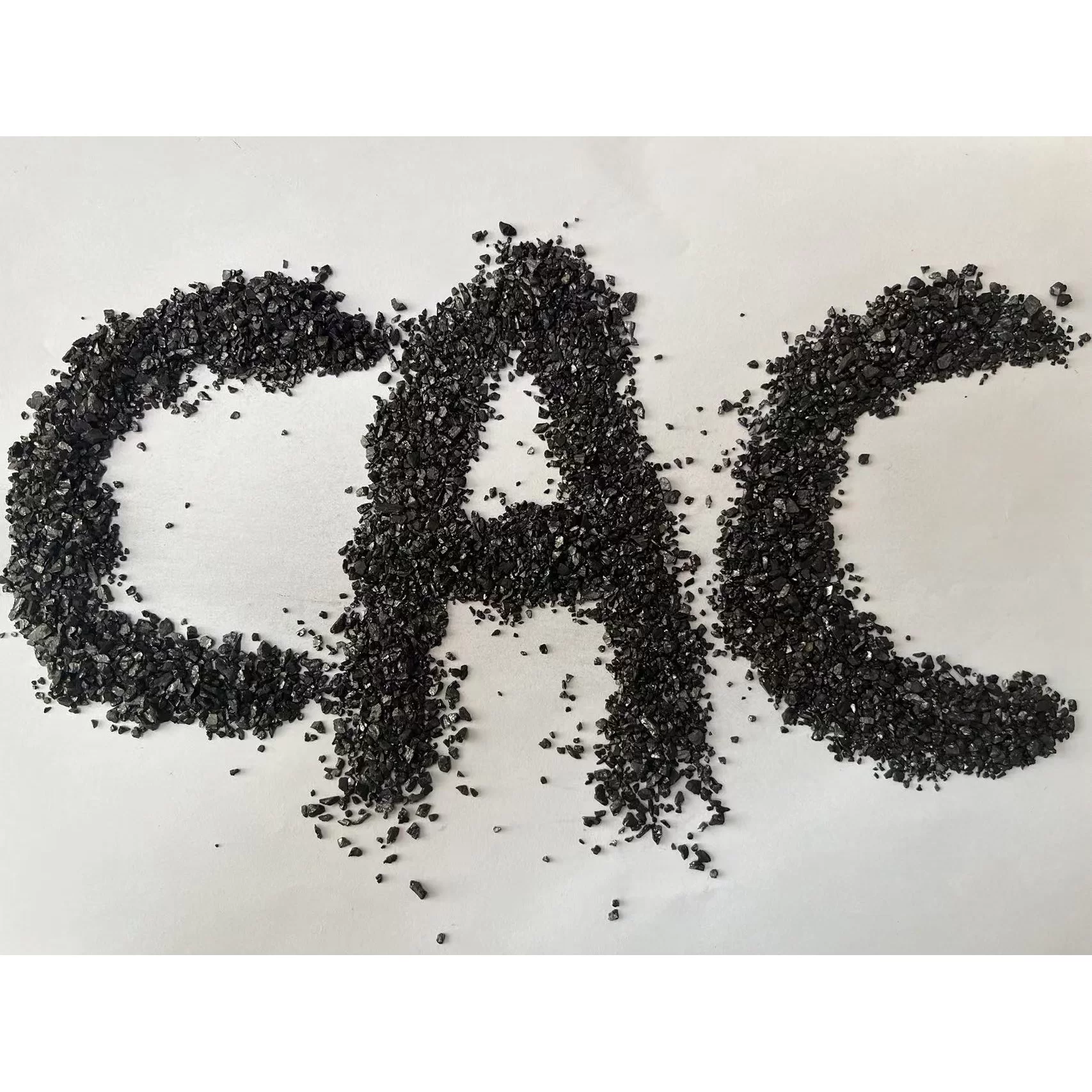
In the realm of industrial carbon materials, calcined petroleum coke breeze serves as a critical component for numerous high-temperature applications. Often referred to as "breeze" due to its smaller particle size resulting from the crushing of larger calcined coke, this material is prized for its high carbon content and exceptional thermal stability. Whether used in electrode production or as a specialized fuel source, understanding its properties is essential for optimizing industrial efficiency. In this comprehensive guide, we will explore the technical specifications, production processes, and diverse applications that make this material indispensable in modern metallurgy and chemical processing.

What is Calcined Petroleum Coke Breeze?
To understand calcined petroleum coke breeze, one must first understand the calcination process. Petroleum coke is a byproduct of the oil refining process. When "green" coke is heated to temperatures typically between 1,200°C and 1,500°C in the absence of air, volatile organic compounds are removed, leaving behind a nearly pure carbon structure. The "breeze" refers to the fine-grained fraction of this material. This process not only increases the carbon purity but also enhances the electrical conductivity and mechanical strength of the material, making it suitable for demanding industrial environments where stability is non-negotiable.
Pro Tip: The quality of the breeze is largely determined by the consistency of the calcination temperature; uneven heating can lead to variances in carbon density and electrical resistance.
Key Industrial Applications of Calcined Petroleum Coke Breeze
The versatility of calcined petroleum coke breeze allows it to be used across several heavy industries. In the aluminum industry, it is a vital raw material for the production of carbon anodes. In the steel industry, it serves as a high-quality recarburizer, helping to precisely control the carbon content in alloys. Additionally, its high caloric value and low impurity levels make it an excellent choice for specialized smelting processes. Because it is already calcined, it eliminates the need for further pre-treatment, reducing energy costs for the end-user.
Primary Use Cases:
• Anode Production: Used as a binder or filler in carbon blocks.
• Steelmaking: Acts as a recarburizer to improve steel hardness.
• Refractories: Enhances the thermal shock resistance of furnace linings.
• Chemical Processing: Used as a reducing agent in various chemical reactions.
Technical Specifications of Calcined Petroleum Coke Breeze
When sourcing calcined petroleum coke breeze, procurement managers focus on specific physical and chemical parameters. The sulfur content is perhaps the most critical metric, as high sulfur can contaminate final metal products. Furthermore, the grain size distribution (mesh size) determines how the material blends with other ingredients in a mix. High-quality breeze should exhibit a consistent carbon percentage, typically exceeding 99%, ensuring maximum efficiency during combustion or smelting.
Comparing Calcined Coke Breeze vs. Green Coke Breeze
A common question among industrial buyers is whether they can use raw (green) coke instead of calcined petroleum coke breeze. The difference is profound. Green coke contains significant amounts of volatile matter, which can lead to gas evolution, porosity, and structural instability when heated in a furnace. Calcined breeze, having already undergone thermal treatment, provides a stable, dense, and highly conductive material. While green coke is cheaper, the secondary costs of processing and the risk of product defects usually make the calcined version a more economical long-term choice.

Quality Control and Sourcing Strategies
When procuring calcined petroleum coke breeze, consistency is key. Variations in the batch can lead to fluctuations in the final product quality of electrodes or alloys. Professional sourcing involves verifying the calcination temperature and ensuring the material is stored in dry conditions to prevent moisture absorption. Partnering with a supplier that provides detailed Certificates of Analysis (COA) for every shipment ensures that the chemical composition aligns with your specific production requirements.
Environmental Impact and Sustainable Usage
As the global industrial landscape shifts toward sustainability, the production of calcined petroleum coke breeze is also evolving. Modern calcination plants are implementing advanced emission control systems to capture volatiles and reduce the carbon footprint of the heating process. Furthermore, the use of high-purity breeze allows for more efficient combustion and smelting, which indirectly reduces the total energy consumption and waste produced in metallurgy. Choosing suppliers who prioritize environmental compliance is not just a matter of ethics, but also a strategy to mitigate regulatory risks.
Conclusion: Optimizing Production with Calcined Coke
The role of calcined petroleum coke breeze in modern industry cannot be overstated. Its superior carbon purity, thermal stability, and electrical properties make it a cornerstone for aluminum and steel production. By selecting a high-grade material and understanding its technical nuances, companies can achieve higher efficiency, better product quality, and reduced operational waste. For those seeking a reliable supply of premium carbon materials, investing in high-specification calcined breeze is the smartest path toward industrial excellence.
Frequently Asked Questions (FAQs)
What is the difference between petroleum coke breeze and calcined coke breeze?
The primary difference lies in the thermal treatment. Petroleum coke breeze is the raw, "green" material directly from the refinery. It contains volatile components that can cause instability during high-temperature use. Calcined coke breeze has been heated in a kiln to remove these volatiles, resulting in a more stable, pure carbon product with higher electrical conductivity and density. For precision industrial applications, calcined breeze is always preferred to ensure product consistency.
How does sulfur content affect the quality of the coke breeze?
Sulfur is considered an impurity in most carbon applications. In steelmaking, high sulfur can lead to "hot shortness," making the steel brittle and prone to cracking during hot working. In the aluminum industry, sulfur can contaminate the electrolytic cell and reduce the efficiency of the smelting process. Therefore, calcined petroleum coke breeze with low sulfur content is highly valued as it ensures the purity and mechanical integrity of the final metal products.
What is the typical shelf life and storage requirement for this material?
Calcined petroleum coke breeze does not have a strict expiration date, but it is highly susceptible to moisture and contamination. It should be stored in a dry, covered warehouse or in moisture-proof bulk bags. If the material becomes damp, it can lead to clumping and may require re-drying before use in a furnace, which increases energy costs. Proper storage ensures that the low-moisture specifications are maintained, preserving the material's performance characteristics.
Can calcined coke breeze be used as a fuel source?
Yes, it can be used as a fuel source, particularly in industrial boilers and furnaces that require a high-carbon, low-impurity fuel. Because it has a very high heating value and low ash content, it burns cleaner and more efficiently than traditional coal. However, due to its high cost and specialized properties, it is more commonly used as a chemical reducing agent or a structural carbon material rather than a primary energy source.