Understanding Graphite Rock: Why This Mineral Matters for Our Future
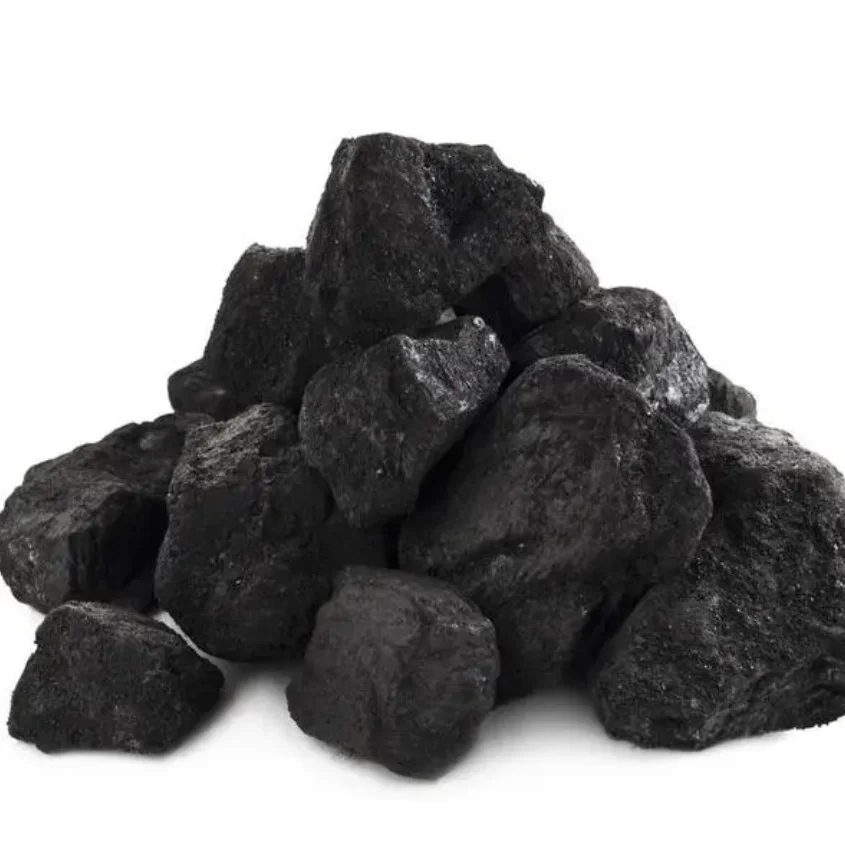
If you’re familiar with industries like battery manufacturing, steelmaking, or even renewable energy tech, you’ve probably heard the term graphite rock tossed around. But what exactly is graphite rock, and why should anyone beyond the specialists care? Simply put, graphite rock is a naturally occurring form of carbon with unique properties that make it indispensable for multiple global industries. From electric vehicle batteries to crucial industrial applications, understanding graphite rock can give insights into the supply chains shaping our near future.
Worldwide demand for graphite is surging — the UN Industrial Development Organization estimates a near tripling in graphite consumption by 2030 due to green energy push and tech innovations (1). Yet with geopolitical unrest and tricky mining logistics, sourcing good-quality graphite rock is a challenge that affects everything from electric cars to the mass production of refractories.
Mini takeaway: Graphite rock isn’t just some boring mineral — it’s key to green tech, modern manufacturing, and even humanitarian advances. Getting familiar with it now is like spotting the building blocks of the next industrial revolution.
The Global Context of Graphite Rock
Graphite rock forms in metamorphic rocks under high temperature and pressure. It’s mined primarily in countries like China, Brazil, Canada, and Madagascar. China still dominates global graphite production, accounting for roughly 70% of supplies (2), which has raised concerns about a critical supply bottleneck for many nations.
Why so critical? The pervasive shift toward electrification and renewable energy means that battery-grade graphite demand is exploding. The International Energy Agency (IEA) estimates an annual graphite surge of over 7% for the next decade, fueled by electric vehicle (EV) batteries and energy storage solutions (3). Graphite rock is the primary raw material for synthetic graphite anodes used in lithium-ion batteries.
But there’s a tension — mining graphite rock involves environmental challenges, and poor-quality ore causes production inefficiencies. Improving extraction and processing, then, is vital for sustainable growth. This mix of strong demand and supply risks makes graphite rock a hot topic at global economic summits and sustainability forums.
Mini takeaway: Graphite rock’s global story is one of soaring demand versus constrained supply, intertwining economic opportunity with pressing environmental and geopolitical challenges.
What Exactly Is Graphite Rock?
At heart, graphite rock is a naturally crystalline form of carbon, where layers of carbon atoms are arranged in tightly bonded hexagonal sheets. This gives graphite unique properties: it’s soft and slippery (think pencil “lead”), an excellent conductor of electricity and heat, and very chemically stable.
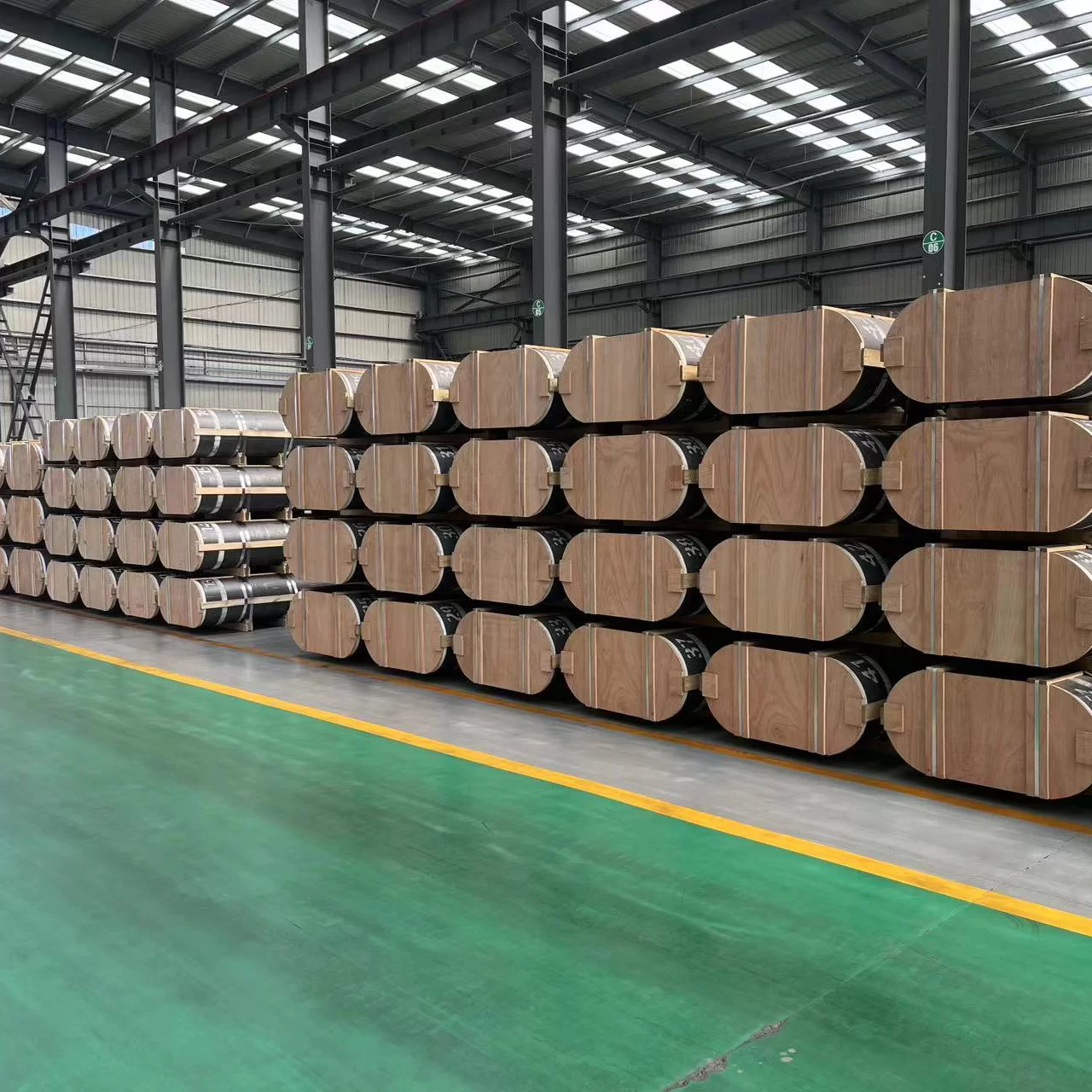
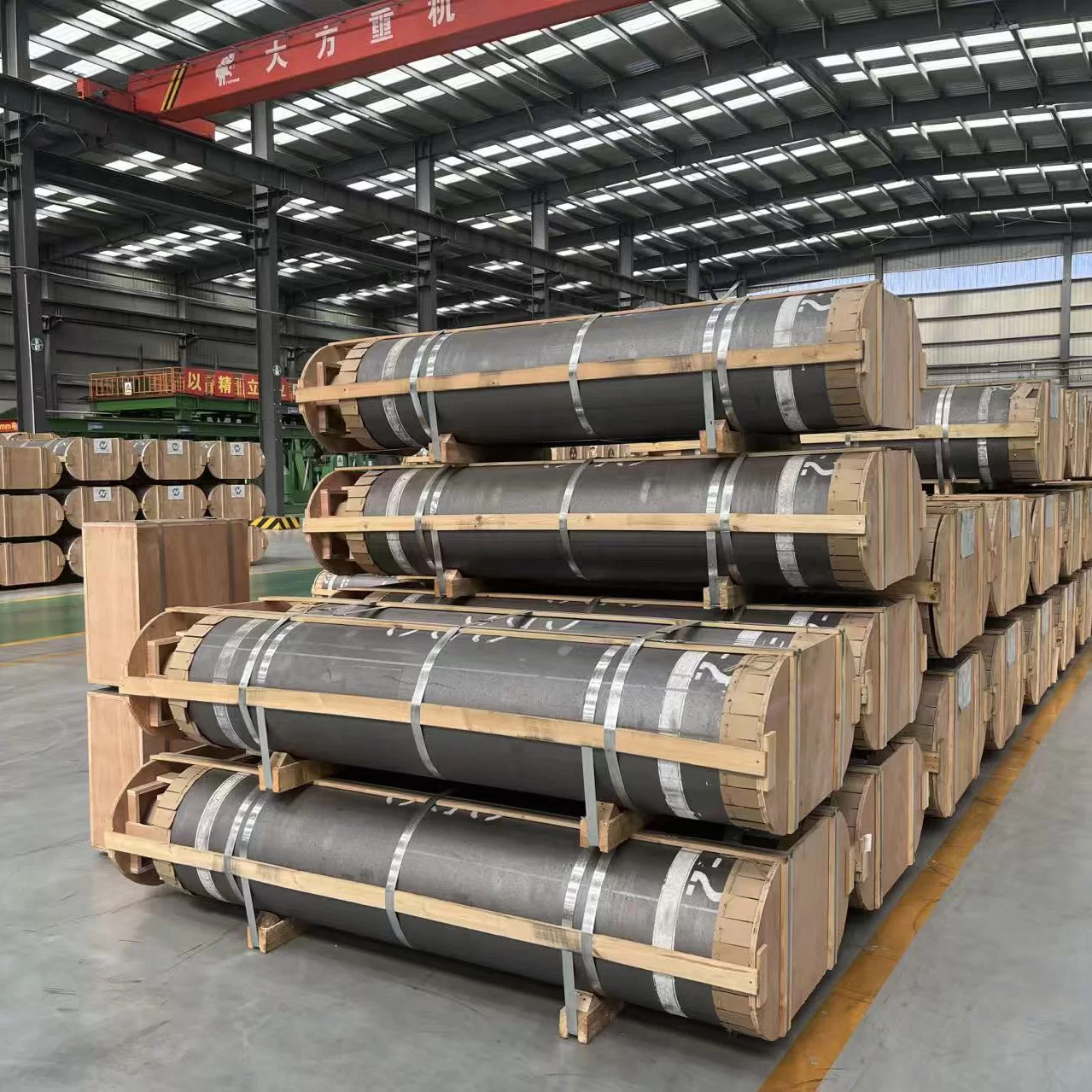
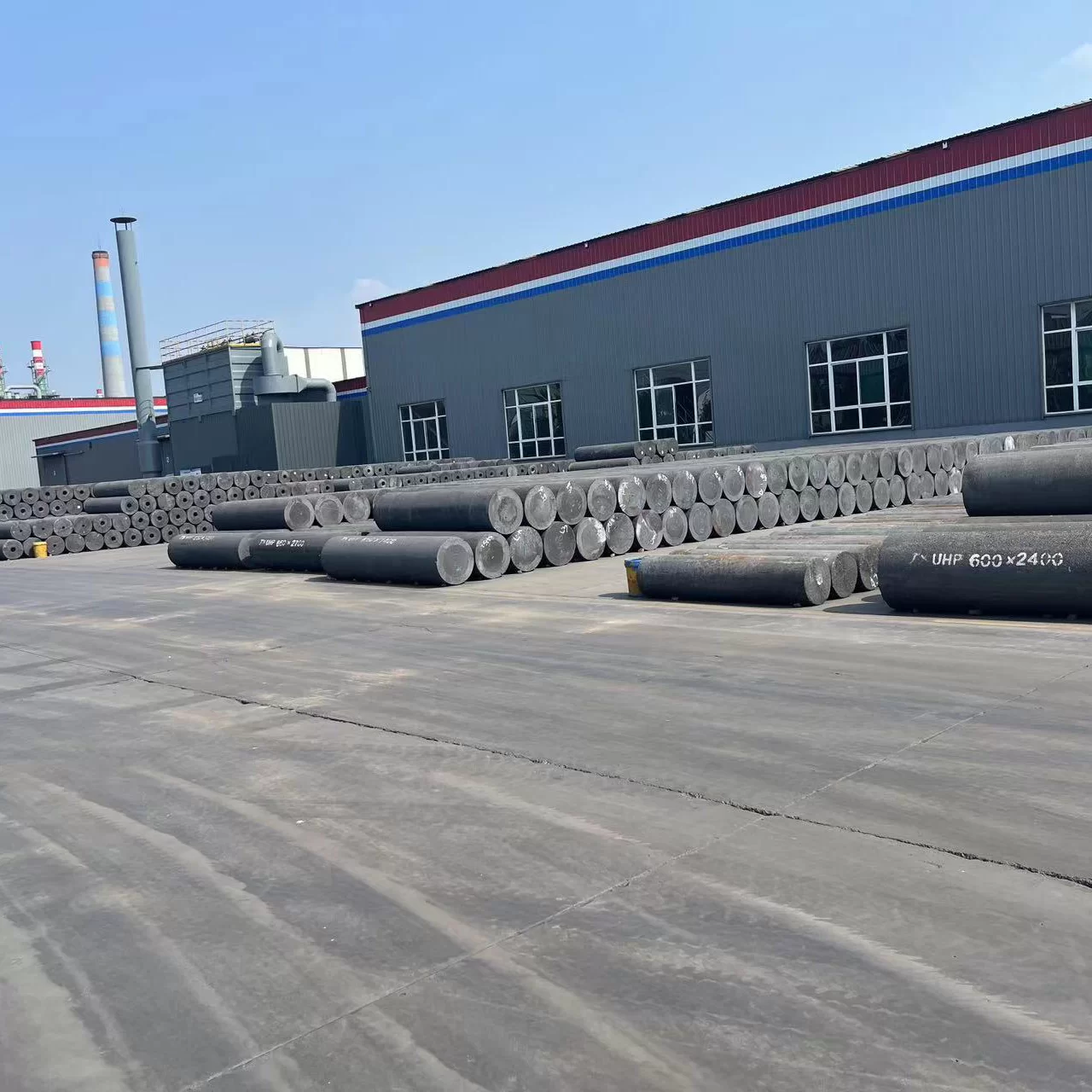
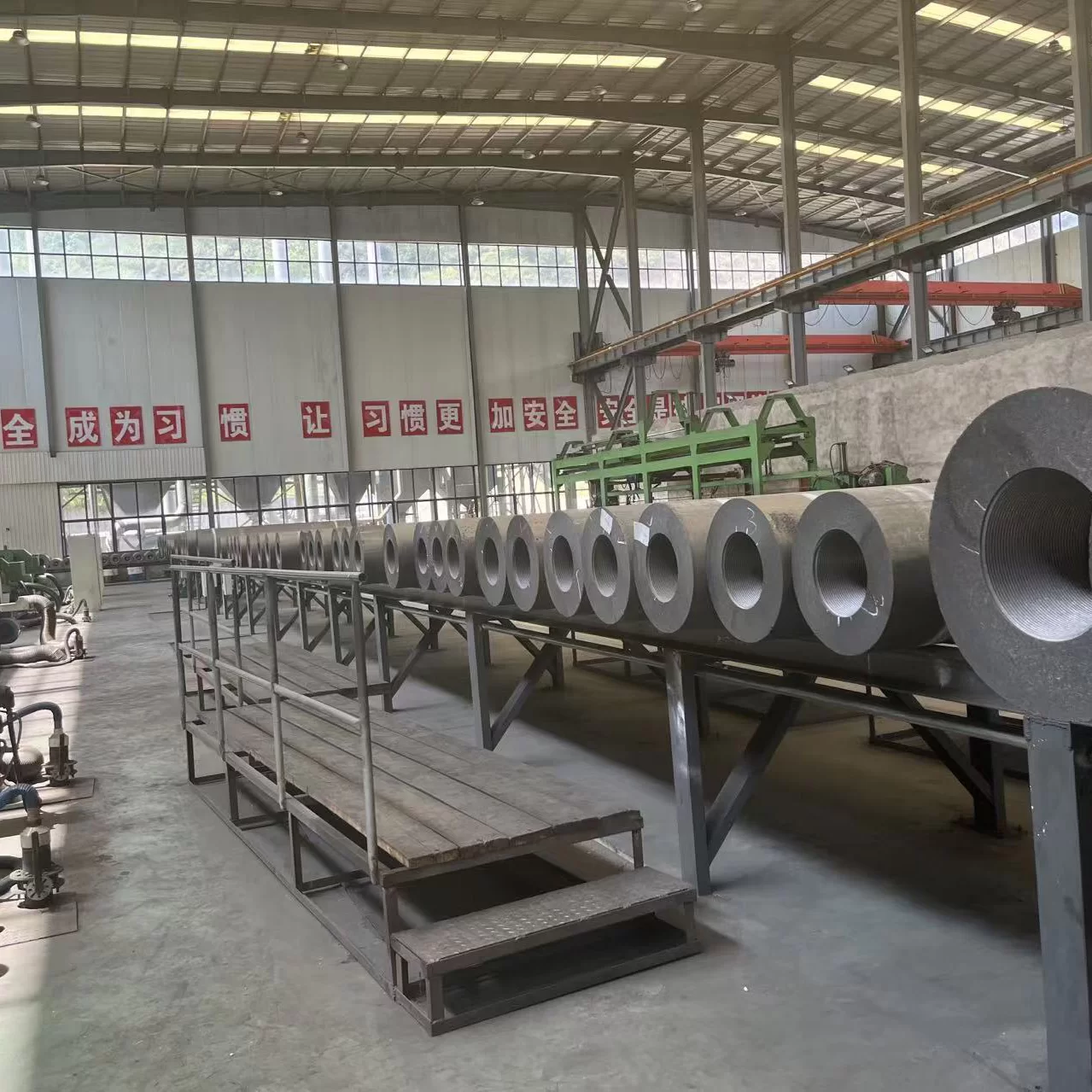
In industrial terms, graphite rock serves as the ore from which synthetic and natural graphite products are derived. For example, it's refined and processed to create high-purity graphite powders essential for batteries and lubricants, or molded into electrodes used in steel and aluminum manufacturing.
So, think of graphite rock as the humble yet powerful raw material behind a surprisingly large chunk of modern technology and industrial processes.
Mini takeaway: Graphite rock is nature’s carbon gift—versatile, conductive, and industrially irreplaceable.
Key Characteristics That Shape Graphite Rock Applications
1. Purity & Carbon Content
Graphite rock’s value hinges on its purity. High carbon content (over 85%) means less processing is needed, making the ore more economical and environmentally friendly to use. Lower-grade graphite requires intensive refining, which can be cost-prohibitive.
2. Flake Size & Structure
The size and texture of graphite flakes affect its end-use. Larger flakes are preferred for expandable graphite and lubricants, whereas smaller flakes suit battery anode materials. The structure influences electrical conductivity and mechanical stability.
3. Thermal & Electrical Conductivity
Graphite’s layered lattice allows it to conduct heat and electricity exceptionally well. This property is fundamental in battery electrodes and heat-resistant components used in aerospace and nuclear reactors.
4. Resistance to Chemicals & Heat
Graphite can withstand corrosive environments and extreme temperatures, making it perfect for refractory linings in steel manufacturing and other harsh industrial settings.
5. Scalability & Availability
Since demand is booming, the availability and ease of mining graphite rock influence how industries plan decades ahead. Scalability can be a bottleneck if deposits are rare or extraction costs escalate.
Mini takeaway: The charm of graphite rock lies in its natural purity and physical traits. These core components define whether it ends up powering a car or reinforcing a furnace.
How Graphite Rock Powers Industries Around the World
It might surprise some, but graphite rock quietly fuels many sectors across continents:
- Energy Storage: Lithium-ion batteries for EVs and consumer electronics depend on purified graphite from rock sources.
- Steel and Foundry: Graphite electrodes, derived from graphite rock, conduct electricity to melt steel at blast furnaces in regions like Japan and South Korea.
- Industrial Lubricants: Large flake graphite is processed to form lubricants critical in manufacturing inside Europe’s automotive industries.
- Heat Management: Aerospace companies in the U.S. use graphite’s thermal resistance in components exposed to extreme heat.
- Emerging Markets: Africa and South America are developing graphite mining for export, offering new economic opportunities.
And interestingly, in remote and disaster-hit places, graphite-based materials sometimes support emergency infrastructure by ensuring robust electrical supply and heat resistance — odd for a rock, but true.
Mini takeaway: Across continents and sectors, graphite rock quietly but critically underpins global industry and innovation.
Graphite Rock Specification Table
| Parameter | Typical Value | Industrial Importance |
|---|---|---|
| Carbon Content (C%) | 85–95% | Higher purity means less refining, cost reduction. |
| Flake Size | Large (300 μm+), Medium (150–300 μm), Fine (below 150 μm) | Determines suitability for lubricants or batteries. |
| Electrical Conductivity (S/m) | ~10^4–10^5 | Critical for electrodes in steel/electronics. |
| Thermal Conductivity (W/mK) | ~80–200 | Useful in heat management applications. |
| Moisture Content | Lower moisture ensures quality mining and transport. |
How Do Major Graphite Rock Suppliers Stack Up?
| Vendor | Main Production Regions | Purity Range (%) | Product Focus | Sustainability Initiatives |
|---|---|---|---|---|
| Dah Carbon Corp. | Madagascar, Mozambique | 90–95 | Battery-grade graphite, natural flake | Renewable energy use in mines, land reclamation |
| Chengdu Graphite Ltd. | China (Sichuan) | 85–92 | Industrial flake graphite, expandable graphite | Waste water recycling, energy efficiency upgrades |
| Kawasaki Mining Group | Brazil, Canada | 88–94 | Graphite powder, electrodes | Biodiversity programs, carbon footprint monitoring |
Advantages & Long-Term Value of Graphite Rock
Here’s where graphite rock truly shines. For manufacturers, it means a reliable, cost-effective source of highly conductive material with excellent heat tolerance. This naturally translates to longer-lasting batteries, more efficient steel production, and durable high-tech components. Cost savings aren’t just about dollars — they include environmental and social returns by reducing material waste and energy usage.
On the emotional side, investing in graphite rock supply chains feels like supporting safer, cleaner technologies. Think electric cars making cities less smoggy or steel plants with fewer emissions. It’s about progress that respects community and planet — a future many want to believe in.
Mini takeaway: Graphite rock is a quiet hero offering tangible industrial benefits and a hopeful symbol of responsible innovation.
What’s Next? Future Trends in Graphite Rock
The innovation landscape around graphite rock is evolving fast. Researchers are exploring eco-friendlier mining, closed-loop recycling of graphite from spent batteries, and creating synthetic alternatives to ease pressure on natural reserves. Digital transformation like AI-enhanced sorting and process automation is starting to optimize quality and reduce waste.
Green energy policies worldwide incentivize graphite mining projects with lower environmental footprints. We could soon see smart graphite mines using drones and sensors to minimize ecological damage. And with the battery market expanding to grid storage and aerospace, the demand pipeline for graphite will only grow.
Mini takeaway: Future graphite rock sourcing and processing will be smarter, cleaner, and more circular — a real testament to technology meeting sustainability.
Overcoming Challenges in Graphite Rock Supply
Mining graphite rock is not without its headaches. Geological variability means inconsistent quality. Environmental concerns about habitat disruption or water use pressure communities. Plus, geopolitical factors sometimes stymie global trade flows.
Experts recommend improving ore beneficiation techniques to maximize yield from lower-grade rock, applying stricter mining environmental standards, and boosting international cooperation to diversify supply. Some companies are investing in local communities to ensure social acceptance and lasting benefits.
In real terms, this means the graphite rock industry is maturing from just extraction to responsible stewardship of a critical resource.
FAQ: Your Questions About Graphite Rock Answered
- Q1: What distinguishes battery-grade graphite rock from industrial-grade?
- A1: Battery-grade graphite rock requires higher carbon purity (typically above 94%) and finer, uniform flake size for efficient anode performance. Industrial-grade often has lower purity and larger flakes designed for refractory materials or lubricants.
- Q2: How sustainable is graphite rock mining today?
- A2: Sustainability varies by region and company. Leading operators implement water recycling, land restoration, and renewable energy use. However, some smaller mines lack robust environmental policies, so certification and vendor transparency are key.
- Q3: Can graphite rock deposits be replenished or replaced?
- A3: Graphite rock is a finite natural resource formed over millions of years, so it cannot be quickly replenished. However, synthetic graphite and recycling technologies are emerging as partial substitutes to reduce pressure on natural deposits.
- Q4: Is the demand for graphite rock expected to continue rising?
- A4: Yes, especially due to electric vehicles, grid-scale energy storage, and advanced materials. The IEA projects demand will roughly triple by 2030 as green tech scales globally.
Wrapping Up: Why Graphite Rock Should Be on Your Radar
All things considered, graphite rock is far more than just a mineral you might brush past while hiking. It’s a cornerstone of modern industry, critical to advancing energy, infrastructure, and technology in a sustainable way. From powering the electric cars changing our roads to reinforcing the steel beams of tomorrow’s cities, graphite rock quietly powers progress.
If you want to explore quality graphite rock suppliers, industry news, or technical details, consider visiting graphite rock specialists like Dah Carbon Corporation — a trusted name blending expertise with responsibility on a global scale.
So, next time you hear “graphite rock,” remember: this unassuming mineral is helping reshape the future in surprising ways.