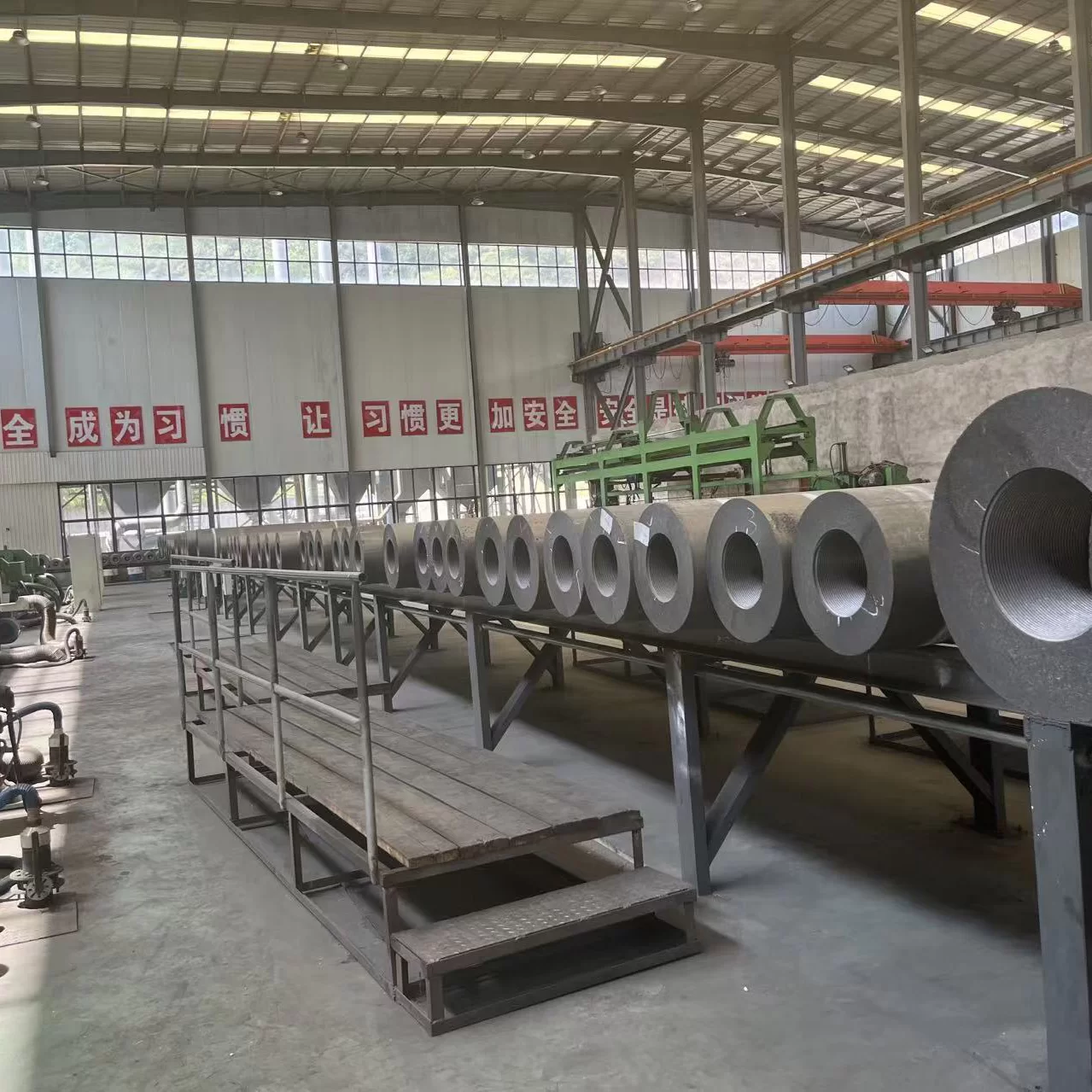
Understanding Graphite Epoxy Composite: Why It Matters in Today’s World
Graphite epoxy composite sounds quite technical — and it is — but its impact is deeply practical and global. In simple terms, this advanced material blends graphite fibers embedded in an epoxy resin, yielding a lightweight, incredibly strong, and durable composite. Why does that matter? Because industries from aerospace to renewable energy rely on such engineered materials to improve product performance, reduce weight, and ultimately enhance sustainability.
The use of graphite epoxy composite goes beyond fancy science labs. Governments, companies, and humanitarian organizations worldwide have tapped into its remarkable qualities to solve big challenges like fuel efficiency, climate resilience, and disaster relief infrastructure. Understanding graphite epoxy composites isn’t just for engineers — it’s a window into how our modern world builds itself better, faster, and greener.
Global Context: Why Graphite Epoxy Composite Has Taken Center Stage
It’s worth stepping back and looking at some numbers. The global composite materials market surpassed $80 billion in 2023, with graphite epoxy composites forming a significant chunk due to their use in carbon fiber-reinforced products, according to recent ISO standards and market reports. As economies push towards net-zero emissions, demand for lightweight, high-strength materials skyrockets, especially in transportation and construction.
Oddly enough, despite all the high-tech application, one of the biggest challenges remains cost-managed production and recycling. Global organizations like the United Nations emphasize sustainable development goals pushing the materials industry toward eco-friendly composites, and graphite epoxy composite technology stands at the crossroads of innovation and responsibility.
What Exactly Is Graphite Epoxy Composite?
At its core, a graphite epoxy composite consists of graphite fibers impregnated within an epoxy resin matrix. Think of the graphite fibers as the muscles — offering strength and stiffness — while the epoxy is the connective tissue that keeps everything bonded and resilient.
This relationship creates a material that’s far stronger per weight than traditional metals, making it crucial in sectors where weight savings translate directly into performance gains — aerospace, automotive parts, and even some medical devices. Moreover, in contexts where longevity and resistance to harsh environments matter — like offshore wind turbines — this composite is quietly making a big difference.
Core Components: What Makes Graphite Epoxy Composite Special?
1. Durability and Strength
Graphite fibers provide tensile strength far exceeding that of steel, while epoxy resin crystals form a tough, chemical-resistant shield. Together, they enable products to last longer under mechanical stress, weathering, and thermal cycles.
2. Lightweight Structure
Many engineers say that the lightness of graphite epoxy composite is perhaps its real “superpower.” For airplanes or electric vehicles, refining every kilogram means better fuel efficiency or longer battery life.
3. Thermal and Chemical Resistance
Unlike many plastics, epoxy resin withstands temperature fluctuations, UV exposure, and corrosive agents well, making these composites useful in demanding environments.
4. Design Flexibility
Because graphite epoxy composites can be molded into complex shapes, designers have far more freedom compared to metal or ceramics.
5. Scalability and Cost Efficiency
While still expensive compared to traditional materials, advances in automated fiber placement and curing techniques are driving costs down and making large-scale production more feasible.
Mini Takeaway: Graphite epoxy composites provide a blend of strength, lightweight design, and durability unmatched by many materials, which explains their fast-growing adoption.
Real-World Applications: From High Skies to Remote Zones
The beauty of graphite epoxy composite is how versatile it is across industries and geographies. Aerospace manufacturers in North America and Europe rely heavily on it for airframes and engine components that endure immense stress but must remain light. Electric car makers use composites to extend driving range without compromise.
Interestingly, humanitarian groups have experimented with graphite epoxy composite in rapid-deployment shelters where lightweight strength aids ease of transport and setup. In harsh environments such as mining operations in Australia or renewable energy setups in Scandinavia, composite materials prove more reliable and sustainable than conventional metals, which suffer corrosion easily.
Product Specification Snapshot
| Property | Typical Range | Unit |
|---|---|---|
| Tensile Strength | 600 – 1500 | MPa |
| Density | 1.5 – 1.6 | g/cm³ |
| Elastic Modulus | 70 – 160 | GPa |
| Thermal Expansion | -0.5 to 0.5 | ×10⁻⁶ /°C |
| Operating Temperature | -60 to 150 | °C |
Advantages and Long-Term Value
- Cost reductions over lifecycle: Fewer repairs, longer product life, and less fuel use make it worth the upfront investment.
- Sustainability: Lightweight composites help reduce carbon emissions in transport and construction.
- Safety and reliability: In aviation or infrastructure, dependable materials mean preserved lives and trust.
- Social impact: Improved technologies can enable humanitarian responders to bring better shelters, vehicles, or equipment where they’re most needed.
It’s quite something to reflect on how a material can touch not just products, but people’s lives and the environment in positive ways.
What’s Next? Future Trends Shaping Graphite Epoxy Composite
The future looks exciting. Innovations like bio-based epoxy resins aim to reduce dependence on petrochemicals. Automated manufacturing methods like robotic fiber placement are scaling up production, making the composites more accessible to mid-sized businesses.
Meanwhile, sustainability assessments and life cycle analysis standards (think ISO 14040) increasingly guide companies to balance performance with environmental responsibilities. The rise of digital twins allows real-time monitoring of composite structures — predicting wear and optimizing maintenance.
Challenges & The Road Ahead
Despite all this promise, challenges remain. Recycling graphite epoxy composite still isn’t easy or widespread. The bonding process requires precise control, or else materials underperform. Scaling mass production without quality loss feels like a juggling act.
Some companies tackle these by investing heavily in research on reusable thermoset alternatives or thermoplastic composites which allow easier recycling. Others push for stricter testing regimes early on — catching flaws before they become costly mistakes.
Vendor Comparison: A Quick Look
| Vendor | Range of Products | Lead Time | Sustainability Initiatives | Customer Support |
|---|---|---|---|---|
| CarbonTech Inc. | Wide (aerospace to automotive) | 4-6 weeks | Active bio-epoxy program | 24/7 technical hotline |
| EpoxyGraph Solutions | Medium (industrial components) | 3-4 weeks | ISO 14001 certified | Regional offices support |
| DahCarbon | Broad (from composites to raw fibers) | 2-3 weeks | Sustainability embedded in supply chain | Personalized account managers |
FAQ: The Burning Questions Around Graphite Epoxy Composite
What makes graphite epoxy composite superior to traditional metal parts?
Its key benefits lie in the strength-to-weight ratio. While metals like steel offer great strength, they add significant weight, increasing energy consumption in vehicles or aircraft. Graphite epoxy composites deliver similar or greater strength but weigh less, reducing fuel use and improving longevity.
Can graphite epoxy composite withstand harsh environmental conditions?
Yes, thanks to the epoxy resin matrix, it exhibits excellent resistance to moisture, chemicals, and temperature swings. This durability explains its popularity in offshore wind turbines and marine applications where corrosion is a major concern.
Is recycling graphite epoxy composite currently feasible?
Recycling remains challenging due to the thermoset nature of epoxy resins, which don’t melt like thermoplastics. However, emerging methods focus on chemical recycling and repurposing waste fibers, signaling progress toward more sustainable lifecycle management.
How do organizations acquire graphite epoxy composite for fast deployment in industrial zones?
Organizations often partner with specialized vendors who understand logistics and certifications needed for international shipping. Companies like DahCarbon facilitate quick lead times and provide technical consultancy to tailor composites to specific urgent needs.
Is the cost of graphite epoxy composite justified in small-scale projects?
While upfront costs are higher than conventional materials, the long-term savings from durability, reduced maintenance, and improved performance often outweigh initial investments, even in small or medium projects.
Wrapping Up: Why Keep an Eye on Graphite Epoxy Composite?
In a way, graphite epoxy composite is quietly reshaping how industries meet the toughest challenges — from climate goals to human resilience. Its unique blend of strength, lightness, and consistency opens doors to innovations that are safer, smarter, and kinder to the planet. If you’re intrigued by cutting-edge solutions that fuse technology with real-world impact, this is definitely a material to watch.
Curious to explore specific products or start integrating composites in your projects? Visit our website: https://www.dahcarbon.com — innovation awaits.
Mini Summary: Graphite epoxy composites offer transformational benefits across sectors, balancing strength, sustainability, and versatility. With evolving technology and growing demand, their role will only deepen.