Understanding Graphite and Granite: Why These Materials Matter More Than You Think
At first glance, graphite and granite might sound like two completely unrelated minerals—one soft and slippery, the other hard and durable. Yet, both have immense significance globally, spanning industries from manufacturing to construction, and even humanitarian efforts. Grasping the differences, applications, and evolving roles of these materials offers great insight into how modern infrastructure, technology, and sustainable development converge in unexpected ways. Whether you’re an industry professional, a curious student, or an eco-conscious engineer, understanding the key properties and global applications of graphite and granite gives you a leg up in appreciating the backbone of much of our built and technological environment.
Graphite, after all, is critical in battery technology driving green energy advancements. Granite, meanwhile, is a staple in building and design, valued for its resilience and natural beauty. Together, they form parts of a fascinating story about natural materials powering innovation and tradition alike.
The Global Context: Charting the Importance of Graphite and Granite
According to United Nations reports, the demand for minerals like graphite is expected to soar dramatically over the next decade due to rising electromobility and renewable energy storage initiatives. Graphite, a key element in lithium-ion batteries, contributes significantly to transforming the energy sector.
Meanwhile, granite remains a favorite in the construction industry worldwide because of its durability and aesthetic appeal. The International Organization for Standardization (ISO) notes that granite exports have remained steady, with growth in developing regions aiming to blend sustainability with architectural heritage preservation.
Yet, both materials face challenges—whether it's sustainable mining practices or adapting their usage to evolving environmental standards. These tensions underscore why studying graphite and granite holistically matters.
Mini Takeaway:
- Graphite is a critical resource in clean energy technologies globally.
- Granite remains essential in durable and sustainable building practices.
- Both face evolving demands linked to environmental and economic trends.
Graphite and Granite: What Are They, Really?
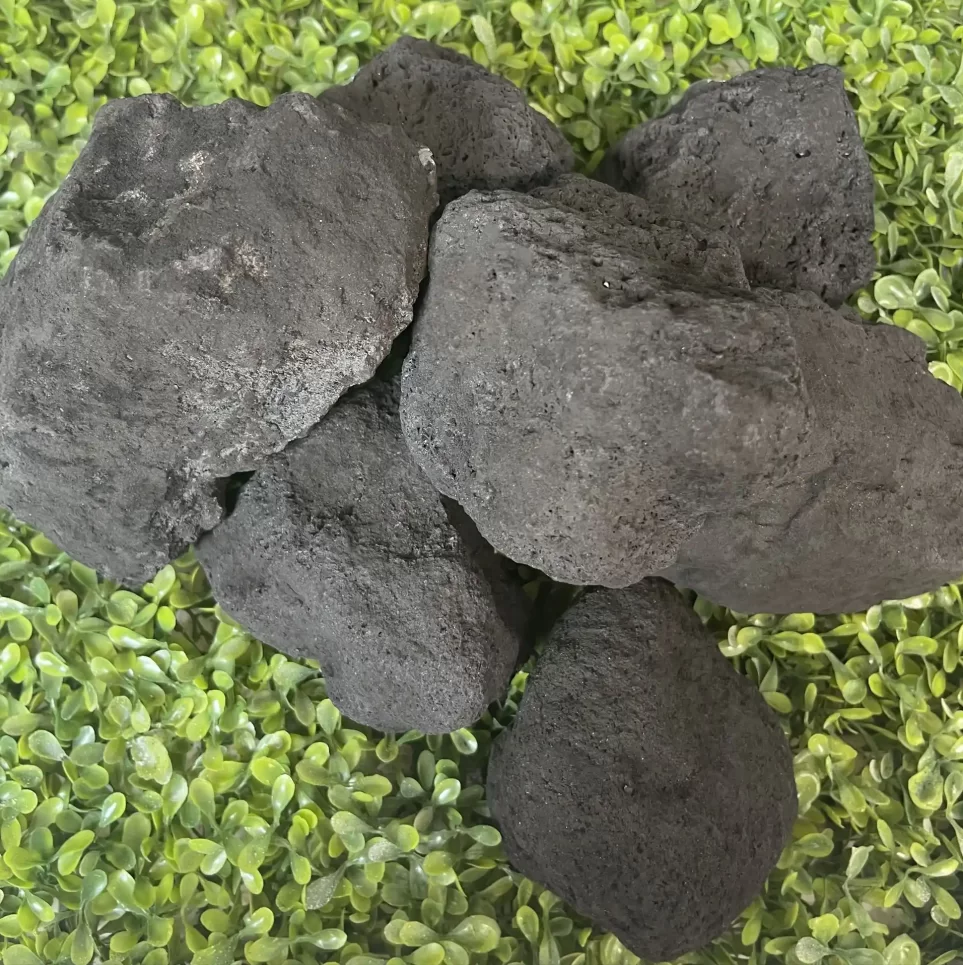
In simple terms, graphite is a crystalline form of carbon—soft, slippery, and an excellent conductor of electricity. It’s naturally layered, allowing its sheets to slide over each other easily. This makes it ideal for uses like pencil “lead,” lubricants, and increasingly, battery anodes. It pops up everywhere in high-tech gadgets and cars that try to ditch fossil fuels.
Granite, on the other hand, is an igneous rock mainly composed of quartz, feldspar, and mica. It’s coarse-grained, very hard, and resistant to weathering, which is why it’s been a go-to material for monuments, countertops, and buildings for centuries. Beyond beauty and toughness, granite’s dense crystalline structure provides excellent thermal stability, a boon for certain industrial uses.
Both materials, oddly enough, connect the modern world to foundational human needs — from shelter and security to energy and progress.
Mini Takeaway:
- Graphite is soft carbon, vital for conductivity and lubrication.
- Granite is a hard igneous rock prized for lasting durability.
- Both respond to deep industrial and societal needs.
Key Factors Influencing Graphite and Granite Utilization
1. Durability and Stability
Granite’s incredible hardness and resistance to wear make it perfect for structural applications demanding longevity. Graphite, though soft, is remarkably resistant to heat and chemicals, which helps in high-temperature environments like furnaces or batteries.
2. Electrical and Thermal Conductivity
Graphite stands out for its excellent electrical and thermal conductivity — traits that granite doesn’t share but which open the door for graphite’s use in cutting-edge electronics and renewable energy storage.
3. Cost-Effectiveness and Availability
Granite deposits are widespread and mining technologies are well established, keeping costs manageable for large-scale projects. High purity graphite, however, is rarer and more expensive, especially for battery-grade materials, sparking investments in synthetic sources.
4. Sustainability and Environmental Impact
Extraction and processing practices influence the carbon footprint of both. Sustainable mining initiatives and recycling efforts are becoming increasingly critical, especially as green policies tighten worldwide.
5. Versatility in Application
Granite fits in everything from kitchens to skyscrapers, while graphite ranges from lubricants to lithium-ion battery electrodes — quite a spectrum. This versatility keeps demand steady even as industries adapt.
Mini Takeaway:
- Durability favors granite for physical structures; conductivity favors graphite for tech.
- Availability and sustainability impact cost and sourcing strategies.
- Versatility drives continued innovation and widespread use.
Real-World Applications Driving Progress
Graphite’s impact is growing fast, especially in Asia-Pacific where electric vehicle (EV) adoption is skyrocketing. China, the world’s largest graphite producer, leads EV battery innovation by integrating natural and synthetic graphite to boost energy density and safety.
Granite finds prime application in urban centers like New York or Dubai, where architects prize it for facades, flooring, and monuments. Meanwhile, in disaster zones—think post-earthquake or storm rebuilding—granite’s resilience supports the construction of shelters and infrastructure that last.
In industrial settings, graphite serves as a critical component in steelmaking, lubricants, and even nuclear reactors due to its heat resistance. Organizations like the World Bank emphasize supporting sustainable mining practices for both materials to foster socio-economic development in mining regions.
| Specification | Graphite | Granite |
|---|---|---|
| Main Composition | Pure Carbon (C) | Quartz, Feldspar, Mica |
| Hardness (Mohs Scale) | ~1-2 (Soft) | 6-7 (Very Hard) |
| Electrical Conductivity | Excellent | Poor |
| Thermal Stability | High | High |
| Common Industrial Use | Battery Anodes, Lubricants, Steel Production | Building, Monuments, Countertops, Flooring |
Mini Takeaway:
- Graphite dominates in energy and heat-intensive industries.
- Granite is king for long-lasting infrastructure and design.
- Both materials support crucial economic sectors worldwide.
Comparing Leading Suppliers: Graphite vs. Granite Vendors
| Feature | Dah Carbon (Graphite) | Global Granite Supply | Other Vendors |
|---|---|---|---|
| Product Range | Natural & Synthetic Graphite | Building-grade Granite Blocks & Slabs | Both Graphite & Granite Products |
| Sustainability Focus | Eco-friendly mining & processing | Reclaimed & Certified Granite | Mixed Commitment Levels |
| Global Reach | Asia, Europe, North America | Europe, Middle East, Americas | Varies by Product Line |
| Customization & Services | Tailored carbon solutions & consulting | Custom stone cutting & finishing | Limited or Standard Options |
Advantages and Long-Term Payoffs of Graphite and Granite
What’s fascinating about these materials is the blend of emotional and practical benefits they offer. Granite's permanence conveys trust and prestige — think timeless buildings or memorials. It’s a rock that tells a story for decades, sometimes centuries. For contractors and architects, that means reliability and a lower total cost of ownership.
Graphite, in contrast, symbolizes innovation and progress. It’s the quiet hero inside every EV battery helping to curb climate change. People who work in energy sectors often express a sense of mission knowing their materials literally power a cleaner future.
The ecology of sourcing these minerals is improving, too, with recycled graphite and responsible quarrying of granite helping to balance commercial needs with environmental stewardship.
Emerging Trends and Innovations You Should Watch
Green energy policies are driving unprecedented investment in graphite mining and synthetic alternatives. Artificial graphite manufacture, for example, is making waves because it can be engineered for battery specs without depleting natural deposits.
On the granite front, digital scanning and CNC machining technologies allow for precise cutting, reducing waste and enabling intricate architectural features that were once impractical.
Frankly, it feels like a quiet revolution is underway. These age-old materials are becoming smarter, greener, and more integrated into digital workflows, hinting at a future where tradition and tech mesh seamlessly.
Challenges and How Experts Are Tackling Them
Mining graphite can be environmentally damaging if not regulated; contamination and habitat disruption are genuine risks. Likewise, granite quarrying traditionally involves high energy consumption and waste. The industry’s answer has been to emphasize certification programs, advance recycling, and innovate processing techniques.
Some companies, like Dah Carbon, lead with eco-friendly extraction and offer advisory services that help clients optimize usage while minimizing footprint.
Yet, supply chain disruptions—like those revealed by recent global events—highlight the need for diversified sourcing and investment in synthetic alternatives or reclaimed materials.
FAQ: Common Questions About Graphite and Granite
- Q: What makes natural graphite preferred over synthetic in batteries?
A: Natural graphite often has superior crystalline structure providing better conductivity and cycling stability, but synthetic graphite is prized for uniformity and environmental control during production. - Q: Can granite be a sustainable building material?
A: Yes, especially when sourced from certified quarries that manage waste and use energy-efficient methods. Recycling granite and repurposing old stone also enhance sustainability. - Q: How long do granite installations typically last in harsh climates?
A: Granite can last several decades to over a century depending on maintenance and environmental exposure, making it ideal for durable facades and infrastructure. - Q: Are there international restrictions on graphite exports?
A: Some countries regulate graphite trade to control supply chain integrity, especially given its importance in battery manufacturing. Importers should work closely with vendors to ensure compliance. - Q: How can organizations ensure ethical sourcing of these materials?
A: Look for suppliers with third-party certifications, transparent supply chains, and sustainability commitments, like those adopting ISO environmental standards.
Conclusion: Getting Ahead with Graphite and Granite
It’s clear that whether you’re fascinated by the slick layers of graphite or the enduring strength of granite, these minerals shape a significant part of modern life. Understanding their properties, applications, and the future of sustainable sourcing means you’re better equipped to make smart, responsible choices—whether you’re specifying materials for a factory, designing an urban landmark, or investing in green tech.
For more detailed insights and trusted supply solutions, including innovative graphite products and premium granite offerings, visit us at Dah Carbon. Don’t just settle for materials — choose partners who combine legacy with innovation, ready for tomorrow.