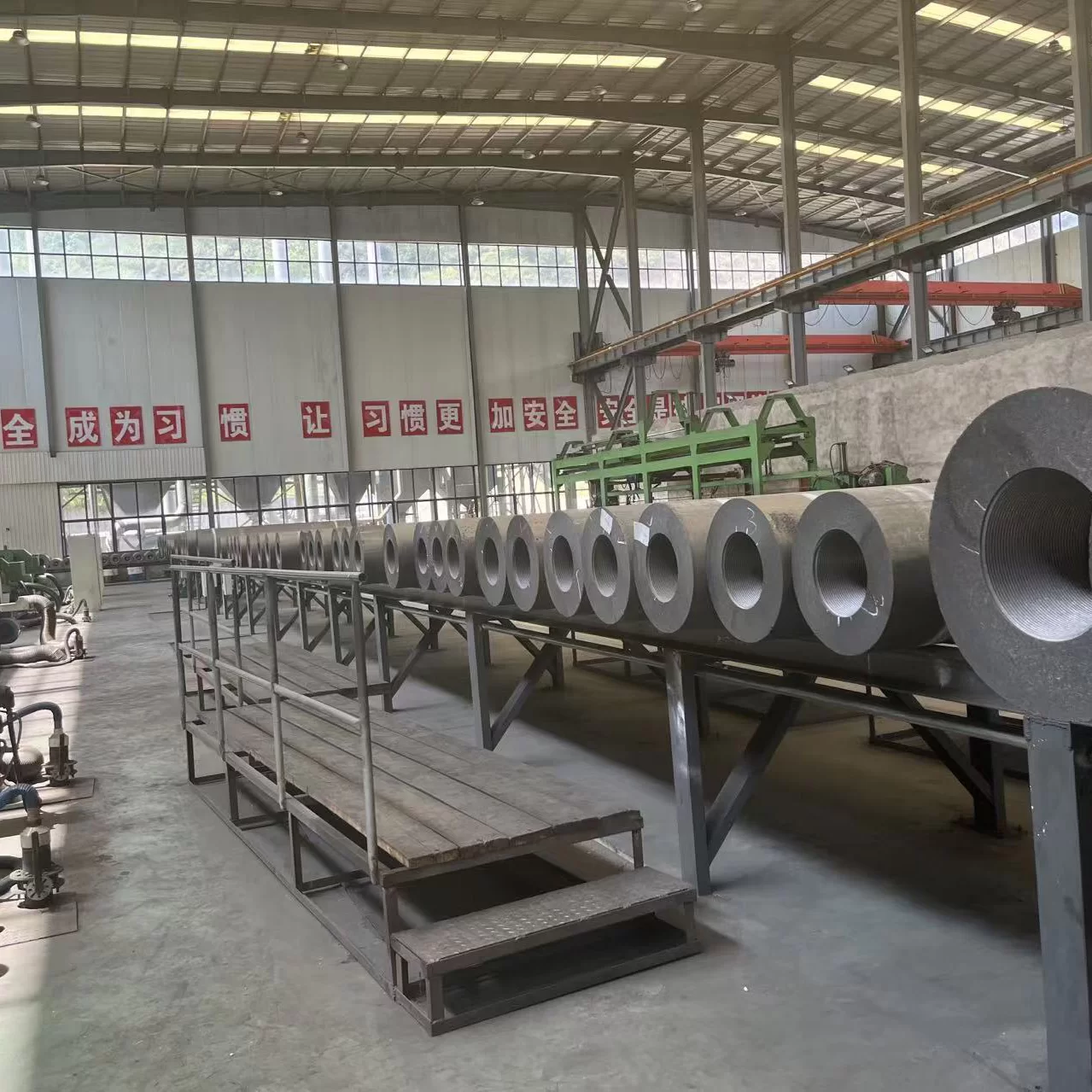
In the vast and intricate machinery of modern industry, certain materials serve as unsung heroes, their silent strength and unique properties underpinning countless critical processes. Among these, the graphite block stands out as a fundamental component, a versatile material whose exceptional attributes make it indispensable across a spectrum of high-demand applications. Far from a mere building material, the graphite block represents a pinnacle of material science, offering a remarkable combination of thermal stability, electrical conductivity, chemical inertness, and mechanical robustness that few other substances can match. Its journey from raw carbon to a precisely engineered industrial element involves sophisticated manufacturing processes that unlock its inherent potential, transforming it into a cornerstone for innovations ranging from the searing heat of metallurgical furnaces to the delicate intricacies of semiconductor fabrication. This deep dive aims to illuminate the multifaceted advantages, diverse applications, and profound impact of this critical material, demonstrating why it continues to be a material of choice for engineers and innovators seeking reliability, efficiency, and performance in the most challenging industrial environments. Understanding the nuances of graphite block technology is not just about appreciating a material; it's about recognizing a foundational element that propels industrial progress and enables technological advancements that shape our world.

The Unseen Force: Driving Global Industries with Graphite Innovation
The strategic importance of advanced graphite materials cannot be overstated, particularly when considering the global industrial landscape. The market for high-purity graphite, which includes the specialized realm of graphite blocks, has experienced a robust expansion, driven by accelerating demands in sectors such as electric vehicles, energy storage, nuclear power, and advanced metallurgy. Recent analyses indicate that the global synthetic graphite market alone is projected to exceed $20 billion by 2028, growing at a compound annual growth rate (CAGR) of approximately 6.5%. This substantial growth is a testament to graphite's foundational role in green technologies and high-tech manufacturing. For instance, the demand from the electric vehicle battery industry alone consumes vast quantities of graphite, with a single EV battery often requiring between 50-100 kg of graphite. Furthermore, the burgeoning semiconductor industry, with its exacting requirements for ultra-pure process environments, relies heavily on graphite components. Over the past five years, investment in graphite production and processing technologies has surged by an estimated 35%, reflecting a concerted effort by manufacturers to meet this escalating demand and refine material properties for ever more demanding applications. This influx of capital and innovation underscores the critical, yet often unseen, economic engine that graphite materials represent, fueling progress across industries and facilitating the transition towards more sustainable and efficient technological paradigms. The continuous push for higher performance and greater efficiency in industrial processes intrinsically links to advancements in graphite material science, positioning graphite blocks as vital enablers of future technological leaps.
Engineered Perfection: Unpacking the Superiority of Advanced Graphite Materials
The remarkable versatility and indispensable nature of graphite blocks stem directly from their unique array of intrinsic properties, meticulously enhanced through sophisticated manufacturing processes. At the heart of its technical superiority lies an unparalleled combination of characteristics that make it suitable for extreme industrial conditions. Firstly, its exceptional thermal conductivity allows for efficient heat dissipation and transfer, making it ideal for heat exchangers, furnace linings, and continuous casting dies where rapid temperature changes are common. Simultaneously, its low coefficient of thermal expansion ensures remarkable thermal shock resistance, preventing cracking or degradation even when subjected to sudden and severe temperature fluctuations. Secondly, graphite boasts excellent electrical conductivity, a property vital for applications such as electrodes in electric arc furnaces, electrolysis processes, and EDM machining, where precise electrical discharge is crucial. This dual capability as a conductor of both heat and electricity, often in very harsh environments, sets it apart. Furthermore, its inherent chemical inertness means it resists corrosion from a wide range of acids, bases, and aggressive chemical compounds, making it a preferred material for chemical processing equipment where durability and purity are paramount. The material also exhibits significant mechanical strength, especially at high temperatures where most metals weaken, maintaining structural integrity under immense loads. Its high purity grades, achieved through rigorous purification processes, are critical for sensitive applications like semiconductor manufacturing, preventing contamination that could compromise product quality. Finally, the machinability of graphite, despite its strength, allows for the creation of complex shapes and tight tolerances, enabling highly customized solutions for specialized industrial demands. These combined attributes solidify graphite's position as a high-performance material, offering a durable, efficient, and reliable solution for the most demanding engineering challenges.
Navigating the Landscape: A Comparative Look at Leading Graphite Block Manufacturers
Selecting the optimal graphite block supplier is a critical decision that profoundly impacts project success, material performance, and operational longevity. The market features a variety of manufacturers, each with distinct strengths in terms of material grades, quality control, and specialization. Evaluating these providers requires a comprehensive understanding of their core capabilities and the specific performance metrics their products deliver. Key factors to consider include the material's purity, density, mechanical strength, thermal properties, and the manufacturer's capacity for customization and technical support. High-purity levels are crucial for applications sensitive to contamination, such as those in the semiconductor or nuclear industries, while superior mechanical properties are paramount for structural components enduring significant stress. Below is a comparative table illustrating typical performance characteristics across various grades and hypothetical leading manufacturers. It’s important to note that these figures represent general ranges and specific product lines from each manufacturer would offer more precise data, often optimized for particular applications. This comparison highlights the importance of matching specific material characteristics to application requirements, rather than adopting a one-size-fits-all approach. For instance, while Manufacturer A might excel in ultra-high purity materials for demanding semiconductor applications, Manufacturer C might offer superior mechanical strength for heavy-duty metallurgical uses, each tailored to distinct industrial needs. Understanding these distinctions is key to making an informed procurement decision that aligns with both performance expectations and budgetary constraints.
Manufacturer/Grade Type | Purity (ppm Ash Max) | Density (g/cm³) | Flexural Strength (MPa) | Thermal Conductivity (W/m·K) @RT | Max Operating Temp (°C) | Key Advantage |
Manufacturer A (Isostatic Ultra-Pure) | <5 | 1.85 - 1.90 | 35 - 50 | 120 - 160 | 2800 (Non-oxidizing) | Ultra-high purity for semiconductor & nuclear |
Manufacturer B (Extruded High-Strength) | <50 | 1.75 - 1.80 | 25 - 40 | 90 - 130 | 2500 (Non-oxidizing) | Excellent mechanical strength for large structures |
Manufacturer C (Molded Fine-Grain) | <20 | 1.80 - 1.85 | 30 - 45 | 100 - 140 | 2600 (Non-oxidizing) | Fine grain, good machinability for complex parts |
Manufacturer D (Carbon-Carbon Composite) | <100 | 1.60 - 1.70 | 150 - 250 | 80 - 110 | 3000+ (Non-oxidizing) | Exceptional strength-to-weight, ultra-high temp |
Precision Tailored: Optimizing Performance Through Bespoke Graphite Solutions
While standard graphite blocks offer a compelling set of properties, many advanced industrial applications demand solutions that are meticulously customized to their unique operational parameters and spatial constraints. The ability to precisely tailor graphite materials, both in form and enhanced function, is a critical factor in achieving peak performance and efficiency. Customization extends far beyond simple dimensioning; it encompasses a nuanced approach to material selection, machining, and post-processing. Manufacturers leverage advanced CNC machining capabilities to transform raw graphite blocks into highly intricate components with exact tolerances, complex geometries, and specialized features such as grooves, holes, and internal passages. This precision machining ensures a perfect fit and optimal functionality within complex assemblies, reducing waste and installation time. Beyond physical shaping, customization involves selecting the appropriate graphite grade – whether isostatic, extruded, or molded – each offering distinct anisotropic properties, grain sizes, and purities best suited for specific stresses or environments. For example, isostatic graphite is prized for its isotropic properties, ensuring uniform performance in all directions, ideal for stress-sensitive applications. Further enhancement can be achieved through various treatments: impregnation with resins, metals, or carbides to improve strength, reduce porosity, or enhance oxidation resistance; and specialized coatings applied to surfaces for increased hardness, wear resistance, or even electrical insulation. These bespoke solutions allow engineers to push the boundaries of design, enabling the creation of components that not only withstand extreme conditions but also actively optimize processes, prolong service life, and contribute to significant operational savings. The collaborative process between the client and manufacturer in defining these bespoke requirements is paramount, ensuring that the final graphite solution is perfectly aligned with the application’s most demanding needs.
From Furnaces to Fuel Cells: Real-World Applications Powering Industry
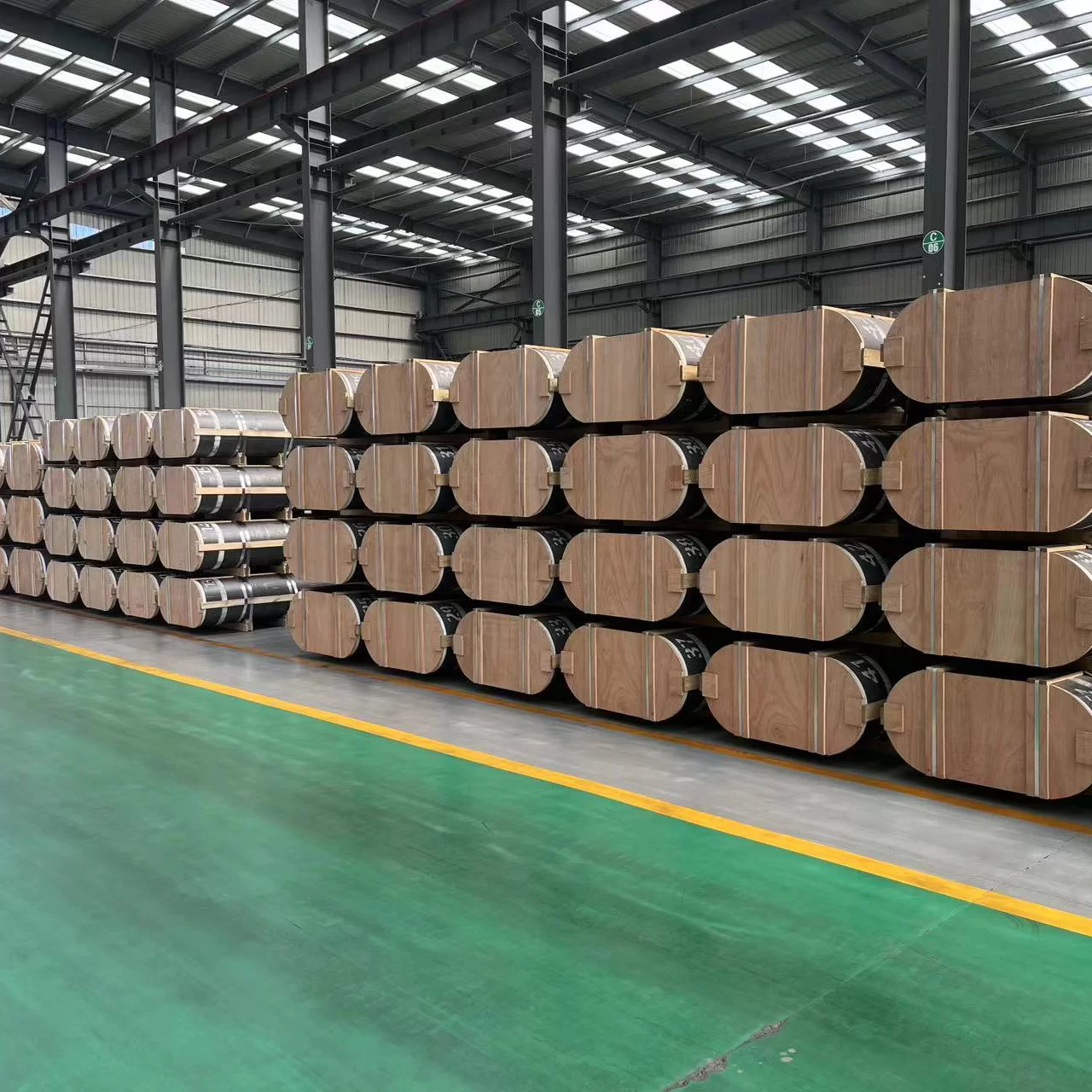
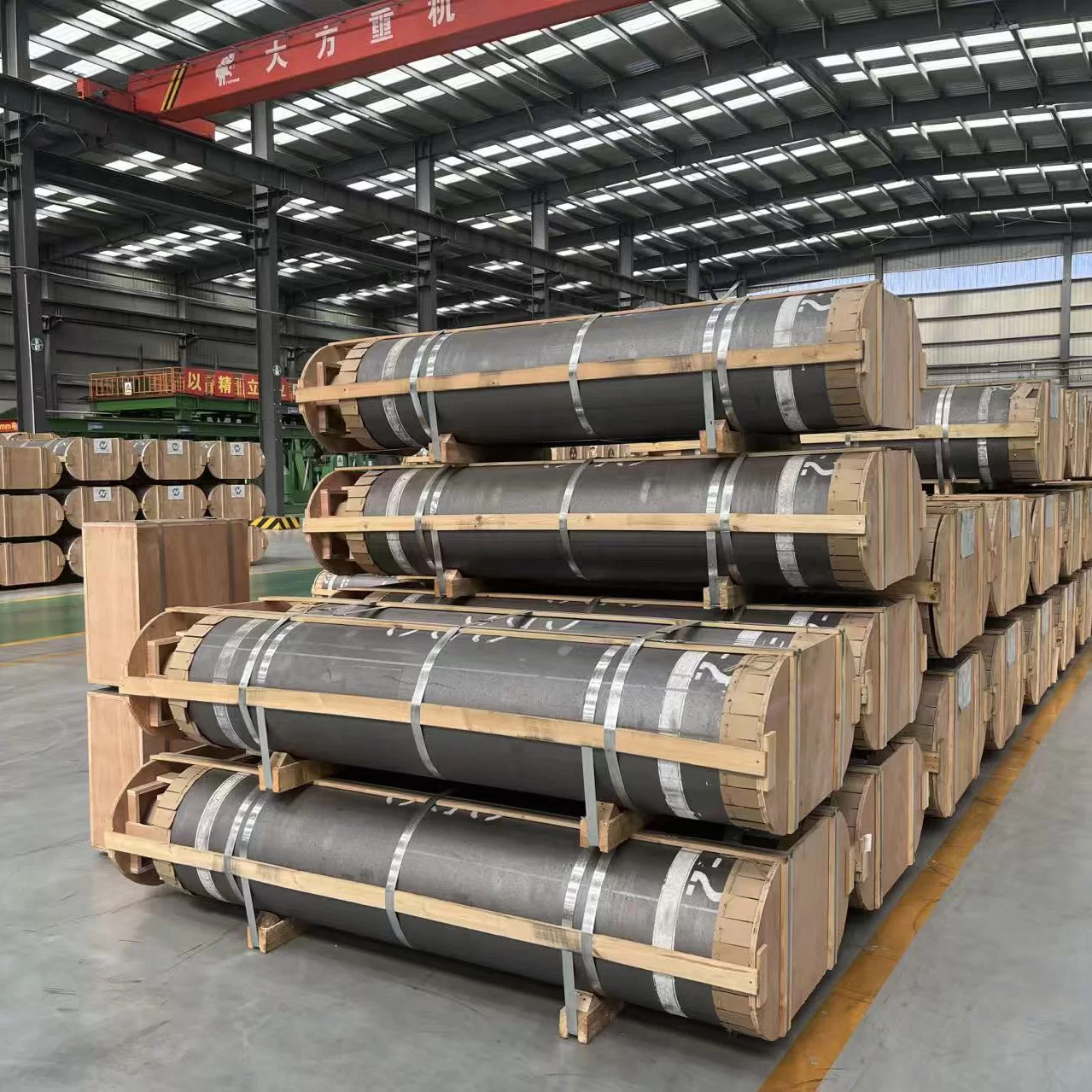
The ubiquity of graphite blocks across a diverse range of industrial sectors is a testament to their unparalleled versatility and robust performance characteristics. Their ability to thrive in extreme environments makes them indispensable in countless critical applications. In the realm of high-temperature metallurgy, graphite blocks are fundamental. They form crucial components in electric arc furnaces, induction furnaces, and vacuum furnaces, serving as heating elements, electrodes, crucibles, and insulation. Their high thermal stability and conductivity allow for efficient operation at temperatures exceeding 2500°C. For instance, in continuous casting processes, graphite molds and dies are employed due to their excellent thermal shock resistance and non-wetting properties with molten metals, ensuring smooth, defect-free production of various metal profiles. The semiconductor industry relies heavily on ultra-high purity graphite for susceptors, crucibles, and boat components in epitaxy, MOCVD, and crystal growth processes, where even minute impurities could ruin sensitive electronic components. Here, graphite's chemical inertness and consistent thermal profile are paramount. In chemical processing, graphite heat exchangers and reactor linings are chosen for their exceptional resistance to corrosive acids and alkalis, ensuring long service life and product purity. The lightweight yet strong nature of carbon-carbon composites derived from graphite also finds applications in aerospace for hot structures and brake discs. Furthermore, graphite blocks are vital in electrolysis applications, acting as anodes and cathodes for the production of aluminum, chlorine, and various other industrial chemicals due to their excellent electrical conductivity and resistance to electrochemical degradation. Even in the burgeoning field of new energy technologies, graphite plays a role in fuel cell components and thermal management systems due to its conductive and heat-dissipating properties. These diverse applications collectively underscore the graphite block's status as a foundational material, enabling the most advanced and demanding industrial processes globally.
The Enduring Legacy and Future Horizons of the Graphite Block
As we conclude our exploration into the remarkable world of the graphite block, it becomes unequivocally clear that this material is far more than a simple carbon aggregate; it is a pillar of modern industrial advancement. Its distinctive combination of thermal, electrical, mechanical, and chemical properties positions it as an indispensable component across an astonishing breadth of applications, from the searing crucible of metallurgical operations to the sterile environments of semiconductor manufacturing and the cutting-edge frontiers of new energy. The journey of the graphite block from raw material to a highly engineered industrial solution exemplifies precision material science and manufacturing excellence. The continuous innovation in graphite processing, including advancements in purification techniques, grain structure control, and composite material development, ensures that its capabilities are constantly expanding, meeting and anticipating the ever-evolving demands of technology. As industries push the boundaries of performance and sustainability, the demand for high-performance materials like advanced graphite is only set to intensify. Its role in critical sectors, from aerospace and nuclear to electric vehicles and advanced electronics, underscores its enduring strategic importance. Choosing the right graphite block involves a nuanced understanding of its properties, the specific application requirements, and the capabilities of expert manufacturers. Investing in high-quality, precisely tailored graphite solutions is not merely a procurement decision; it is an investment in operational efficiency, system reliability, and future innovation. The legacy of graphite is long and distinguished, but its future horizons are even brighter, promising continued contributions to technological progress and industrial resilience on a global scale.
Frequently Asked Questions About Graphite Blocks
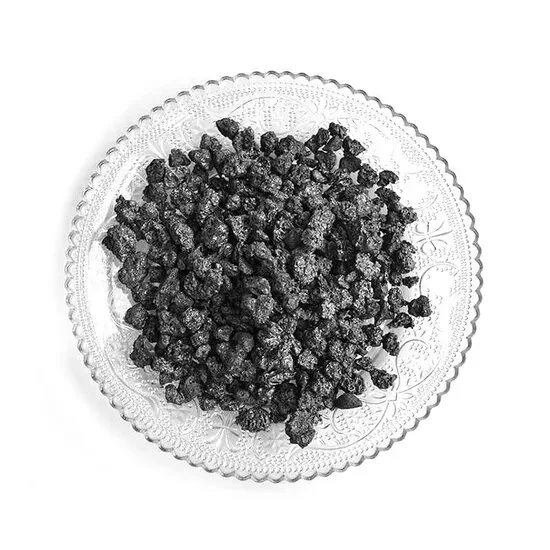
· Q: What is a graphite block? A: A graphite block is a dense, solid form of carbon, processed from raw petroleum coke or coal tar pitch, typically through a series of molding, baking, graphitization, and purification steps. It is prized for its unique combination of properties, including high thermal and electrical conductivity, excellent corrosion resistance, high strength at elevated temperatures, and low thermal expansion.
· Q: What are the primary types of graphite blocks available? A: Graphite blocks are generally categorized by their manufacturing method and resulting grain structure: isostatic graphite (fine-grain, isotropic properties, high strength), extruded graphite (larger grain, anisotropic properties, good for large sizes), and molded graphite (intermediate grain, good machinability). Each type is optimized for different applications.
· Q: Why is purity important for graphite blocks? A: Purity is critical for sensitive applications, especially in the semiconductor, nuclear, and chemical industries. Impurities can act as contaminants, affect electrical or thermal performance, or react adversely with process chemicals. Ultra-high purity graphite blocks undergo additional purification steps to achieve ash content often below 5 parts per million (ppm).
· Q: What are the main industrial applications of graphite blocks? A: Graphite blocks are used across various industries: as electrodes and heating elements in high-temperature furnaces (metallurgy), susceptors and crucibles in semiconductor manufacturing, heat exchangers and linings in chemical processing, molds and dies in continuous casting, and structural components in aerospace and nuclear applications.
· Q: Can graphite blocks be customized for specific needs? A: Absolutely. Graphite blocks are highly machinable, allowing manufacturers to create complex shapes, precise dimensions, and specific features (grooves, holes, threads) tailored to client specifications. Additionally, material grades can be selected or enhanced (e.g., through impregnation or coatings) to optimize properties like strength, oxidation resistance, or porosity for particular applications.
· Q: How do graphite blocks perform at high temperatures? A: Graphite blocks exhibit exceptional thermal stability. Unlike most metals, their strength actually increases with temperature up to approximately 2500°C in non-oxidizing environments. They also have excellent thermal shock resistance, meaning they can withstand rapid temperature changes without cracking, making them ideal for high-temperature furnace components.
· Q: What factors influence the cost of graphite blocks? A: The cost of graphite blocks is influenced by several factors: the raw material quality, the manufacturing process (isostatic being generally more expensive than extruded due to finer grain and isotropic properties), the purity level required, the size and complexity of the final machined part, and any special treatments or coatings applied. Larger, ultra-high purity, and custom-machined blocks typically command higher prices.