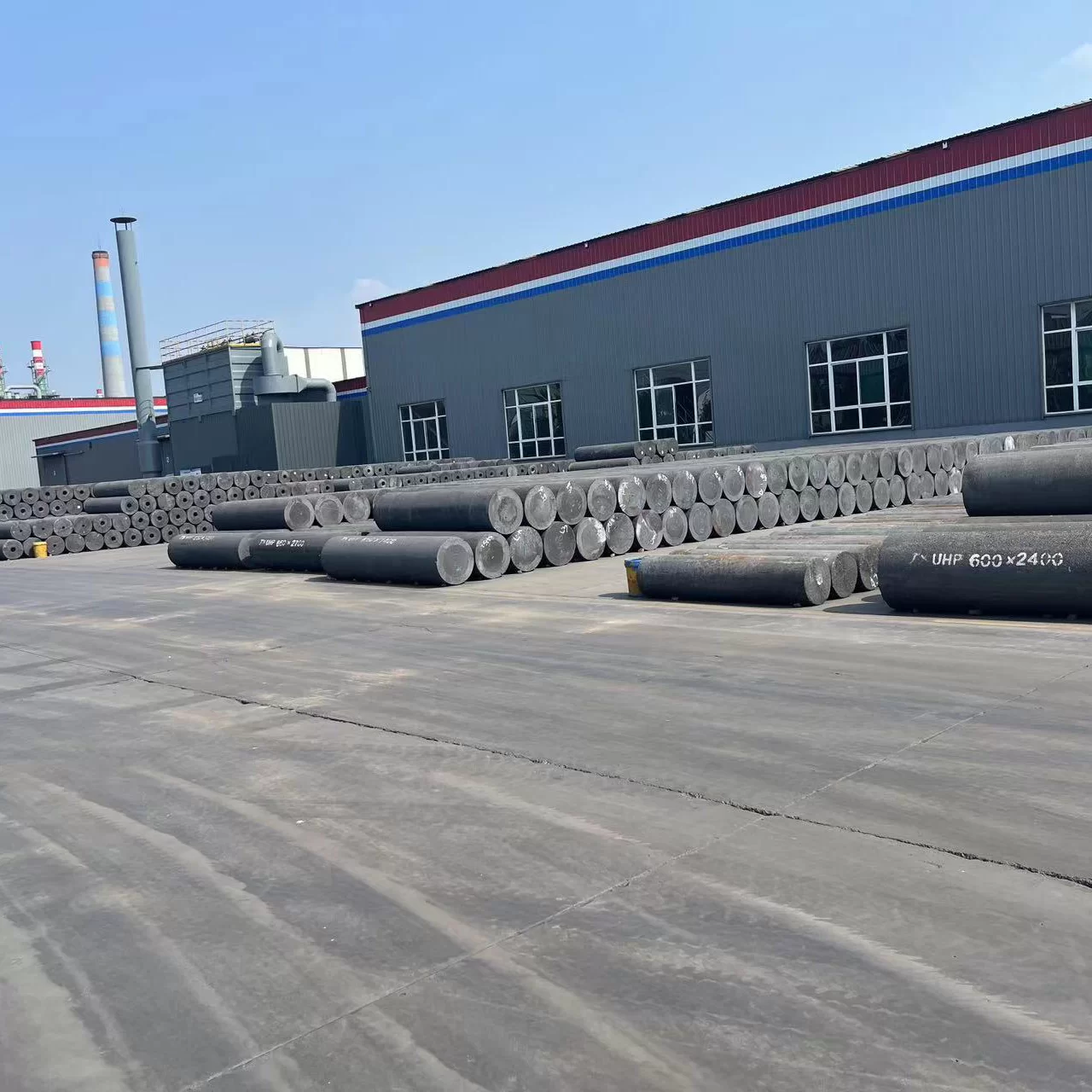
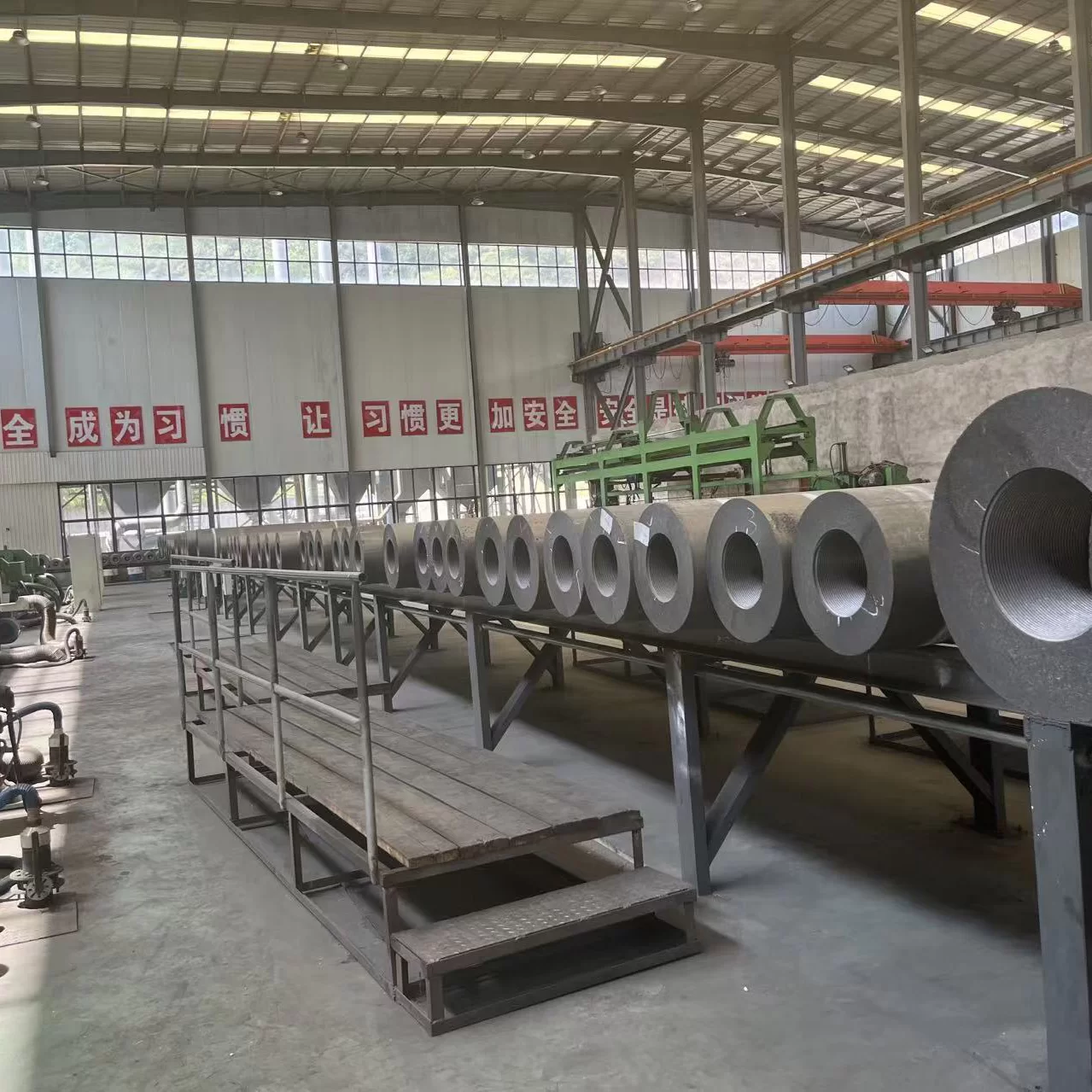
Premium Graphite Carbon Blocks Factory Leading China Suppliers of Refractory Carbon Materials


Graphite Carbon Blocks are high-performance carbonaceous refractory materials engineered from premium coke, anthracite, or graphite, blended with tar and sintered at 1450℃ in a reducing flame. With a carbon mass fraction ranging from 88% to 90%, these blocks are specifically designed to withstand the harsh environments of molten metal and aggressive slag erosion, making them indispensable for heavy industrial applications.
Primarily utilized in the construction of blast furnace bottoms and hearths, as well as in high-precision bearings and seals for turbines and motors, our graphite blocks offer an ideal balance of thermal stability and electrical conductivity. Whether serving as anodes for magnesium electrolytic cells or as the foundation for chemical heat exchangers, these blocks provide the reliability needed for continuous high-temperature operations.
| Raw Materials | Coke, Anthracite, Graphite, and Tar | Sintering Temperature | 1450℃ (Reducing Flame) |
|---|---|---|---|
| Carbon Mass Fraction | 88% to 90% | Primary Function | Refractory & Conductive Material |
| Corrosion Resistance | Excellent against molten metal & slag | Oxidation Property | Susceptible to oxidation |
| Thermal Conductivity | High / Excellent | Electrical Conductivity | Strong / High Conductivity |
| Common Forms | Iso-graphite, Molded, Extruded | Processing Options | Impregnated, Oxidation Resistant |
Exceptional resistance to acids, alkalis, and organic solvents, ensuring stability in complex chemical industrial environments.
Maintains structural integrity under extreme temperature fluctuations, resisting thermal stress and cracking.
Optimized for electrical and thermal transmission, ideal for batteries and electrolytic cell anodes.
Engineered hardness and elasticity allow the blocks to withstand significant pressure and abrasive wear.
Provides natural lubrication at high temperatures, reducing friction in mechanical components and seals.
Physical characteristics can be precisely tuned via raw material selection and advanced manufacturing processes.


Strict control of coke and graphite purity to ensure a carbon mass fraction of 88%-90%.
Precision sintering at 1450℃ using reducing flames to maximize refractory properties.
Rigorous testing for conductivity and corrosion resistance before final delivery.
Advanced mechanical processing for precise cutting of plates and blocks to order.
Synthetic resin curing options to produce high-density, leak-proof chemical equipment.
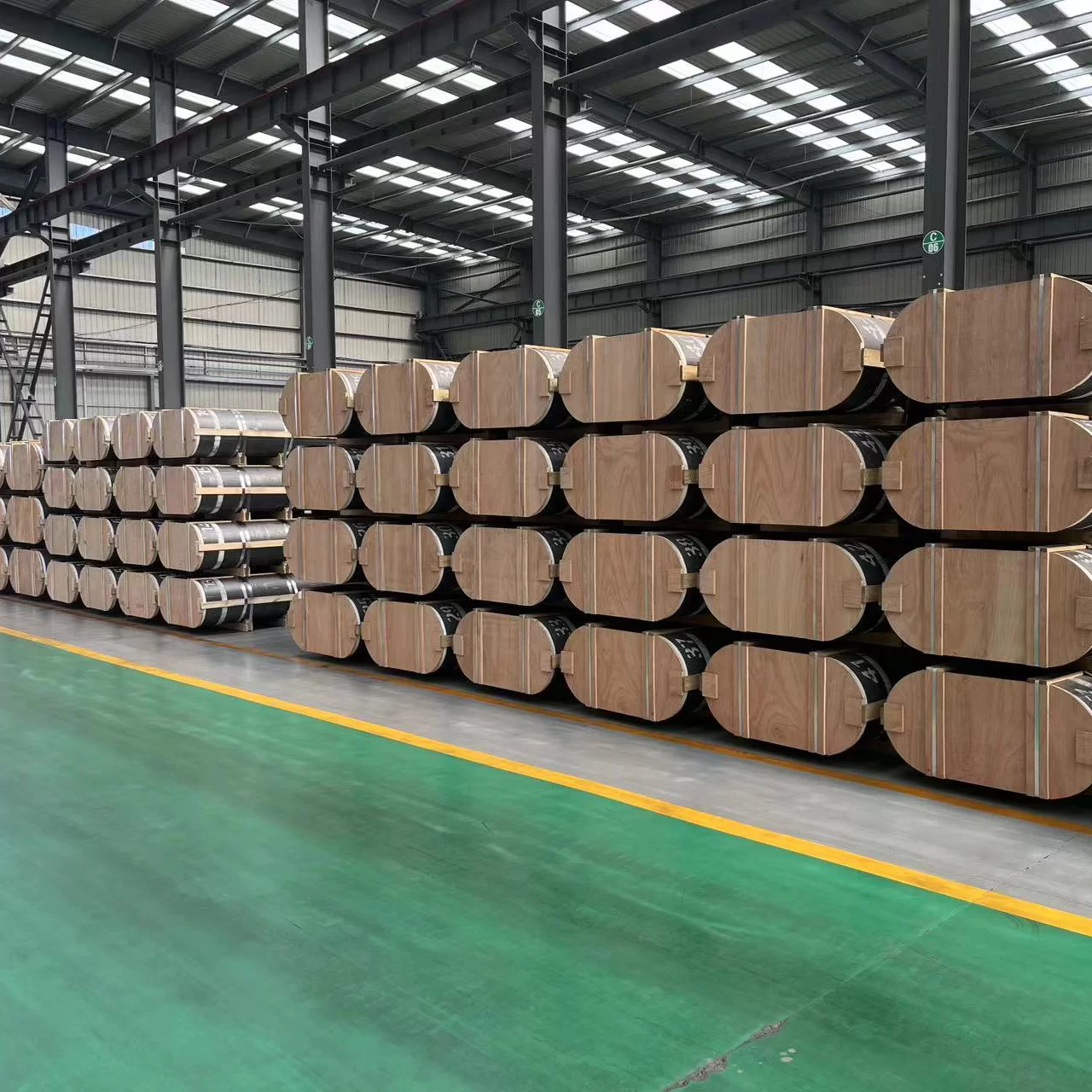
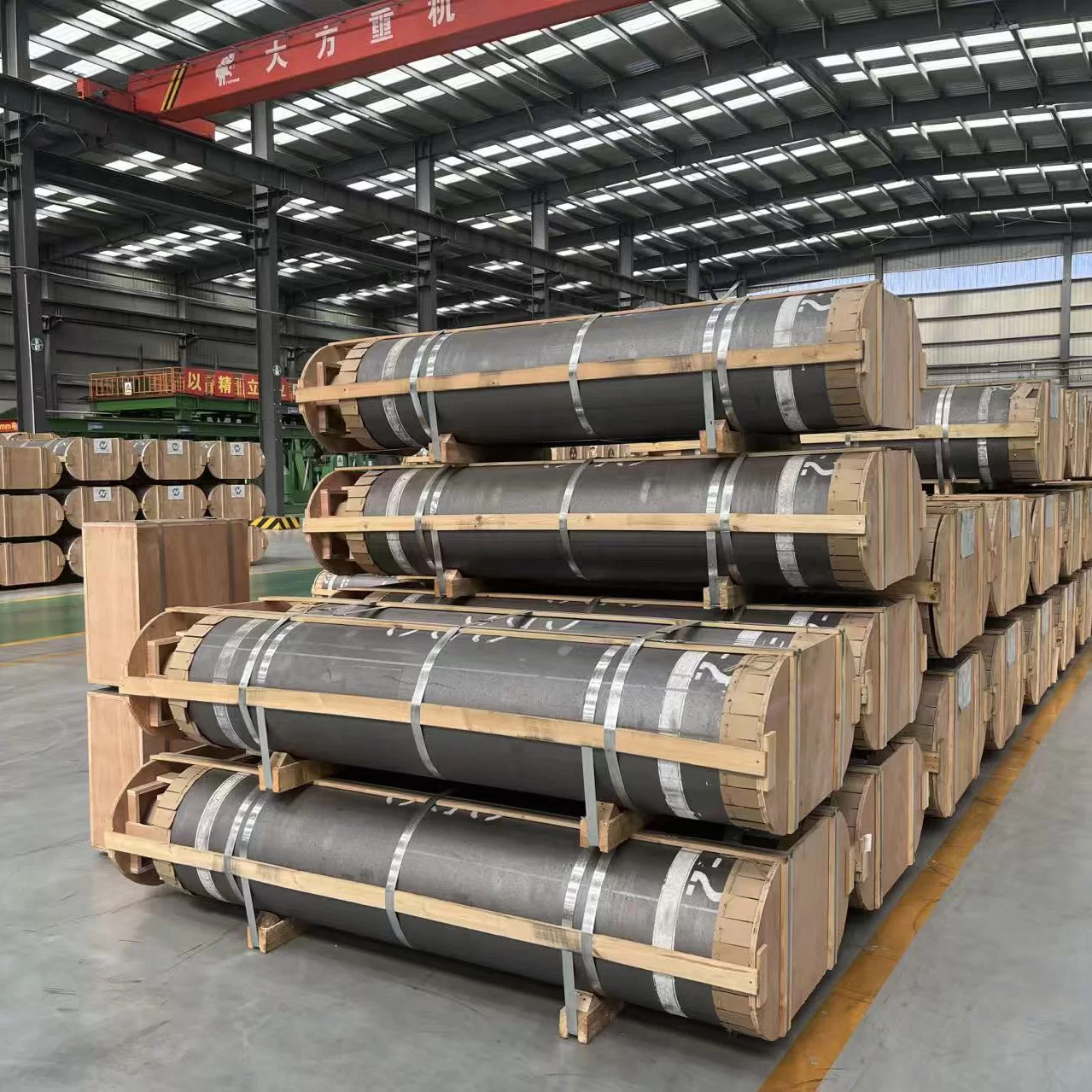
Secure packaging and global shipping for oversized graphite blocks and industrial components.
| Feature | Standard Carbon Blocks | Premium Graphite Blocks |
|---|---|---|
| Service Life | Moderate | Extended / High Durability |
| Energy Efficiency | Standard | High (Superior Conductivity) |
| Maintenance Cost | Frequent Replacement | Low / Long Intervals |
| Chemical Resistance | Basic | Advanced (Anti-Corrosion) |
| ROI Potential | Short-term Savings | Long-term Operational Profit |
They are primarily used for the masonry of the bottom and hearth of iron-making blast furnaces due to their ability to resist molten metal and slag erosion.
Sintering at 1450℃ in a reducing flame ensures the carbon mass fraction reaches 88%-90%, which is critical for the material's refractory and conductive properties.
Yes, by using the block as a matrix and performing impregnation and curing with synthetic resins, they can be processed into chemical equipment like heat exchangers.
Iso-graphite is typically more isotropic (uniform properties in all directions), while extruded graphite has a directional grain structure, affecting thermal and electrical flow.
Yes, while they resist slag and molten metal, they can be oxidized. We offer specialized oxidation-resistant graphite processing to mitigate this risk.
Industries involving electrolytic cells (like magnesium production), battery manufacturing, and high-temperature graphitization furnaces benefit significantly.


Conductive Core
Carrying high temperature and efficient power
Your Email Address...