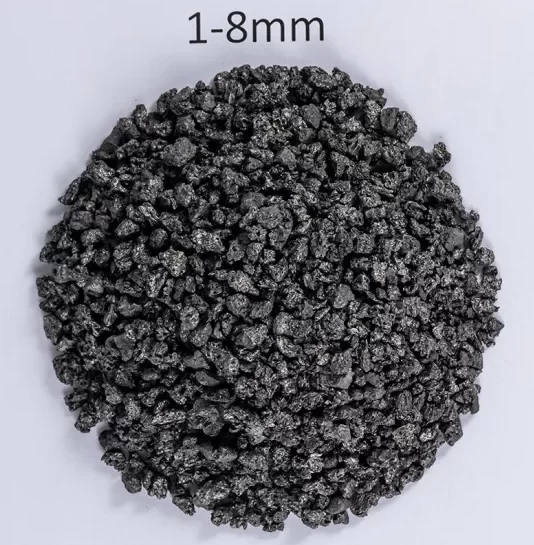
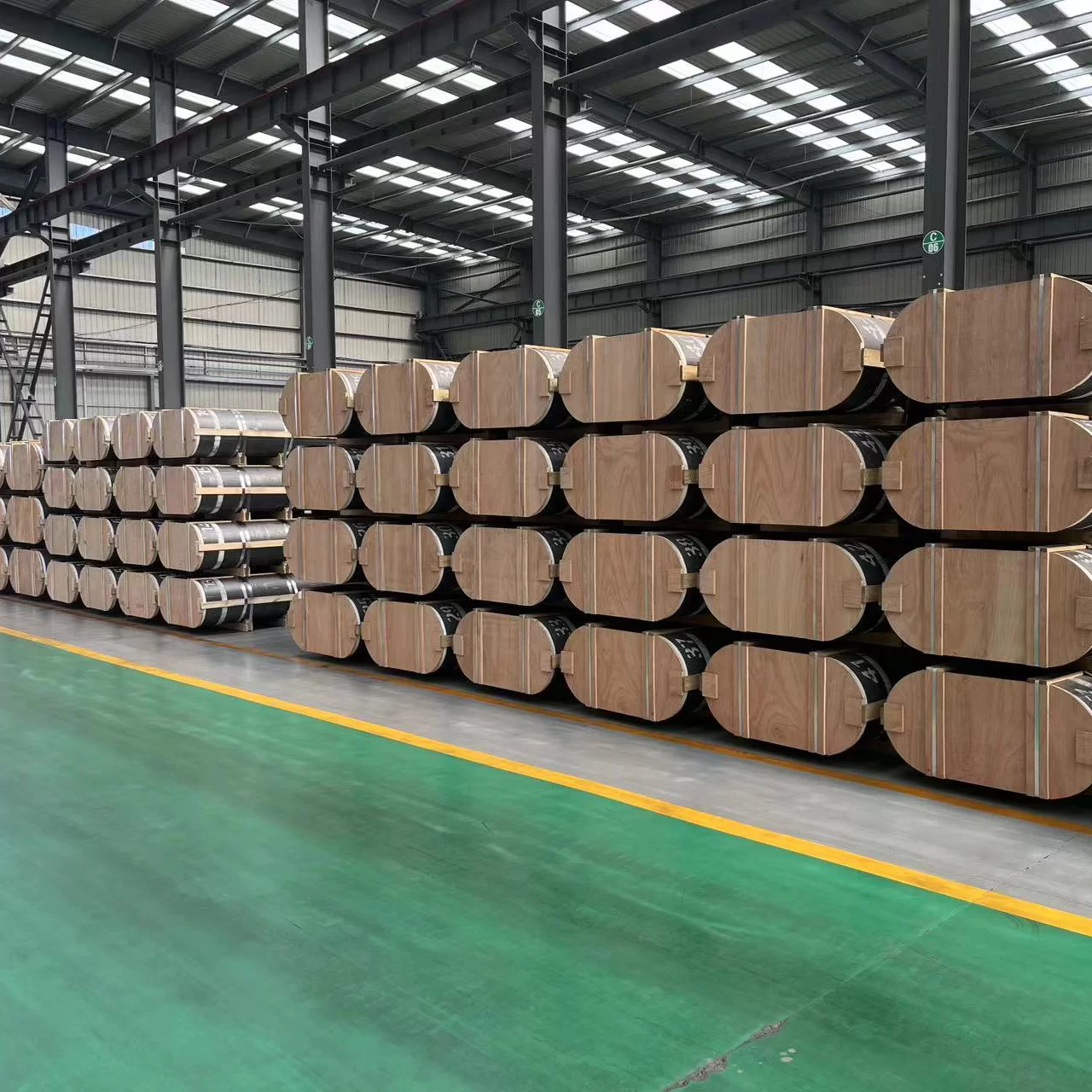
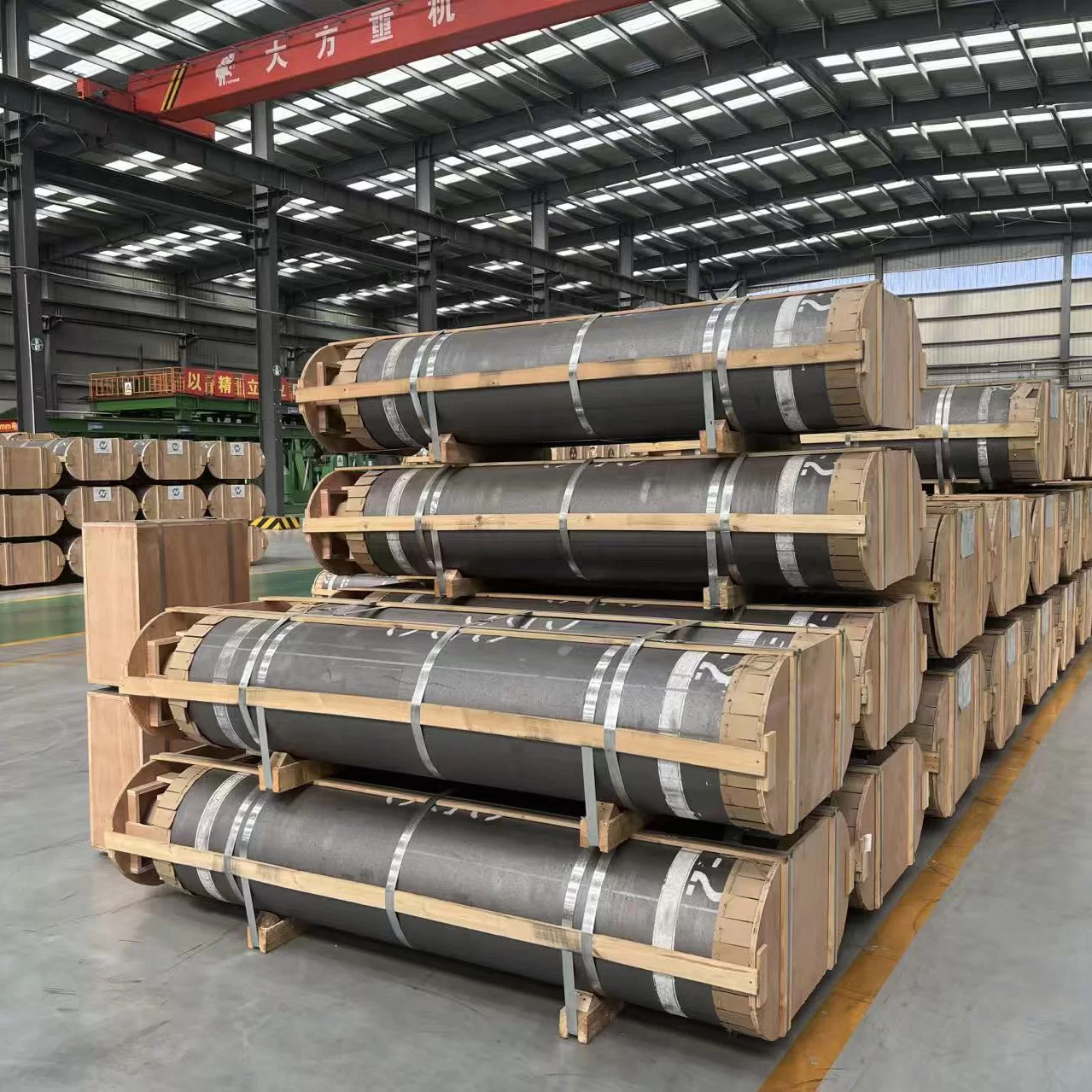
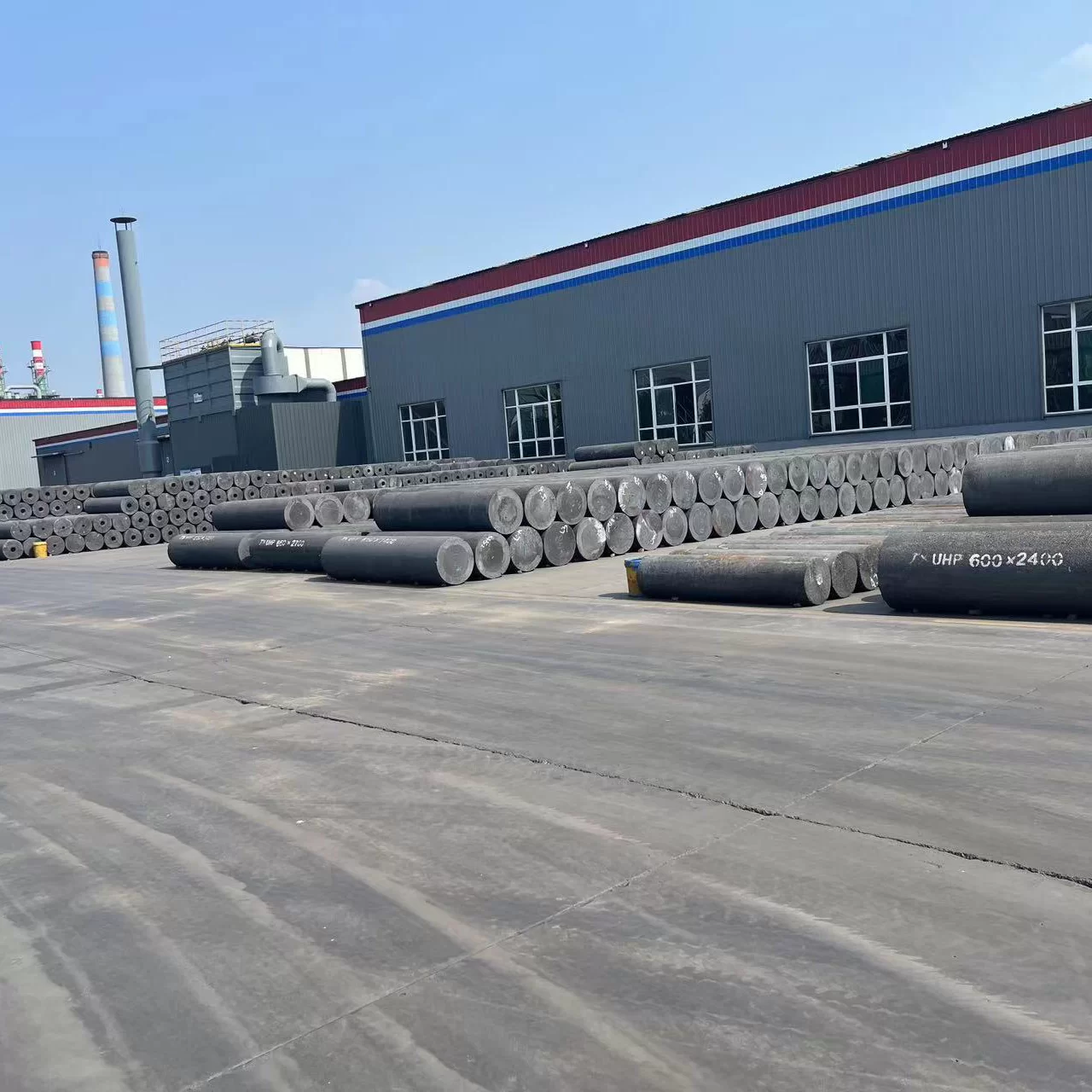
In the intricate world of metallurgical processes, the selection of raw materials often dictates the efficiency, cost-effectiveness, and ultimate quality of the end product. Among these crucial inputs, semi coking coal stands out as a versatile and economically significant component, frequently misunderstood yet indispensable in a variety of industrial applications. Distinct from its fully coking counterpart, semi coking coal possesses a unique set of characteristics that allow it to play a vital role, particularly in the production of pig iron, ferroalloys, and various foundry processes. Its properties – primarily a lower caking power, moderate volatile matter content, and often competitive pricing – position it as a strategic blending agent rather than a standalone coking fuel. Industries leverage semi coking coal to modulate the plasticity of coal blends, optimize coke strength, and manage operational costs without compromising on metallurgical performance. For steelmakers and foundry operators, understanding the nuances of this coal type is not merely an academic exercise but a critical aspect of strategic resource management and process optimization. Its ability to contribute to a stable coke matrix, reduce the need for more expensive prime coking coals, and offer a degree of flexibility in charge composition underscores its enduring relevance in a sector constantly striving for efficiency and innovation. By exploring its specific attributes and applications, we uncover why semi coking coal continues to be a cornerstone in the foundational industries of the modern world, supporting the creation of essential metals that drive global infrastructure and technological advancement.

The Unique Composition and Performance Metrics
The performance of any coal in metallurgical applications is intrinsically tied to its chemical and physical composition, and semi coking coal is no exception. A deeper dive into its core metrics reveals why it performs as it does. Key parameters include volatile matter (VM), ash content, sulfur content, phosphorus content, and fixed carbon. Typically, semi coking coals exhibit a VM ranging from 20% to 35%, which is higher than prime coking coals but lower than high-volatile thermal coals. This moderate VM contributes to a less intense coking pressure during carbonization, making it suitable for blending. Ash content, often between 8% and 15%, is critical as it directly influences the amount of slag generated in a blast furnace and affects energy efficiency. High ash content necessitates more flux, higher fuel rates, and contributes to increased environmental burdens. Sulfur, ideally kept below 1%, and phosphorus, below 0.1%, are critical impurities; elevated levels can lead to brittleness in steel (hot shortness) or cold shortness, respectively, severely impacting product quality. Fixed carbon, representing the primary energy and reducing agent, generally falls between 55% and 75%. Beyond these primary chemical analyses, physical properties like moisture content, calorific value, and maceral composition (vitrinite, inertinite) provide further insights into its coking behavior and energy potential. For instance, a higher inertinite content might reduce fluidity but can also contribute to a stable coke structure when blended appropriately. Comprehensive analysis against industry standards like ASTM or ISO is vital for consistent quality control and predicting performance. Empirical data illustrates the direct impact of these metrics: a 2% increase in ash content can lead to a 5% rise in coke rate in a blast furnace, while every 0.1% increase in sulfur can add 15-20% to desulphurization costs. These figures underscore the economic imperative of meticulously managing semi coking coal’s composition.
Technical Superiority and Environmental Considerations
The technical advantages of semi coking coal, particularly when integrated into optimized blends, are multifaceted and extend beyond mere cost savings. Its moderate plasticity and volatile matter content are crucial for modulating the overall fluidity of a coal blend, preventing excessive swelling pressures that can damage coke ovens. This characteristic allows for the inclusion of lower-rank coals or non-coking coals, thus expanding the raw material base and reducing reliance on scarce prime coking coal reserves. In non-recovery coke ovens or stamp-charged processes, semi coking coal can contribute to a more stable charge, leading to a denser, stronger coke. Furthermore, its inherent properties can positively influence the coke's reactivity and strength after reaction (CSR/CRI), critical parameters for efficient blast furnace operation. By carefully balancing the blend, operators can achieve a coke structure that offers optimal permeability and thermal stability, leading to smoother furnace operation and reduced fuel consumption. From an environmental perspective, strategic utilization of semi coking coal can also yield benefits. Lower sulfur variants, when available, contribute to reduced SOx emissions during combustion and coking. Blending high-volatile semi coking coals can sometimes aid in better volatile matter release kinetics, potentially improving the efficiency of byproduct recovery systems in conventional coke ovens. Moreover, by diversifying the coal input, the industry can explore sourcing options that adhere to stricter environmental regulations, thereby reducing the overall carbon footprint of metallurgical processes. The ability to enhance efficiency and simultaneously address environmental concerns positions semi coking coal as a key enabler for sustainable practices within heavy industry, supporting cleaner production methods without sacrificing metallurgical performance.
Navigating the Global Market: Key Supplier Benchmarking
The global market for semi coking coal is characterized by diverse origins, varying quality specifications, and complex logistics, making strategic supplier selection paramount for sustained operational success. Key producing regions include Australia, Russia, Colombia, and specific regions within the United States and Canada, each offering coals with distinct geochemical profiles. Benchmarking potential suppliers involves a comprehensive assessment beyond just price per tonne; factors such as consistency of quality, supply chain reliability, logistical infrastructure, and adherence to environmental and labor standards are equally critical. For instance, a supplier offering a slightly higher price might provide superior consistency in volatile matter and ash content, leading to more predictable performance in coke ovens and blast furnaces, thus minimizing operational disruptions and costly adjustments. Data from market analytics firms often indicate that supply disruptions from less reliable sources can lead to price spikes of up to 10-15% in spot markets, underscoring the value of robust supply partnerships. Furthermore, freight costs and geopolitical stability of the origin country heavily influence the landed cost and security of supply. Below is an illustrative comparison of hypothetical supplier profiles, emphasizing that real-world decisions require detailed assay reports and contract negotiations specific to volume and long-term commitments:
Attribute | Supplier A (Region X) | Supplier B (Region Y) | Supplier C (Region Z) |
Origin | Eastern Australia | Siberian Russia | Appalachian USA |
Volatile Matter (%) | 28-32 (High Vol B) | 23-27 (Mid Vol) | 25-29 (High Vol A) |
Ash Content (%) | 9.0-10.5 | 8.0-9.5 | 10.0-11.5 |
Sulfur Content (%) | 0.6-0.8 | 0.5-0.7 | 0.7-1.0 |
Moisture (ARB %) | 8-10 | 6-8 | 9-11 |
Indicative Price Range (FOB, USD/tonne) | $120-140 | $110-130 | $115-135 |
Logistics/Supply Reliability | High (established ports) | Moderate (rail/sea routes) | High (domestic/sea via East Coast) |
Typical CSR/CRI Contribution (Blended) | Good for strength | Excellent for reactivity | Balanced profile |
This table demonstrates the variability across different sources. Companies must engage in meticulous due diligence, including trial shipments, third-party analysis, and robust contractual agreements, to secure a supply of semi coking coal that perfectly aligns with their operational requirements and strategic objectives. Building strong, long-term relationships with reputable suppliers, often involving multiple sources to mitigate risk, forms the bedrock of a resilient procurement strategy in this dynamic commodity market.
Tailoring Solutions: Customization for Diverse Industrial Needs
The inherent variability of metallurgical processes means that a standardized approach to semi coking coal procurement is often suboptimal. Instead, success lies in the ability to tailor solutions to the specific needs of each industrial application. Customization can manifest in several critical ways. Firstly, it involves precise blending of different coal types to achieve a desired composite profile. For a foundry producing high-quality cast iron, the focus might be on a blend that yields a coke with specific porosity and minimal impurities like sulfur and phosphorus, directly impacting the quality of the molten metal. In contrast, a blast furnace operation might prioritize a blend that maximizes coke strength after reaction (CSR) and minimizes reactivity (CRI) to ensure optimal burden permeability and stability. Suppliers who offer in-depth technical consultancy can work with clients to analyze their existing coal blends, furnace conditions, and desired metallurgical outcomes. This collaborative approach allows for the development of bespoke specifications that account for parameters such as desired volatile matter, ash content, sulfur, and even specific maceral compositions. Furthermore, customization extends to logistical arrangements, including particle size distribution, moisture control for transport efficiency, and flexible delivery schedules that align with production cycles. For instance, a client might require a finer grind for pulverized coal injection (PCI) applications or specific screening to remove fines that could compromise furnace efficiency. Manufacturers offering advanced analytics and piloting facilities can test various coal combinations to predict their performance accurately before full-scale deployment, mitigating risks and ensuring seamless integration. This level of tailored service ensures that industries can fully leverage the benefits of semi coking coal, optimizing performance, controlling costs, and enhancing product quality through a truly customized supply chain solution.
Real-World Applications and Value Creation
The versatility of semi coking coal allows it to find critical applications across various heavy industries, driving efficiency and creating substantial value. Its primary role is often as a blending component in the production of metallurgical coke. For example, in traditional blast furnace operations, semi coking coal is blended with prime coking coals to achieve the optimal coke properties required for efficient reduction of iron ore. This blending strategy enables steel manufacturers to reduce their reliance on more expensive prime coking coals, leading to significant cost savings. Case studies reveal that some integrated steel mills have successfully incorporated up to 30-40% semi coking coal in their blends, realizing a 5-8% reduction in overall raw material costs without compromising coke quality or furnace performance. In the foundry industry, semi coking coal plays a crucial role in producing foundry coke. Here, its specific coking characteristics contribute to a coke with high carbon content, low ash, and low sulfur, which is essential for producing high-quality castings with desired mechanical properties. A prominent foundry reported achieving a 15% reduction in casting defects attributable to improved coke quality when optimizing their semi coking coal blend, translating directly into enhanced yield and reduced rework. Beyond coking, semi coking coal can also be utilized in pulverized coal injection (PCI) systems in blast furnaces, where finely ground coal is injected directly into the furnace to serve as a supplemental fuel and reducing agent. This technique further reduces the demand for costly coke and improves operational economics. Data indicates that PCI, when implemented effectively with suitable semi coking coal grades, can decrease coke rates by 10-20 kg/tonne of hot metal. Furthermore, in certain ferroalloy production processes and non-ferrous smelting operations, semi coking coal can serve as a reductant, leveraging its carbon content and moderate volatile matter. These diverse applications underscore how semi coking coal, when strategically sourced and applied, contributes to increased operational efficiency, reduced production costs, and ultimately, enhanced product quality across a spectrum of industrial processes, demonstrating its profound value creation potential.
Strategic Sourcing and the Future of Semi Coking Coal Supply
In a global economy increasingly focused on sustainability and supply chain resilience, the strategic sourcing of semi coking coal has never been more critical. As metallurgical industries face evolving environmental regulations and fluctuating commodity markets, the ability to secure a consistent, high-quality supply of this essential input will differentiate market leaders from their competitors. Future trends indicate a continued emphasis on reducing carbon emissions and improving energy efficiency across all industrial sectors. This will likely drive demand for even more precisely characterized semi coking coal grades that can contribute to optimized blends, lower specific fuel consumption, and reduced pollutant generation. Innovations in carbon capture and utilization technologies may also influence how various coal types, including semi coking coal, are valued and processed. Furthermore, geopolitical shifts and the increasing cost of logistics necessitate a diversified sourcing strategy, moving away from over-reliance on single regions or suppliers. Companies are increasingly investing in sophisticated supply chain analytics to identify and mitigate risks, ensuring continuity of operations even in volatile market conditions. The development of advanced analytical techniques, such as online analyzers for coal quality and AI-driven predictive models for blend optimization, will further refine the utilization of semi coking coal, maximizing its value proposition. As the steel and foundry industries continue to innovate, semi coking coal will remain a foundational raw material, its role evolving alongside technological advancements and environmental imperatives. Strategic partnerships, long-term contracts, and a commitment to continuous quality assessment will be paramount for securing a resilient and economically viable supply chain of semi coking coal, ensuring its crucial contribution to global industrial progress for decades to come.
Frequently Asked Questions about Semi Coking Coal
1. What is semi coking coal?
Semi coking coal is a type of coal that possesses moderate caking properties, meaning it softens and forms a coherent solid when heated in the absence of air, but its resulting coke strength is typically lower than that of prime coking coal. It has a higher volatile matter content compared to prime coking coal but is lower than thermal coal.
2. How does semi coking coal differ from coking coal?
The primary difference lies in their caking properties and volatile matter content. Coking coal (or metallurgical coal) forms a strong, coherent, and highly porous coke suitable for blast furnaces, possessing lower volatile matter (typically 18-28%). Semi coking coal has weaker caking properties, higher volatile matter (typically 20-35%), and is often used as a blending component with prime coking coal to improve blend plasticity, reduce costs, and moderate coking pressure.
3. What are the primary industrial applications of semi coking coal?
Its main applications include: as a blending component in metallurgical coke production for blast furnaces and foundries; as a reducing agent and fuel in pulverized coal injection (PCI) systems in blast furnaces; and in certain ferroalloy production processes as a reductant. It's generally not used as a standalone coking coal due to its insufficient strength.
4. What key parameters define the quality of semi coking coal?
Key quality parameters include: volatile matter (VM), fixed carbon, ash content, sulfur content, phosphorus content, moisture content, calorific value, and specific caking properties like G-index or FSI (Free Swelling Index). These metrics collectively determine its suitability for various metallurgical applications.
5. Can semi coking coal be used directly in blast furnaces?
While semi coking coal can be used in blast furnaces, it's typically not used directly as the primary fuel source in its raw form or as the sole coal for coke production. Instead, it's most effectively utilized as a component in a coal blend for coke making or as pulverized coal for injection (PCI) to supplement coke and reduce overall fuel costs.
6. What are the environmental benefits of using semi coking coal in blends?
When used strategically, semi coking coal can contribute to environmental benefits by enabling the use of lower-sulfur variants, thereby reducing SOx emissions. Its ability to optimize blends can also lead to more efficient furnace operations, potentially reducing overall energy consumption and greenhouse gas emissions per tonne of metal produced. Diversifying coal sources can also support compliance with regional environmental standards.
7. How should one select a supplier for semi coking coal?
Selecting a supplier involves assessing multiple factors: the consistency and reliability of coal quality (based on detailed analytical reports), the supplier's logistical capabilities and supply chain reliability, pricing, adherence to international standards and certifications, technical support offered for blend optimization, and the overall stability and reputation of the supplier in the market. Long-term partnerships are often favored for supply security.