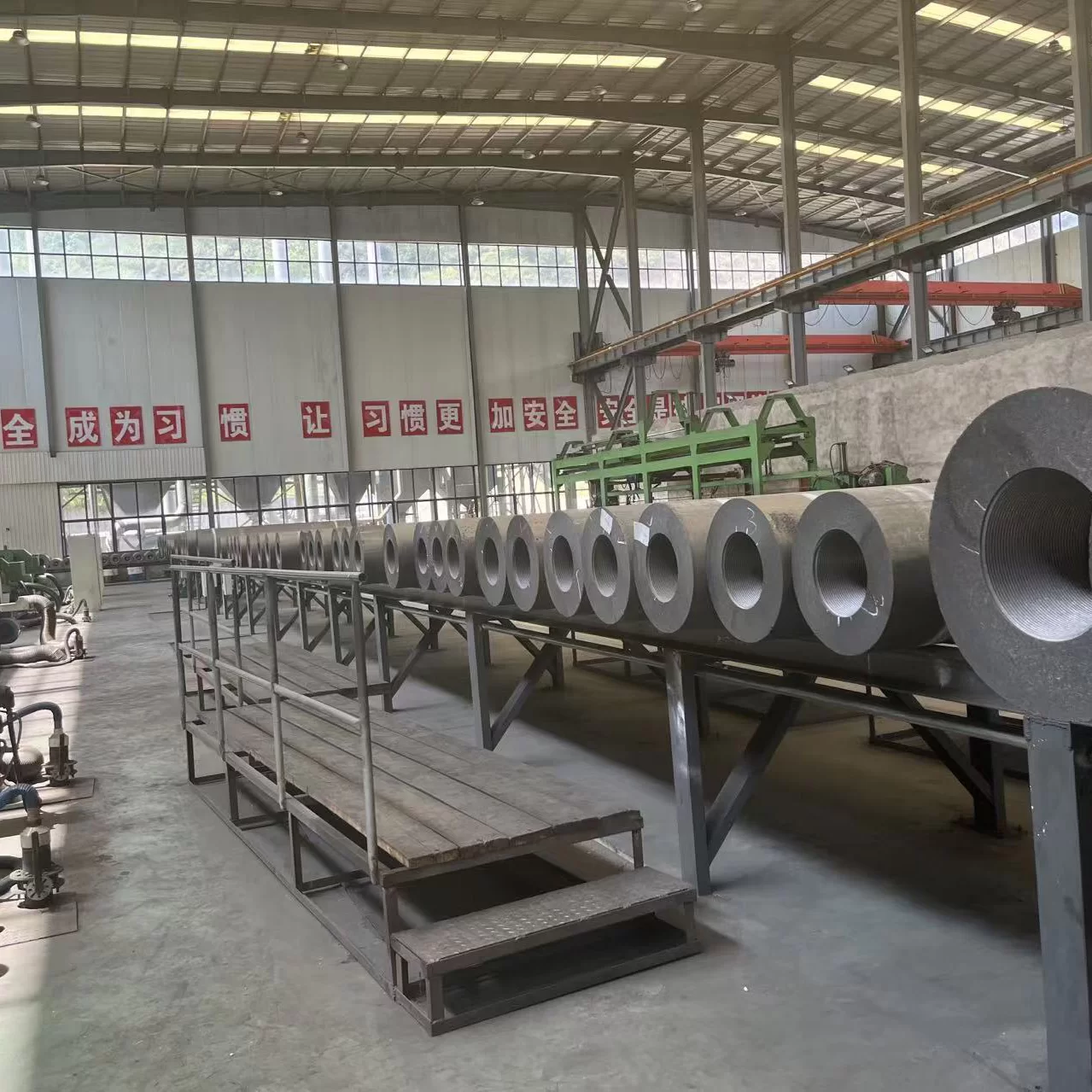
Calcined petroleum coke (CPC) is a carbon-rich material produced by heating green petroleum coke at high temperatures to remove volatile matter, moisture, and other unwanted components. The resulting material has high fixed carbon and is widely used in metallurgy, aluminum production, steelmaking, foundries, and other industrial applications.
In the market, calcined petroleum coke is also known as calcined petcoke, calcined coke, CPC coke, or simply CPC. Its properties can vary depending on the original green petroleum coke, calcining conditions, and refinery source.
For industrial buyers, understanding the calcined petroleum coke meaning, manufacturing process, specifications, applications, and market price factors is important when selecting a suitable supplier.
What Is Calcined Petroleum Coke?
The basic calcined petroleum coke meaning is petroleum coke that has undergone a high-temperature calcination process.
Petroleum coke is produced as a by-product during the refining of crude oil. The material obtained before calcination is commonly called green petroleum coke or non calcined petroleum coke.
During petroleum coke calcination, green coke is heated to a high temperature, usually in a controlled industrial furnace. This process reduces moisture and volatile matter while increasing the relative concentration of fixed carbon.
The finished product is called calcined petroleum coke, or CPC.
The main properties buyers typically evaluate include:
- Fixed carbon
- Sulfur content
- Ash content
- Volatile matter
- Moisture
- Nitrogen
- Vanadium and other trace elements
- Particle size
These specifications determine whether a particular CPC grade is suitable for aluminum, steelmaking, foundry, or other applications.

Green Petroleum Coke vs. Calcined Petroleum Coke
Understanding the difference between green petroleum coke and calcined coke is essential.
Green petroleum coke is the material obtained directly from the petroleum refining process. It contains a higher level of volatile matter and moisture and has not yet undergone high-temperature treatment.
Calcined petroleum coke, on the other hand, has been thermally processed to improve its carbon characteristics and remove volatile components.
| Feature | Green Petroleum Coke | Calcined Petroleum Coke |
|---|---|---|
| Processing | Direct refinery by-product | High-temperature calcination |
| Volatile matter | Higher | Lower |
| Fixed carbon | Lower relative concentration | Higher |
| Moisture | May be higher | Generally lower |
| Main role | Raw material | Industrial carbon material |
| Common applications | Fuel and CPC production | Aluminum, steel, foundry, metallurgy |
Therefore, calcined petroleum coke is not simply another name for green petroleum coke. Calcination changes the physical and chemical characteristics of the material.
Calcined Petroleum Coke Manufacturing Process
The calcined petroleum coke manufacturing process starts with suitable green petroleum coke.
The typical calcined petroleum coke process includes several stages:
Green Petroleum Coke → Feeding → High-Temperature Calcination → Cooling → Screening → Crushing → Classification → Packaging
During the coke calcination process, green petroleum coke is heated under controlled conditions. The heating drives off moisture and volatile hydrocarbons while improving the carbon content and structure of the coke.
Industrial producers may use rotary kilns, rotary hearth furnaces, shaft furnaces, or other calcining equipment depending on the production requirements.
After calcination, the material is cooled and processed into different particle sizes. Some products are sold as larger calcined coke particles, while finer material may be supplied as calcined petroleum coke breeze.
The exact process parameters can influence the final CPC quality, so stable temperature control and consistent raw materials are important for a reliable product.
What Is Calcined Petroleum Coke Used For?
The calcined petroleum coke usage market is closely related to its high carbon content and controlled impurity levels.
Common calcined petroleum coke uses include:
Aluminum Production
One of the largest applications for CPC is the aluminum industry. Calcined petroleum coke is used in the production of carbon anodes for electrolytic aluminum production.
The carbon anode needs suitable electrical conductivity, carbon content, and physical properties. CPC is therefore an important raw material for anode manufacturing.
Steelmaking
CPC can also be used as a carbon additive or recarburizer in steelmaking. It helps increase carbon content when the molten metal requires chemical adjustment.
Its effectiveness depends on fixed carbon, sulfur, particle size, and other specifications.
Foundry Industry
In foundries, calcined petroleum coke can be used as a carbon raiser or carburizing material for cast iron production.
The appropriate grade depends on the target chemical composition and the specific melting process.
Other Metallurgical Applications
Because of its high carbon content and relatively low volatile matter, CPC can also be used in various metallurgical processes where a controlled carbon source is required.
What Is CPC Coke?
CPC coke and calcined petcoke are commonly used industry terms for calcined petroleum coke.
CPC stands for Calcined Petroleum Coke. Therefore:
- CPC = Calcined Petroleum Coke
- Calcined petcoke = Calcined Petroleum Coke
- Calcined coke = Common shortened term
- CPC coke = Common commercial expression
Buyers should still check the detailed technical specification rather than relying only on the product name, because CPC products from different sources can have significantly different sulfur, ash, trace-element, and particle-size characteristics.
A related product sometimes searched as calcined needle coke is different from standard CPC. Needle coke has a specialized structure and is primarily associated with applications such as graphite electrode production.
Calcined Petroleum Coke Price and Market Trends
The calcined petroleum coke price is not fixed. Buyers searching for calcined petcoke prices, calcined petroleum coke price today, or a calcined petroleum coke price chart should understand that market quotations can change according to raw material costs, refinery supply, energy prices, transportation, specifications, and regional demand.
Important factors affecting the price of calcined petroleum coke include:
- Green petroleum coke cost
- Crude oil and refinery conditions
- Electricity and fuel costs
- Sulfur content
- Fixed carbon content
- Vanadium and other impurities
- Particle size
- Production location
- Order quantity
- Packaging
- Freight and destination
As a result, a calcined petroleum coke price trend may differ between regions and product grades.
For this reason, buyers should compare quotations based on the same specifications and delivery terms rather than comparing price per ton alone.
Choosing a Calcined Petroleum Coke Manufacturer or Supplier
When searching for a calcined petroleum coke manufacturer, calcined petroleum coke supplier, or calcined petroleum coke factory, buyers should evaluate both product quality and supply capability.
A reliable supplier should be able to provide clear information about:
- CPC chemical composition
- Fixed carbon and sulfur content
- Ash and volatile matter
- Particle-size distribution
- Production capacity
- Quality control
- Packaging options
- Loading capacity
- Delivery terms
- Certificate of Analysis
For international buyers, the source of the raw material can also be important. Some suppliers provide calcined petroleum coke from a refinery, while others purchase green coke and process it at a dedicated calcining facility.
Calcined petroleum coke China suppliers are also widely considered by international buyers because China has extensive petroleum coke processing and metallurgical material production capacity.
Ding An Heng focuses on supplying industrial carbon materials and can provide CPC grades according to customer application and specification requirements.
Calcined Petroleum Coke: What Buyers Should Check
Before purchasing CPC, it is useful to define the application first.
For aluminum anode production, buyers may focus on sulfur, vanadium, nickel, ash, moisture, and other parameters that influence anode quality.
For steelmaking and foundry applications, fixed carbon, sulfur, ash, particle size, and carbon recovery may be more important.
Therefore, there is no single CPC grade suitable for every application.
The most effective purchasing approach is to provide the supplier with the required chemical specifications, particle size, annual or monthly consumption, packaging requirements, and destination. The supplier can then recommend a suitable grade and provide a corresponding quotation.
Conclusion
Calcined petroleum coke (CPC) is a high-carbon material produced through the controlled thermal treatment of green petroleum coke. The petroleum coke calcination process reduces volatile matter and moisture while producing a material suitable for demanding industrial applications.
Its major uses include aluminum anode production, steelmaking, foundry operations, and other metallurgical processes.
When comparing calcined petroleum coke manufacturers and suppliers, buyers should look beyond the calcined coke price. Fixed carbon, sulfur, ash, trace elements, particle size, production consistency, and supply capacity can all affect the actual value of a CPC product.
For companies sourcing CPC for long-term industrial production, working with a manufacturer or supplier that can provide stable specifications and application-specific grades can help ensure consistent material performance and more predictable purchasing costs.