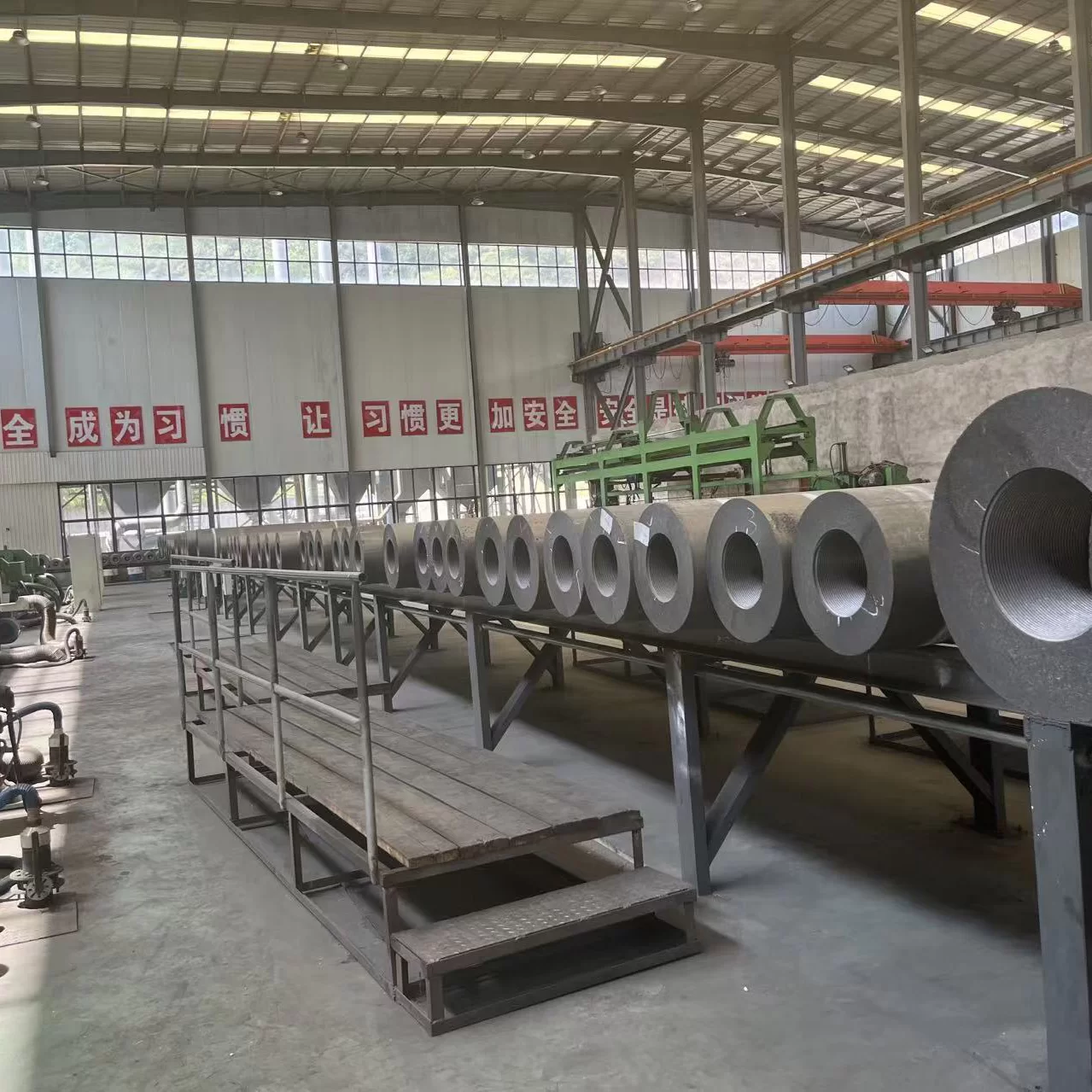
Optimizing Smelting Efficiency with Premium Graphite Blocks for Casting
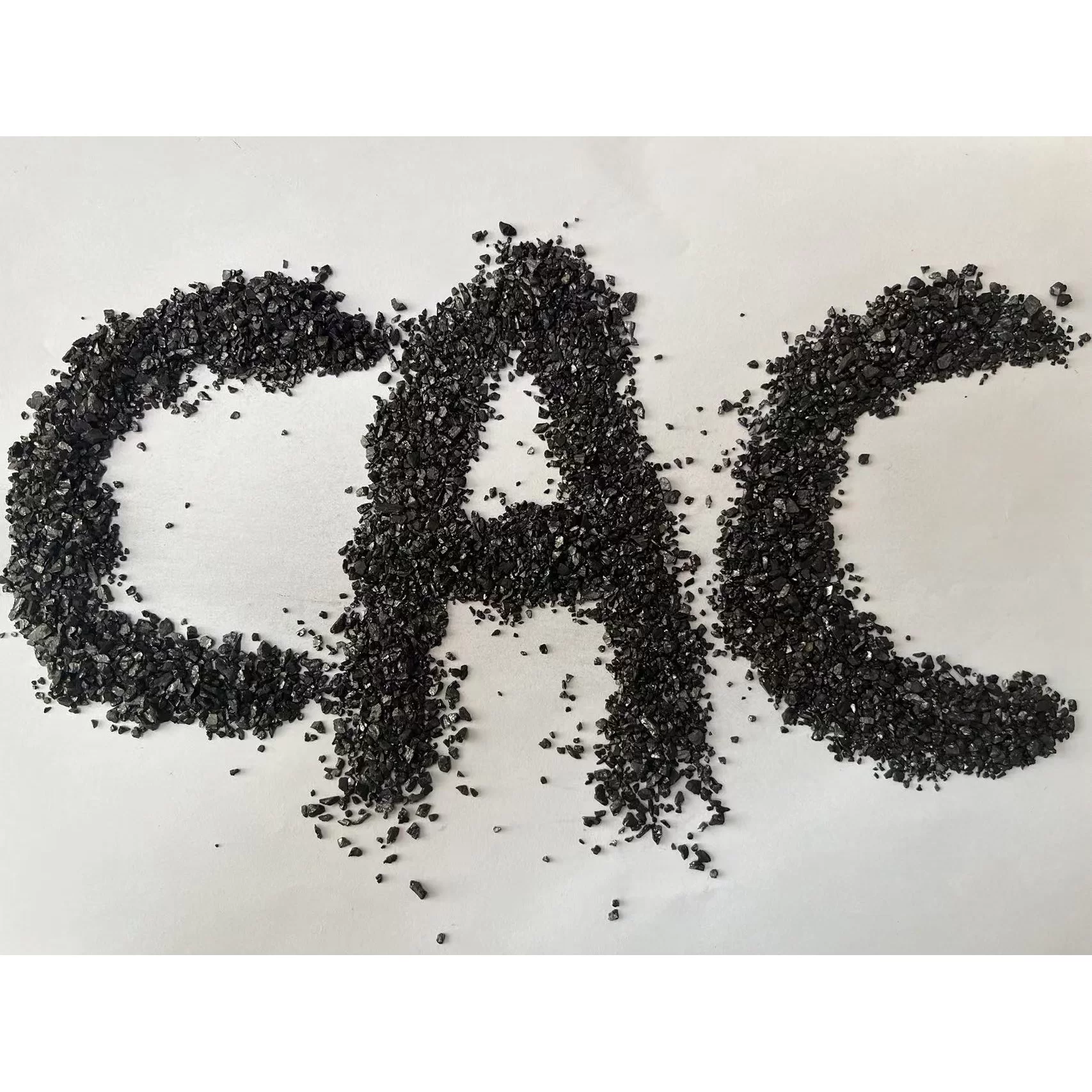
In the demanding world of metallurgical production, the choice of carbon materials can make or break the efficiency of a smelting operation. High-quality graphite blocks for casting provide the essential thermal stability and structural integrity required for high-temperature environments. Whether used as a fuel source or a reducing agent, these engineered carbon materials are designed to withstand extreme thermal shocks while maintaining a consistent burn. By utilizing advanced carbonization processes reaching 1300°C, these blocks ensure that molten metal purity is maintained and energy consumption is minimized. This guide explores how selecting the right graphite and carbon solutions can transform your industrial casting process.

The Role of High-Density Graphite Blocks for Casting in Metallurgy
The primary function of graphite blocks for casting is to provide a stable, high-temperature carbon source that facilitates the melting of iron and alloys. Unlike standard coke, premium casting blocks are optimized for air permeability, ensuring that the blast air moves efficiently through the furnace bed. This results in uniform heating and a significantly faster melting cycle. Furthermore, the high fixed carbon content maximizes energy output, reducing the overall amount of fuel required per ton of molten metal produced. This not only lowers operational costs but also reduces the environmental footprint of the smelting facility.
Industry Insight: High-temperature carbonization at 1300°C removes volatile matter, creating a denser material that prevents premature degradation and minimizes waste during the charging process.
Technical Specifications of Casting Carbon Materials
When sourcing graphite blocks for casting, engineers must prioritize parameters such as sulfur content and crushing strength. Low sulfur is critical because impurities can migrate into the molten iron, leading to brittleness in the final cast product. Our premium blocks are engineered to provide a balance of high mechanical strength and low reactivity, ensuring that the support column remains stable even under the weight of a full furnace charge. Below are the typical specifications for our high-performance casting materials:
Comparing Graphite Blocks for Casting vs. Standard Coke
Many foundries wonder if the investment in premium graphite blocks for casting is justified compared to standard metallurgical coke. The primary difference lies in the structural density and the purity of the carbon. Standard coke often has irregular shapes and higher volatile matter, which can lead to unstable furnace pressure and increased downtime. In contrast, engineered casting blocks provide a consistent support column, which is vital for continuous smelting operations in large-scale industrial plants.
Economic Advantages of Premium Blocks:
• Reduced Downtime: Superior physical durability prevents furnace collapses.
• Energy Savings: Higher fixed carbon means fewer loads of fuel are needed.
• Quality Assurance: Low impurities eliminate the need for expensive secondary refining.
Industrial Applications of Specialized Graphite Blocks
The versatility of graphite blocks for casting extends far beyond simple iron melting. They are widely utilized in ferroalloy production, non-ferrous metal smelting, and the manufacturing of refractory materials. In the chemical industry, these blocks serve as stable carbon additives for high-temperature reactions. Their ability to maintain structural integrity at 1300°C makes them the gold standard for cupola furnaces and molten steel overheating processes where stability is non-negotiable.

Ensuring Quality Control in Carbon Production
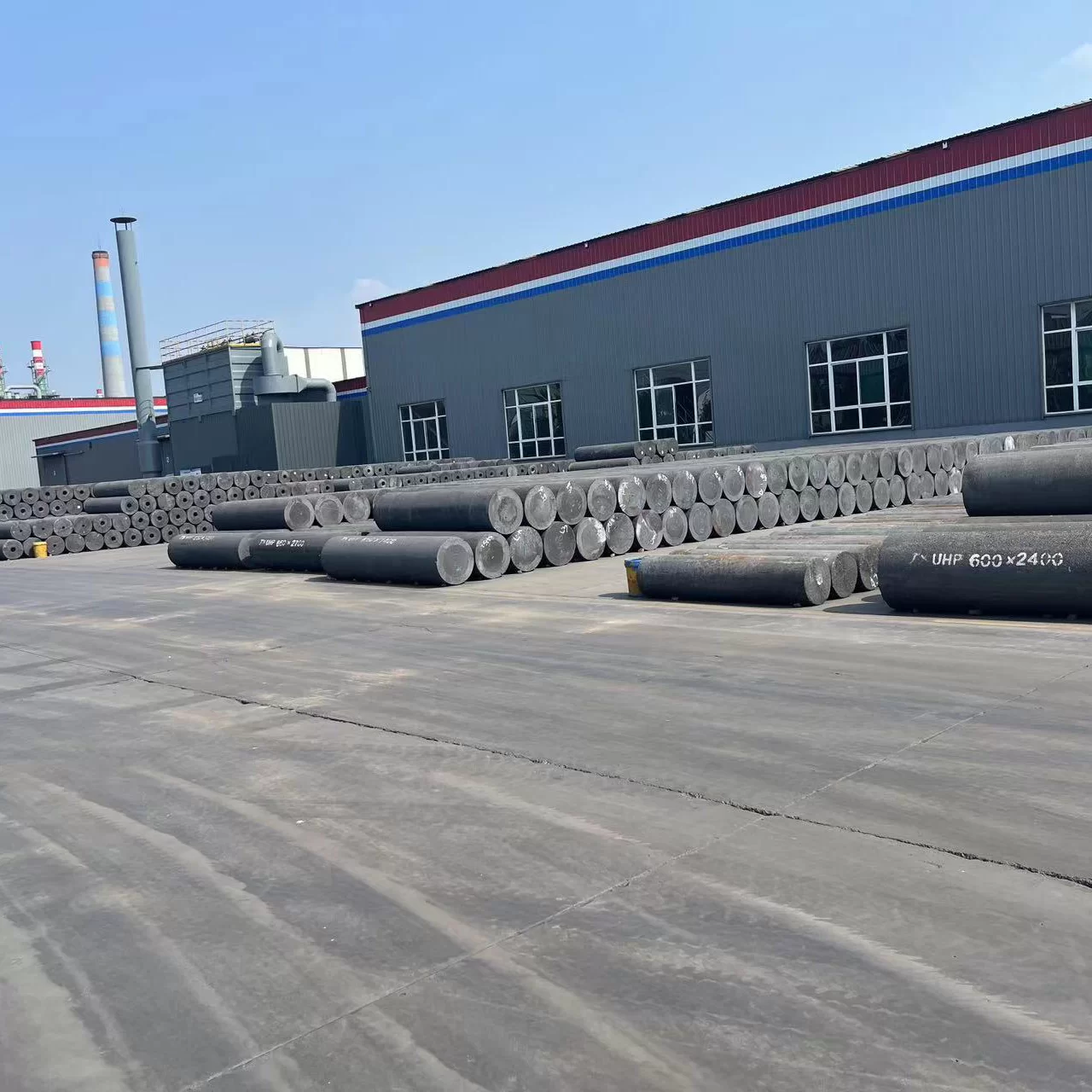
To guarantee that graphite blocks for casting meet international metallurgical standards, a rigorous multi-stage testing system is employed. From the blending of premium coal varieties to the final thermal processing, every batch is monitored for sulfur levels and carbon concentration. This precision ensures that global export standards are met, allowing for seamless trade and integration into diverse smelting environments worldwide. Our R&D continues to focus on low-emission carbon materials to support sustainable industrial growth.
Selecting the Right Dimensions for Your Furnace
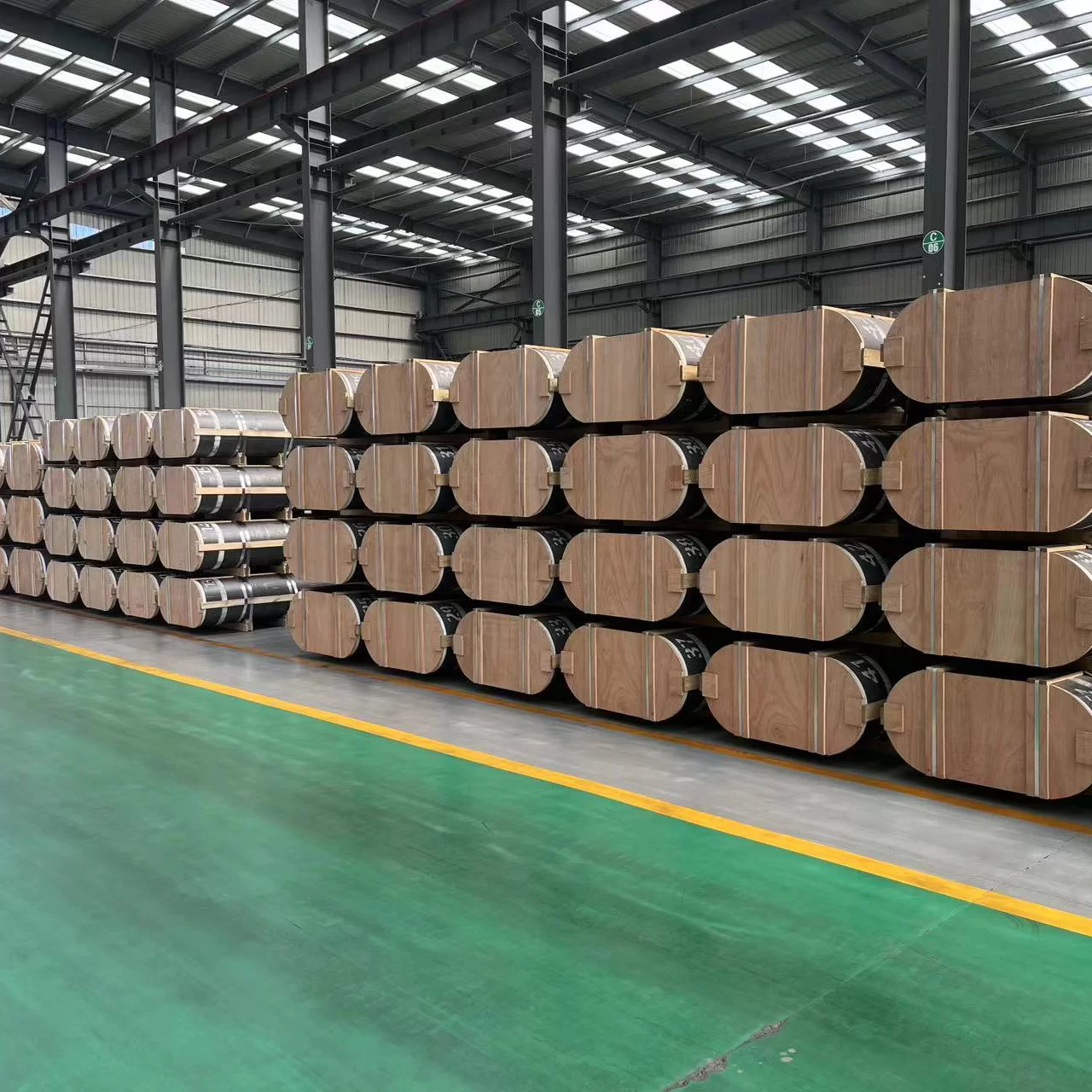
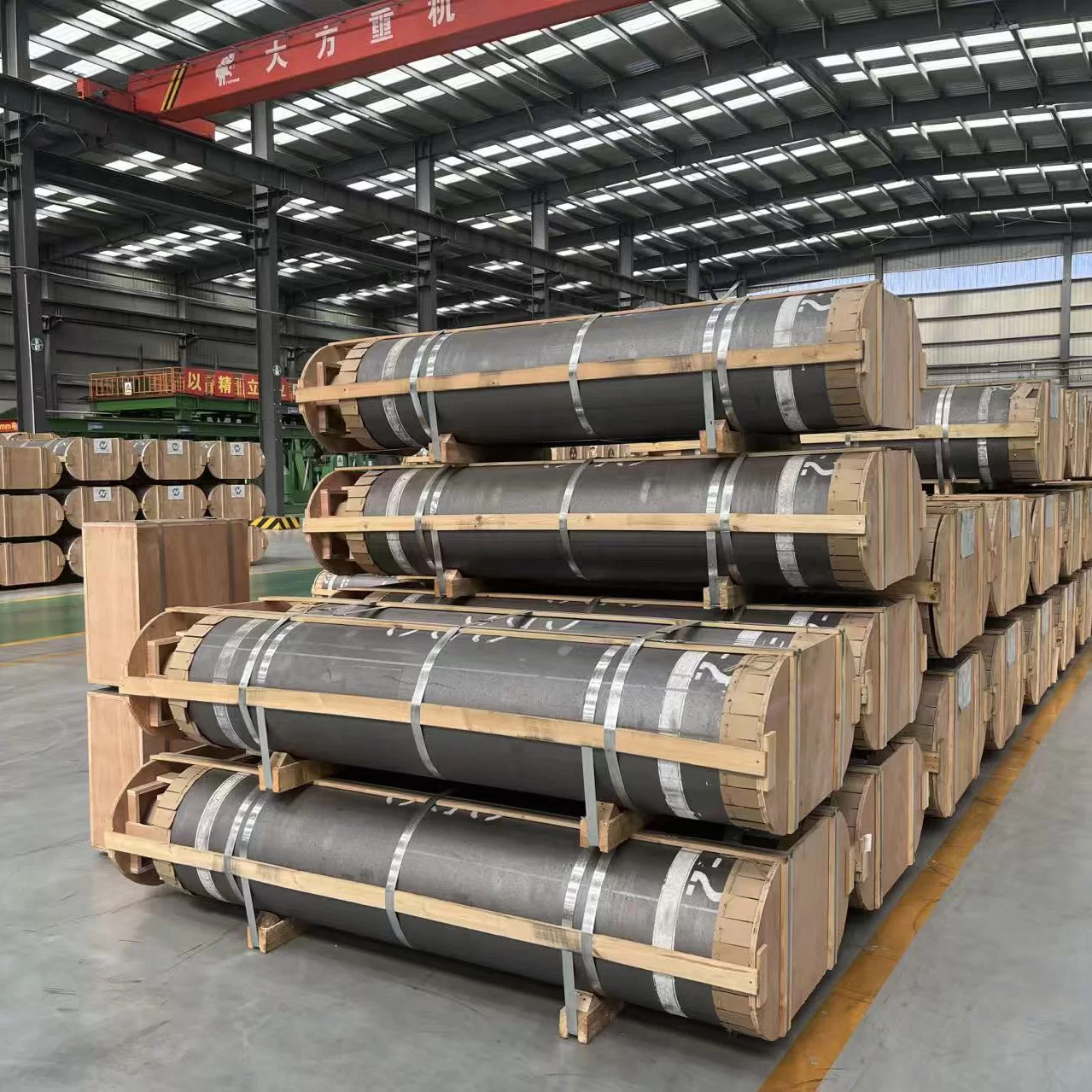
Not all furnaces are created equal, and neither are the carbon blocks they require. The size and shape of graphite blocks for casting must be matched to the specific cupola furnace requirements to ensure optimal airflow. Larger blocks generally provide better structural support and permeability, while custom-sized blocks may be needed for specific additive manufacturing processes. We offer custom specification abilities to adjust block size and parameters, ensuring that your supply chain remains optimized for continuous furnace operation.
Conclusion: Enhancing Metallurgy with Advanced Carbon Solutions
The integration of high-performance graphite blocks for casting is a strategic investment for any modern foundry. By prioritizing high fixed carbon, low sulfur, and superior mechanical strength, manufacturers can achieve faster melting cycles, higher metal purity, and significantly reduced operational waste. As the industry moves toward more sustainable and efficient smelting, choosing a partner dedicated to R&D and quality control is essential. Elevate your production standards today with precision-engineered carbon materials.
Frequently Asked Questions (FAQs)
How do graphite blocks for casting differ from standard metallurgical coke?
Graphite blocks designed specifically for casting are optimized for the unique needs of cupola furnaces. They typically feature larger, more uniform block sizes, significantly lower chemical reactivity, and higher crushing strength. While standard coke may be sufficient for general smelting, these specialized blocks ensure superior air permeability and structural stability, preventing the "hanging" or "slipping" of the charge, which leads to a more consistent and efficient melting process.
Why is the 1300°C processing temperature important?
The high-temperature carbonization process at 1300°C is crucial for removing volatile matter and impurities. By driving off these components, the material achieves a much higher concentration of fixed carbon and a denser physical structure. This results in a product that is not only more energy-efficient but also mechanically stronger, capable of supporting the weight of the iron charge without crushing into fines, which would otherwise block airflow and slow down production.
How does low sulfur content impact the final cast product?
Sulfur is a detrimental impurity in the smelting process. If the carbon source contains high levels of sulfur, it can contaminate the molten iron, leading to "hot shortness" or increased brittleness in the final casting. This reduces the mechanical properties of the metal and increases the rate of product failure. By using graphite blocks for casting with ultra-low sulfur content, foundries can ensure a high-purity melt and superior metallurgical quality.
Can these blocks be customized for specific furnace types?
Yes, we provide extensive customization options. Depending on the furnace size, the type of metal being melted, and the required melting rate, we can adjust the block dimensions, density, and carbon specifications. Customization ensures that the airflow (permeability) is perfectly tuned to the blast pressure of your specific equipment, maximizing thermal efficiency and reducing the risk of operational instabilities.