Understanding Petroleum Coke Calcination: Process and Importance
In the world of industrial carbon materials, the process of petroleum coke calcination plays a pivotal role in transforming raw "green" coke into a high-value industrial feedstock. This thermal treatment is essential for removing volatile components and improving the structural integrity of the carbon, making it suitable for demanding applications like aluminum smelting and graphite electrode production. Without this critical step, the carbon would be too porous and chemically unstable for high-temperature industrial use. In this guide, we will explore the technical nuances and operational advantages of this sophisticated process.

The Fundamental Science of Petroleum Coke Calcination
The core objective of petroleum coke calcination is the elimination of volatile organic compounds (VOCs) and moisture. Green petroleum coke contains a significant amount of sulfur and hydrogen, which can lead to structural failure or excessive emissions if not removed. By heating the coke to temperatures typically ranging between 1,200°C and 1,500°C in an oxidizing atmosphere, the material undergoes a phase change. This process increases the bulk density and electrical conductivity of the carbon, ensuring it can withstand the extreme electrical currents required in smelting furnaces.
Technical Insight: The removal of volatiles reduces the porosity of the coke, which prevents the absorption of unwanted chemicals and increases the mechanical strength of the final calcined product.
Key Stages in the Calcination Workflow
Achieving a consistent quality of calcined coke requires a meticulously controlled environment. The workflow usually begins with the feeding of raw petroleum coke into a rotary kiln or a vertical furnace. During the heating cycle, the coke is exposed to high-velocity air, which helps in the uniform distribution of heat. The temperature gradient is carefully managed to avoid "over-burning," which could lead to the loss of too much carbon. Once the target temperature is reached, the material is cooled rapidly to preserve its crystalline structure before being screened for size consistency. Professional petroleum coke calcination services ensure that these variables are balanced for maximum efficiency.

Comparison: Green Coke vs. Calcined Petroleum Coke
To understand the value of the calcination process, one must look at the physical and chemical differences between the raw material and the finished product. Green coke is characterized by high volatility and lower density, making it unsuitable for high-performance electrodes. In contrast, the result of petroleum coke calcination is a stable, dense, and highly conductive material. The following table highlights these critical distinctions:
Industrial Applications of Calcined Coke
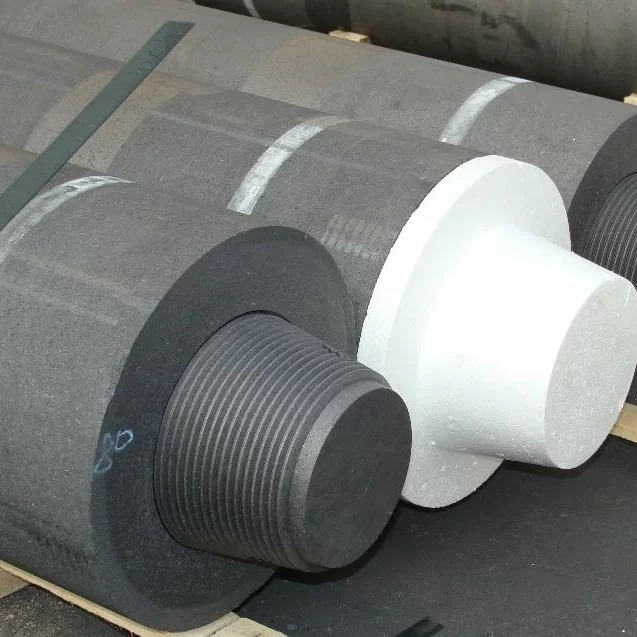
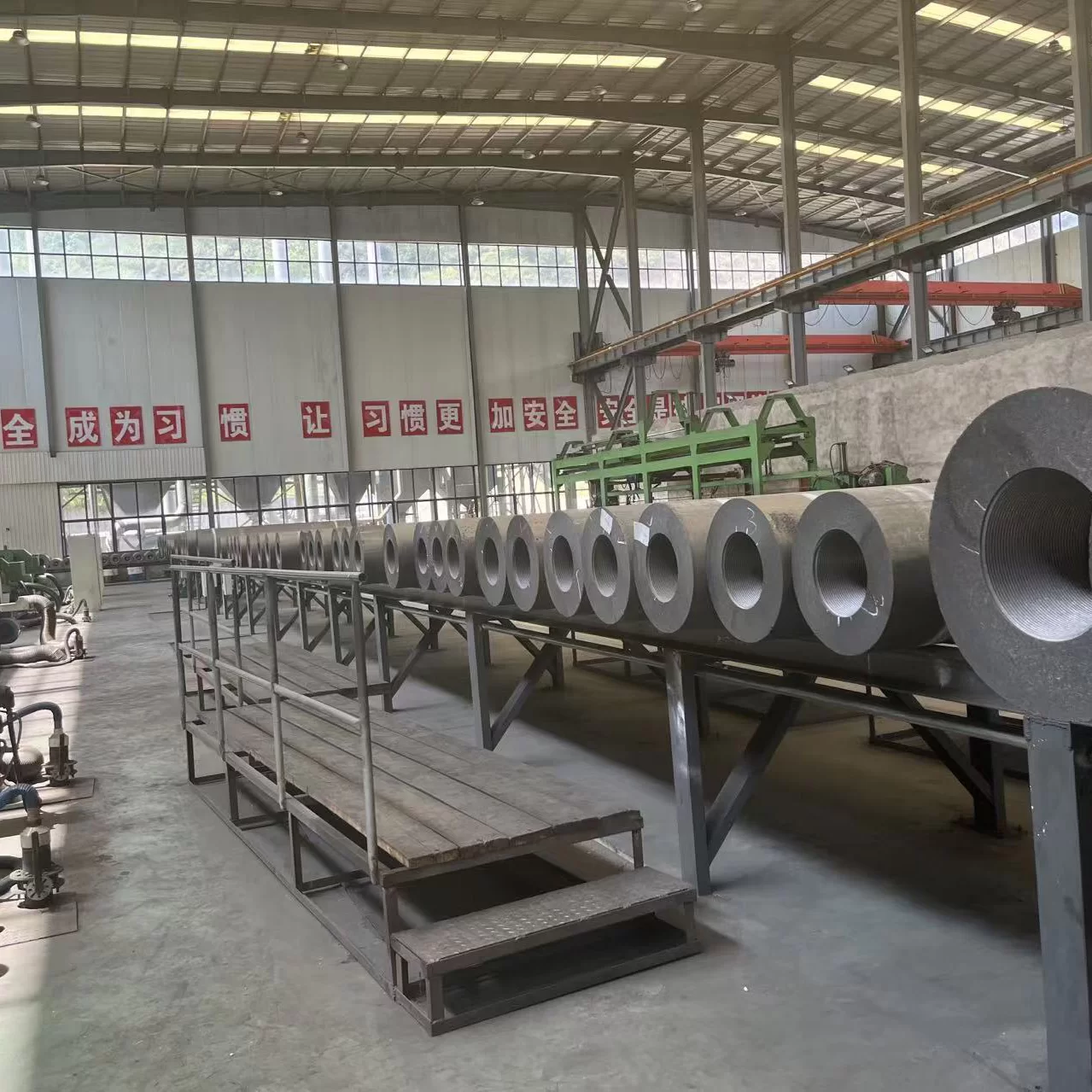
The output of petroleum coke calcination is indispensable in several heavy industries. In the aluminum industry, calcined coke is the primary ingredient for carbon anodes used in Hall-Héroult cells. Its low volatility ensures that the anode does not crack or expand unpredictably during the smelting process. Furthermore, it is the critical precursor for graphite electrodes used in electric arc furnaces (EAF) for steel production. These electrodes must carry immense electrical loads, a feat only possible thanks to the densification and purification achieved during calcination.
Primary Application Sectors:
• Aluminum Smelting: High-purity carbon anodes.
• Steel Manufacturing: Graphite electrodes for EAF.
• Specialty Chemicals: Carbon supports for catalysts.
• Refractories: High-temperature lining materials.
Technical Specifications for Quality Control
Quality assurance in petroleum coke calcination is determined by several key metrics. Sulfur content is one of the most watched parameters, as excessive sulfur can contaminate the final aluminum or steel product. Similarly, the grain size distribution must be tightly controlled to ensure optimal packing density during the molding of anodes. Below is a typical specification table for industrial-grade calcined petroleum coke:
Conclusion: Maximizing Value through Calcination
The process of petroleum coke calcination is far more than just heating carbon; it is a precise engineering task that determines the viability of global aluminum and steel production. By carefully controlling temperature and airflow, manufacturers can transform a byproduct of oil refining into a high-performance industrial asset. For companies looking to enhance their production efficiency and product longevity, partnering with experts in carbon treatment is the most strategic path forward. Quality calcination ensures stability, conductivity, and sustainability in the most demanding industrial environments.
Frequently Asked Questions (FAQs)
What is the main difference between green coke and calcined coke?
The primary difference lies in the volatility and density. Green petroleum coke contains volatile organic compounds and moisture that can cause it to expand or crack when heated in an industrial furnace. Calcined coke has undergone a thermal treatment process that removes these volatiles, resulting in a material with significantly higher density, better electrical conductivity, and superior mechanical strength. This makes calcined coke the only suitable choice for high-current applications like aluminum anode production.
At what temperature does petroleum coke calcination occur?
Typically, petroleum coke is calcined at temperatures between 1,200°C and 1,500°C. The exact temperature depends on the desired end-use of the product and the initial composition of the green coke. If the temperature is too low, volatile matter may remain, compromising the product's stability. If it is too high, there is a risk of excessive carbon loss or structural degradation. Precision control systems are used in modern kilns to maintain these tight tolerances.
How does sulfur content affect the calcination process?
Sulfur is a natural impurity in petroleum coke. During the calcination process, a portion of this sulfur is removed as sulfur dioxide gas. However, the remaining sulfur content is critical because it affects the purity of the final industrial product. For instance, in aluminum smelting, high sulfur levels can lead to increased emissions and reduced anode life. Therefore, selecting a raw green coke with a sulfur profile that matches the target specification is essential for a successful calcination outcome.
Can calcined coke be used for any type of carbon electrode?
While calcined petroleum coke is a versatile material, not all grades are suitable for every application. Different electrodes require different levels of purity, grain size, and conductivity. For example, graphite electrodes for steel furnaces require a higher degree of graphitization beyond simple calcination. However, calcined coke serves as the indispensable foundation for these processes. You can explore the various grades and their specific applications on the DAH Carbon official website.