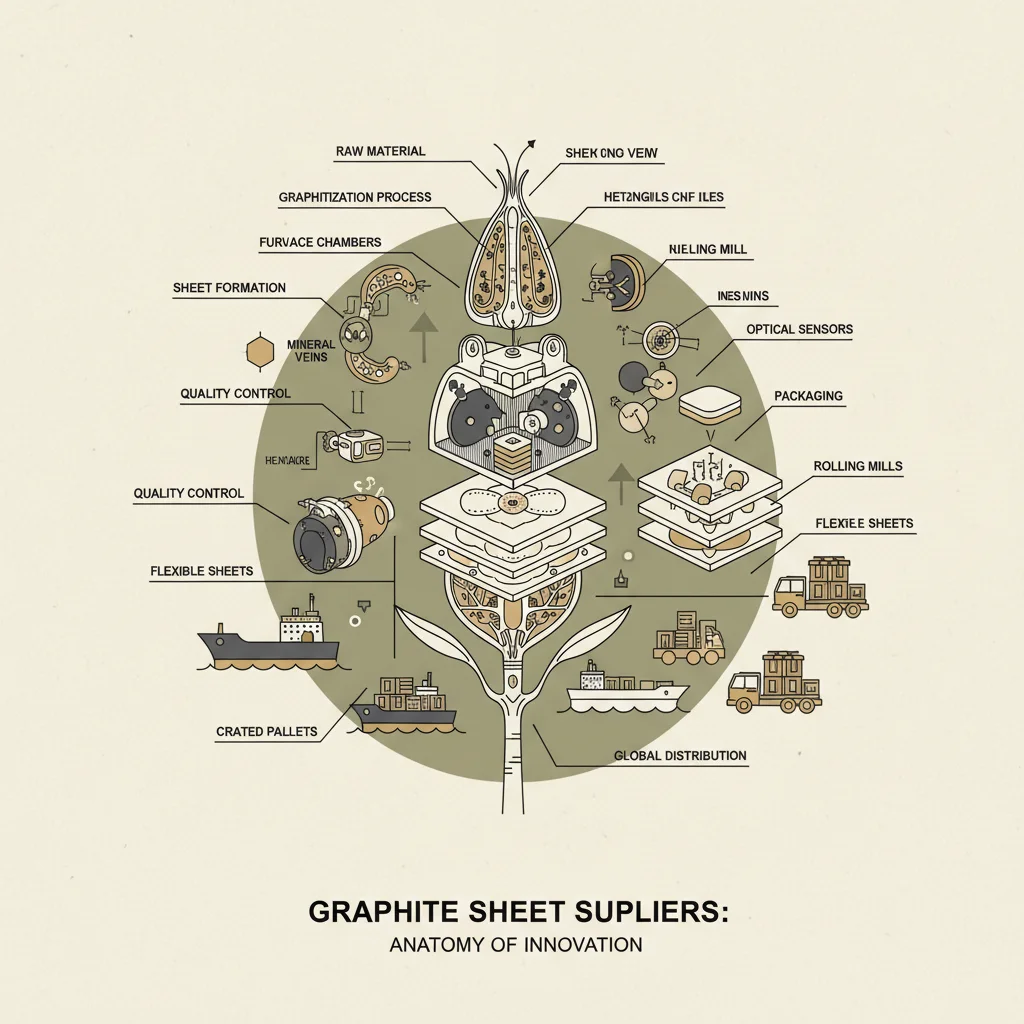
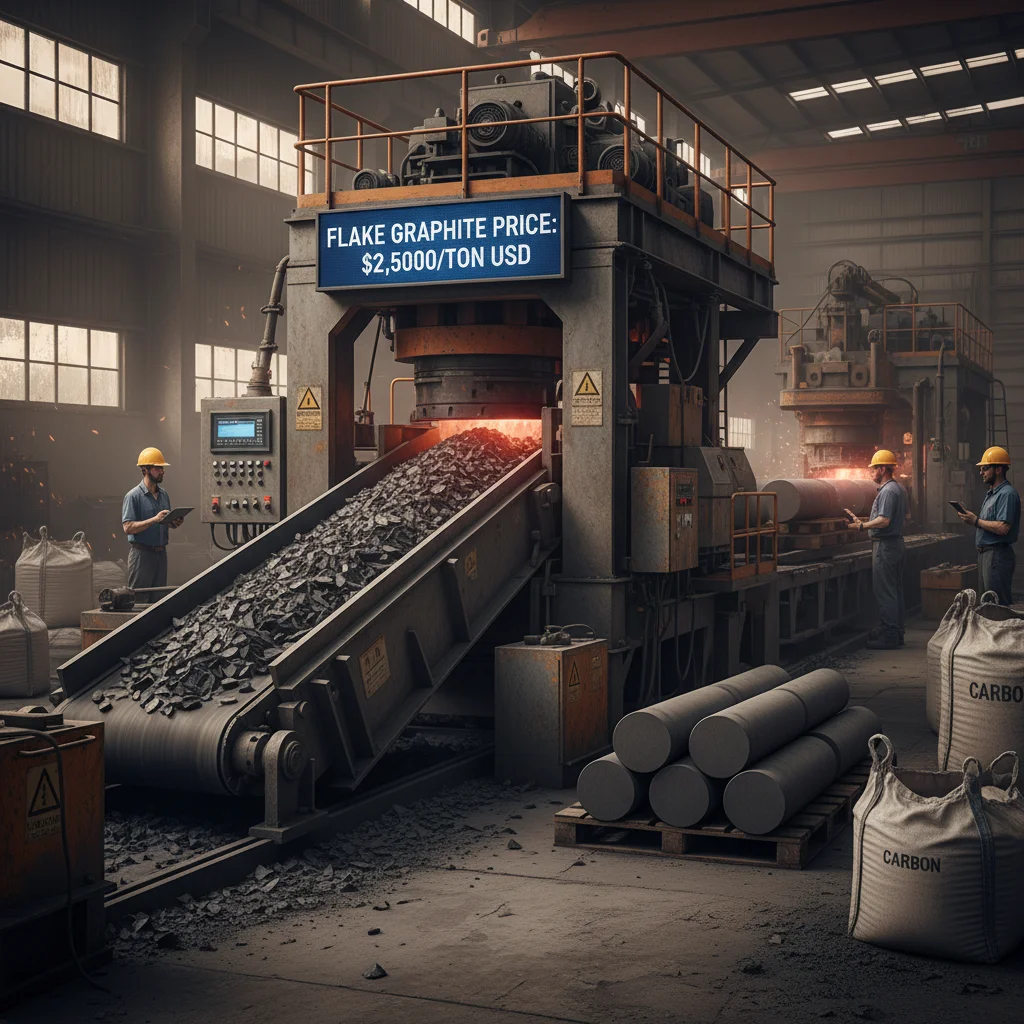
In the demanding world of metallurgy and precision casting, the pursuit of material purity and structural integrity is paramount. graphite packing rings, often conceptualized through the lens of high-performance graphitized petroleum coke, represent a critical intersection of chemical engineering and industrial application. By transforming amorphous carbon into a crystalline hexagonal lamellar structure, industries can achieve unprecedented control over the nucleation and quality of steel and iron alloys.
The global demand for high-carbon additives has surged as automotive and aerospace sectors demand materials with higher ductile iron content and improved grey cast iron grades. Understanding the transition from calcined petroleum coke to graphitized carbon is essential for any facility aiming to reduce costs by minimizing expensive nucleating agents while maximizing the ferrite content of their final products.
Beyond simple carbon raising, the application of these advanced graphite materials extends into wastewater treatment and aluminum electrolysis. Whether utilized as a reducing agent or a refractory material, the technical specifications—ranging from sulfur control to mechanical strength—determine the efficiency of the entire production cycle, ensuring that the final industrial components meet rigorous ISO and global quality standards.

The Material Science of Graphite Packing Rings
The fundamental essence of graphite packing rings and related carbon additives lies in the process of graphitization. This involves subjecting petroleum coke to extreme temperatures—approximately 3000 degrees Celsius—within a specialized furnace. This thermal treatment converts the amorphous, chaotic carbon structure into a highly ordered hexagonal lamellar crystalline structure, essentially turning petroleum coke into high-grade graphite.
This crystalline transformation is what gives the material its exceptional properties, including high electrical conductivity and thermal stability. By refining the microstructure, the material becomes an ideal carbon raiser for producing high-quality steel, cast iron, and various alloys, ensuring a consistent distribution of carbon throughout the melt.
Core Technical Components and Performance
The performance of graphite packing rings is primarily dictated by the purity of the raw materials and the precision of the graphitization process. Key factors include the minimization of ash, sulfur, and phosphorus levels. Low-sulfur variants are particularly critical in the ductile and grey iron casting industries, where sulfur control is mandatory to prevent the degradation of mechanical properties.
Mechanical strength is another cornerstone of high-quality carbon additives. The ability of the material to withstand handling and transport without excessive crumbling ensures that the intended particle size—ranging from 0-50mm—remains consistent. This consistency is vital for predictable reaction rates during the smelting process, preventing localized carbon concentrations.
Furthermore, the distinction between calcined petroleum coke (CPC) and graphitized petroleum coke (GPC) is a critical technical detail. While CPC provides a reliable base, the continuous graphitization process at 2600°C or higher creates the specific crystalline structure required for advanced inoculants and carburizers used in special steel smelting.
Industrial Applications and Process Integration
In the foundry industry, graphite packing rings serve as an essential breeder. By promoting the nucleation of graphite in the iron solution, these additives significantly increase the amount of ductile iron. This allows manufacturers to achieve a higher grade of grey cast iron with a more refined organizational structure.
The integration of these materials into the production line allows for a substantial increase in the proportion of V-shaped and VI-shaped graphite. Microstructure observations confirm that the ferrite content of ductile iron can be greatly increased without the need for additional pearlite stabilizers, simplifying the alloying process.
Beyond the furnace, the versatility of graphitized carbon extends to aluminum electrolysis cells, where it serves as a key raw material for graphite cathodes. Additionally, its ability to act as a heavy metal absorbent makes it an innovative solution for industrial wastewater treatment, showcasing a bridge between heavy industry and environmental remediation.
Economic Efficiency and Cost Reduction
One of the most compelling arguments for utilizing high-grade graphite packing rings is the direct impact on the bottom line. By improving the shape and quantity of nodular graphite during the casting process, manufacturers can significantly reduce their reliance on expensive nucleating agents.
This reduction in high-cost chemical additives, combined with the increased yield of high-grade ductile iron, leads to substantial cost savings in the fine-tuning phase of production. When scaled across thousands of tons of steel, the efficiency gains in carbon recovery and material usage provide a competitive edge in the global market.
Cost-Efficiency Rating of Carbon Additives
Global Market Reach and Supply Chain
The supply of graphite packing rings and graphitized petroleum coke is a global operation, requiring an efficient supply chain to meet the demands of the metallurgical industry. With capacities reaching approximately 5,000 tons per month, reliable delivery schedules are essential to prevent production bottlenecks in steel mills and foundries.
Customization is a key driver of market success. By offering a comprehensive range of sizes—such as 1-3mm, 1-5mm, 1-10mm, and 1-20mm—and providing custom sifting solutions for sponge calcined coke, suppliers can meet the precise requirements of different industrial furnaces and precision casting molds worldwide.
Sustainability and Environmental Impact
In the era of green manufacturing, the role of graphite packing rings extends beyond carbon raising. The use of high-purity graphitized coke helps in reducing the overall energy consumption of the smelting process by optimizing the reaction efficiency, thereby lowering the carbon footprint per ton of steel produced.
Furthermore, the application of these materials as heavy metal absorbents in wastewater treatment highlights a commitment to sustainability. By capturing toxins from industrial runoff, the material transforms from a production additive into an environmental safeguard, aligning industrial growth with ecological responsibility.
The industry is also moving toward stricter sulfur and phosphorus controls, not only for the quality of the metal but to reduce the emission of harmful byproducts during the smelting process. This transition ensures that the production of high-quality alloy steel is compatible with global environmental regulations.
Future Innovations in Graphitization
The future of graphite packing rings lies in the further refinement of the graphitization process. Research is currently focusing on lowering the energy requirements of the 3000-degree furnace while maintaining the transition from amorphous to hexagonal lamellar structures, utilizing advanced catalyst-assisted graphitization.
Digital transformation is also playing a role, with real-time monitoring of particle size distribution and chemical purity during the crushing and screening phase. This ensures that every batch of graphitized petroleum coke adheres to the most stringent quality standards, reducing waste and increasing precision.
As the world shifts toward renewable energy, the demand for high-performance graphite for battery anodes and aluminum electrolysis for lightweight vehicle frames will continue to drive innovation in the carbon-carbon sector, cementing the role of graphitized coke as a cornerstone of modern industry.
Comparative Analysis of Graphitized Coke Specifications
| Material Grade | Processing Temp | Primary Use Case | Purity Score (1-10) |
|---|
| Calcined Petroleum Coke | Low to Medium | General Carbon Raiser | 7 |
| Low-Sulfur CPC | Medium | Ductile Iron Casting | 8 |
| Graphitized Coke (GPC) | 2600°C+ | Special Steel Smelting | 9 |
| Ultra-High Pure Graphite | 3000°C+ | Precision Casting | 10 |
| Sponge Calcined Coke | Medium | Custom Industrial Additive | 7 |
| Industrial Graphite Cathode | High | Aluminum Electrolysis | 9 |
FAQS
The primary difference is the crystalline structure. Graphitized petroleum coke undergoes treatment at temperatures above 2600°C, transforming its amorphous carbon into a hexagonal lamellar structure. This results in higher purity, better conductivity, and superior nucleation properties in ductile iron casting, which standard calcined coke cannot provide.
By enhancing the nucleation of graphite in iron solutions, these materials increase the amount of ductile iron and improve the grade of grey cast iron. This efficiency allows manufacturers to significantly reduce the use of expensive nucleating agents during the fine-tuning stage, leading to substantial operational savings.
Yes, graphitized petroleum coke is highly effective as a reducing agent in the metallurgical industry and serves as a heavy metal absorbent in industrial wastewater treatment. This makes it a versatile material that supports both production efficiency and environmental remediation efforts.
We provide a comprehensive range of sizes to meet specific furnace and molding requirements. Calcined coke is available in 1-3mm, 1-5mm, 1-10mm, and 1-20mm, while graphitized petroleum coke is typically tailored between 0-50mm based on customer specifications.
Sulfur can act as a contaminant that negatively affects the mechanical properties and structural integrity of ductile and grey iron. By using low-sulfur calcined or graphitized petroleum coke, manufacturers ensure the high-quality standards of the final alloy are met without compromising strength.
Petroleum coke is placed in a high-temperature graphitization furnace and heated to approximately 3000°C. This extreme heat reorganizes the carbon atoms from a chaotic amorphous state into the ordered crystalline structure characteristic of graphite, which is then crushed and screened for size.
Conclusion
The strategic implementation of graphite packing rings and high-grade graphitized petroleum coke is a game-changer for the modern metallurgical industry. From the precise control of graphite nucleation in ductile iron to the reduction of expensive chemical additives, the transition from amorphous carbon to a crystalline structure provides tangible economic and technical advantages. By focusing on purity, sulfur control, and mechanical strength, manufacturers can ensure the longevity and quality of their alloys while adhering to global environmental standards.
Looking forward, the integration of smarter graphitization processes and a commitment to sustainable wastewater treatment will further elevate the value of these carbon materials. We encourage industrial leaders to audit their current carbon additives and explore the benefits of graphitized solutions to optimize their production cycles. For more information on our custom carbon solutions and high-purity graphite products, visit our website: www.dahcarbon.com.