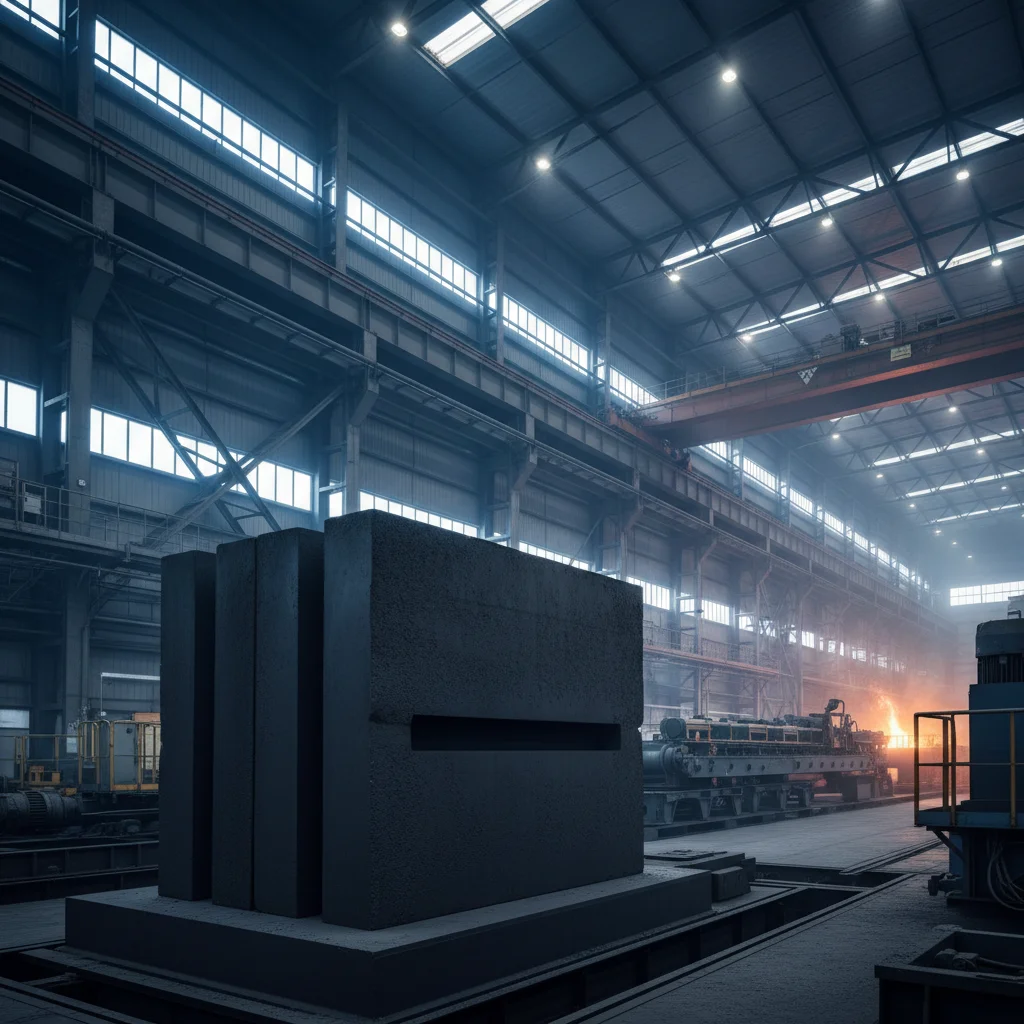
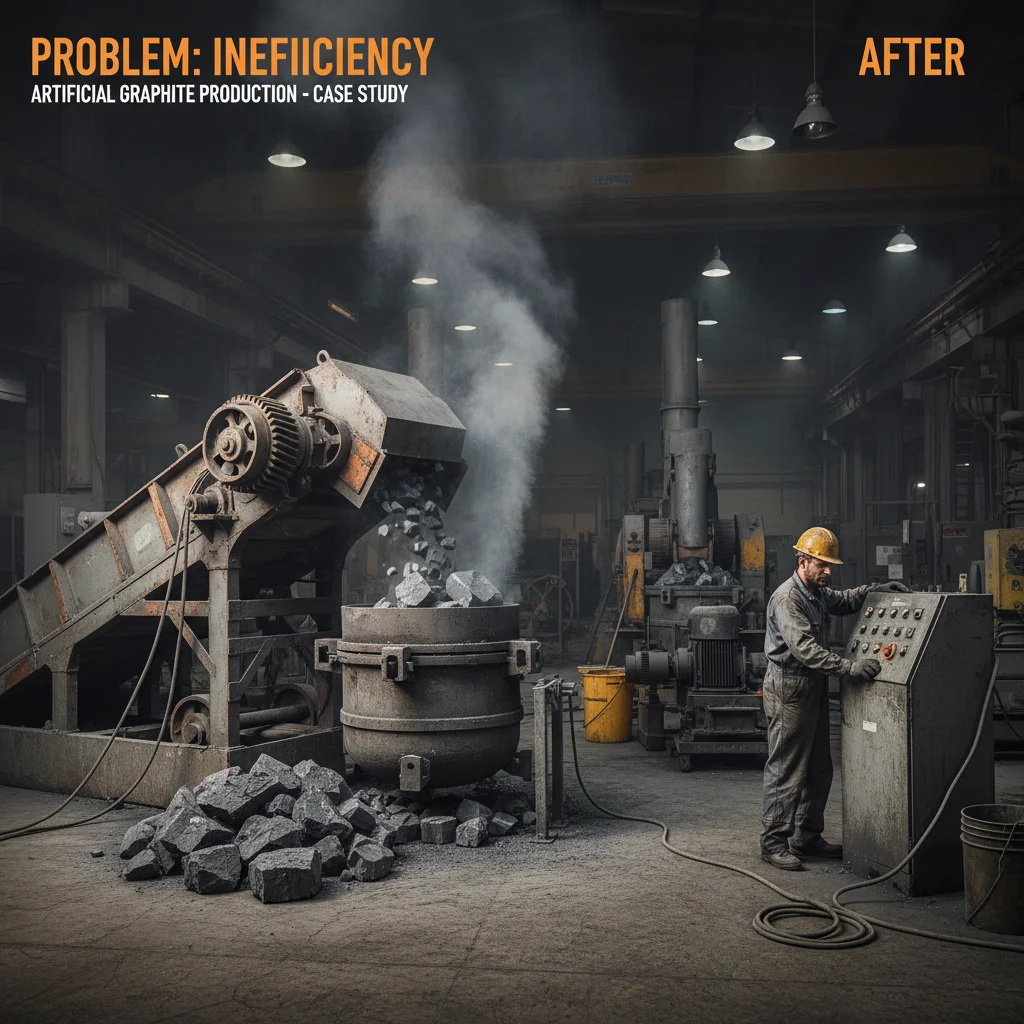
The global industrial landscape relies heavily on high-performance carbon materials to drive the efficiency of smelting and refining processes. Among the key players in this supply chain, graphite electrode manufacturers play a pivotal role by providing the conductive components necessary for electric arc furnaces, which are the backbone of modern steel production. Understanding the synergy between raw material purity and the final electrode performance is essential for achieving operational excellence in metallurgy.
The quality of these components is directly influenced by the precursors used during the manufacturing process, such as high-purity calcined anthracite coal. By eliminating volatile matter and enhancing density through rigorous thermal treatment, producers can ensure that the resulting electrodes withstand extreme temperatures and electrical loads. This technical precision allows industrial operators to reduce downtime and optimize energy consumption across their production lines.
For enterprises seeking to enhance their production capacity, partnering with experienced graphite electrode manufacturers ensures a steady supply of materials that meet international standards for conductivity and mechanical strength. By focusing on the integration of premium recarburizers and refined carbon blocks, the industry continues to push the boundaries of thermal stability and efficiency.

The Role of Carbon Precursors for Graphite Electrode Manufacturers
The production of high-grade graphite electrodes begins long before the shaping process, starting instead with the selection of premium raw materials. For professional graphite electrode manufacturers, the use of Calcined Anthracite Coal (CAC) is critical. By processing high-grade anthracite in specialized vertical shaft furnaces at temperatures between 800°C and 1240°C, the raw material undergoes a transformation that removes moisture and volatile matter, creating a dense, high-purity carbon base.
This thermal refining process is what allows for the subsequent creation of electrodes with superior electrical conductivity and mechanical strength. Without this rigorous calcination phase, the resulting carbon products would lack the structural integrity needed to survive the harsh environment of an electric steel oven, where temperature fluctuations and chemical erosion are constant challenges.
Technical Standards in Carbon Material Processing
Achieving a high fixed carbon content—often ranging from 80% up to 95%—is the primary objective for manufacturers focusing on industrial-grade carbon. This level of purity ensures that the material possesses low resistivity, which is essential for the efficient transfer of electrical energy in heavy industrial applications. By minimizing ash and sulfur content, producers can prevent contamination in the final steel or alloy products.
Moreover, the use of DC electric calciners allows for precise control over the thermal gradient, ensuring that the carbon structure is uniform. This uniformity is vital for graphite electrode manufacturers who must guarantee that their products do not have internal voids or structural weaknesses that could lead to premature failure under high current loads.
The mechanical strength of the processed coal also plays a significant role in the longevity of the final electrode. Enhanced anti-oxidation properties, developed during the high-temperature calcination process, protect the material from rapid consumption, thereby reducing the frequency of electrode replacement and lowering overall operational costs for the end-user.
Impact of Calcined Anthracite on Electrode Durability
The durability of a graphite electrode is inextricably linked to the physical structure of its carbon components. When graphite electrode manufacturers utilize refined calcined anthracite, they benefit from a material with high density and low impurities, which translates to a lower wear rate during the smelting process.
From a technical standpoint, the reduction of volatile matter in the precursor material prevents the formation of gas pockets during the baking phase of electrode production. This ensures that graphite electrode manufacturers can produce components with exceptional thermal stability and resistance to thermal shock.
Furthermore, the optimized electrical properties of high-purity CAC allow for a more stable arc in electric furnaces. This stability not only improves the quality of the melt but also protects the electrode tips from excessive erosion, extending the service life of the equipment and improving the overall ROI for metallurgy plants.
Comparative Analysis of Carbon Material Performance
Evaluating the performance of different carbon models is essential for selecting the right material for a specific industrial application. Whether the goal is maximizing fixed carbon or minimizing ash content, the choice of model directly impacts the efficiency of the electrode and the quality of the resulting metal.
For instance, comparing a standard grade with a premium high-carbon grade reveals significant differences in conductivity and oxidation resistance. These parameters are the key benchmarks used by graphite electrode manufacturers to categorize their product offerings for diverse market needs.
Performance Metrics for Carbon Materials in Electrode Production
Global Applications of Refined Carbon Products
The applications of high-purity calcined anthracite extend far beyond the walls of electrode factories. In the realm of steelmaking and metallurgy, it serves as a vital recarburizer in electric steel ovens and converters, allowing engineers to adjust carbon content with extreme precision. This ensures that the final steel grade meets the stringent requirements of the automotive, aerospace, and construction industries.
Beyond metallurgy, these materials are utilized in water filtration systems as a stable, high-efficiency filter media. Additionally, the shipbuilding industry employs these granular carbon structures for sandblasting and rust removal, leveraging their mechanical hardness and stability to prepare heavy engineering surfaces for protective coatings.
Sustainability and Innovation in Carbon Production
As the global industry shifts toward "Green Steel" and lower carbon footprints, graphite electrode manufacturers are innovating their production methods to be more sustainable. This includes the implementation of energy-efficient DC electric calciners that reduce emissions during the thermal refining process while maintaining the high purity of the carbon output.
Digital transformation is also playing a role, with automated quality control systems monitoring the fixed carbon and sulfur levels in real-time. This ensures that every batch of material delivered to a furnace is consistent, reducing waste and preventing the failure of expensive electrode components.
The integration of circular economy principles, such as recycling spent carbon materials back into the production cycle of graphite powder and blocks, is becoming a priority. This not only lowers the cost of raw materials but also minimizes the environmental impact of mining high-grade anthracite.
Specification Matrix for Industrial Carbon Models
Selecting the appropriate model of calcined anthracite is a decision based on the specific needs of the end-product. For those producing high-end electrodes, a model with over 90% fixed carbon and minimal ash is required to ensure maximum conductivity and lifespan.
Conversely, for general industrial fuel or water filtration applications, a lower fixed carbon percentage may be acceptable, provided that the sulfur and volatile matter levels remain within the specified limits to prevent chemical contamination.
The following matrix provides a detailed look at the technical specifications available, highlighting the trade-offs between purity, size, and chemical composition that professional graphite electrode manufacturers consider during material procurement.
Technical Specifications of Calcined Anthracite Coal Models
|
Model Number
|
Fixed Carbon (min %)
|
Ash Content (max %)
|
Primary Use Case
|
| HY-CAC-01 |
80% |
18% |
General Industrial Fuel |
| HY-CAC-03 |
90% |
8.5% |
Water Filtration Media |
| HY-CAC-05 |
92% |
6.5% |
Standard Electrode Base |
| HY-CAC-07 |
94% |
4.5% |
Premium Recarburizer |
| HY-CAC-08 |
95% |
3.5% |
High-End Graphite Electrodes |
| Custom Grade |
Variable |
Variable |
Specialized Metallurgy |
FAQS
The primary difference lies in the thermal processing. Calcined anthracite has been heated to 800–1240°C to remove volatile matter and moisture. For graphite electrode manufacturers, this is crucial because it increases the density and electrical conductivity of the material, whereas raw anthracite contains impurities and gases that would cause structural defects in a finished electrode.
High ash content introduces non-conductive impurities into the carbon matrix. This increases electrical resistivity and can lead to "hot spots" or uneven wear on the electrode surface. By utilizing high-purity precursors with low ash (e.g., below 5%), manufacturers can ensure a more stable electrical arc and a longer service life for the component.
Yes, it is extensively used as a high-quality recarburizer. Due to its high fixed carbon content and low sulfur/phosphorus levels, it allows steel mills to accurately adjust the carbon content of the melt without introducing harmful impurities that could compromise the structural integrity of the steel.
Typically, the process occurs between 800°C and 1200°C, though some specialized DC electric calciners reach up to 1240°C. This range is optimized to ensure that almost all volatile organic compounds are expelled while preventing the premature fusion of the carbon particles, maintaining the desired granular structure.
Sulfur is a detrimental impurity in metallurgy. If the carbon materials used by graphite electrode manufacturers have high sulfur levels, those impurities can migrate into the molten steel, leading to "hot shortness" (brittleness) and reducing the overall quality and ductility of the final metal product.
The choice depends on your purity requirements. For high-end graphite electrode production, select HY-CAC-08 (95% Carbon). For water treatment or general industrial use, HY-CAC-01 or 03 may be more cost-effective. We recommend analyzing your specific resistivity and ash tolerance limits before selecting a model.
Conclusion
In summary, the efficiency of modern metallurgy and the quality of graphite electrodes are fundamentally dependent on the purity and processing of carbon precursors. From the rigorous calcination of anthracite at extreme temperatures to the strict control of ash and sulfur levels, every step in the production chain ensures that the final components can withstand the immense electrical and thermal stresses of industrial furnaces. By integrating high-density materials and advanced manufacturing techniques, the industry continues to drive productivity and reliability in heavy engineering.
Looking forward, the evolution of the carbon industry will be defined by the balance between high-performance specifications and environmental sustainability. As automation and green energy technologies integrate into the production of carbon blocks and electrodes, the focus will shift toward maximizing resource efficiency and minimizing waste. For enterprises aiming to stay competitive, investing in high-purity, technically verified carbon materials is not just an operational choice, but a strategic necessity for long-term growth. Visit our website: www.hbdahcarbon.com