

Selecting the Optimal hard or soft coke coal for Industrial Performance
In the demanding sectors of steel manufacturing and metallurgy, sourcing carbon additives is not merely a purchasing decision—it is a critical variable in production stability. Fluctuations in carbon purity, varying moisture content, and inconsistent particle sizes often lead to unpredictable furnace behavior and compromised end-product quality. For procurement managers and engineers, the challenge lies in finding a supply chain that balances cost-efficiency with uncompromising material integrity.
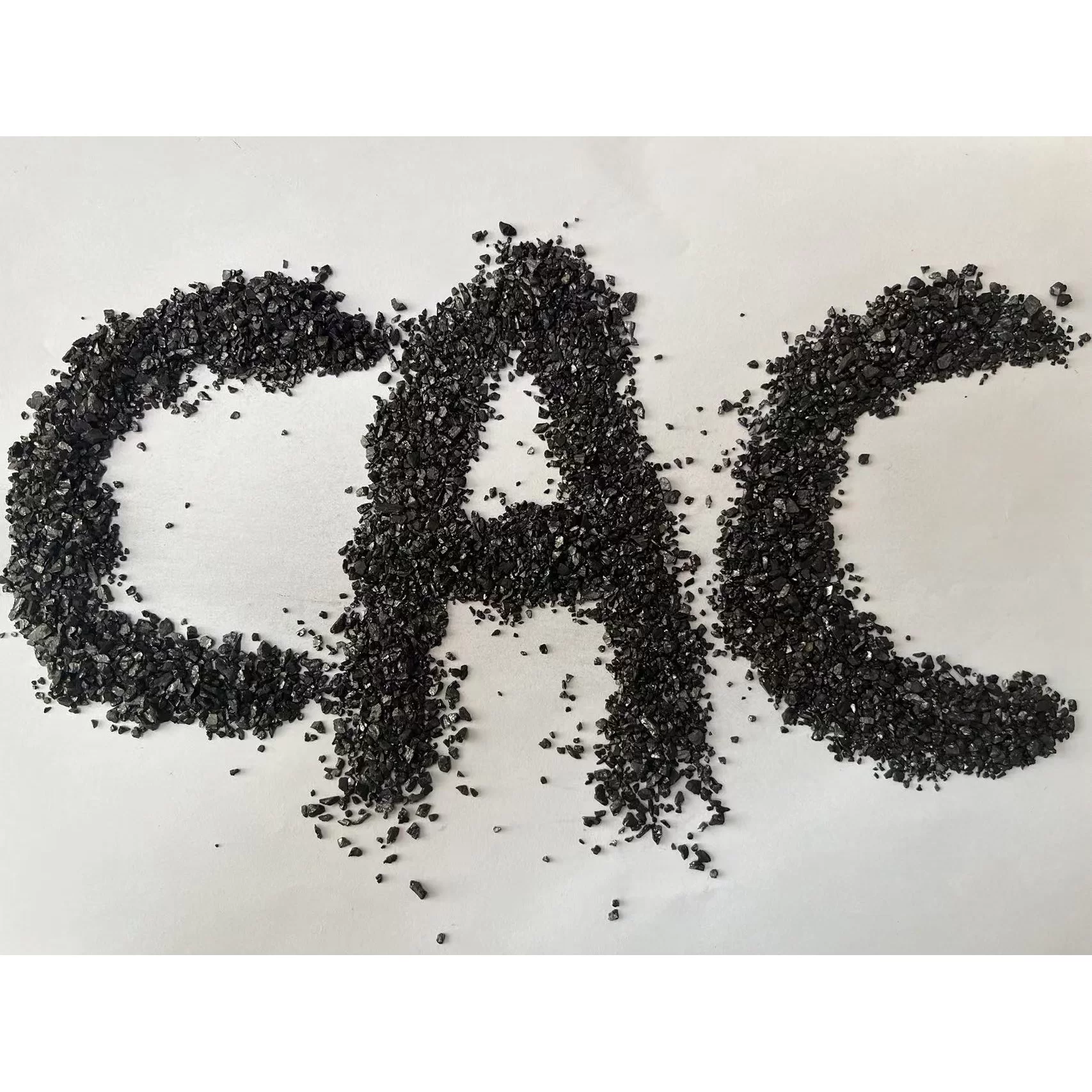
Ding An Heng New Material Technology Co., Ltd. bridges this gap by offering a stable, high-performance alternative to generic market options. As a benchmark Chinese enterprise with over 20 years of experience, we understand that whether your process requires Calcined Petroleum Coke (CPC), Graphitized Petroleum Coke (GPC), or Calcined Anthracite Coal (CAC), the key to efficiency lies in consistency. Supported by an annual comprehensive production capacity of 60,000 tons and a robust facility covering 88,000 square meters, we mitigate supply risks. Our approach ensures that every shipment aligns with the specific chemical and physical requirements of your operation, backed by authoritative certifications from SGS, ISO, and CIQ.
Engineering Standards and Specifications for hard or soft coke coal
Achieving optimal carbon recovery rates in electric arc furnaces or casting processes requires a rigorous adherence to technical specifications. "Hard" or "soft" characteristics in carbon materials often dictate their reactivity and absorption speed. At our facility, standardized labs conduct full-process testing to ensure that our portfolio—ranging from GPC to CAC—meets precise metallurgical standards. By controlling the calcining, baking, and graphitization processes across two complete production lines, we engineer materials that exhibit high purity and strong conductivity.
Below is a breakdown of how our engineering standards elevate the performance of carbon additives compared to general market benchmarks.
| Performance Metric | Industry Significance | Our Engineering Standard | Operational Advantage |
|---|---|---|---|
| Fixed Carbon Content | Determines the efficiency of carbon absorption in molten metal. | High Purity (98.5% - 99%+) verified by internal & SGS labs. | Maximizes heating efficiency and reduces the volume of material required per heat. |
| Electrical Resistivity | Impacts energy consumption during the melting process. | Optimized Conductivity via 20+ years of process refinement. | Lowers electricity consumption and ensures uniform melting profiles. |
| Impurity Control (Sulphur/Ash) | High impurities lead to defective steel and slag formation. | Strict Fractionation during Calcining and Graphitization. | Reduces the need for corrective additives and protects furnace lining life. |
| Thermal Stability | Prevents material breakdown before absorption. | High Temperature Resistance processing. | Ensures stable carbon yield even in ultra-high power furnace environments. |
Maximizing Long-Term ROI with Premium hard or soft coke coal
True value in industrial carbon sourcing is not defined by the lowest price per ton, but by the "Total Cost of Ownership" (TCO). Inconsistent carbon materials can lead to increased energy consumption, prolonged tap-to-tap times, and higher rejection rates of the final steel product. By partnering with a manufacturer that exports to over 250 countries—including key markets in the Middle East, Russia, and Southeast Asia—you are investing in a supply chain optimized for reliability.
Our full-chain operation model, encompassing everything from raw material selection to final machining and packaging, allows us to pass significant value engineering benefits to our clients. With total assets of 600 million and a dedicated technical quality control team, we ensure that our GPC, CPC, and CAC products deliver a predictable, high-yield return. The chart below illustrates the comparative efficiency gains when utilizing high-grade carbon additives versus standard, unverified market alternatives.
Related products


Top Selling Products




How to Choose Polish Varnish Cleaner & Graphite Compound Tools for Your Process

Factors Affecting the Spherical Graphite Price and Market Trends

Industrial Analysis of the Price of Graphite per Pound


