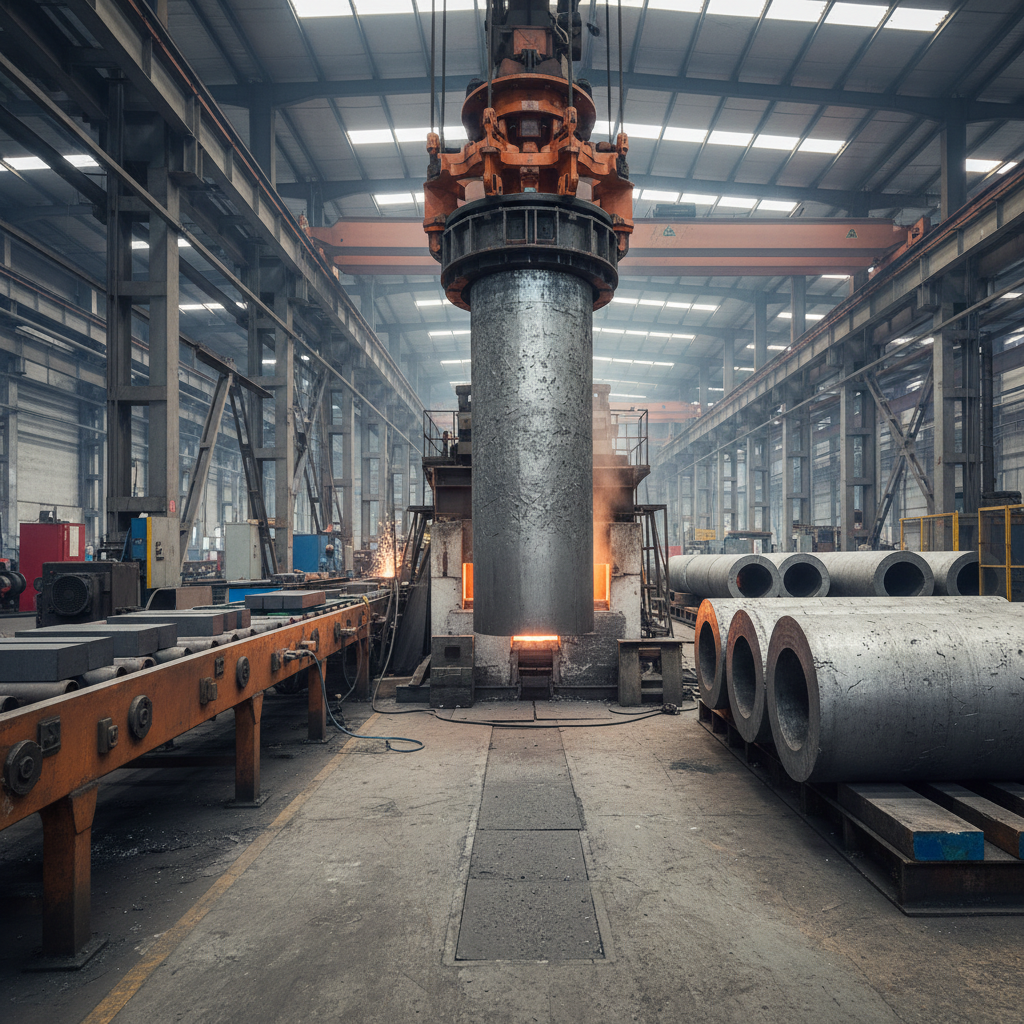
Analyzing the Price of Graphite per Pound for Foundry Coke
Procuring high-performance carbon materials for metallurgical operations requires a deep understanding of how material purity and structural integrity influence smelting efficiency. For foundry managers and procurement specialists, evaluating the price of graphite per pound is often just the starting point; the true value lies in the reduction of fuel consumption and the increase in metal purity. Foundry Coke, processed at extreme temperatures of 1300°C, serves as a critical reducing agent and fuel that ensures stable thermal performance in cupola furnaces.
By optimizing the balance between high fixed carbon and minimal volatile matter, professional-grade Foundry Coke prevents premature degradation and maintains superior air permeability. This technical synergy allows for faster melting cycles and reduced downtime in steelmaking and iron casting environments. Whether you are operating a large-scale ferroalloy plant or a specialized ductile iron foundry, selecting a material with high crushing strength is essential to avoid waste and maintain a consistent support column within the furnace.

Technical Engineering of Foundry Coke and Thermal Stability
Foundry Coke is not a standard metallurgical fuel; it is a high-performance carbon material engineered through a precise blending of premium coal varieties. The core of its efficacy lies in the carbonization process, where materials are subjected to extreme thermal conditions reaching 1300°C. This high-temperature treatment effectively removes volatile matter, resulting in a denser, more stable structure with an exceptionally high concentration of fixed carbon.
From an engineering perspective, the stability of the material under intense heat is paramount. The removal of impurities during the 1300°C process ensures that the coke does not shrink or collapse prematurely when charging the furnace. This structural integrity is vital for maintaining the permeability of the coke bed, which allows the blast of air to move efficiently, ensuring uniform heating across the entire iron charge. Consequently, this leads to a more predictable and efficient smelting operation with minimized chemical reactivity.
Furthermore, the low sulfur and ash content are critical for preventing contamination of the molten metal. In high-precision casting, even trace amounts of sulfur can lead to brittleness in the final product. By controlling the raw material input and the thermal processing parameters, we ensure that the resulting Foundry Coke provides the necessary reducing power without compromising the metallurgical quality of the output.

Operational Advantages in Steelmaking and Iron Casting
In the demanding environment of a cupola furnace, the physical properties of the fuel directly impact the bottom line. High impact crushing strength is one of the most significant advantages of premium Foundry Coke. Because it resists breakage during the charging process, there are fewer "fines" created. Fines are detrimental as they clog the air gaps in the furnace, reducing oxygen flow and slowing down the melting rate.
The application of this material extends across several key industrial sectors:
- Steelmaking: Utilized as a high-efficiency carburizer and fuel to reduce casting costs and optimize energy output.
- Iron Casting: Essential for grey and ductile iron foundries producing auto parts, pipes, and industrial boilers.
- Ferroalloy Production: Acts as a stable reducing agent for the extraction of metals from their oxides.
- Non-Ferrous Smelting: Provides the necessary thermal intensity for high-temperature metal extraction.
By maximizing the fixed carbon content, operators can achieve a higher energy density per charge. This not only reduces the total volume of fuel required but also accelerates the overheating process of molten steel, significantly enhancing the overall throughput of the production line.
Procurement Logic: Evaluating Value Beyond the Unit Cost
When procurement managers analyze the price of graphite per pound or the cost per ton of carbon materials, they must consider the Total Cost of Ownership (TCO). A cheaper, lower-grade coke may appear economical on a purchase order, but it often results in higher operational costs due to increased fuel consumption, longer melting cycles, and higher scrap rates caused by sulfur contamination.
A value-driven procurement strategy focuses on the following criteria:
- Carbon Efficiency: Higher fixed carbon means less material is needed to achieve the same thermal result.
- Permeability Factors: Larger, stronger blocks ensure optimal airflow, reducing the energy required for the blast.
- Purity Standards: Low sulfur and ash levels eliminate the need for expensive post-smelting purification steps.
- Supply Consistency: Working with a producer that has dedicated production lines ensures that every batch meets the same strict chemical standards.
For those managing large-scale industrial applications, the ability to customize block size and parameters based on specific furnace requirements is a critical advantage. Customization ensures that the material fits the physical dimensions of the charging equipment, further reducing breakage and waste during the loading phase.
Performance Comparison: Standard Coke vs. Premium Foundry Coke
| Evaluation Feature | Standard Metallurgical Coke | Premium Foundry Coke | Industrial Impact |
|---|---|---|---|
| Fixed Carbon Content | Moderate | Extremely High | Lower Fuel Consumption |
| Sulfur Level | Variable | Ultra-Low | Higher Metal Purity |
| Air Flow Permeability | Irregular | Highly Permeable | Faster Melting Cycle |
| Physical Durability | Prone to Crushing | High Impact Strength | Reduced Material Waste |
| Process Stability | Moderate | Exceptional | Reduced Furnace Downtime |
Quality Assurance and Manufacturing Excellence
Achieving consistent quality in carbon production requires a rigorous multi-stage testing system. At Ding An Heng, the production process is governed by a strict quality control system that monitors every stage from raw material blending to the final 1300°C carbonization. This ensures that every batch delivered to the client adheres to the specified sulfur and carbon standards, eliminating the risk of batch-to-batch variance that can disrupt furnace stability.
Our manufacturing capability is supported by two full production lines with an annual capacity of 60,000 tons. This scale allows us to maintain stable supply ties with large-scale enterprises globally. By leveraging regional advantages and optimized distribution networks, we ensure that our products reach Southeast Asia, the Middle East, Europe, and Africa with minimal lead times, supporting the continuous operation of critical smelting furnaces.
Innovation is also a key driver in our operations. We continuously research low-emission carbon materials to help our partners move toward more sustainable smelting practices. By combining traditional carbonization expertise with modern R&D, we provide materials that not only meet current metallurgical standards but also anticipate future environmental regulations in the steel and iron industries.
Strategic Material Selection for Global Smelting Trends
The global metallurgical industry is shifting toward higher purity and higher efficiency. As the demand for high-strength alloys and precision castings increases, the requirements for reducing agents become more stringent. The trend is moving away from generic carbon additives toward engineered materials that provide specific thermal and chemical properties tailored to the furnace type.
For buyers, the priority is now on finding a resourceful global partner who can offer a full range of graphite and carbon products. From UHP/HP/RP electrodes to Graphitized Petroleum Coke (GPC) and Calcined Anthracite Coal (CAC), having a single-source supplier for all carburizing needs reduces supply chain complexity and ensures material compatibility. The integration of high-purity Foundry Coke into the production flow is a strategic move to reduce overall casting costs and improve the mechanical properties of the final cast products.
Ultimately, the goal is to create a seamless transition from raw material to molten metal. By investing in materials with superior air permeability and high fixed carbon, industrial plants can achieve a more stable support column and consistent heating, which are the foundations of high-yield metallurgical production in the modern era.
Frequently Asked Questions Regarding Industrial Carbon Materials
What makes Foundry Coke different from regular metallurgical coke?
Foundry Coke is specifically optimized for cupola furnaces, featuring larger block sizes, lower reactivity, and higher crushing strength to ensure better air permeability and structural support during iron melting.
Why is low sulfur content critical in Foundry Coke?
High sulfur can contaminate the molten iron, leading to brittleness and poor mechanical properties in the final cast product. Our low-sulfur coke ensures superior metallurgical quality.
How does the 1300°C process affect the product quality?
The high-temperature process removes volatile matter and increases the fixed carbon concentration, resulting in a denser, stronger material with higher thermal efficiency.
Which industries can benefit from using your Foundry Coke?
It is ideal for steelmaking plants, ferroalloy manufacturers, non-ferrous metal smelters, iron casting foundries, and the chemical and refractory industries.
Does the product support large-scale industrial applications?
Yes, our Foundry Coke is designed for large-scale industrial use, providing the necessary volume and consistency required for continuous smelting operations.
How does air permeability impact the melting process?
Good air permeability allows the blast of air to move efficiently through the coke bed, ensuring uniform heating and faster melting of the iron charge.
Industry Technical References
- Understanding Metallurgical Coke Production
- Principles of Metal Smelting Processes
- Cupola Furnace Operational Mechanics
- Properties of Industrial Graphite and Carbon
If you are seeking high-purity carbon materials to optimize your smelting efficiency and reduce operational costs, Ding An Heng provides the technical expertise and production scale to support your needs. Contact us today for customized specifications and a comprehensive quote for your industrial requirements.
Related Articles