

Choosing the Right Graphite Scrap for Industrial Applications
Sourcing consistent, high-purity carbon additives is a frequent bottleneck for steel mills and foundries aiming for precision metallurgy. The variability in carbon content and impurity levels often leads to unpredictable casting quality and increased operational costs. Navigating the global market for reliable raw materials requires a partner who understands the intricacies of the carbon supply chain.
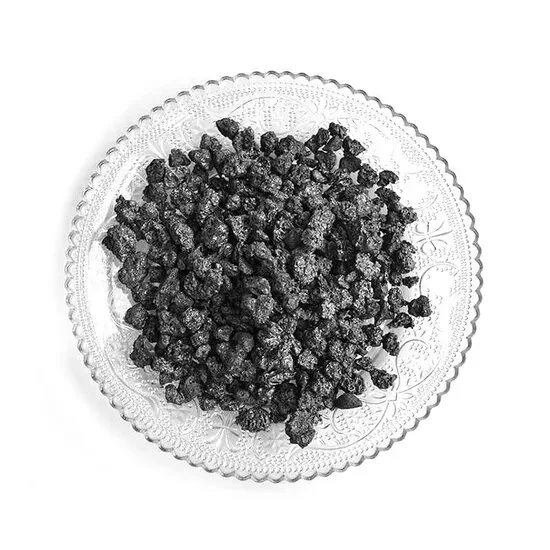
Ding An Heng New Material Technology Co., Ltd. addresses this supply volatility by leveraging a comprehensive 60,000-ton annual production capacity. Unlike mere traders, our material is derived from a controlled, full-chain manufacturing process—spanning calcining to graphitization. By utilizing the by-products of high-grade electrode machining (UHP, HP, RP), we ensure that our graphite scrap retains the superior graphitization degree and low resistivity inherent in premium electrodes. Backed by over 20 years of experience and standardized labs for full-process testing, we transform the challenge of raw material sourcing into a strategic advantage for your production line.
Engineering Standards for High-Quality Graphite Scrap
In precision metallurgy, the physical and chemical stability of your carbon raiser dictates the final quality of the steel. Our approach to graphite scrap is grounded in rigorous quality control, utilizing standardized labs to monitor parameters from the initial petroleum coke selection to the final processing. Because our scrap is generated from the machining of graphitized electrodes, it inherits superior metallurgical properties compared to un-graphitized alternatives.
Below is a breakdown of our technical benchmarks, validated by ISO and SGS standards, ensuring optimal performance in electric arc furnaces and casting applications.
| Performance Metric | Industry Significance | Our Engineering Standard | Advantage |
|---|---|---|---|
| Fixed Carbon Content | Determines the efficiency of carbon absorption in the melt. | ≥ 98.5% (High Purity) | Maximizes yield, reducing the total volume of additives required per batch. |
| Sulfur & Nitrogen Levels | High impurities lead to casting defects and harmful emissions. | Sulfur < 0.05% | Ensures clean steel production and compliance with environmental regulations. |
| Graphitization Degree | Affects dissolution rate and thermal conductivity. | Fully Graphitized (via 3000°C process) | Rapid absorption into molten iron with minimal slag formation. |
| Consistency Assurance | Variability disrupts automated feeding systems. | Standardized Sizing & SGS Certified | Predictable performance for automated steel mills in over 250 countries. |
Maximizing ROI with Premium Graphite Scrap
True value in metallurgical procurement is not found in the lowest price per ton, but in the lowest cost per unit of sound casting. Utilizing inferior carbon additives often results in higher consumption rates, increased furnace time, and a spike in rejection rates due to inclusions. By integrating Ding An Heng's high-grade graphite scrap, facilities can achieve a leaner, more cost-effective melting process.
Our global supply network, serving major markets from Russia to the Middle East, proves that consistent quality translates to long-term financial gain. High absorption rates mean less material is needed, and low impurity levels extend the lifespan of furnace linings. The chart below illustrates the comparative absorption efficiency, highlighting how our fully graphitized material outperforms standard calcined petroleum coke (CPC) in typical induction furnace environments.
Related products


Top Selling Products




How to Choose Polish Varnish Cleaner & Graphite Compound Tools for Your Process

Factors Affecting the Spherical Graphite Price and Market Trends

Industrial Analysis of the Price of Graphite per Pound


