

Choosing the Right Graphite Rubber Material Source
For manufacturers in the elastomer and sealing industries, the variability of raw material inputs often creates the most significant bottleneck in production. Inconsistent carbon purity or erratic particle structures can lead to rubber compounds that fail conductivity tests or lack necessary wear resistance. This challenge is magnified when sourcing globally, where quality control can fluctuate between batches.
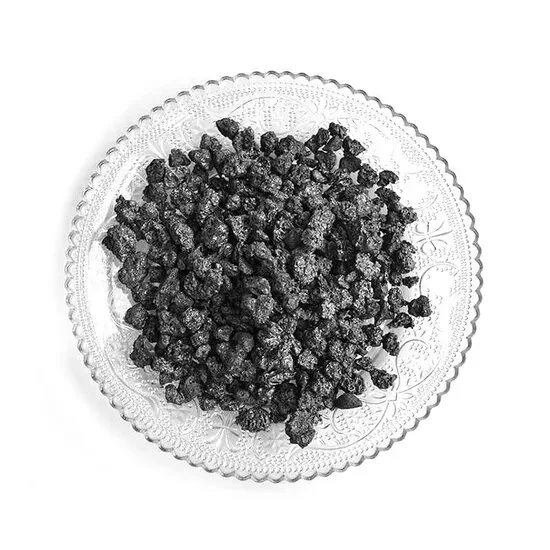
We do not merely supply raw materials; we provide a stable foundation for your supply chain. Operating from an 88,000 square meter facility with total assets exceeding 600 million, our infrastructure is built to support high-volume, high-precision demands. Whether you require GPC (Graphitized Petroleum Coke) or Artificial Graphite fines for your graphite rubber formulations, our ISO and SGS-certified processes ensure that the material you receive optimizes the thermal and mechanical properties of your final product.
Engineering Standards for Graphite Rubber Applications
Achieving superior performance in rubber composites requires carbon additives that adhere to strict physicochemical standards. At Ding An Heng, we utilize standardized labs for full-process testing—from calcining to graphitization. Our production ecosystem, which includes two complete sets of production lines, allows us to control the micro-structure of the carbon, directly influencing the elasticity and durability of graphite rubber.
Below is a breakdown of how our technical specifications translate into manufacturing advantages for the rubber industry:
| Performance Metric | Industry Significance | Our Engineering Standard | Advantage for Graphite Rubber |
|---|---|---|---|
| Carbon Purity | Determines compatibility with rubber matrix and prevents degradation. | High Purity (Verified by SGS/CIQ) | Ensures uniform curing and prevents weak points in the rubber structure. |
| Electrical Conductivity | Essential for anti-static and conductive rubber components. | Strong Conductivity via Full Graphitization | Delivers consistent electrical dissipation properties in conductive elastomers. |
| Thermal Resistance | Critical for gaskets and seals in high-heat environments. | High Temperature Resistance Protocol | Extends the operational lifespan of rubber parts under thermal stress. |
| Supply Consistency | Prevents formulation adjustments between shipment batches. | 60,000 Tons Annual Capacity | Eliminates batch-to-batch variation, streamlining your mixing process. |
Maximizing ROI with Graphite Rubber Supply Stability
In the global market, the true cost of raw materials extends beyond the price per ton; it includes the hidden costs of supply interruptions and quality rejections. By partnering with a supplier that exports to over 250 countries—including key markets in the Middle East, Russia, and Southeast Asia—you are securing a logistics network proven to withstand global volatility.
Incorporating our premium GPC or artificial graphite into your graphite rubber production lines is a strategic investment. Our materials significantly reduce the rejection rate of molded rubber parts due to impurity defects. Furthermore, our massive inventory capacity and financial stability (backed by 600 million in assets) shield your procurement strategy from market shortages, ensuring your production lines never stop.
Related products


Top Selling Products


How to Choose Polish Varnish Cleaner & Graphite Compound Tools for Your Process

Factors Affecting the Spherical Graphite Price and Market Trends

Industrial Analysis of the Price of Graphite per Pound


