

Choosing the Right Graphite Compound for Your Application
In the demanding sectors of metallurgy and high-temperature manufacturing, the inconsistency of raw material inputs often leads to unpredictable output quality and increased operational costs. Sourcing a reliable graphite compound is not merely a purchasing decision; it is a critical engineering choice that dictates the stability of your supply chain and the purity of your final product. Without a partner who understands the intricacies of carbon structures, manufacturers risk thermal shock failures and rapid oxidation.
Ding An Heng New Material Technology Co., Ltd. addresses these precise challenges by leveraging over 20 years of expertise as a benchmark enterprise in the Chinese graphite industry. With a comprehensive annual production capacity of 60,000 tons, we eliminate supply volatility. Our approach to manufacturing the ideal graphite compound involves a full-chain operation—from calcining and forming to graphitization and machining. This end-to-end control ensures that whether you require materials for UHP electrodes or specialized carbon additives, the solution is tailored, stable, and backed by standardized laboratory testing.
Engineering Standards for High-Performance Graphite Compound
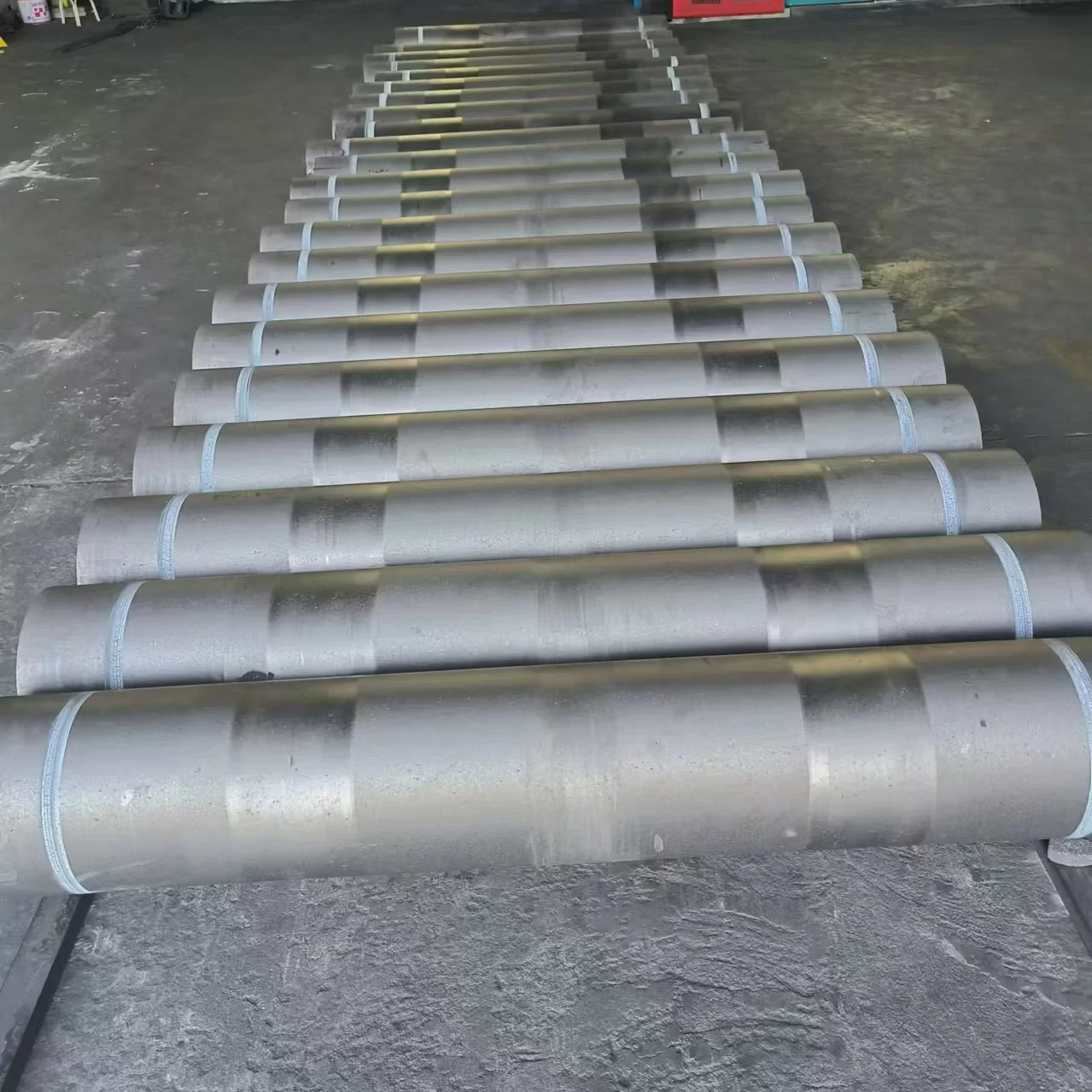
Achieving optimal conductivity and thermal resistance requires strict adherence to process controls. A superior graphite compound is the result of rigorous baking, impregnation, and secondary baking cycles, ensuring density and structural integrity. At our facility, covering 88,000 square meters, we utilize two complete sets of production lines to refine the micro-structure of our carbon materials.
We do not rely on generic specifications. Instead, we subject our graphite compound formulations to full-process testing verified by ISO, SGS, and CIQ certifications. The following table illustrates how our internal engineering benchmarks translate into tangible performance advantages for your operations compared to standard industry averages.
| Performance Metric | Industry Significance | Our Engineering Standard | Advantage |
|---|---|---|---|
| Specific Electrical Resistivity | Determines energy efficiency during smelting/conductivity. | Optimized via High-Temp Graphitization | Reduces power consumption and enhances the conductivity of the graphite compound. |
| Bulk Density | Impacts oxidation rate and mechanical strength. | Enhanced via High-Pressure Impregnation | Greater resistance to thermal shock and extended service life. |
| Chemical Purity (Ash Content) | Prevents contamination of the molten metal/end product. | Strict Control (SGS/CIQ Verified) | Ensures a high-purity graphite compound (<0.5% Ash) for premium output. |
| Thermal Expansion Coefficient | Critical for structural stability under extreme heat. | Precision Forming & Baking | Maintains dimensional stability in fluctuating temperature environments. |
Maximizing ROI with Optimized Graphite Compound Solutions
The long-term value of a supplier extends beyond the price per ton; it lies in the reliability of the material and the reduction of downtime. By integrating our advanced graphite compound products into your workflow, you align your operations with a global standard trusted in over 250 countries. Regular recurring shipments to major steel mills in Russia, the Middle East, and Southeast Asia validate our ability to deliver value at scale.
Investing in high-quality graphite compound materials translates directly to financial performance. Our utility model patents and technical innovations allow for lower consumption rates per ton of steel produced. The chart below projects the comparative efficiency retention of our engineered materials versus generic market alternatives over repeated thermal cycles, demonstrating how superior material science drives higher Return on Investment.
Related products


Top Selling Products


How to Choose Polish Varnish Cleaner & Graphite Compound Tools for Your Process

Factors Affecting the Spherical Graphite Price and Market Trends

Industrial Analysis of the Price of Graphite per Pound


