

Choosing the Right arc furnace electrodes for Stability
In the high-stakes environment of Electric Arc Furnace (EAF) steelmaking, operational volatility is the enemy. Fluctuating melt rates and unexpected electrode breakage not only disrupt production schedules but also erode profit margins. Steel manufacturers often struggle to find consumables that balance durability with electrical efficiency. Ding An Heng New Material Technology Co., Ltd. addresses these specific challenges by delivering stability where it matters most.
Leveraging over 20 years of industry expertise, we have engineered a solution designed to withstand the rigorous thermal shocks of modern steel mills. Our approach is not just about selling a product; it is about integrating into your supply chain with a capacity of 60,000 tons annually. By controlling the entire lifecycle—from calcining to precision machining—we ensure that every electrode meets the stringent demands of global markets, including major recurring shipments to steel giants in Russia, the Middle East, and Southeast Asia.
Partnering with us means securing a supply chain backed by 600 million in total assets and a commitment to solving the "breakage vs. consumption" trade-off that plagues many operators today.
Engineering Standards for arc furnace electrodes
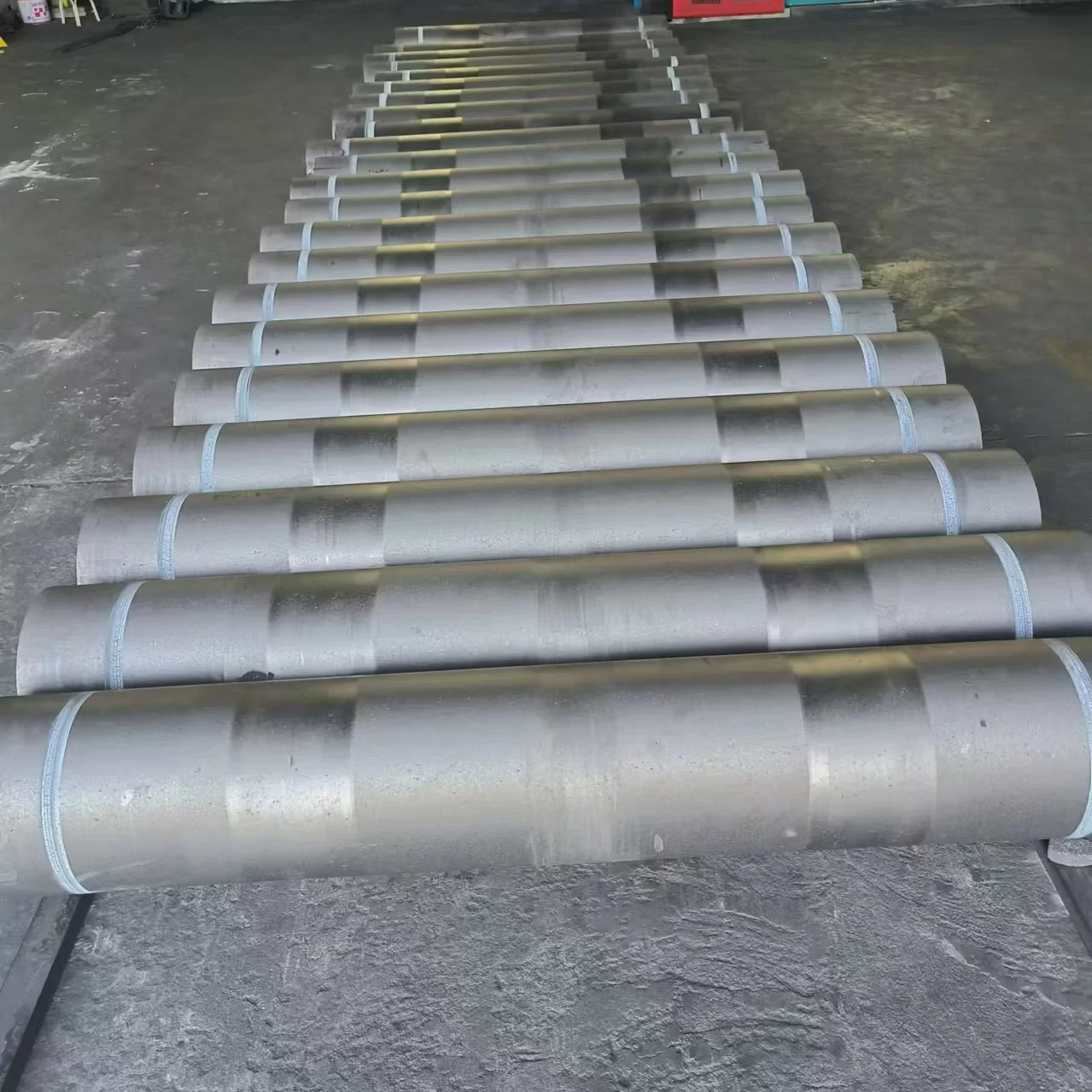
Technical superiority in graphite consumables is determined by the microstructure and purity of the material. At our facility spanning 88,000 square meters, we employ a dual-line production system that rigorously manages graphitization and impregnation processes. This results in arc furnace electrodes that exhibit exceptional high-temperature resistance and strong conductivity, validated by our standardized labs and SGS/ISO certifications.
We believe in transparency. Below is how our engineering standards translate into tangible performance metrics for your furnace operations:
| Performance Metric | Industry Significance | Our Engineering Standard | Operational Advantage |
|---|---|---|---|
| Electrical Resistivity | Determines energy efficiency and heat generation. | Optimized Ultra-High Purity (UHP) composition. | Maximized current carrying capacity with minimal energy loss. |
| Thermal Shock Resistance | Prevents spalling and cracking during rapid temperature shifts. | Controlled graphitization cycle & secondary baking. | Reduced electrode breakage frequency in high-load EAFs. |
| Bulk Density | Correlates directly with oxidation rate and consumption. | High-density impregnation protocols. | Lower specific consumption per ton of steel produced. |
| Mechanical Strength | Structural integrity during tipping and charging. | Precision machining tolerances. | Enhanced connection stability at the nipple joint. |
Maximizing ROI with arc furnace electrodes
True value in steel manufacturing is measured by the total cost of ownership, not just the purchase price. Investing in premium arc furnace electrodes is a strategic move to optimize the "Cost Per Ton of Liquid Steel." By utilizing our full-range portfolio—including UHP, HP, and RP grades—mills can significantly reduce downtime caused by electrode replenishment and failure.
With a global footprint serving over 250 regions and extensive patent-backed utility models, our solutions are engineered to drive long-term profitability. The reduction in consumption rates directly correlates to improved furnace availability and output.
Related products


Top Selling Products



How to Choose Polish Varnish Cleaner & Graphite Compound Tools for Your Process

Factors Affecting the Spherical Graphite Price and Market Trends

Industrial Analysis of the Price of Graphite per Pound


