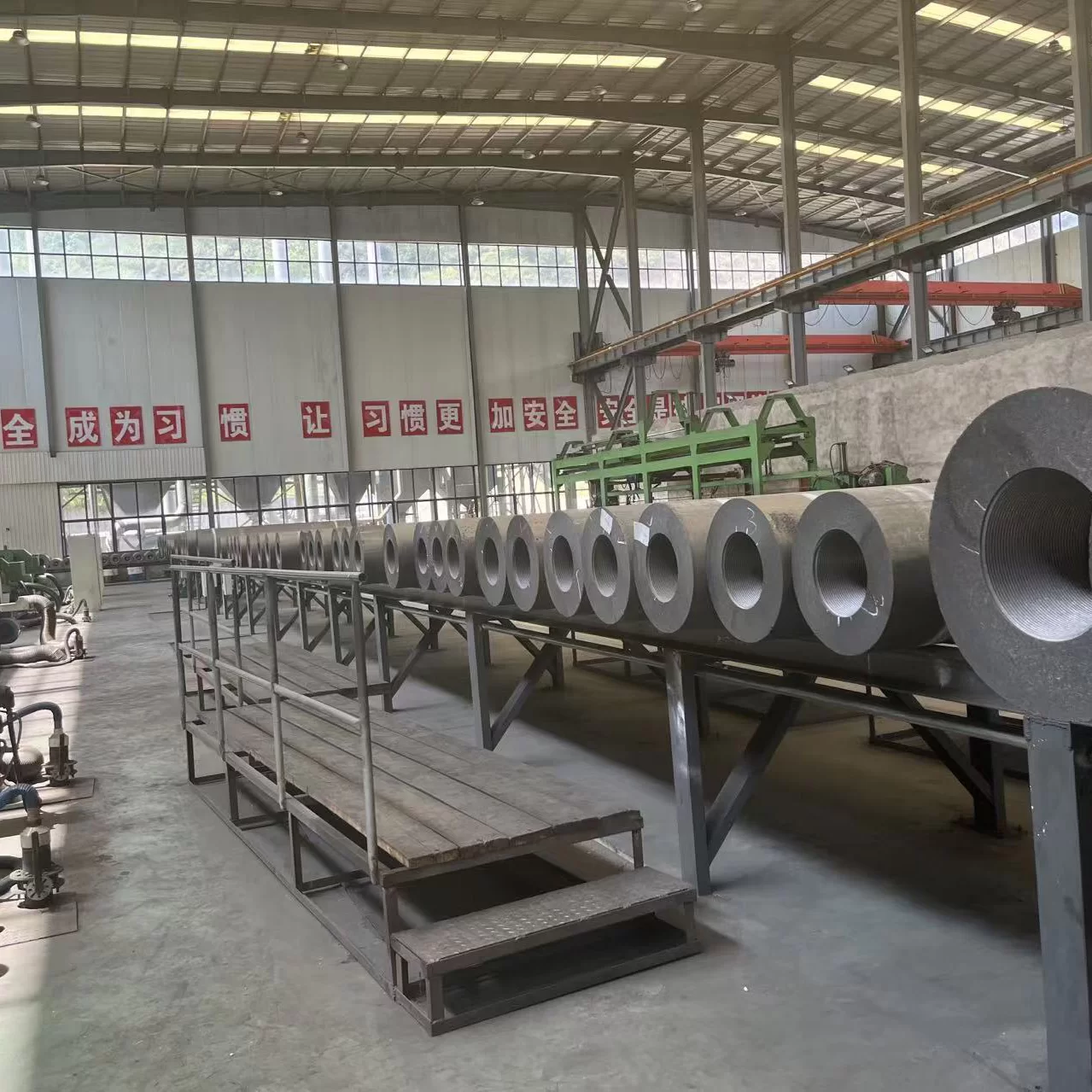
Alright, let's talk about something truly foundational in modern industry, something that, to be honest, many people probably take for granted: graphite. But not just any graphite—we're diving deep into Artificial Graphite Powder. You know, the stuff that's absolutely crucial for everything from your smartphone battery to high-tech industrial furnaces. It’s a fascinating material, and honestly, the process of making it is quite remarkable.
The Rise of Synthetic: Why Artificial Graphite Matters
Natural graphite is great, don't get me wrong, but the demand for consistent quality, purity, and specific performance characteristics in today's rapid technological landscape often outstrips what nature can reliably provide. That's where Artificial Graphite Powder steps in. Over the past decade, we've seen a massive surge in its adoption, driven primarily by the electric vehicle (EV) revolution and advancements in renewable energy storage. Many industry insiders, including myself, have watched this sector grow exponentially. It's truly an exciting time.
The beauty of synthetic graphite, actually, is its tailored properties. Manufacturers can really fine-tune the material's characteristics during production. We're talking about incredibly high purity, controlled particle size, and specific crystalline structures that are just perfect for demanding applications.
Crafting Excellence: The Production Journey
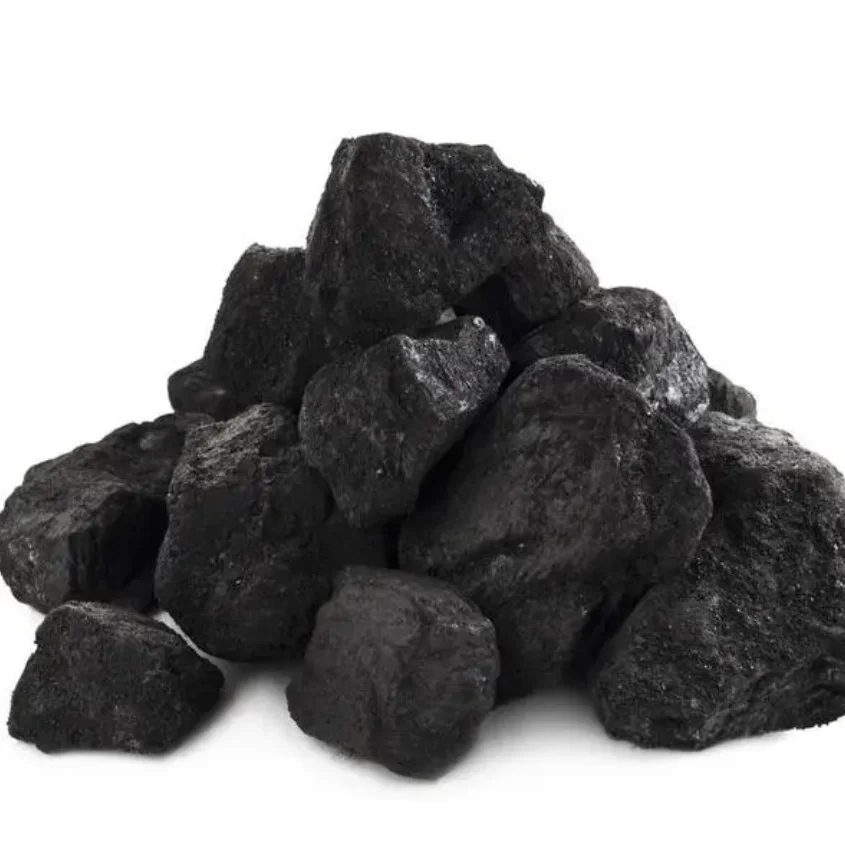
So, how is this magic powder made? It’s not quite alchemy, but it's a sophisticated process. Typically, it starts with carbonaceous raw materials—things like petroleum coke or coal tar pitch. These are then subjected to incredibly high temperatures, often exceeding 2500-3000°C, in a process called graphitization. This heat treatment rearranges the carbon atoms into the characteristic hexagonal lattice structure of graphite.
The general flow looks something like this:
1. Material Preparation: Selecting high-quality carbon precursors.
2. Mixing & Forming: Binding the materials and shaping them (e.g., into electrodes or blocks).
3. Baking: Heating to remove volatile components and densify the material.
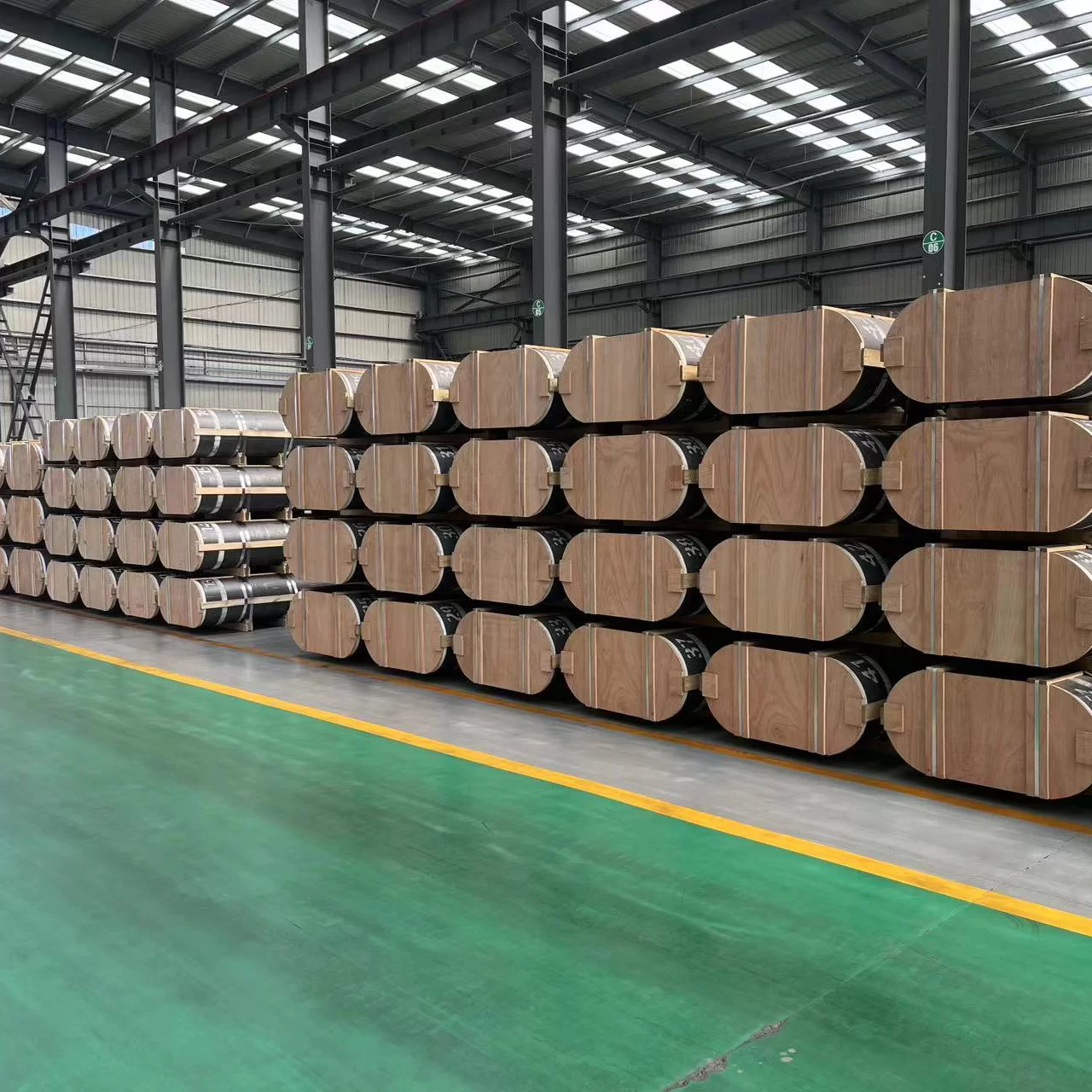
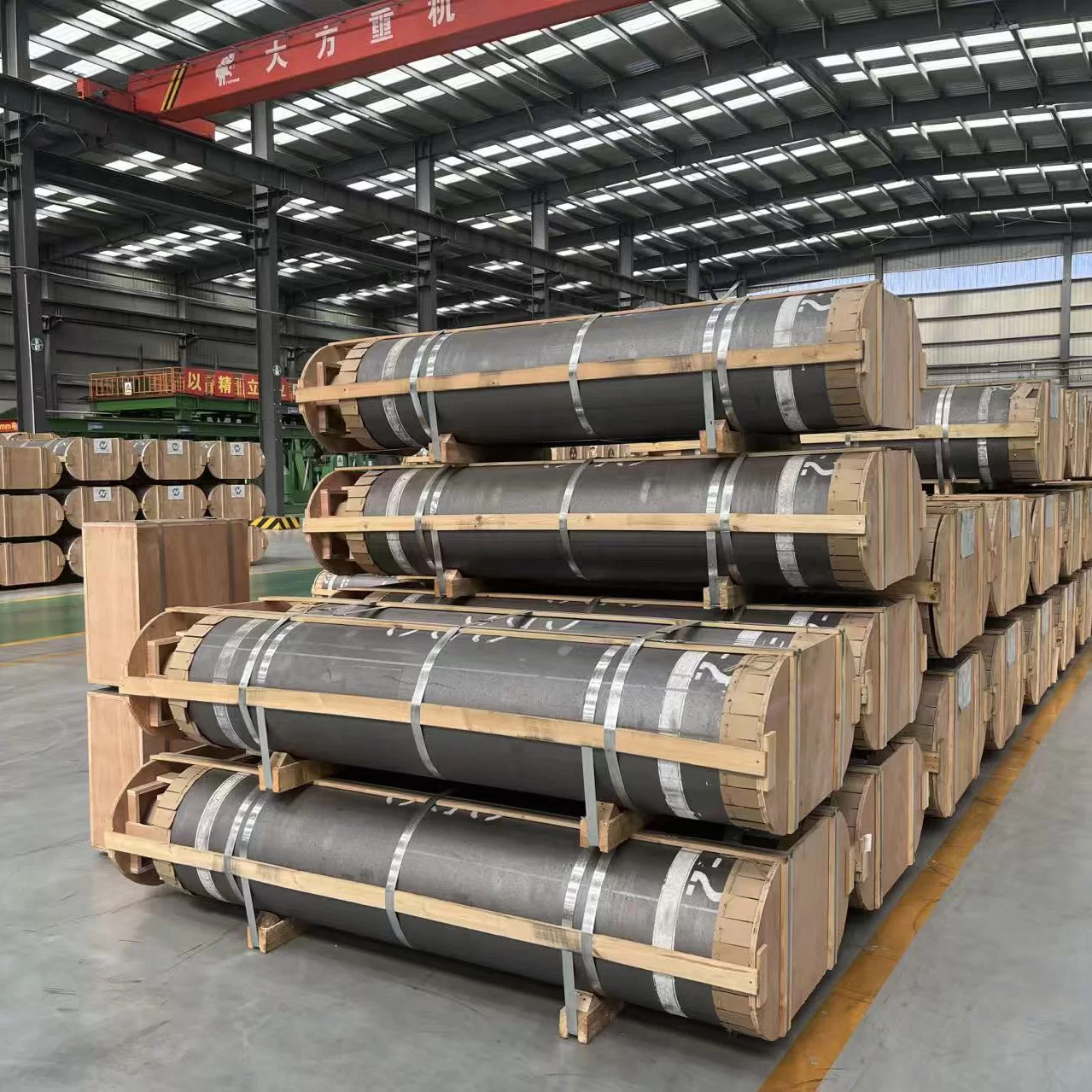
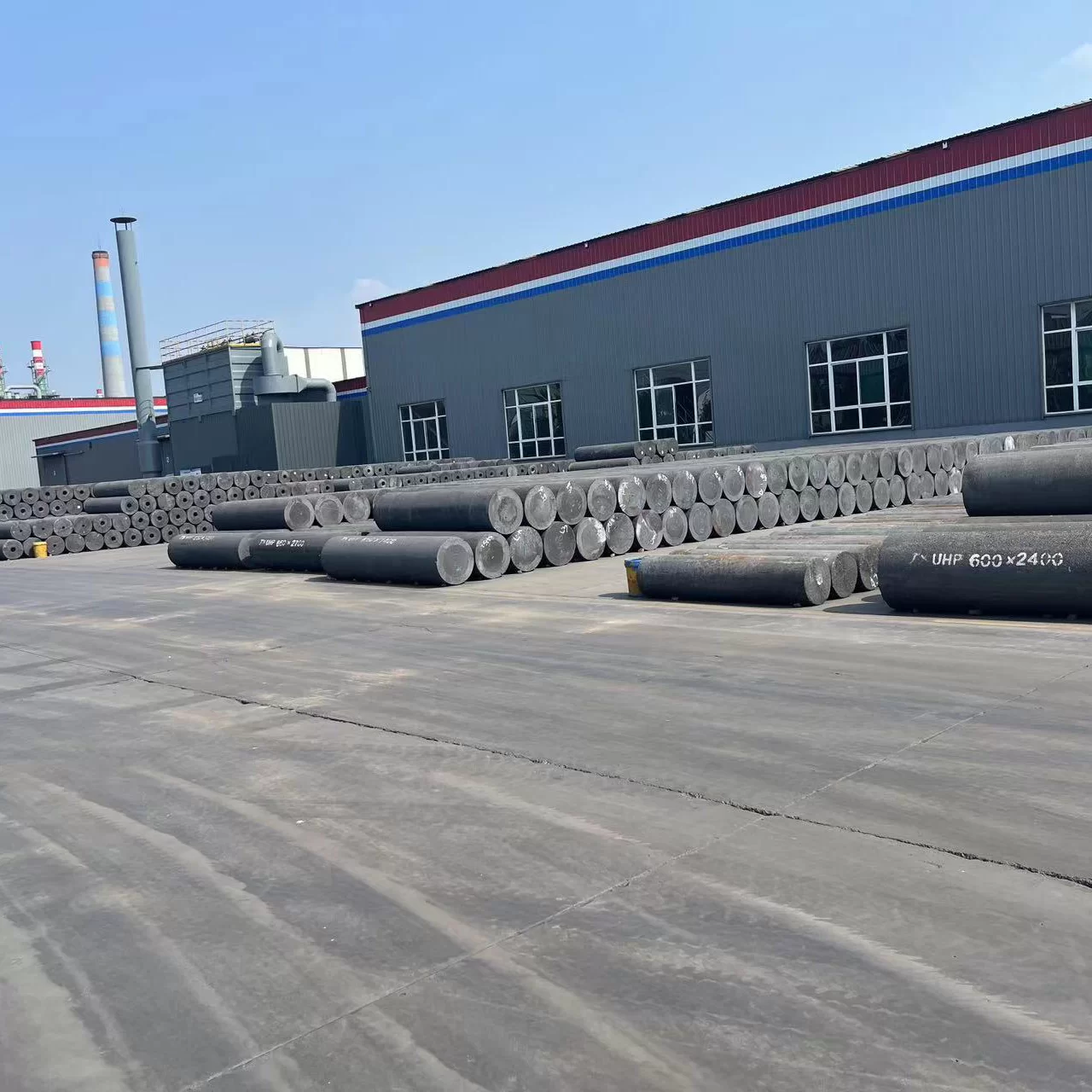
4. Graphitization: The crucial step where extreme temperatures transform amorphous carbon into crystalline graphite. This can take days, sometimes weeks, I guess depending on the scale and desired properties.
5. Crushing & Milling: Breaking down the bulk graphite into various powder sizes.
6. Purification & Sizing: Further refining to achieve desired purity levels and specific particle distributions.
7. Quality Control: Rigorous testing to ensure it meets stringent industry standards like ASTM, ISO, or even customer-specific benchmarks.

Technical Specifications: What Makes It Tick?
Let's get into the nitty-gritty. The properties of Artificial Graphite Powder are truly impressive, making it incredibly versatile. For example, its hardness is typically around 1-2 on the Mohs scale, which is quite soft, but surprisingly, with impurities, it can increase to 3-5 along the vertical direction. Its specific gravity hovers between 1.9 and 2.3.
But here's the kicker: its melting point is above 3000°C under oxygen-free conditions, making it one of the most temperature-resistant minerals we know. At room temperature, it's chemically stable—insoluble in water, dilute acids, alkalis, and organic solvents. This stability, coupled with its excellent electrical and thermal conductivity, is why it's so sought after.
Typical Product Specifications (Example)
Characteristic | Value/Range |
Carbon Content | >99.5% (often higher) |
Particle Size (D50) | Varies greatly; e.g., 5-50 µm |
Specific Gravity | ≈ 1.9 - 2.3 g/cm³ |
Electrical Resistivity | Low (e.g., 7-15 µΩ·m) |
Thermal Conductivity | High (real-world use may vary) |
Moisture Content | < 0.1% |
Ash Content | < 0.5% |
Applications: Where Does It Shine?
The versatility of Artificial Graphite Powder is truly remarkable. It's a cornerstone in:
· Lithium-ion Batteries: Critical as an anode material for EVs, consumer electronics, and grid-scale energy storage.
· Refractory Materials: Its high temperature resistance makes it ideal for crucibles, linings, and electrodes in steelmaking and other high-temp processes.
· Conductive Materials: Used in conductive coatings, paints, and electromagnetic shielding.
· Lubricants: As a solid lubricant, it reduces friction and wear in high-temperature or extreme pressure environments, like in engine components.
· Fuel Cells: An essential component in various fuel cell designs.
· Metallurgy: For recarburization, especially in cast iron and steel production.
Customer feedback, time and again, highlights its superior purity and consistent performance, especially compared to some natural sources. The service life of components made with high-quality synthetic graphite can be significantly extended.
Choosing Your Provider: Navigating the Market
When you're looking for synthetic graphite manufacturers, it's not just about price. Quality, consistency, and the ability to customize are paramount. Many customers I've spoken with emphasize the importance of certifications (like ISO 9001, REACH compliance) and a solid track record.
Vendor Comparison (Illustrative)
Feature | Vendor A (e.g., Dah Carbon) | Vendor B (Competitor) |
Purity Range | >99.5% to >99.9% | >98.5% to >99.5% |
Customization Options | High (particle size, surface treatment) | Moderate (limited particle sizes) |
Certifications | ISO 9001, REACH | ISO 9001 (sometimes) |
Lead Time | Usually 2-4 weeks | Around 4-6 weeks (can vary) |
Technical Support | Excellent, R&D collaboration | Standard documentation |
For critical applications, the ability to customize particle size, shape, and surface characteristics is invaluable. That's why many companies opt for vendors who offer robust R&D support, helping them fine-tune the material for their specific needs.
A Look Ahead: Case Studies and the Future
We've seen numerous successful deployments. For instance, a leading EV battery manufacturer dramatically improved cycle life by switching to a custom-formulated Artificial Graphite Powder with a tighter particle size distribution. Or consider a high-temperature furnace lining producer who achieved significant cost savings and extended furnace uptime thanks to the consistent thermal properties of synthetic graphite. These aren't isolated incidents; they're becoming the norm.
The future of Artificial Graphite Powder, I guess, looks incredibly bright. As industries push the boundaries of performance and sustainability, the demand for highly engineered, consistent materials like this will only grow. It's a key enabler for a greener, more electrified world, and honestly, that's pretty exciting to witness.
Authoritative Citations
1. "Graphite and Its Many Forms." U.S. Geological Survey. (Though this article focuses on synthetic, USGS provides good general context).
2. "The Chemistry and Physics of Carbon." Elsevier Science.
3. "Advances in Lithium-Ion Batteries." Springer.
4. "Materials Science and Engineering: An Introduction." Wiley.