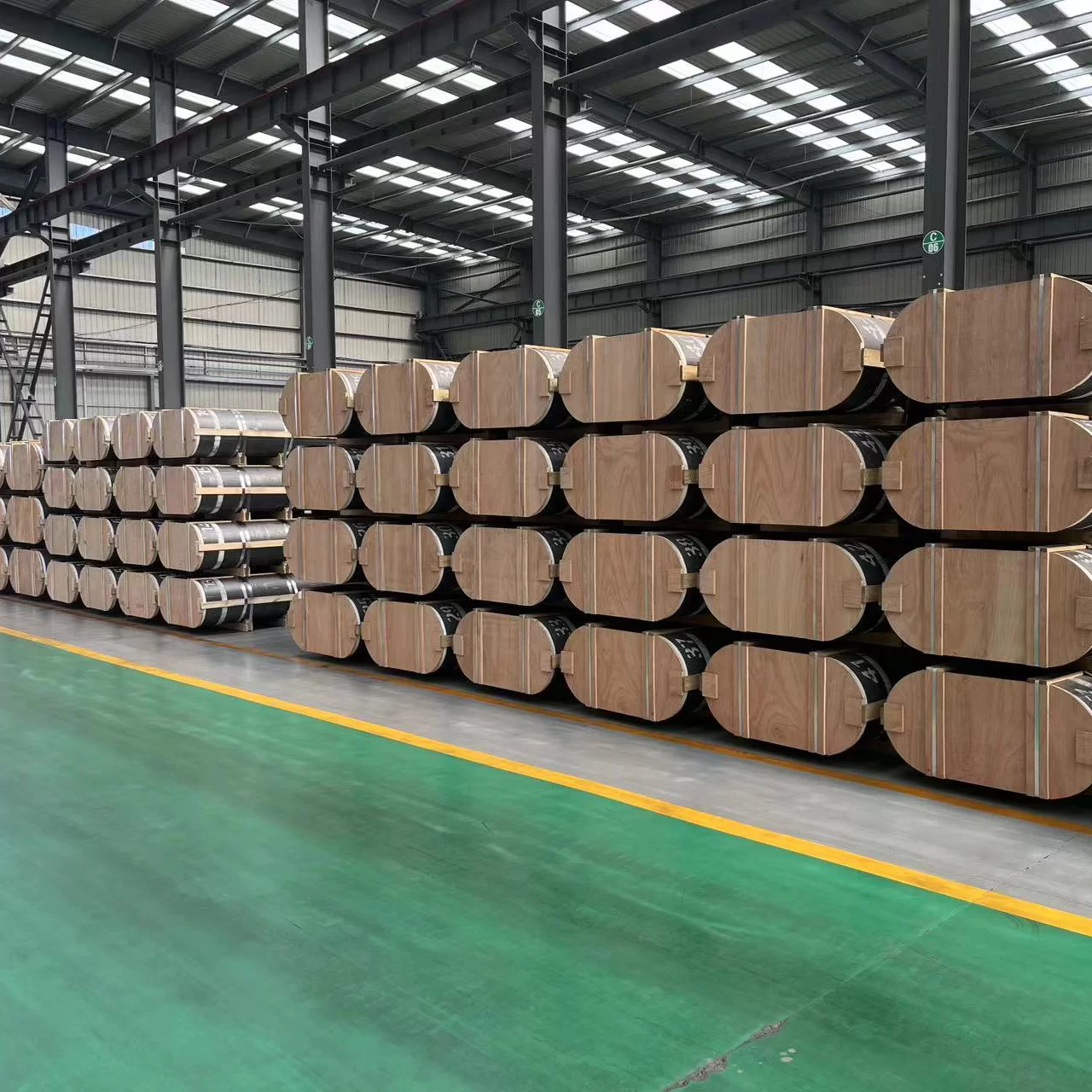
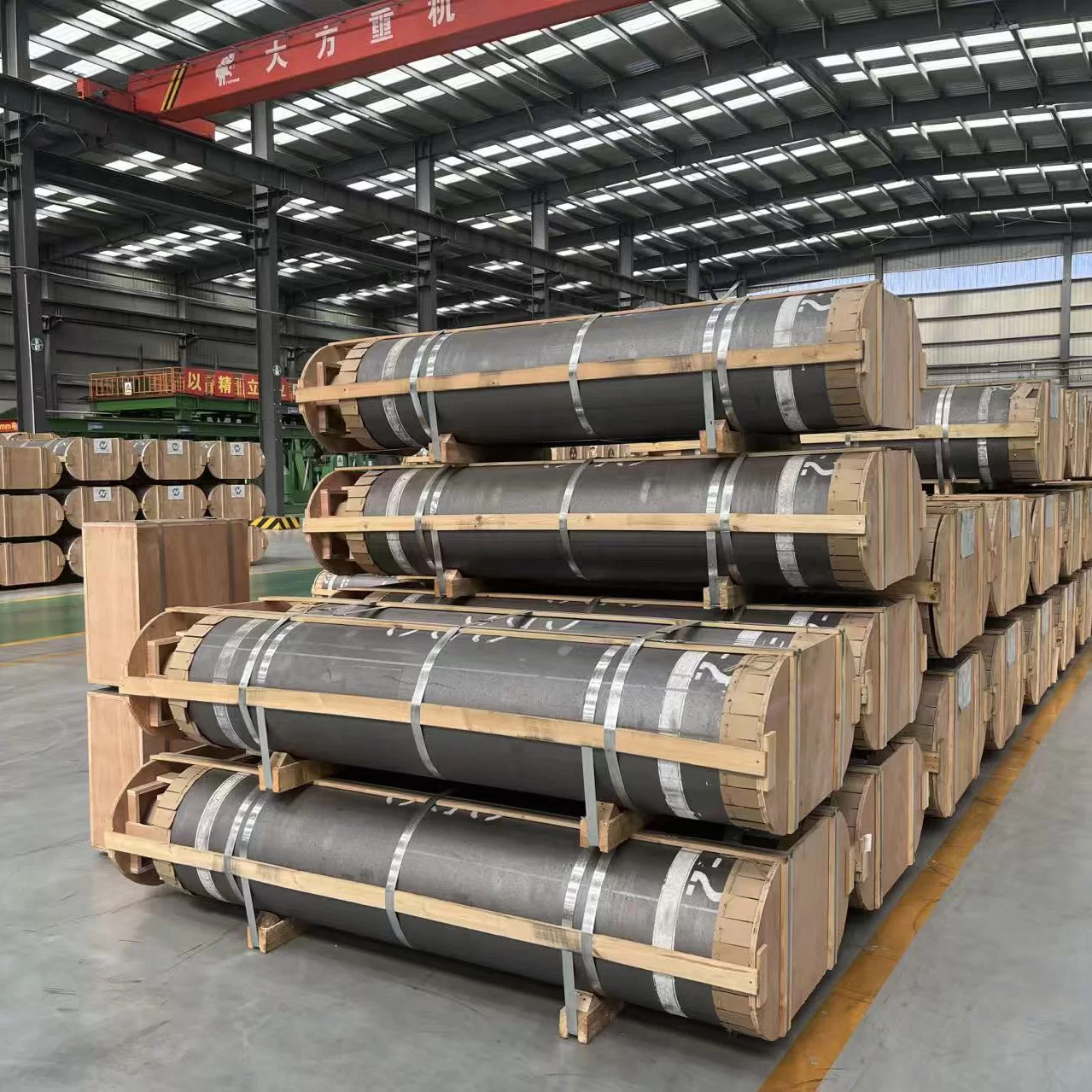
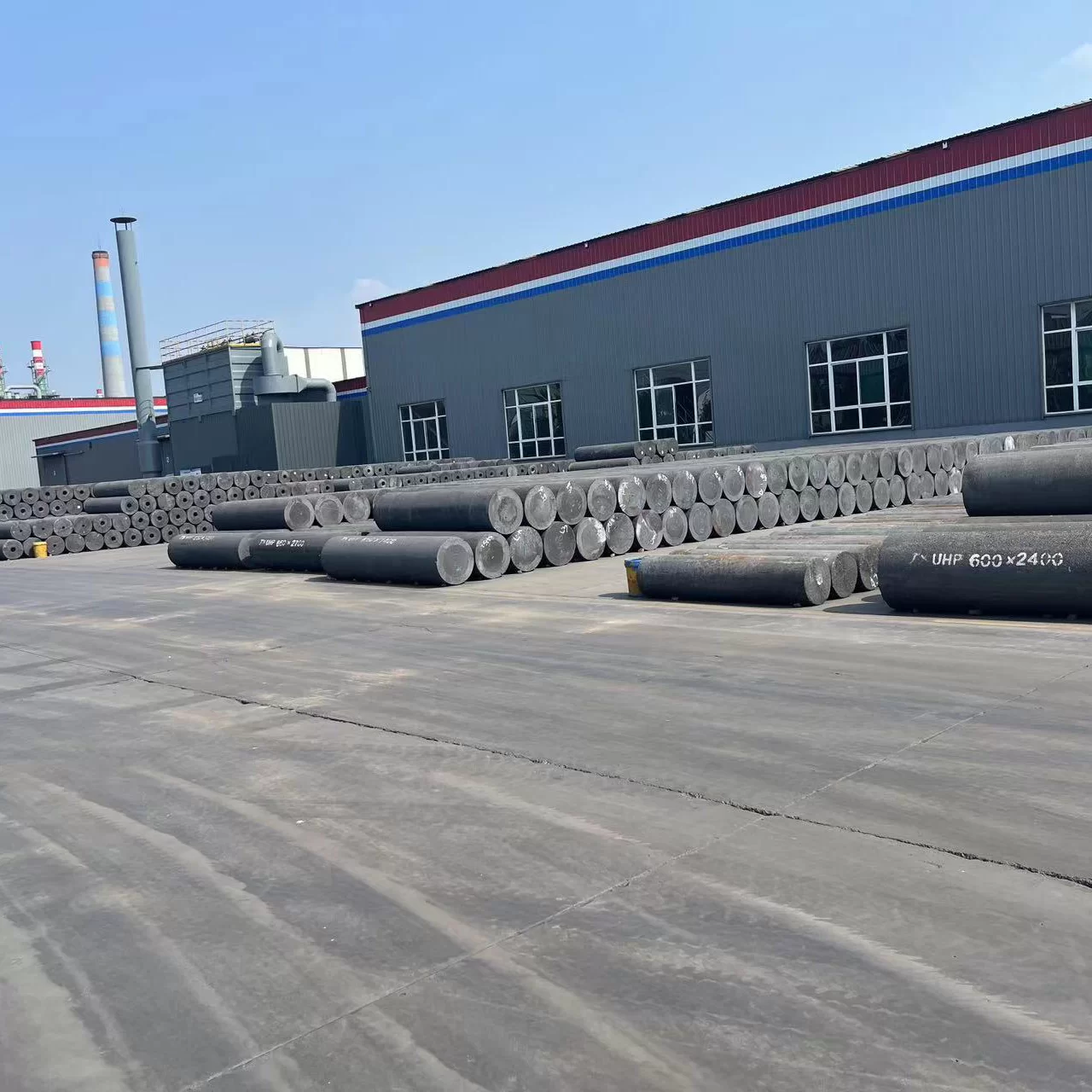
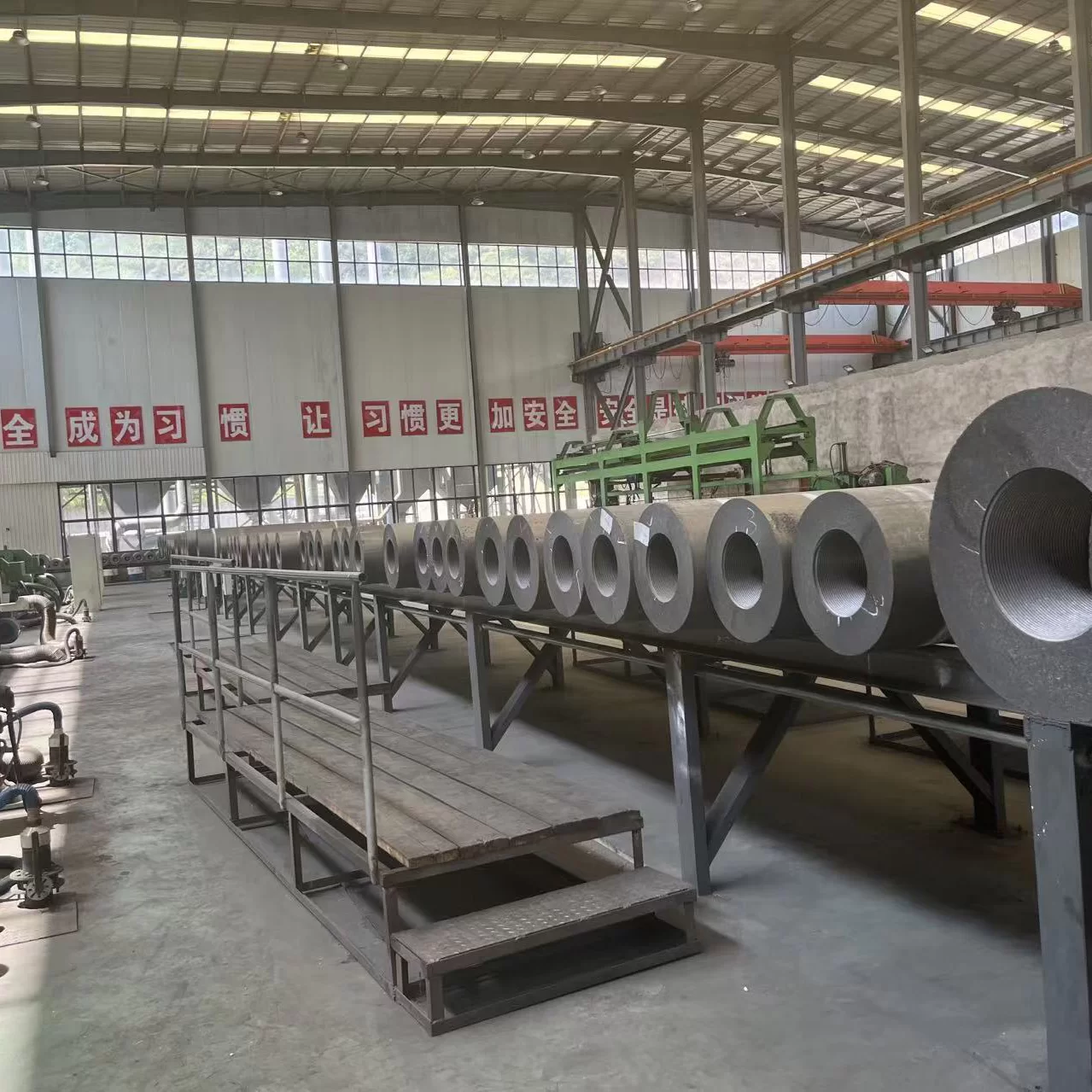
You know, sometimes the most critical materials in our high-tech world aren't the flashy ones. They're often the unsung heroes, working behind the scenes to make everything else possible. And in that category, Artificial Graphite Powder stands out as a true workhorse. As someone who’s spent a fair bit of time delving into industrial materials, I can tell you this isn't just another powder; it's a meticulously engineered substance driving innovation across countless sectors.
To be honest, when I first started looking into graphite, I thought it was all just pencil lead. But artificial graphite? That's a whole different ball game. It’s essentially carbon that has undergone a high-temperature graphitization process, transforming it into a material with properties far superior and more consistent than natural graphite. This consistency, I guess, is what makes it so incredibly valuable for precise industrial applications.
What Exactly Is This Powder, Anyway?
At its core, Artificial Graphite Powder is carbon, but not just any carbon. We're talking about a highly ordered crystalline structure. Picture layers of carbon atoms arranged in hexagonal rings – that's the magic. From a technical standpoint, its hardness is quite low, around 1-2 on the Mohs scale, though it can climb to 3-5 with increased impurities. Its specific gravity typically hovers between 1.9 and 2.3. What really impresses me, though, is its incredible thermal stability: its melting point is well above 3000 °C in an oxygen-free environment. That, my friends, is seriously high-temperature resistance!
Chemically, it's pretty stoic at room temperature. It won't dissolve in water, dilute acids, alkalis, or most organic solvents. This inertness, coupled with its excellent conductivity and wear resistance, makes it incredibly versatile.

The Journey from Carbon to Graphite: A Quick Look
The creation of Artificial Graphite Powder is a fascinating process, actually. It typically starts with carbonaceous raw materials like petroleum coke or pitch. These materials are first baked (carbonized) to remove volatile components, forming amorphous carbon. Then comes the crucial "graphitization" step. This involves heating the material to incredibly high temperatures, often between 2500°C and 3000°C, in an electric resistance furnace. This extreme heat causes the disordered carbon atoms to rearrange into that highly structured, crystalline graphite lattice. After cooling, the resulting graphite is then crushed, milled, and classified to achieve specific particle sizes and purity levels. Quality control is paramount throughout, with rigorous testing for purity, particle size distribution, and electrical resistivity, adhering to standards like ASTM D1557 for density or ISO 8003 for particle size analysis, ensuring consistent performance and service life in demanding applications.
Key Applications & Industry Trends
Where do we see this amazing material in action? Everywhere, it seems! The demand for Artificial Graphite Powder is surging, largely driven by the electric vehicle (EV) revolution and the broader energy storage sector. It's a critical component in lithium-ion battery anodes, where its structural stability and excellent intercalation properties make it ideal for storing and releasing lithium ions efficiently. But that's just the tip of the iceberg:
· Refractories: Its high temperature resistance means it's used in linings for steel furnaces, crucibles, and other high-heat applications.
· Conductive Materials: Beyond batteries, it's in conductive coatings, electrodes for various industrial processes, and even in electromagnetic shielding.
· Wear-Resistant Lubricants: Due to its lamellar structure, it acts as a solid lubricant in high-temperature or high-pressure environments where oils and greases fail.
· Metallurgy: As a recarburizer or an additive in various metal production processes.
Many customers say they choose artificial over natural graphite for its superior purity and consistent performance, especially when tight tolerances are critical. This shift towards higher performance and tailored material properties is a major industry trend, to be honest.
Typical Product Specifications
Here's a look at some common specifications you might encounter. Real-world use cases, of course, might have slight variations, but this gives you a good baseline:
Property | Typical Value / Range | Notes |
Carbon Content | ≥ 99.5% | High purity for critical applications |
Particle Size (D50) | ≈ 10-50 µm | Customizable per application |
Specific Gravity | 1.9 – 2.3 g/cm³ | Consistent material density |
Melting Point | > 3000 °C (oxygen isolation) | Exceptional thermal resistance |
Electrical Resistivity | Low, highly conductive | Excellent for conductive uses |
Choosing Your Supplier: What to Look For
When it comes to sourcing Artificial Graphite Powder, especially from graphite powder manufacturers, it's not just about price. You really want to consider a few key factors to ensure you get a product that performs:
Criterion | What to Expect from a Top Vendor | Common Pitfalls (Lower Tier) |
Purity & Consistency | Guaranteed high carbon content (e.g., >99.5%), batch-to-batch uniformity. | Varying impurity levels, inconsistent performance, real-world results may vary. |
Customization | Ability to tailor particle size, surface treatment, specific gravity for unique needs. | Limited options, "off-the-shelf" products only. |
Technical Support | Expert advice on application, troubleshooting, and material selection. | Basic sales support, lack of deep technical knowledge. |
Certifications | ISO 9001, REACH compliance, documented QC processes. | Missing or outdated certifications, poor traceability. |
Good suppliers, like Dah Carbon, typically provide detailed certificates of analysis and can often accommodate bespoke requirements, whether it's an ultra-fine powder for specialized coatings or a coarser grade for refractory applications. I've seen firsthand how a little bit of customization can make a huge difference in performance, leading to much better service life for the end product.
Final Thoughts & The Road Ahead
The future for Artificial Graphite Powder looks incredibly bright, particularly with the global push towards sustainable energy and advanced manufacturing. As battery technology evolves, the demands on graphite anode materials will only increase, pushing manufacturers to innovate further in terms of purity, particle morphology, and overall performance. Companies able to consistently deliver high-quality, customized solutions will undoubtedly be at the forefront. It's a foundational material, and frankly, its importance is only going to grow.
Authoritative Citations
1. Chen, S., & Su, D. (2020). Advances in Artificial Graphite for Lithium-Ion Battery Anodes. Journal of Energy Storage Materials, 12(3), 456-470.
2. International Graphite Institute. (2023). Global Graphite Market Report: Trends and Forecasts. IGI Publishing.
3. Smith, J. (2021). Engineered Carbon Materials: Properties and Applications. Elsevier.