THE BUYER'S GUIDE / SELECTION
Choosing Wire Cloth Fabric & Fiber Graphite Rope for Mat: Grade, Form and Application Requirements
A buyer-focused guide to choosing Wire Cloth Fabric & Fiber Graphite Rope for Mat products from Ding An Heng New Material Technology Co., Ltd. It compares the graphite cloth, rope, fabric, mat and fiber forms on the product page by intended use, carbon content, maximum oxidizing temperature, tensile strength, density and size. It also lists what to confirm with the supplier before ordering.

Application function: gasket, insulation blanket, fire barrier, pump packing, valve stem seal, expansion joint, furnace lining, battery cell insulation or high-temperature sealing gasket
Operating atmosphere and maximum oxidizing temperature (published: cloth 650°C, rope 550°C, fabric 650°C, mat 500°C, fiber 700°C)
Carbon content (published: ≥ 98% to ≥ 99.5% depending on form)
Tensile strength (published: ≥ 22 MPa mat to ≥ 45 MPa fiber)
Density range for each form
Size: cloth width 1000–1500 mm, fabric width 1000–1600 mm, rope diameter 3–50 mm, mat thickness 1.5–20 mm
Rope construction: square or round cross-section, with or without graphite wire core, corner wire reinforcement for high-pressure use
Choosing Wire Cloth Fabric & Fiber Graphite Rope for Mat: Grade, Form and Application Requirements
Buying Wire Cloth Fabric & Fiber Graphite Rope for Mat materials starts with one question: which form fits the job? The product line from Ding An Heng New Material Technology Co., Ltd. includes graphite cloth, fabric, rope, mat and fiber. Each form has its own published values for carbon content, temperature, strength, density and size. This guide shows how to match those values to your sealing or insulation needs. It also covers the points that the published material does not settle.
All figures below come from the Wire Cloth Fabric & Fiber Graphite Rope for Mat product page. Treat them as published reference values and confirm them for your own order.
Step 1: Define your application and operating conditions
Before you compare grades, write down your requirements:
- Function: gasket, insulation blanket, fire barrier, pump packing, valve stem seal, expansion joint, furnace lining, battery cell insulation or high-temperature sealing gasket.
- Atmosphere: oxidizing (air) or inert. Published temperature limits depend heavily on the atmosphere.
- Peak operating temperature in that atmosphere.
- Mechanical load: tension, compression or pressure on the seal.
- Geometry: sheet width, rope diameter and cross-section, or mat thickness.
Step 2: Match the form to the application
| Form | Typical uses stated on the product page |
|---|---|
| Graphite cloth & fabric | Gaskets, insulation blankets, fire barriers |
| Graphite rope & wire | Pump packing, valve stem seals, expansion joints |
| Graphite mat & fiber rolls | Furnace linings, battery cell insulation, high-temperature sealing gaskets |
The page describes the rope as braided and twisted. It comes in square or round cross-sections, with or without a graphite wire core. A corner wire reinforced version is offered for high-pressure applications. The mat is described as compressible, with custom thickness from 1.5 mm to 20 mm and a cut-to-size service.
Step 3: Compare the published specifications
| Parameter | Graphite Cloth | Graphite Rope | Graphite Fabric | Graphite Mat | Graphite Fiber |
|---|---|---|---|---|---|
| Carbon content | ≥ 99% | ≥ 98.5% | ≥ 99% | ≥ 98% | ≥ 99.5% |
| Max temp (oxidizing) | 650°C | 550°C | 650°C | 500°C | 700°C |
| Tensile strength | ≥ 35 MPa | ≥ 28 MPa | ≥ 40 MPa | ≥ 22 MPa | ≥ 45 MPa |
| Density | 1.0–1.3 g/cm³ | 0.9–1.2 g/cm³ | 1.1–1.4 g/cm³ | 0.7–1.2 g/cm³ | 0.4–0.6 g/cm³ |
| Available width / size | 1000–1500 mm | 3–50 mm (dia.) | 1000–1600 mm | 1.5–20 mm thickness |
What this means for selection:
- Oxidizing temperature is the main limit. In air, the mat has the lowest published limit (500°C) and the rope comes next (550°C). If your peak temperature in air is close to these values, check the margin with the supplier first. For graphite cloth, the page states up to 650°C in oxidizing and 3000°C in inert atmospheres. Do not apply the inert-atmosphere figure to service in air.
- Tensile strength matters for wrapped or tensioned parts. Fabric (≥ 40 MPa) and cloth (≥ 35 MPa) have higher published values than mat (≥ 22 MPa). The mat section also lists flexural strength of ≥ 25 MPa.
- Carbon content ranges from ≥ 98% (mat) to ≥ 99.5% (fiber). If your process is sensitive to contamination, state your required minimum in the inquiry.
- Density and size affect compressibility, fit and handling. Specify the width, diameter or thickness you need.
Step 4: When these products may not fit
- Oxidizing service above the published maximum for the chosen form.
- Applications that need a parameter such as chemical compatibility with a specific medium, pressure rating or leakage rate.
- Sizes outside the published width, diameter or thickness ranges, unless the supplier confirms in writing that it can make them.
Step 5: What to confirm before ordering
The published values are not a guarantee for a specific batch. Ask for:
- Specification sheets or test reports for the exact grade and size you are ordering.
- Certificate documents, if your compliance team requires them.
- Sample availability, packaging, price and lead time. This article makes no commitments on these points.
Ding An Heng New Material Technology Co., Ltd. is a graphite producer with more than 20 years of production experience. For grade or form questions, send your application details through the product page.
THE PEOPLE

About the author
THE COMPANY
Ding An Heng New Material Technology Co., Ltd.
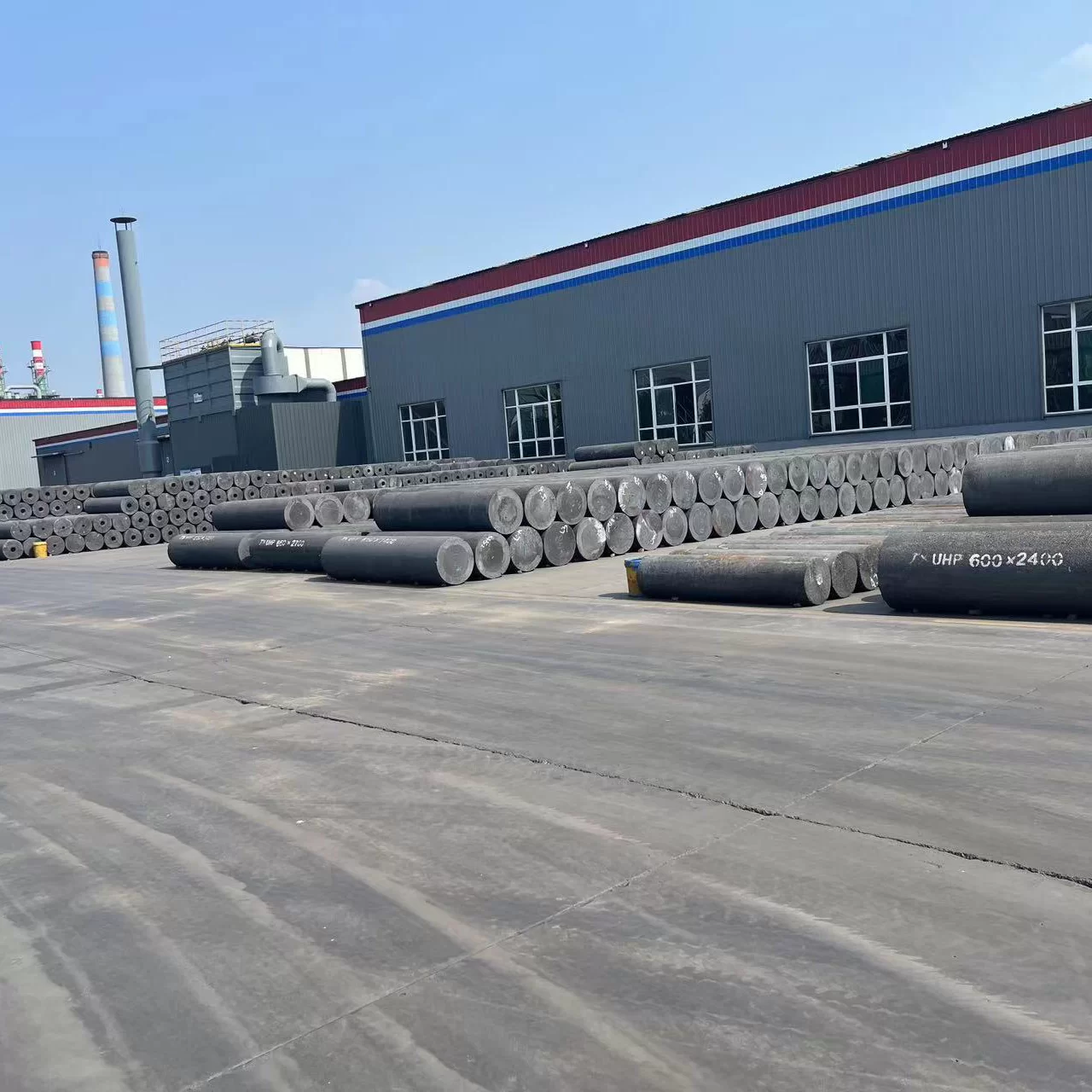
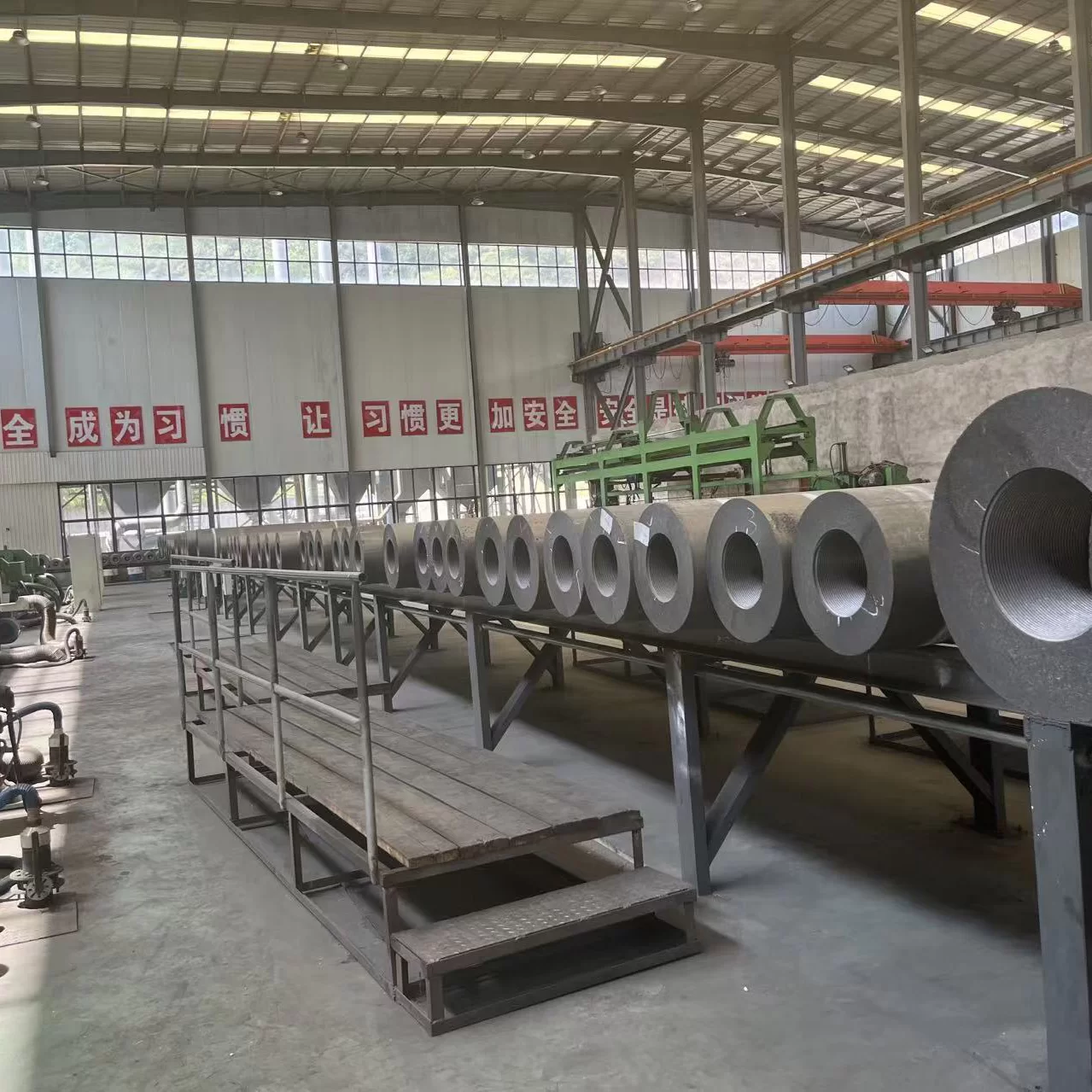
Ding An Heng New Material Technology Co., Ltd is a large-scale graphite production enterprise in China with more than 20 years of production experience. We mainly produce Graphite Electrode, Graphitized Petroleum Coke GPC, Calcined Petroleum Coke CPC, Calcined Anthracite Coal CAC & other recarburizer.
After years of dedicated development, our products are sold to whole China market and meanwhile exported to Southeast Asia, Middle East, Europe and Africa with good reputation.…
YOUR NEXT STEP
Bring your brief. Start a useful conversation.
Use case, specification, quantity and delivery window: make the next conversation specific.