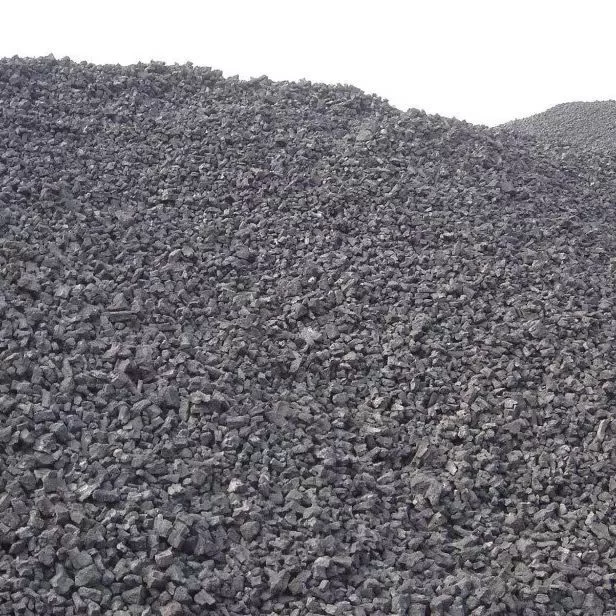
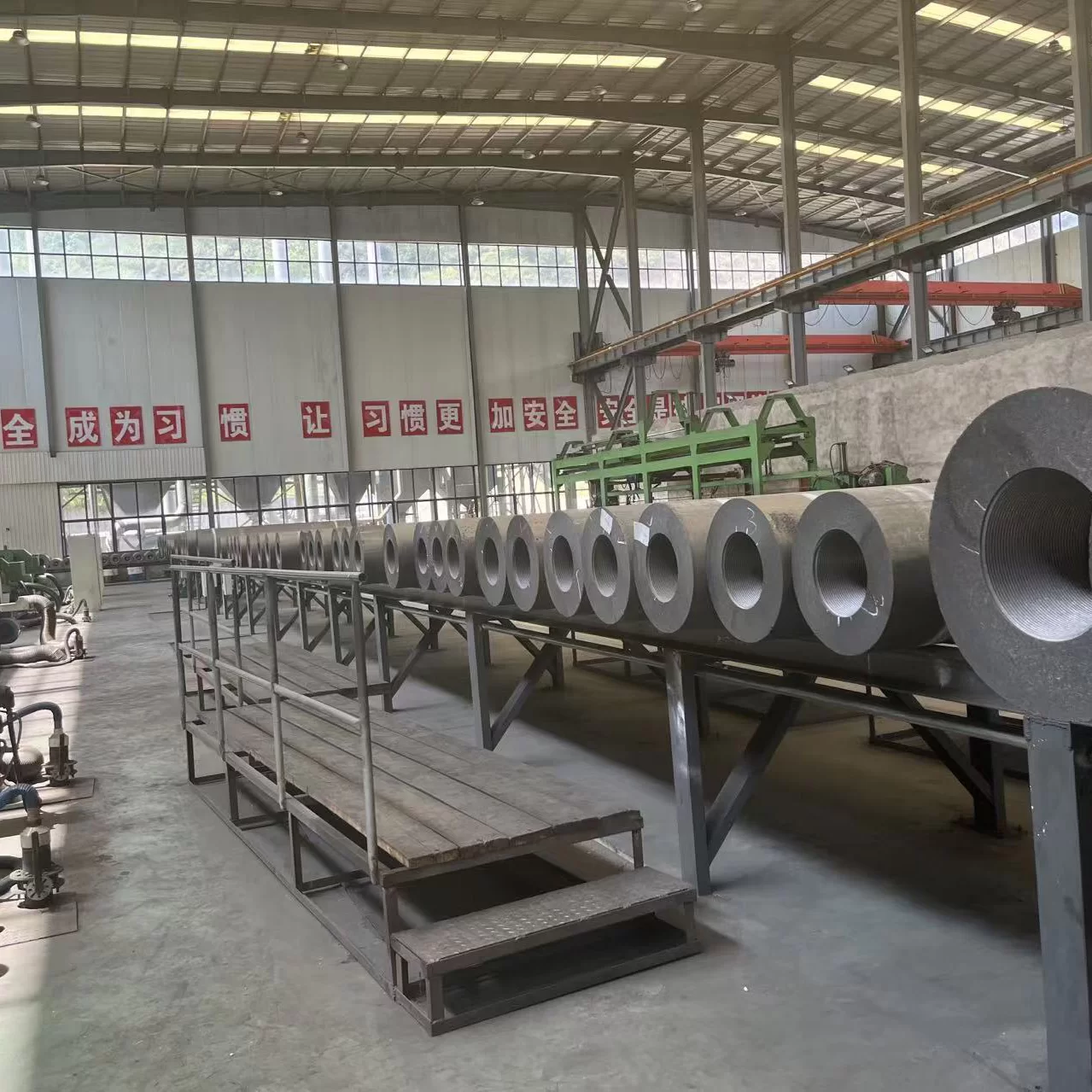
When comparing foundry coke vs metallurgical coke, the two materials may appear similar because both are carbon-rich products made from coking coal. However, they are designed for different operating conditions and metallurgical applications.
Foundry coke is primarily associated with cupola furnaces and cast iron production, while metallurgical coke is widely used in blast furnaces for ironmaking. Their differences in size, strength, reactivity, chemical composition, and furnace requirements can affect production efficiency and metal quality.
This guide explains the key differences between foundry coke and metallurgical coke and provides practical considerations for industrial buyers.
What Is Foundry Coke?
Foundry coke is a high-carbon solid fuel specifically produced for foundry applications. Its most established use is in cupola furnaces, where it provides heat for melting metallic materials and also contributes carbon to the molten iron.
Foundry coke needs to withstand high temperatures and mechanical stress while maintaining enough physical structure to support the furnace charge.
Typical characteristics include:
- High fixed carbon
- Low ash
- Controlled sulfur and phosphorus
- High mechanical strength
- Relatively large lump size
- Suitable porosity
- Controlled reactivity
The exact specification depends on the furnace and type of metal being produced.
Because cupola furnaces rely heavily on the physical structure of the coke bed, coke quality can directly influence gas flow, combustion, and melting performance.

What Is Metallurgical Coke?
Metallurgical coke, often called met coke, is a carbonaceous material primarily used in ironmaking and other high-temperature metallurgical processes.
One of its most important applications is the blast furnace. In this environment, coke performs several functions simultaneously. It acts as a fuel, reducing agent, and structural support for the burden inside the furnace.
Blast furnace coke must maintain its strength as it moves through the furnace. It also needs suitable porosity and reactivity to support the movement of gases and promote efficient chemical reactions.
Common quality indicators include:
- Fixed carbon
- Ash content
- Sulfur
- Phosphorus
- Moisture
- Coke strength
- Reactivity
- Particle size
The requirements can vary depending on the blast furnace design, operating conditions, and raw materials.

Foundry Coke vs Metallurgical Coke: Main Differences
The biggest difference between the two products is their intended furnace application.
| Factor | Foundry Coke | Metallurgical Coke |
|---|---|---|
| Main application | Cupola furnaces | Blast furnaces and metallurgical processes |
| Primary purpose | Fuel and carbon source for metal melting | Fuel, reducing agent, and furnace support |
| Typical size | Generally larger lumps | Often controlled according to blast furnace requirements |
| Strength requirement | High | Very high, especially under blast furnace conditions |
| Main metal application | Cast iron and foundry production | Pig iron and primary ironmaking |
| Reactivity | Controlled for foundry operation | Carefully controlled for blast furnace efficiency |
| Gas permeability | Important | Critical |
| Quality focus | Stable melting and furnace support | Ironmaking efficiency and burden permeability |
These categories can overlap in some applications, but they should not automatically be considered interchangeable.
Foundry Coke vs Metallurgical Coke: Size
Particle size is an important distinction when comparing foundry coke vs metallurgical coke.
Foundry coke is commonly supplied in relatively large lump sizes. Large pieces can provide good support for the charge inside a cupola furnace and help maintain gas permeability.
Metallurgical coke for blast furnaces is also produced in controlled sizes, but the required specification is determined by the blast furnace burden and operating conditions.
If coke particles are too small, they can reduce permeability and increase the amount of fine material in the furnace. If the size distribution is unsuitable, gas flow may become less uniform.
Therefore, buyers should select coke based on the furnace's recommended size range rather than assuming that a larger particle size is always better.
Strength and Mechanical Performance
Strength is another important factor in the comparison.
Foundry coke needs enough strength to survive handling and remain stable inside a cupola furnace. It supports the charge while exposed to heat and mechanical stress.
Blast furnace coke faces even more demanding conditions. It must maintain its physical structure as the burden moves downward through the furnace.
Industrial buyers may encounter specifications such as CSR (Coke Strength after Reaction) and CRI (Coke Reactivity Index) when evaluating metallurgical coke for blast furnace applications.
These measurements provide information about how coke behaves during high-temperature reactions and how much strength it retains afterward.
The appropriate strength specification depends on the furnace and production process.
Chemical Composition Differences
Chemical composition is important for both types of coke.
High fixed carbon is generally desirable because carbon contributes to fuel value and metallurgical performance. At the same time, excessive ash can reduce the effective carbon content and increase the amount of slag generated during processing.
Sulfur and phosphorus also require careful control because they can enter the metal or affect downstream metallurgical processes.
For foundry coke, low sulfur can be particularly important when producing cast iron grades with controlled chemical compositions.
For blast furnace coke, ash, sulfur, phosphorus, and alkali-related components may affect furnace operation and hot metal quality.
Therefore, the best coke is not simply the product with the highest carbon content. The complete chemical specification needs to match the process.
Reactivity and Furnace Performance
Coke reactivity describes how readily coke reacts with gases such as carbon dioxide at elevated temperatures.
The relationship between reactivity and furnace performance is complex. A coke that reacts too quickly may lose strength or structure under certain operating conditions. On the other hand, insufficient reactivity may affect the efficiency of required chemical reactions.
In blast furnace applications, coke reactivity and post-reaction strength are commonly evaluated together.
Foundry operations also require suitable combustion and reaction behavior, but their requirements can differ because cupola furnaces operate differently from blast furnaces.
This is one reason why coke should be selected according to the specific furnace rather than simply by its general classification.
Can Foundry Coke Replace Metallurgical Coke?
In some cases, coke products can have overlapping applications, but foundry coke and metallurgical coke should not be treated as direct substitutes.
A blast furnace may require specific coke strength, reactivity, size, and chemical characteristics. A cupola furnace has its own requirements related to melting rate, fuel consumption, charge support, and gas flow.
Using a coke grade outside the furnace's intended specification can affect furnace stability and production results.
Before replacing one type with another, buyers should compare:
- Fixed carbon
- Ash
- Sulfur
- Phosphorus
- Moisture
- Particle size
- Mechanical strength
- CRI
- CSR
- Furnace operating requirements
Technical approval or testing may also be appropriate before making a large-scale change.
Which Coke Should You Choose?
The choice between foundry coke and metallurgical coke depends primarily on the application and furnace type.
For a cupola furnace used to melt cast iron, foundry coke is generally specified according to the furnace's required size, strength, carbon content, and impurity limits.
For blast furnace ironmaking, metallurgical coke is selected according to requirements for burden support, gas permeability, reaction behavior, strength, and hot metal production.
For other metallurgical processes, the appropriate coke specification may be different again.
The most practical approach is to start with the furnace requirements and then evaluate coke suppliers based on technical specifications, consistency, testing, and delivery capability.
Foundry Coke vs Metallurgical Coke: Final Comparison
The comparison between foundry coke vs metallurgical coke is primarily a comparison of application requirements rather than simply two different grades of carbon fuel.
Foundry coke is designed around the needs of foundry melting, especially cupola furnace operation. Metallurgical coke is more closely associated with blast furnace ironmaking and demanding metallurgical reactions.
Both require high carbon content and controlled impurities, but their size, strength, reactivity, and performance requirements can differ.
For industrial buyers, the right choice should be based on the furnace design, metal being produced, operating conditions, and required coke specifications. A detailed technical data sheet and quality inspection report can provide a more reliable basis for supplier comparison than product names alone.