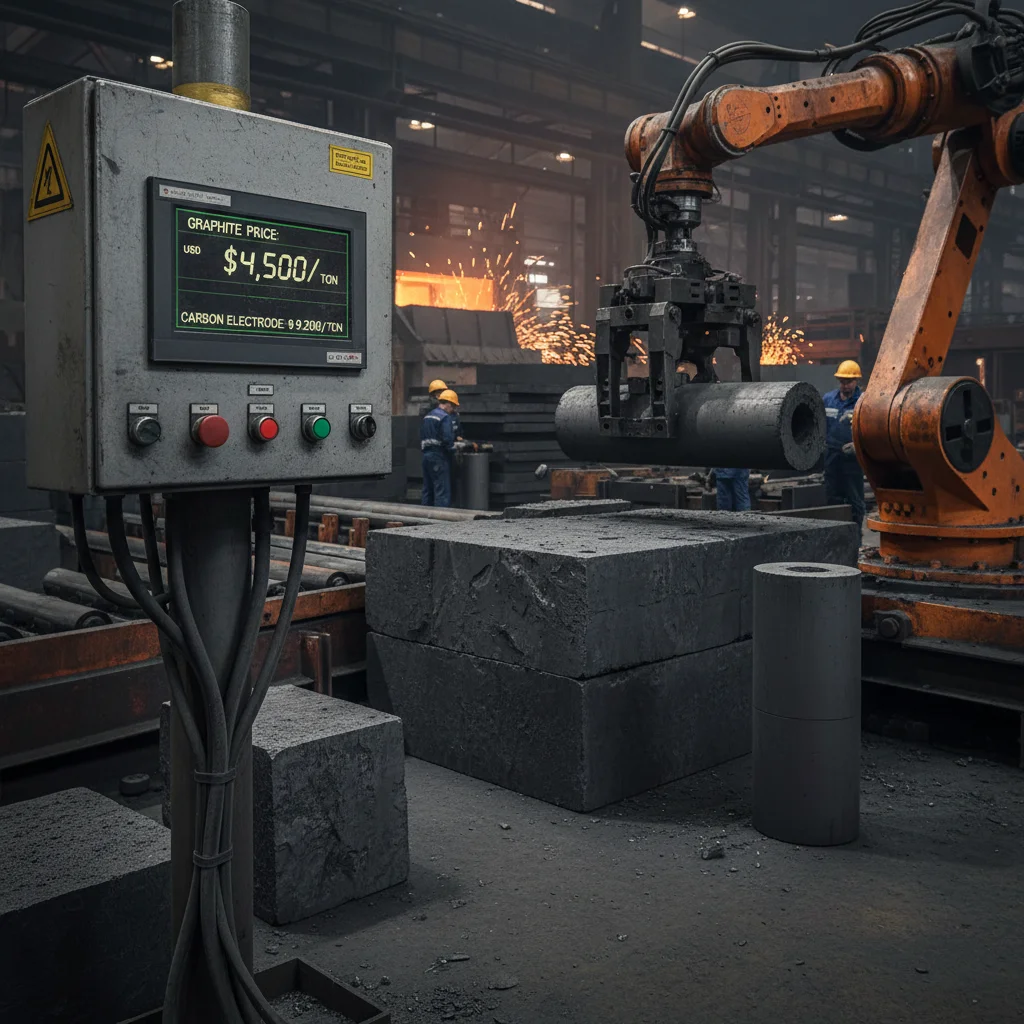
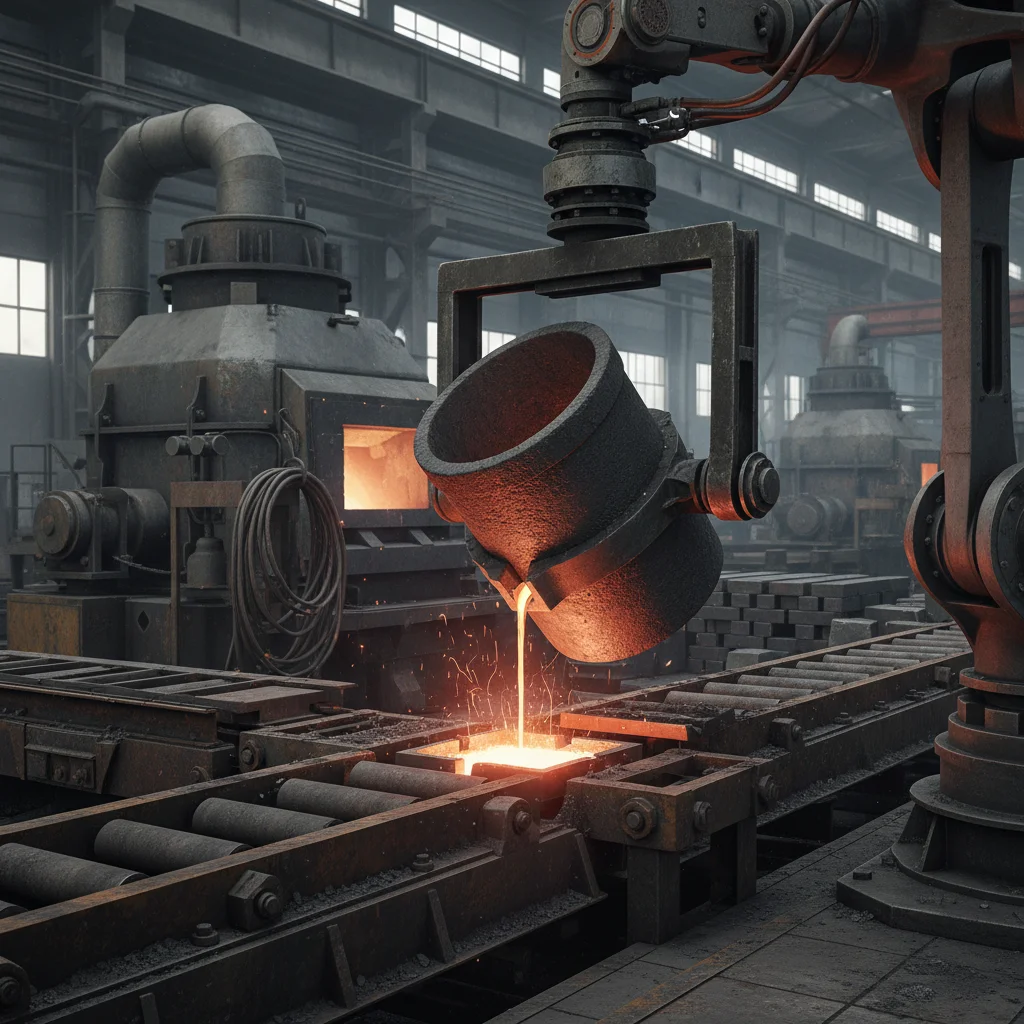
The global industrial landscape relies heavily on high-performance carbon materials to sustain the production of essential metals and energy storage solutions. At the heart of this supply chain is the ability to refine raw petroleum coke into high-purity calcined petroleum coke (CPC), a process that defines the quality of outputs from any professional graphite block factory. By removing volatile matter through extreme thermal treatment, industries can achieve the structural stability required for high-temperature environments.
The strategic importance of these materials extends from the smelting of aluminum to the cutting-edge development of lithium-ion batteries. As global demand for electrification grows, the precision of calcination—typically between 1,200°C and 1,500°C—becomes the deciding factor in electrochemical efficiency. This thermal transformation ensures that the carbon source is devoid of moisture and impurities, providing a reliable foundation for graphite electrodes and anodes.
Understanding the operational standards of a graphite block factory allows procurement managers and engineers to optimize their supply chains for both cost and performance. By leveraging vertically integrated production, companies can secure materials with fixed carbon levels up to 99.5%, ensuring that their industrial processes remain efficient, sustainable, and competitive in a volatile global market.

The Technical Role of a Graphite Block Factory
A professional graphite block factory focuses on the critical transition from raw petroleum coke to high-performance calcined petroleum coke (CPC). This transformation is achieved through high-temperature calcination, typically ranging from 1,200°C to 1,500°C, which systematically removes volatile substances and moisture. The result is a structurally stable carbon material with a fixed carbon content often reaching 98% to 99.5%, making it indispensable for high-end industrial applications.
By controlling the thermal processing environment, the factory ensures that the resulting CPC possesses the optimal balance of conductivity and purity. This precision is vital for the manufacturing of graphite electrodes and electrolytic aluminum anodes, where any residue of volatile matter could lead to structural failure or contamination of the final metal product.
Global Industrial Context and Carbon Demand
In the current global industrial framework, the demand for high-purity carbon is driven by the rapid expansion of the green energy sector and the continuous need for primary aluminum production. According to industry standards and ISO guidelines for carbon materials, the purity of the anode material directly correlates with the energy efficiency of the smelting process. This has placed immense pressure on the graphite block factory to innovate in the removal of sulfur and ash.
One of the primary challenges facing the industry is the volatility of raw material purity. Fluctuations in the quality of raw petroleum coke can lead to inconsistent electrode performance, which in turn increases furnace energy consumption and operational costs. To address this, modern facilities have implemented advanced thermal processing technologies that ensure a consistent output regardless of the raw material's initial state.
Furthermore, the shift toward lithium-ion battery production has introduced a new tier of requirements. Battery-grade carbon requires ultra-low sulfur levels to prevent degradation of the anode performance. This shift is transforming the traditional graphite block factory from a supplier of bulk industrial materials into a high-precision chemical engineering hub.
Core Components of High-Performance CPC
The efficacy of Calcined Petroleum Coke (CPC) is defined by its chemical composition. High fixed carbon (98%–99.5%) is the most critical metric, as it ensures the material can withstand extreme temperatures without decomposing. A reputable graphite block factory prioritizes the reduction of sulfur (0.3%–0.8%) and ash (0.5%–1.2%) to prevent embrittlement in the final metal products.
Thermal stability is another core component, with materials designed to remain stable up to 1,500°C. This stability is achieved by keeping volatile matter below 0.5%, which significantly reduces furnace energy consumption and improves the overall thermal yield of the process. When a graphite block factory optimizes these parameters, the result is a material that maximizes electrochemical efficiency.
Finally, particle size customization is a key operational factor. Depending on whether the CPC is intended for anode paste or direct carburization, sizes can range from 0.5mm to 25mm. This flexibility allows the graphite block factory to provide tailored blends that ensure rapid and consistent dissolution in molten metal, maximizing the speed of carburization.
Practical Application and Operational Efficiency
In real-world applications, CPC is primarily utilized in the production of aluminum anodes and high-grade graphite electrodes. By substituting premium graphite additives with high-performance calcined coke, industrial plants can see a reduction in operational costs by 30% to 50% without sacrificing metal quality. This cost efficiency is particularly beneficial in large-scale smelting operations in regions like Asia and the Middle East.
The use of CPC also extends to the chemical industry and the production of battery anodes, where ultra-low sulfur grades are required to maintain the structural integrity of the lithium-ion cells. This versatility demonstrates how a graphite block factory serves as a cornerstone for both heavy industry and high-tech electronics.
Performance Ratings of Carbon Materials by Factory Method
Long-Term Value of Vertically Integrated Supply
Vertical integration, from the sourcing of raw petroleum coke to the final calcination process, provides a significant competitive advantage. By controlling every stage of production, a graphite block factory can guarantee that sulfur and ash levels stay within precise tolerances, eliminating the risks associated with third-party material fluctuations.
This stability leads to long-term value in the form of reduced downtime and predictable supply cycles. For industrial facilities, this means fewer batch failures and a more streamlined transition from raw material to finished metal or battery component, fostering a relationship of trust and reliability between the manufacturer and the end-user.
Future Innovations in Carbon Material Processing
The future of carbon material production is leaning heavily toward automation and digital transformation. Modern factories are integrating real-time logistics monitoring and AI-driven quality control to ensure that every batch of CPC meets the exact specifications of the client. This evolution allows the graphite block factory to reduce waste and optimize energy consumption during the calcination phase.
Sustainability is also becoming a primary driver. Innovations in "green" calcination, which aim to reduce the carbon footprint of the heating process, are being explored to align with global ESG (Environmental, Social, and Governance) goals. The integration of renewable energy sources to power the 1,500°C furnaces is a key area of current research.
Furthermore, the development of ultra-high purity carbon for next-generation solid-state batteries is pushing the boundaries of current thermal processing. The ability to create blends with near-zero sulfur levels will be the next frontier for the leading carbon material producers worldwide.
Comparative Analysis of Carbon Material Grades
Choosing the right grade of carbon material is essential for balancing cost and performance. While premium graphite offers the highest purity, calcined petroleum coke provides a high-performance alternative that significantly lowers operational costs. A professional graphite block factory provides the technical guidance necessary to select the optimal particle size and purity level for specific applications.
Comparing CPC to raw petroleum coke reveals the necessity of the calcination process; raw coke contains volatile matter that can lead to furnace instability and reduced carbon yield. By investing in the calcination process, industries ensure a more uniform dissolution in molten metal, which is critical for achieving consistent carburization speeds.
Ultimately, the value proposition of CPC lies in its ability to offer high-end performance at a fraction of the cost of pure graphite, provided it is sourced from a facility with rigorous quality control and vertical integration.
Comparison of Carbon Material Specifications and Performance
| Material Grade |
Fixed Carbon % |
Sulfur Content |
Cost Efficiency |
| Premium Graphite |
99.9% + |
Ultra-Low |
Low (Expensive) |
| Standard CPC |
98.0% - 99.5% |
0.3% - 0.8% |
High (Optimal) |
| Battery-Grade CPC |
99.0% + |
< 0.3% |
Moderate |
| Industrial Grade |
97.0% - 98.0% |
0.8% - 1.2% |
Very High |
| Raw Petroleum Coke |
90% - 95% |
Variable |
Maximum |
| Customized Blends |
Tailored |
Tailored |
Competitive |
FAQS
Calcined petroleum coke undergoes a rigorous high-temperature thermal treatment (1200-1500°C) to remove moisture and volatile matter. This results in a significantly more stable molecular structure and higher purity levels compared to raw coke, which is essential for preventing defects in electrolytic aluminum production and graphite electrode manufacturing.
Due to its exceptionally high fixed carbon content and low ash levels, CPC improves the electrical conductivity of anode blocks. This reduction in impurities lowers the electrical resistance in the smelting cell, which minimizes energy consumption and improves the overall purity of the final aluminum metal produced.
Yes, we offer controlled particle size distribution ranging from 0.5mm to 25mm. This customization is critical because different applications, such as anode paste production versus direct carburization in steel furnaces, require different surface areas to ensure optimal dissolution and performance.
High sulfur levels can lead to sulfur embrittlement in metals, which weakens the mechanical properties of the final product. Furthermore, low sulfur content reduces harmful environmental emissions during the smelting process, ensuring compliance with stringent global environmental regulations.
Absolutely. We provide specialized ultra-low sulfur blends that are specifically tailored to meet the stringent purity requirements of the lithium battery industry. These grades ensure high electrochemical stability and longevity for battery anodes.
Our vertical integration is the key. By managing everything from raw petroleum coke sourcing to the final calcination process, we maintain strict quality control over every stage. Rigorous batch testing for fixed carbon, sulfur, and ash ensures that every delivery stays within precise tolerances.
Conclusion
In summary, the transition from raw materials to high-performance calcined petroleum coke is a cornerstone of modern metallurgy and energy storage. By focusing on high fixed carbon, low sulfur, and precise thermal stability, a professional graphite block factory enables industries to achieve higher efficiency, lower operational costs, and superior product quality. The synergy of vertical integration and technical precision ensures that the carbon supply chain remains resilient and capable of meeting the demands of tomorrow.
Looking forward, the integration of sustainable processing and digital quality monitoring will further redefine the standards of carbon material production. For companies seeking to optimize their electrochemical efficiency and reduce their environmental impact, partnering with a technologically advanced carbon supplier is no longer optional—it is a strategic necessity. We invite you to explore how our high-purity solutions can transform your industrial output. Visit our website: www.hbdahcarbon.com