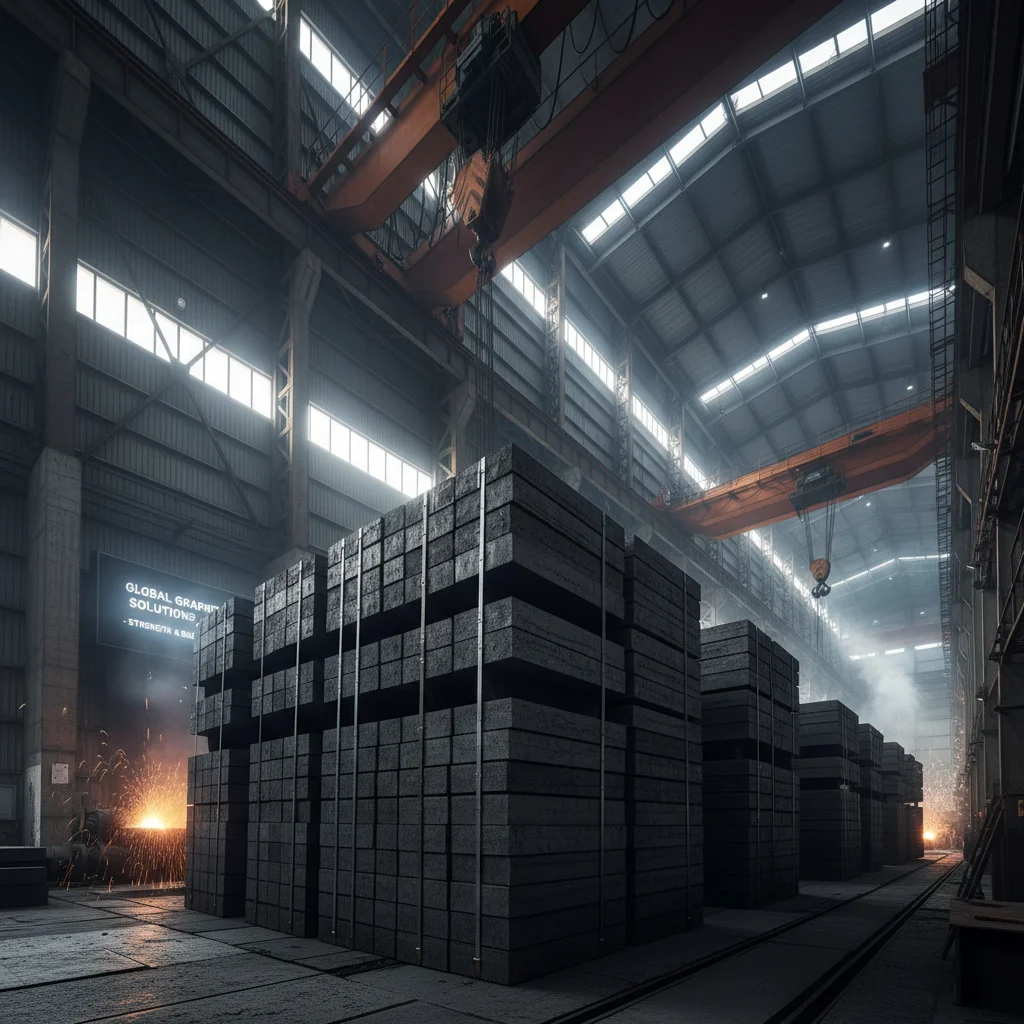
In the specialized world of high-temperature industrial processing, the demand for precision-engineered carbon components has never been higher. While many look for a graphite coin mold for small-scale casting, the broader industrial need focuses on high-performance conductors like RP Graphite Electrodes that drive the global steel and alloy industries. These components are essential for converting electrical energy into the extreme heat required for smelting.
Modern metallurgy relies on the ability to maintain structural integrity under immense thermal stress and electrical load. The transition toward more sustainable and efficient electric arc furnaces has pushed the boundaries of material science, requiring electrodes that offer lower resistivity and higher mechanical strength to reduce waste and energy consumption.
Understanding the intersection of precision machining and high-purity raw materials is key to optimizing furnace performance. Whether one is exploring the nuances of a graphite coin mold or integrating large-scale RP Graphite Electrodes into an EAF, the goal remains the same: achieving maximum conductivity with minimum impurity.

Material Composition of Graphite Components
The foundation of any high-performance graphite product, from a detailed graphite coin mold to a massive industrial electrode, lies in the purity of its raw materials. RP Graphite Electrodes utilize a premium blend of petroleum coke, needle coke, and coal pitch. This specific combination ensures that the final product possesses the density required to withstand the harsh environment of an Electric Arc Furnace (EAF).
By controlling ash content within a strict 3% limit, manufacturers can prevent secondary impurities from contaminating the melt. The use of needle coke, often comprising up to 80% of the material, creates a highly oriented crystalline structure that enhances both electrical conductivity and mechanical toughness, which is vital for long-term operational stability.
The Manufacturing Process and CNC Precision
The journey from raw petroleum coke to a finished industrial component involves a rigorous multi-stage production cycle. This process begins with calcining and kneading, followed by baking and pressure impregnation to seal pores and increase density. The final stage of graphitization transforms the carbon structure into a high-conductivity form capable of delivering immense electrical energy.
Precision is paramount when creating specialized tools like a graphite coin mold or large-diameter electrodes. Professional CNC machining is employed to ensure flawless structural integrity and exact tolerances. This ensures that electrodes fit seamlessly into furnace housings and that molds produce consistent, high-quality parts without dimensional drift.
With an annual production capacity of 80,000 tons, the integration of automated CNC systems allows for a balance between massive scale and meticulous detail. This operational efficiency reduces lead times for global deliveries while maintaining the strict mechanical strength and anti-oxidation capabilities required for industrial silicon and phosphorus furnaces.
Electrical Properties and Thermal Efficiency
Low resistivity is the cornerstone of energy efficiency in smelting. A high-quality graphite conductor ensures that electrical energy is transferred with minimal loss, which directly translates to lower electricity costs for the operator. When designing a graphite coin mold or electrode, optimizing this conductivity is the primary engineering goal.
The thermal stability of RP Grade graphite allows it to operate in extreme heat without premature deformation. By utilizing a dense and uniform structure, the material resists the aggressive oxidation that typically occurs in Ladle Furnaces (LF), ensuring that the graphite coin mold or electrode remains functional for an extended service life.
Furthermore, the impact strength of these materials prevents cracking during the sudden thermal shocks associated with arc ignition. This mechanical resilience, combined with high electrical throughput, creates a reliable system that supports the continuous production of high-purity steel and non-ferrous alloys.
Industrial Applications in Smelting and Casting
Graphite's unique properties make it indispensable across various heavy industries. In steelmaking, RP Graphite Electrodes are the primary energy delivery system for Electric Arc Furnaces and Ladle Furnaces. Similarly, the precision and thermal resistance found in a graphite coin mold are utilized in specialty casting and the production of industrial silicon.
Beyond steel, these materials are critical in the production of yellow phosphorus and other non-ferrous metals. The ability to customize diameters and tolerances via CNC machining allows these components to be integrated into diverse furnace designs globally, from remote industrial zones to state-of-the-art urban foundries.
Comparative Performance of Graphite Components
Advantages of High Needle Coke Content
Integrating up to 80% needle coke into the graphite matrix provides a decisive advantage in industrial settings. This material choice increases the overall density of the component, whether it is a large electrode or a specialized graphite coin mold, thereby reducing the rate of material consumption during the smelting process.
High needle coke content also enhances the mechanical compression strength, meaning the components can withstand the heavy physical loads of industrial charging without fracturing. This results in a more stable arc and a more uniform distribution of heat, which is essential for achieving the high purity levels required in premium steel alloys.
Sustainability and Consumption Reduction
In the modern industrial landscape, sustainability is measured by the reduction of waste and the optimization of energy. By utilizing RP Premium Grade electrodes, companies can significantly reduce their electrode consumption rates compared to standard grades. This not only lowers operational costs but also decreases the frequency of furnace shutdowns for replacement.
The ultra-low ash and sulphur content ensure that no secondary impurities are introduced into the molten steel, which reduces the need for corrective refining processes. This lean approach to production is mirrored in the design of a graphite coin mold, where precision casting reduces scrap material.
Furthermore, the extended service life provided by superior anti-oxidation capabilities means fewer components end up in industrial waste streams. This shift toward durability and efficiency represents a move toward a more sustainable metallurgical industry, balancing high output with environmental responsibility.
Performance Metrics and Investment Return
Evaluating the investment in high-grade graphite requires looking beyond the initial purchase price to the Total Cost of Ownership (TCO). RP Premium Grade components offer an optimized conductivity that reduces energy bills and an extended lifespan that minimizes downtime. For those employing a graphite coin mold, the return is seen in the reduced rejection rate of finished parts.
When comparing standard grade graphite to premium grades, the difference in electrode consumption is stark. Premium grades exhibit ultra-low loss rates, meaning the cost per ton of steel produced is significantly lower. This efficiency is a direct result of the advanced graphitization and impregnation cycles used during manufacturing.
Ultimately, the integration of high-purity materials and CNC precision ensures a high return on investment through increased steel purity and reduced replacement frequency. The following table summarizes the comparative advantages across key performance dimensions.
Core Performance Comparison: Standard vs. RP Premium Graphite
| Metric | Standard Grade | RP Premium Grade | Industrial Impact |
|---|
| Electrode Consumption | Moderate | Ultra-Low | Lower OpEx |
| Service Life | Standard | Extended | Less Downtime |
| Steel Purity | Basic | High (Low Ash) | Premium Quality |
| Energy Efficiency | Baseline | Optimized | Reduced Power Bill |
| Replacement Rate | Higher | Significantly Reduced | Higher Productivity |
| Tolerances | Standard | CNC Precision | Seamless Integration |
FAQS
Our products are manufactured from a high-purity blend of petroleum coke and needle coke, with coal pitch serving as the binder. The high needle coke content (up to 80%) is what provides the exceptional electrical conductivity and mechanical strength, while strict control of ash content (under 3%) ensures that the final melt remains free of secondary impurities.
While both use similar raw materials, the primary difference lies in the final machining. Industrial electrodes are designed for massive energy throughput and wear resistance in furnaces, whereas a graphite coin mold focuses on extreme dimensional precision and surface smoothness via CNC machining to ensure high-fidelity casting of small parts.
Ash consists of non-carbon impurities. If the graphite electrode or mold has high ash content, these impurities can migrate into the molten steel, compromising the alloy's chemical composition and structural integrity. By keeping ash levels very low, we guarantee a higher quality final product for the end-user.
Yes, absolutely. Our RP Graphite Electrodes and precision carbon products are ideal for the non-ferrous industry, as well as the production of industrial silicon and yellow phosphorus, due to their high thermal stability and low reactivity with various molten metals.
CNC machining ensures that the component has a perfect fit and uniform surface. This prevents "hot spots" or uneven stress distribution during operation, which in turn reduces the risk of premature cracking and oxidation, significantly extending the service life of the part.
We maintain an annual production capacity of 80,000 tons. This scale, combined with our optimized logistics management, allows us to handle massive industrial orders while ensuring timely global delivery and consistent quality across every batch.
Conclusion
The integration of premium materials, such as high-content needle coke, and the application of precision CNC machining have transformed the efficacy of carbon components in modern industry. Whether it is the specialized utility of a graphite coin mold or the massive power of RP Graphite Electrodes, the focus on low resistivity, high mechanical strength, and ultra-low impurity levels is what drives industrial success. These factors collectively ensure that smelting and casting processes are more energy-efficient, sustainable, and cost-effective.
Looking forward, the trend toward "green steel" and automated metallurgy will only increase the demand for high-performance graphite. Investing in premium-grade carbon components is no longer just about operational stability—it is a strategic move toward higher purity and lower environmental impact. For those seeking to optimize their smelting efficiency and reduce consumption, transitioning to RP Premium Grade graphite is the most viable path forward. Visit our website: www.dahcarbon.com