The global demand for high-performance carbon materials has led to a critical reliance on specialized graphite block suppliers to sustain the precision required in modern metallurgy. From the production of high-quality steel to the intricate requirements of precision casting, the ability to source consistent, high-purity carbon additives is essential for maintaining industrial grade and structural integrity. Understanding the nuances of these materials allows manufacturers to optimize their production cycles and reduce waste.
In the competitive landscape of the non-metallic mineral industry, the distinction between standard petroleum coke and graphitized petroleum coke is profound. While both serve as carbon raisers, the thermal treatment process transforms amorphous structures into crystalline hexagonal lamellar structures, drastically altering the material's performance in foundries. This transformation is what separates basic commodity traders from expert graphite block suppliers who provide engineered solutions for specific metallurgical challenges.
Selecting the right partner among various graphite block suppliers ensures that industries can achieve precise nucleation of graphite in iron solutions, which is vital for increasing the amount of ductile iron. By focusing on minimal ash and sulfur levels, these suppliers enable the production of alloys that meet stringent international standards. The following exploration delves into the technical specifications and strategic advantages of utilizing premium graphitized and calcined petroleum coke in industrial applications.

The Science of Graphitization in Carbon Materials
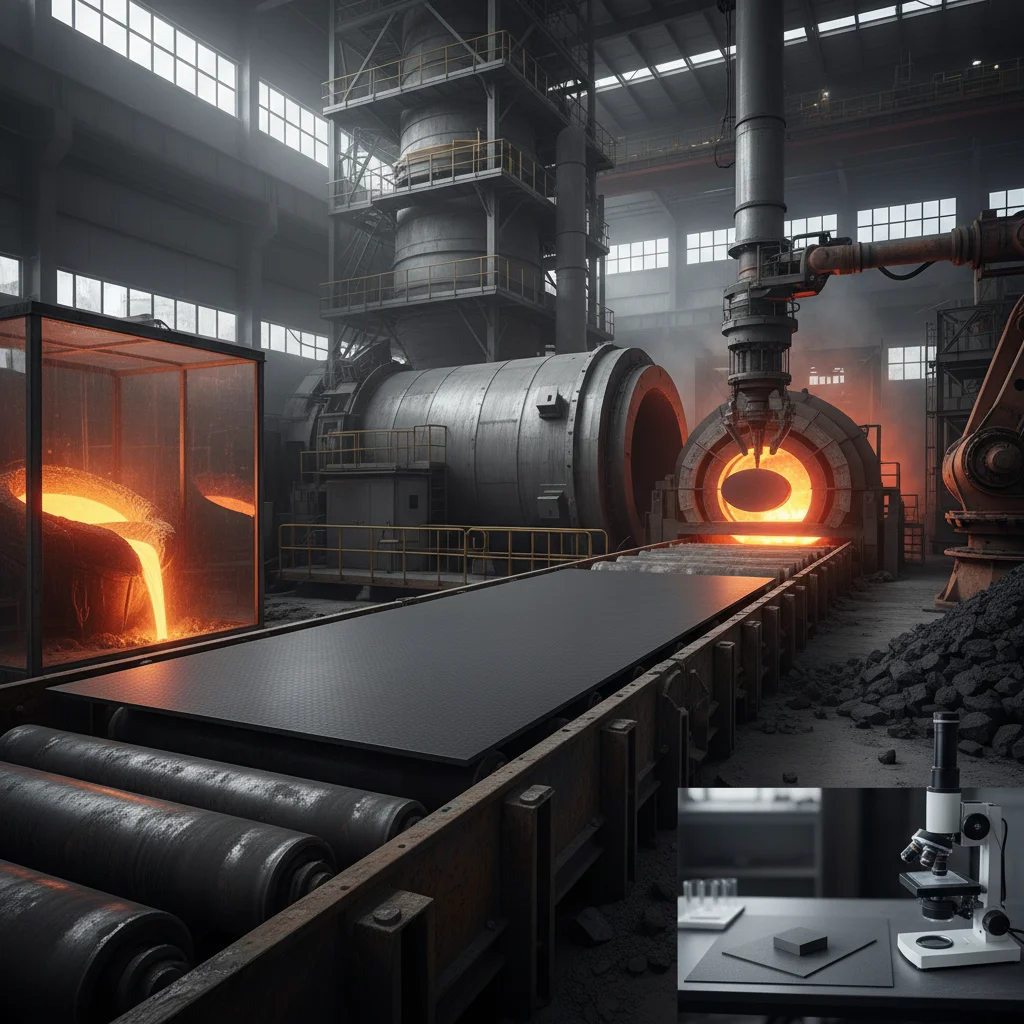
The process of graphitization is a high-temperature thermal transformation where petroleum coke is subjected to temperatures reaching approximately 3000 degrees Celsius in a specialized furnace. This extreme heat forces the amorphous, chaotic structure of the carbon crystals to reorganize into a highly ordered hexagonal lamellar structure. This transition from amorphous carbon to crystalline graphite is what fundamentally changes the material's chemical reactivity and physical properties, making it an indispensable tool for high-end industrial processes.
When searching for reliable graphite block suppliers, it is crucial to verify the graphitization temperature used during production. Only by exceeding the 2600°C to 3000°C threshold can the material achieve the necessary crystallinity to act as an effective inoculant in special steel smelting and precision casting. This scientific rigor ensures that the resulting graphitized coke can promote superior nucleation in iron solutions, which is a critical requirement for modern foundries.
Core Components of High-Quality Petroleum Coke
The quality of petroleum coke is primarily defined by its chemical purity and mechanical strength. Leading manufacturers focus on reducing the concentrations of ash, sulfur, and phosphorus, as these impurities can compromise the structural integrity of the final steel or cast iron product. Low-sulfur and medium-sulfur variants are produced to meet different industry standards, ensuring that the carbon additive does not introduce unwanted elements into the melt.
Particle size distribution is another core component that determines the efficiency of the carbon raiser. Whether the application requires a fine powder or larger grains (ranging from 1-3mm up to 1-20mm), precise screening and classification are mandatory. This allows for a controlled dissolution rate in the furnace, preventing the uneven distribution of carbon and ensuring a homogeneous alloy composition across the entire batch.
Furthermore, the physical form—such as sponge calcined coke—offers specific surface area advantages that can be tailored to the customer's needs. By providing custom sifting solutions, suppliers ensure that the mechanical strength of the coke is sufficient to withstand the rigors of industrial handling and high-temperature environments without premature degradation.
Technical Advantages of Graphitized Petroleum Coke
One of the primary technical benefits provided by expert graphite block suppliers is the ability to significantly increase the ferrite content in ductile iron. This is achieved without the need for expensive pearlite stabilizers, allowing manufacturers to streamline their chemical additives while maintaining high material standards.
From a microstructural perspective, the use of graphitized petroleum coke increases the proportion of V-shaped and VI-shaped graphite. This improvement in graphite morphology is critical for the mechanical properties of grey cast iron, leading to higher grades of material that can withstand greater stress and wear in industrial machinery.
Perhaps the most tangible advantage is the substantial increase in the amount of nodular ink, which reduces the reliance on expensive nucleating agents during the fine-tuning stage. By optimizing the initial carbon addition through quality graphite block suppliers, companies can realize significant cost savings without sacrificing the precision of their precision casting operations.
Market Scalability and Supply Chain Efficiency
Maintaining a stable production cycle requires a supply chain capable of delivering high volumes without compromising quality. The ability to provide approximately 5,000 tons per month ensures that large-scale metallurgical plants can operate without the risk of raw material shortages. This scalability is supported by vast inventories of both low-sulfur and medium-sulfur calcined petroleum coke, allowing for rapid deployment across different geographic regions.
The integration of continuous graphitization processes allows for a consistent output of particle sizes from 0-50mm, tailored specifically to the end-user's machinery. By aligning supply chain logistics with precise technical specifications, the industry reduces the lead time between order and application, which is vital for just-in-time manufacturing environments.
Comparative Performance Metrics for Carbon Sourcing
Global Applications in Metallurgy and Casting
Graphitized petroleum coke finds extensive use as a reducing agent in the metallurgical industry, where it facilitates the removal of oxygen from metal ores. Its high carbon content and purity make it ideal for the smelting of special steels, where stringent control over sulfur and phosphorus is required to prevent brittleness and ensure the longevity of the final component.
Beyond steel and iron, these materials are essential in the production of graphite cathodes for aluminum electrolysis cells. Additionally, the high absorbent properties of these carbon structures allow them to be used as heavy metal absorbents in wastewater treatment, demonstrating a versatile application range that extends from heavy industrial manufacturing to environmental protection.
Long-Term Value of Precision Carbon Additives
The adoption of high-grade carbon additives provides a dual benefit of quality enhancement and cost reduction. By improving the organization and grade of grey cast iron and increasing the efficiency of nodular ink, foundries can lower their overall expenditure on secondary nucleating agents. This logical shift toward high-initial-quality materials results in a more stable and predictable production outcome.
From a sustainability perspective, the use of precisely engineered materials reduces the volume of scrap metal produced during the casting process. When a manufacturer works with top-tier graphite block suppliers, the reduction in defects leads to a smaller carbon footprint per finished part, aligning industrial growth with environmental responsibility.
Trust and reliability in the supply chain also provide an emotional layer of security for plant managers. Knowing that the raw materials will meet strict sulfur control standards every month allows for the pursuit of innovation in alloy design, as the foundational carbon additive is no longer a variable of uncertainty but a constant of quality.
Future Trends in Industrial Carbon Sourcing
The future of carbon sourcing is moving toward extreme specialization and digital integration. We are seeing a shift where graphite block suppliers are expected to provide not just the material, but a comprehensive data sheet for every batch, allowing for automated dosing systems in smart foundries to adjust the carbon input in real-time based on the melt's chemistry.
Green energy transitions are also influencing the production of graphitized coke. There is an increasing focus on the energy efficiency of the graphitization furnaces, with new technologies aiming to reduce the electricity consumption required to reach the 3000°C threshold. This evolution will likely lead to "green-certified" carbon additives that appeal to the growing market of sustainable steel production.
Automation in screening and classification will further refine the particle size accuracy, potentially moving toward micron-level precision for additive use in high-tech polymers and rubber. As industry 4.0 penetrates the non-metallic mineral sector, the synergy between material science and digital precision will define the next generation of industrial carbon products.
Analysis of Carbon Material Specifications by Application
| Application Type |
Recommended Material |
Key Performance Metric |
Impact Score (1-10) |
| Precision Casting |
Graphitized Coke |
Sulfur Control |
10 |
| Steel Smelting |
Calcined Petroleum Coke |
Carbon Content |
9 |
| Ductile Iron |
Graphitized Coke |
Ferrite Increase |
9 |
| Aluminum Electrolysis |
Graphitized Coke |
Conductivity |
8 |
| Wastewater Treatment |
Graphitized Coke |
Absorbent Capacity |
7 |
| Rubber/Plastic Additive |
Calcined Petroleum Coke |
Particle Fineness |
6 |
FAQS
Calcined petroleum coke is heated to remove volatile components, whereas graphitized petroleum coke undergoes a further high-temperature process (up to 3000°C) to transform its amorphous structure into a crystalline hexagonal lamellar structure. This makes graphitized coke a far superior inoculant for precision casting and special steel smelting, as it promotes better graphite nucleation.
Purity is ensured through strict control of the raw petroleum coke source and rigorous thermal processing. High-quality suppliers utilize advanced screening and classification techniques to minimize ash, sulfur, and phosphorus levels. By maintaining stringent sulfur control, they ensure the material is suitable for ductile and grey iron casting without compromising the metal's properties.
Yes. Because graphitized petroleum coke significantly increases the amount of nodular ink and promotes better nucleation in the iron solution, the need for expensive secondary nucleating agents during the final tuning stage is substantially reduced. This leads to a direct decrease in raw material costs for the foundry.
Standard sizes for calcined petroleum coke often include 1-3mm, 1-5mm, 1-10mm, and 1-20mm. For graphitized petroleum coke, suppliers can provide a wider range of particle sizes, typically from 0-50mm, tailored to the specific requirements of the customer's smelting or casting equipment.
Absolutely. Beyond its role as a carbon raiser and reducing agent in steelmaking, it is used as a key raw material for graphite cathodes in aluminum electrolysis cells and serves as an effective heavy metal absorbent in industrial wastewater treatment plants.
The choice depends on the specific alloy grade you are producing. High-precision alloys and special steels generally require low-sulfur variants to prevent brittleness and improve mechanical strength. For more general-purpose cast iron where sulfur tolerance is higher, medium-sulfur coke may be a more cost-effective option.
Conclusion
The strategic selection of high-purity carbon materials from reputable graphite block suppliers is a cornerstone of modern metallurgical success. By leveraging the scientific advantages of graphitization—transforming amorphous petroleum coke into a crystalline structure—industries can achieve superior nucleation, increased ferrite content, and significant cost reductions in nucleating agents. From the precision of special steel smelting to the efficiency of aluminum electrolysis, the technical specifications of carbon additives directly dictate the quality of the final industrial product.
Looking forward, the industry must continue to embrace the intersection of material science and sustainable production. As smart foundries and green energy mandates become the norm, the role of carbon suppliers will evolve from mere commodity providers to technical partners in innovation. We encourage manufacturers to audit their current carbon sourcing and transition toward higher-purity, precisely graded materials to ensure long-term competitiveness and environmental compliance. Visit our website: www.hbdahcarbon.com