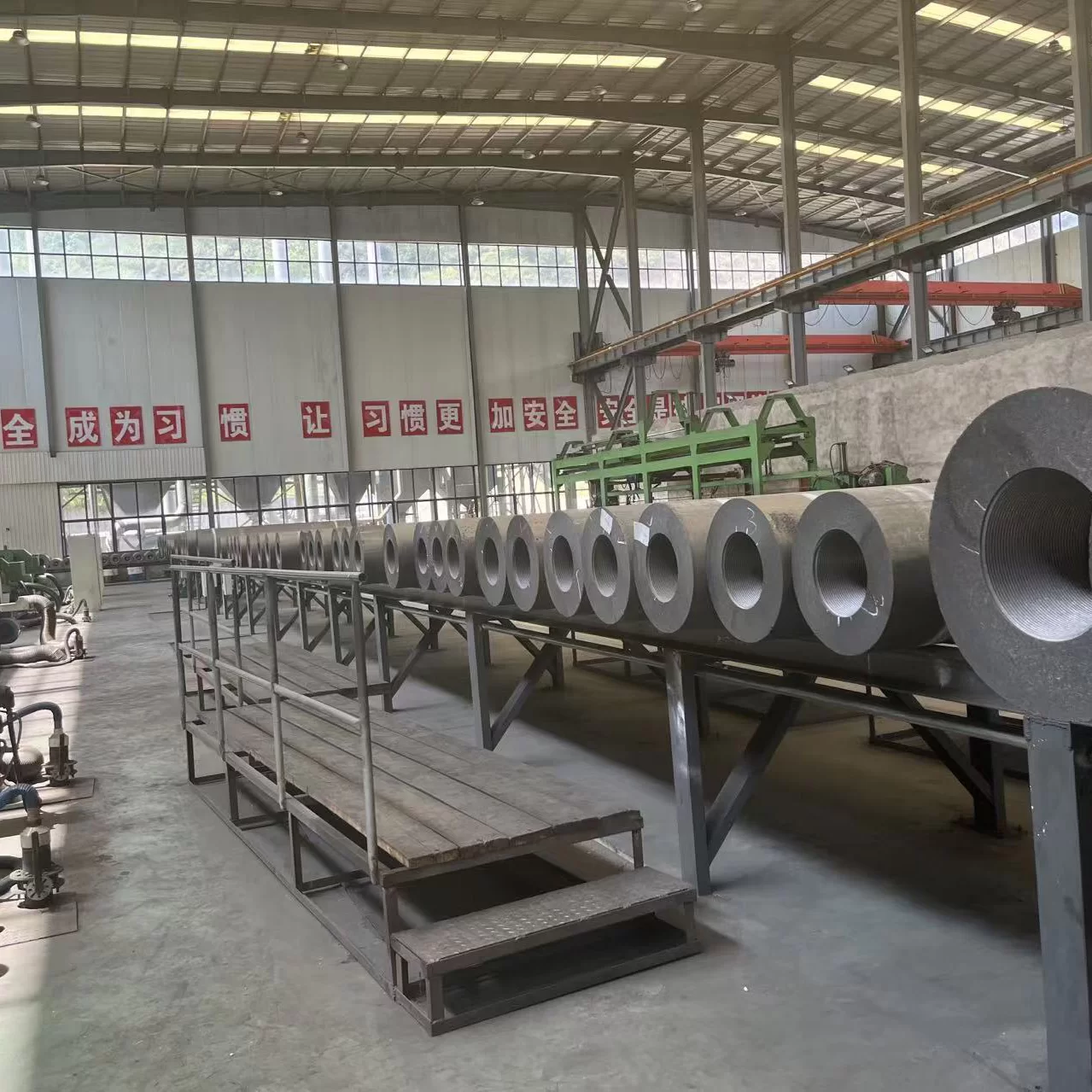
The Ultimate Guide to Graphite Foam: Innovation in Carbon Materials
In the evolving landscape of industrial materials, graphite foam has emerged as a revolutionary carbon-based solution. Combining the exceptional electrical and thermal conductivity of graphite with the lightweight, porous structure of a foam, this material is redefining efficiency in thermal management and electronics. Whether used for high-end heat dissipation or advanced filtration, this material offers a unique synergy of physical properties. Understanding the nuances of its structure and application is essential for engineers looking to optimize performance in demanding environments.

The Structural Engineering of Graphite Foam
The secret to the success of graphite foam lies in its open-cell architecture. Unlike traditional solid graphite, the foam structure consists of interconnected ligaments that create a highly permeable network. This design allows for maximum fluid flow and gas permeability while maintaining a strong carbon backbone. This structural integrity ensures that the material can withstand significant compressive forces without collapsing, making it ideal for industrial gaskets and electrode supports. By controlling the pore size and density during the manufacturing process, the material can be tailored for specific thermal or electrical requirements.
Technical Insight: The open-cell morphology of graphite foam provides a massive surface-area-to-volume ratio, which is critical for applications involving catalysis, energy storage, and rapid heat exchange.
Thermal Management Capabilities of Graphite Foam
One of the most prized characteristics of graphite foam is its anisotropic thermal conductivity. It can move heat rapidly along its interconnected struts, effectively acting as a "heat highway" to pull warmth away from sensitive electronic components. This makes it far superior to traditional thermal pads or plastic-based foams. In the era of miniaturization, where heat density is a major challenge, utilizing this material allows for thinner devices without sacrificing cooling performance. Its ability to operate in extreme temperatures without degrading ensures long-term reliability in aerospace and automotive sectors.
Comparing Graphite Foam with Standard Carbon Materials
When evaluating the best material for an industrial project, it is helpful to compare graphite foam against standard petroleum coke or solid graphite. While solid graphite offers maximum density, it lacks the breathability and lightness required for modern filtration and lightweight heat sinks. The foam variant provides a balance of conductivity and low mass, significantly reducing the overall weight of the assembly. Below is a detailed performance comparison highlighting why the foam structure is often the preferred choice for specialized applications.
Industrial Applications of Graphite Foam
The versatility of graphite foam allows it to penetrate various sectors of the manufacturing industry. In the electronics sector, it is used as an EMI shielding material and a thermal interface. In the chemical industry, its high purity and chemical resistance make it an ideal substrate for electrocatalysts in fuel cells. Furthermore, its use as a heavy metal absorbent in wastewater treatment showcases its environmental utility. The ability to custom-size and cut the foam means it can be integrated into complex mechanical designs without requiring extensive machining.

Technical Specifications for Graphite Foam Selection
Selecting the right grade of graphite foam requires a careful analysis of the required porosity and conductivity. Higher porosity generally leads to lower density and better permeability, which is essential for filtration. Conversely, denser foams provide better mechanical strength and higher electrical conductivity. To help procurement managers and engineers make informed decisions, we provide a standardized specification table for our primary product ranges.
Conclusion: Embracing the Future with Graphite Foam
The integration of graphite foam into modern industrial processes marks a significant leap in material science. By blending the lightweight nature of a foam with the powerhouse properties of crystalline carbon, industries can achieve unprecedented levels of thermal efficiency and structural versatility. As we move toward a more sustainable and high-performance future, selecting the right carbon materials is the key to competitive advantage. Explore how this innovative material can elevate your production quality and operational efficiency today.
Frequently Asked Questions (FAQs)
What makes graphite foam different from regular carbon foam?
While both are carbon-based, graphite foam undergoes a specific graphitization process at extreme temperatures (often above 2500°C). This process converts amorphous carbon into a crystalline hexagonal structure. This transition dramatically increases electrical and thermal conductivity compared to standard carbon foams, which remain amorphous and have much higher electrical resistance. Consequently, graphite foam is the superior choice for heat dissipation and electrode applications.
Can graphite foam be used for liquid filtration?
Yes, the open-cell structure makes it an excellent medium for filtration. Due to its high purity and chemical inertness, it can filter industrial liquids without reacting with the chemicals being processed. Additionally, its high surface area allows for the attachment of functional groups or catalysts, enabling it to act not just as a physical filter, but as a chemical absorbent for removing heavy metals or organic pollutants from wastewater streams.
How is the thermal conductivity of graphite foam measured?
Thermal conductivity is typically measured using the laser flash method or the guarded hot plate method. Because graphite foam is anisotropic, measurements are taken in both the longitudinal and transverse directions. The conductivity along the struts is significantly higher than across the pores. This data is crucial for engineers when designing heat sinks to ensure that the heat flow is directed away from the source as efficiently as possible.
Is graphite foam durable enough for mechanical use?
Despite its porous appearance, graphite foam possesses impressive mechanical strength relative to its weight. It is designed to withstand compression and can maintain its shape under significant pressure. However, it is more brittle than solid metals. When used in mechanical assemblies, it is often recommended to use it in a constrained environment or as a composite part to maximize its durability while leveraging its unique thermal and electrical properties.