Understanding Calcined Petcoke Prices: Market Trends and Insights
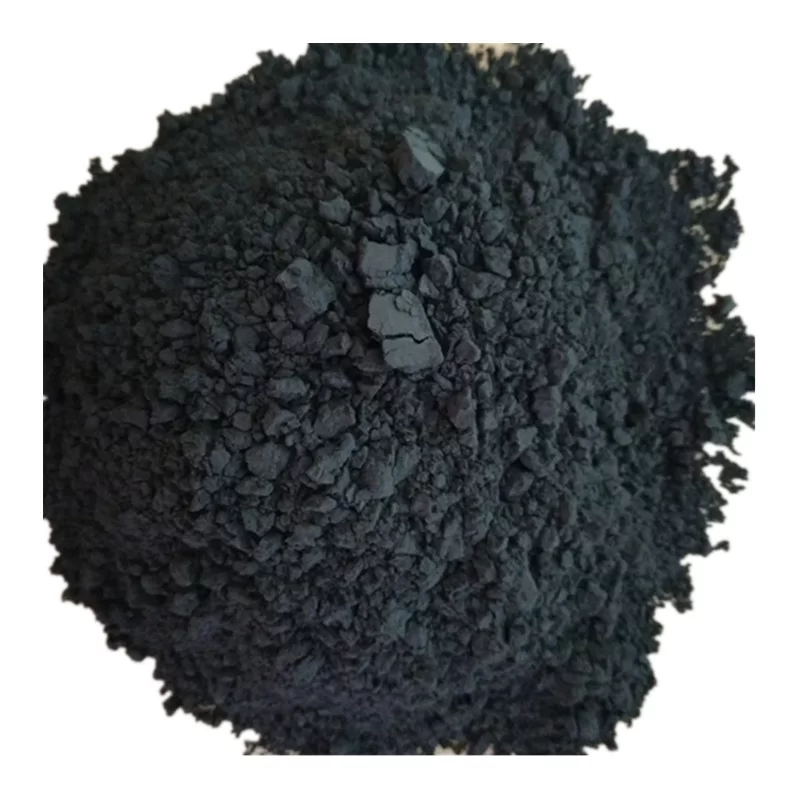
For industries relying on high-carbon materials, keeping a close eye on calcined petcoke prices is essential for maintaining cost-efficiency and operational stability. Calcined petroleum coke (CPC) is a critical raw material used extensively in the production of aluminum anodes and graphite electrodes. Because it is a derivative of the oil refining process, its pricing is susceptible to various global economic factors, including crude oil volatility and industrial demand in emerging markets. This guide explores the primary drivers of price fluctuations and provides technical data to help procurement managers make informed decisions.

Factors Influencing Calcined Petcoke Prices
The volatility of calcined petcoke prices is typically driven by three main pillars: raw material availability, energy costs, and global logistics. Since green coke must be heated to high temperatures to remove volatile matter, the cost of natural gas or electricity used in the calcination process directly impacts the final market price. Additionally, shifts in the aluminum industry—particularly in China and India—can cause sudden spikes in demand, tightening the supply chain and driving prices upward. Understanding these correlations allows businesses to hedge their risks more effectively.
Market Driver Alert: The correlation between crude oil refining margins and the availability of high-sulfur vs. low-sulfur green coke often dictates the baseline price before the calcination process begins.
Comparing Grade Quality and Calcined Petcoke Prices
Not all calcined coke is created equal. The pricing structure varies significantly based on the sulfur content and the carbon residue. Low-sulfur grades are highly sought after for premium anode production, commanding a higher price point than high-sulfur alternatives. When analyzing calcined petcoke prices, it is crucial to look at the "price per purity" ratio. Lower sulfur levels reduce environmental emissions during the smelting process, providing long-term operational savings that justify the initial higher procurement cost.
Supply Chain Logistics and Freight Costs
When requesting quotes for calcined petcoke prices, it is vital to distinguish between FOB (Free On Board) and CIF (Cost, Insurance, and Freight) pricing. Because CPC is a bulk commodity, shipping costs can represent a significant percentage of the total landed cost. Regional shortages in calcination plants can lead to longer transit times and higher freight rates, which effectively increase the end-user price. Strategic sourcing from reliable partners who optimize logistics can mitigate these overheads.

Technical Specifications for Optimal Value
To get the most value out of current calcined petcoke prices, buyers must ensure the product meets strict technical specifications. Overpaying for a grade that exceeds your needs is a waste of resources, while buying an under-specified grade can lead to anode failure. Key parameters include the Fixed Carbon percentage and the Ash content. High fixed carbon ensures better conductivity and strength in the final carbon product.
Future Outlook for the CPC Market
Looking ahead, the trajectory of calcined petcoke prices will likely be influenced by the global transition toward "green" aluminum. As smelters face stricter carbon emission regulations, the demand for ultra-low sulfur CPC will likely grow, potentially creating a price premium for environmentally compliant materials. Furthermore, the development of new calcination technologies that reduce energy consumption could lead to a stabilization of prices in the long run.
Strategic Sourcing Tips:
• Diversify suppliers to avoid regional price shocks
• Use long-term contracts to lock in stable rates
• Monitor natural gas indices as a leading indicator of cost
Conclusion: Navigating the Complexities of CPC Pricing
Navigating calcined petcoke prices requires a deep understanding of both the chemical specifications of the product and the macroeconomic forces at play. By focusing on high-purity grades and optimizing logistics, industrial buyers can ensure they receive the best value without compromising on quality. As the market evolves toward sustainable production, staying informed and partnering with professional carbon material providers is the best strategy for long-term success.
Frequently Asked Questions (FAQs)
What is the primary difference between green coke and calcined petcoke prices?
The primary difference lies in the processing cost. Green coke is the raw byproduct of the refinery, whereas calcined petcoke (CPC) has undergone a thermal process to remove volatile organic compounds. Consequently, CPC prices include the cost of energy (natural gas/electricity), labor, and equipment depreciation associated with the calcination kiln. This makes CPC significantly more expensive per ton than green coke, but it is the only form suitable for high-performance industrial anodes.
Why do low-sulfur grades cost more?
Low-sulfur calcined petcoke is rarer and requires more selective sourcing from refineries that use specific crude oil blends. From a technical standpoint, low sulfur is critical for reducing SO2 emissions during the aluminum smelting process, helping companies meet environmental regulations. Because the supply of low-sulfur green coke is limited compared to the high-sulfur variety, the market applies a premium to these grades, reflecting their scarcity and high utility.
How often should I update my CPC price benchmarks?
Given the volatility of the energy and oil markets, it is recommended to update your calcined petcoke prices benchmarks monthly. However, during periods of geopolitical instability or sharp shifts in natural gas pricing, weekly monitoring is advised. By tracking these trends, you can time your bulk purchases to avoid peaks and negotiate better terms with your suppliers based on current market data.
Does the particle size affect the price of calcined coke?
Yes, particle size distribution can influence the final price. Material that is pre-milled or screened to a specific micron range saves the end-user the cost of secondary processing. While the chemical composition remains the same, the added value of "ready-to-use" sizing often leads to a slight price increase. Buyers should specify their required mesh size clearly to ensure they are paying for the exact level of processing their application requires.