

Decoding the Right Carbon Coke Formula or Images for Your Industry
Sourcing high-purity carbon additives often presents a significant challenge: the disparity between visual references and actual chemical composition. Many procurement managers struggle to verify if the physical appearance shown in catalog photos truly reflects the internal chemical stability required for high-end metallurgy. Relying solely on a superficial assessment of carbon coke formula or images without validated data can lead to unstable furnace conditions and compromised end-product quality.
Ding An Heng New Material Technology Co., Ltd. bridges this gap by combining visual transparency with rigorous chemical validation. With over 20 years of experience as a benchmark Chinese graphite enterprise, we ensure that the porosity and texture you see in our product samples are backed by precise chemical formulas. Our standardized labs and SGS, ISO, and CIQ certifications guarantee that every metric—from fixed carbon to sulfur content—aligns perfectly with your specifications. Supported by an annual capacity of 60,000 tons and a footprint of 88,000 square meters, we provide the supply chain stability necessary to turn technical specifications into reliable industrial reality.
Engineering Standards and Validation for Carbon Coke Formula or Images
In the production of GPC (Graphitized Petroleum Coke) and CPC (Calcined Petroleum Coke), precision is non-negotiable. The relationship between the visual grain structure and the chemical formula defines the absorption rate and conductivity in the steelmaking process. We employ a full-chain operation—covering calcining, forming, baking, and graphitization—to control these variables. The following table illustrates how we translate the requirements of a specific carbon coke formula or images into measurable performance standards using our advanced production lines.
| Performance Metric | Industry Significance | Our Engineering Standard | Advantage |
|---|---|---|---|
| Fixed Carbon Purity | Determines the efficiency of carbon raising in molten steel. | ≥ 98.5% (High Purity Grade) validated via lab analysis. | Guarantees that the chemical formula delivers maximum carbon yield with minimal slag. |
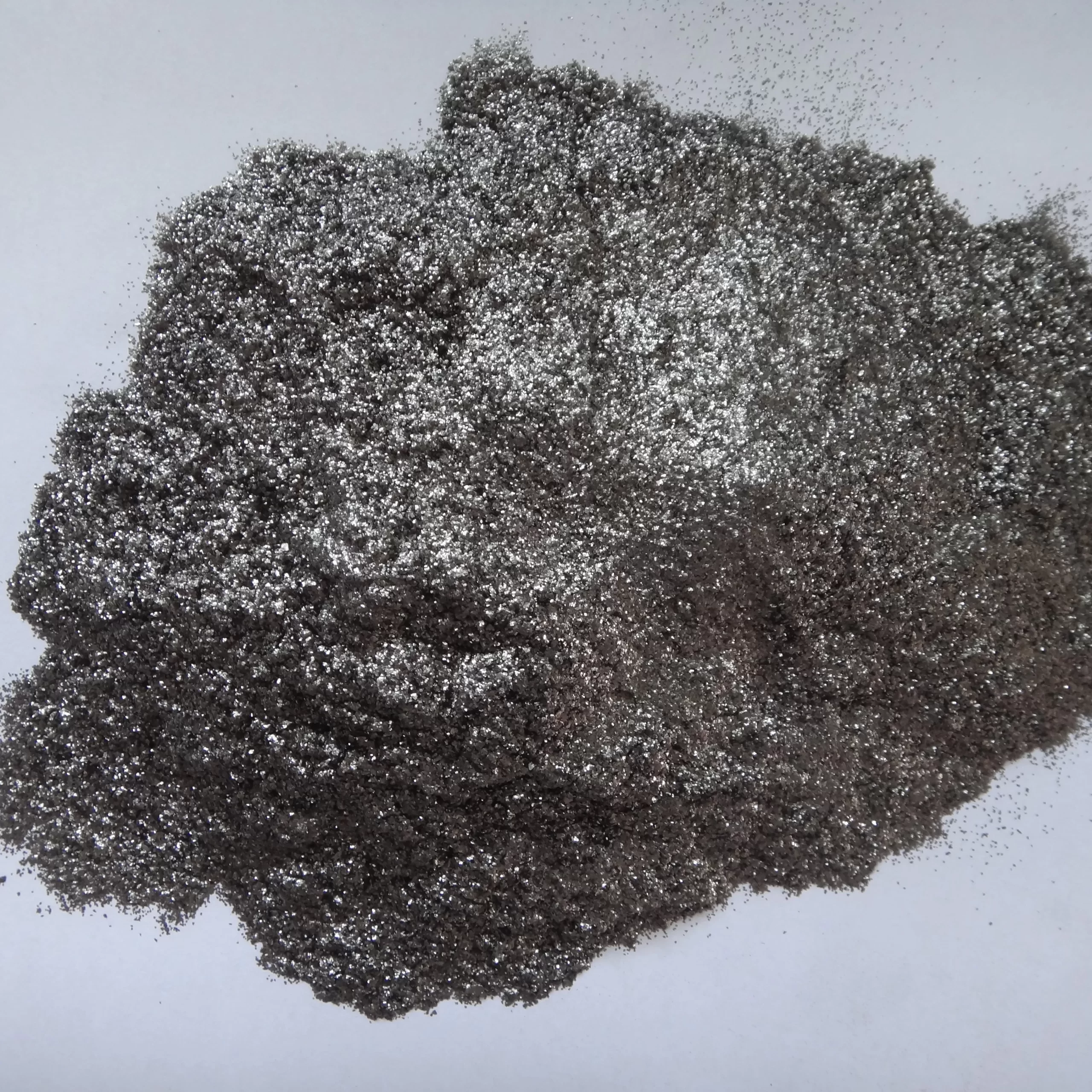
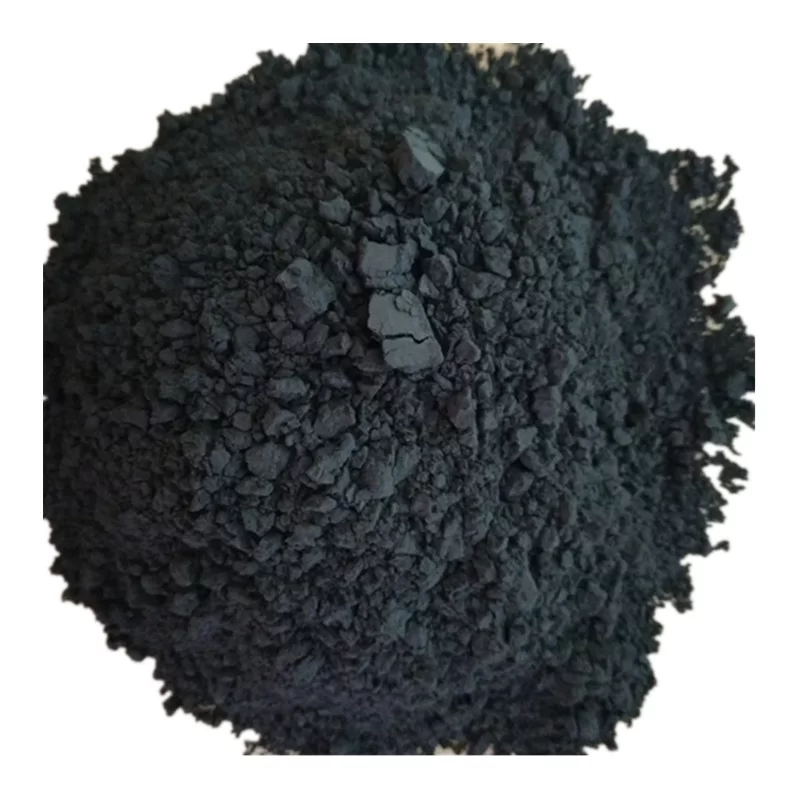
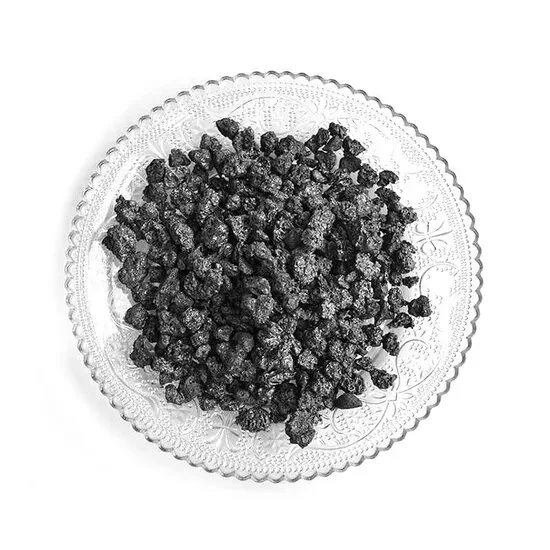
| Visual Porosity & Texture | Affects dissolution speed and reaction time in the furnace. | Uniform porous structure achieved through 2500°C+ graphitization. | The images of our coke reveal a structure optimized for rapid absorption. |
| Sulfur & Nitrogen Control | High levels cause brittleness and defects in final steel products. | Strict control: S ≤ 0.05%, N ≤ 300ppm (for high-end specs). | Prevents microscopic defects, ensuring the physical reality matches the theoretical formula. |
| Particle Size Distribution | Inconsistent sizing leads to layering and uneven heating. | Customized screening (e.g., 1-5mm, 3-8mm) with laser analysis. | Consistent granularity ensures the product matches reference images and flows smoothly in hoppers. |
Maximizing ROI with Optimized Carbon Coke Formula or Images
Investing in premium carbon additives is a strategic decision that directly impacts your bottom line. While generic suppliers may offer lower upfront costs, variations in the carbon coke formula or images often signal hidden inefficiencies—such as lower absorption rates or increased energy consumption during smelting. By partnering with a manufacturer that exports to over 250 countries and supplies major steel mills across the Middle East and Russia, you are securing a verified "formula" for financial success.
Our comprehensive production capacity allows us to offer tailored solutions that reduce additive consumption per ton of steel. The chart below demonstrates the comparative efficiency of using Ding An Heng’s scientifically formulated carbon raisers versus standard market alternatives, highlighting the long-term cost savings achieved through superior absorption and reduced furnace time.
Related products


Top Selling Products



How to Choose Polish Varnish Cleaner & Graphite Compound Tools for Your Process

Factors Affecting the Spherical Graphite Price and Market Trends

Industrial Analysis of the Price of Graphite per Pound


