

Solving Durability Issues: Choosing the Right Graphite Plate Electrode
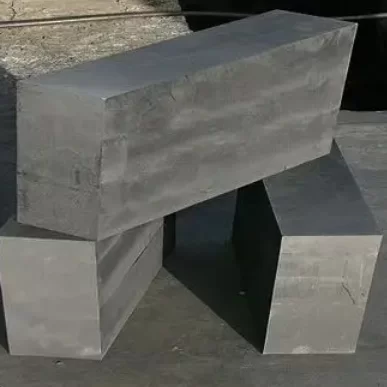
In the aggressive environments of electrolysis and metallurgy, inconsistent material quality often leads to rapid degradation, frequent downtime, and escalating maintenance costs. Sourcing a reliable graphite plate electrode is not just about finding a supplier; it is about securing a partner who understands the intricate balance between conductivity and oxidation resistance. Industrial buyers frequently struggle with materials that lack structural integrity, leading to fractures under thermal stress.
Ding An Heng New Material Technology Co., Ltd. addresses these challenges head-on by leveraging over 20 years of benchmark experience in the Chinese graphite sector. Unlike generic suppliers, we operate a full-chain production facility covering 88,000 square meters, ensuring that every plate originates from controlled calcining, forming, and graphitization processes. Our approach guarantees that your graphite plate electrode is engineered for longevity. Backed by authoritative certifications from SGS, ISO, and CIQ, we provide a solution that transforms material sourcing from a risk into a strategic advantage, serving critical industries across 250+ countries.
Engineering Standards for High-Precision Graphite Plate Electrode Systems
True performance in electrochemical and high-temperature applications is defined by the microstructure of the graphite. A superior graphite plate electrode must possess high density to resist erosion and low electrical resistivity to maximize energy efficiency. At our standardized labs, we rigorously test for these specific metrics to ensure our products meet the stringent demands of modern steel mills and electrolytic plants.
Our manufacturing process, which includes precise impregnation and secondary baking, results in a product structure that outperforms standard market offerings. Below is a breakdown of how our engineering standards translate into tangible operational benefits for your facility.
| Performance Metric | Industry Significance | Our Engineering Standard | Operational Advantage |
|---|---|---|---|
| Bulk Density | Determines mechanical strength and erosion resistance. | High-Density Compression (Optimized for UHP/HP standards) | Extended service life and reduced frequency of graphite plate electrode replacement. |
| Electrical Resistivity | Directly impacts energy consumption during operation. | Ultra-Low Resistivity (< 6.0 μΩ·m typical for high grade) | lowers electricity costs and improves current efficiency in electrolysis. |
| Ash Content | Impurities that can contaminate the final product. | High Purity Processing (≤ 0.1% max) | Ensures clean interaction with molten metals and prevents chemical contamination. |
| Thermal Shock Resistance | Ability to withstand rapid temperature changes without cracking. | Enhanced via Full-Chain Graphitization | Maintains structural integrity of the graphite plate electrode during rapid heating cycles. |
Maximizing ROI with Custom Graphite Plate Electrode Solutions
In the global marketplace, the total cost of ownership is the only metric that truly matters. While initial procurement costs are a factor, the longevity and efficiency of your consumable materials dictate long-term profitability. By integrating a high-performance graphite plate electrode from a manufacturer with 600 million in total assets and an annual capacity of 60,000 tons, you are investing in supply chain stability and operational excellence.
Our tailored solutions, currently exported to major industrial hubs in Russia, the Middle East, and Southeast Asia, are designed to extend campaign life and reduce energy spend. The chart below illustrates the comparative Return on Investment (ROI) potential when switching to our engineered graphite solutions, focusing on lifespan extension and energy savings relative to standard market alternatives.
Related products


Top Selling Products



How to Choose Polish Varnish Cleaner & Graphite Compound Tools for Your Process

Factors Affecting the Spherical Graphite Price and Market Trends

Industrial Analysis of the Price of Graphite per Pound


