Purified Spherical Graphite: The Backbone of Modern Battery Technology
In today’s electrified world, purified spherical graphite is quietly revolutionizing how energy is stored and delivered. Whether it’s powering electric vehicles, grid-scale storage, or next-generation consumer electronics, this highly specialized form of graphite has become a global commodity with outsized importance.
At first glance, it might just seem like another industrial mineral, but purifying and shaping graphite into spherical particles — a process involving intensive chemical and mechanical treatments — unlocks performance that’s simply indispensable for lithium-ion batteries. Its purity and morphology directly influence battery efficiency, longevity, and safety. In an era where sustainable energy solutions are more urgent than ever, understanding purified spherical graphite is more than just academic; it's fundamental.
Global Context: Why It Matters Now
The world’s pivot toward clean energy is accelerating, spurred on by climate commitments (see UN Framework Convention on Climate Change) and overwhelming consumer demand for greener technology. According to data from the International Energy Agency (IEA), electric vehicle sales rose over 40% in 2023 alone. This surge requires large quantities of battery-grade materials — and purified spherical graphite (PSG) stands at the front line.
However, the global supply of high-quality PSG faces bottlenecks. China dominates more than 70% of production, leading to geopolitical and logistical challenges for manufacturers worldwide. The demand-supply gap threatens not only technology goals but industries reliant on fast and reliable energy storage. Clearly, purified spherical graphite isn’t just a niche mineral; it’s a vital piece of a puzzle whose stakes touch every continent and sector.
What Is Purified Spherical Graphite?
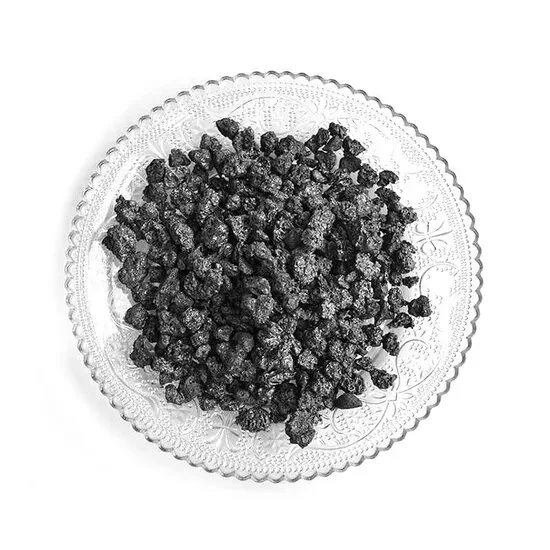
In simple terms: purified spherical graphite is graphite that’s been processed to be extremely pure (usually >99.95% carbon content) and mechanically shaped into tiny spheres, generally sized between 10 to 20 microns.
This spherical morphology is vital because it improves the packing density and conductivity of the graphite when it’s used as an anode material in lithium-ion batteries. Flat flakes or irregular particles simply don’t provide the same efficiency or consistency.
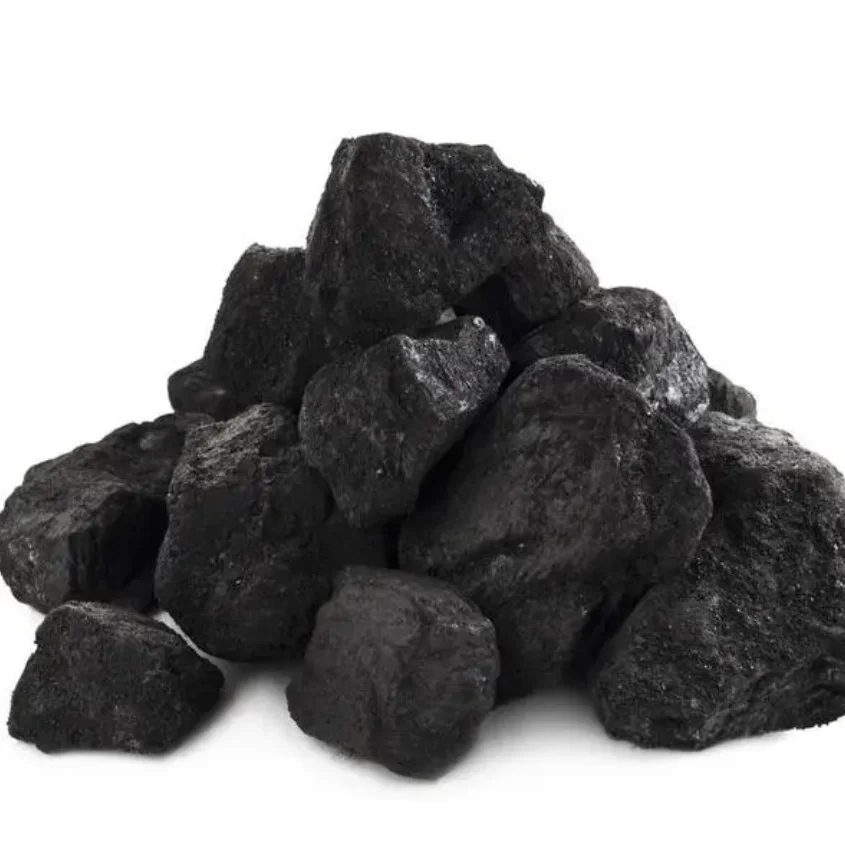
Interestingly, this material’s journey begins with mined flake graphite, which undergoes chemical purification (acid washes, thermal treatments) to remove impurities like metals and oxides. Afterward, it’s subjected to micronization and spheronization steps — essentially fine grinding and shaping — to produce the final product optimized for battery manufacturers.
Key Characteristics That Define Quality and Performance
- Purity: To avoid battery degradation, PSG must have impurities below 50 ppm. This ensures chemical stability and safety.
- Particle Size & Shape: Uniform spherical particles (usually 15-25 microns) maximize packing density and improve electrode coating consistency.
- High Tap Density: The denser the spherical graphite, the more energy the battery can theoretically hold, improving overall capacity.
- Low Surface Area: A balance is needed; too much surface area can increase electrolyte side reactions, harming battery life.
- Electrical Conductivity: Enhanced conductivity from spherical shape means faster charging and discharging capabilities.
These technical attributes directly translate into practical enhancements for battery manufacturers — better cycle life, safety, and energy density.
Purified Spherical Graphite Specifications
| Parameter | Typical Value | Notes |
|---|---|---|
| Purity (Carbon Content) | 99.95%+ | Essential to reduce battery degradation |
| Particle Size | 15–25 microns | For optimal electrode packing |
| Tap Density | >1.2 g/cm³ | Higher density means more energy per volume |
| Surface Area | ~5 m²/g | Balance between capacity and stability |
| Morphology | Spherical particles | Enables efficient electrode manufacturing |
Global Players: Purified Spherical Graphite Suppliers Compared
| Supplier | Purity (%) | Particle Size (μm) | Tap Density (g/cm³) | Lead Market Region | Sustainability Initiatives |
|---|---|---|---|---|---|
| Dah Carbon | 99.97% | 15–22 | 1.25 | Asia, Europe | Renewable energy powered plants, waste recycling |
| Xiamen Graphite Co. | 99.95% | 12–20 | 1.18 | China, North America | Sustainability certifications under development |
| Mogilev Carbon | 99.96% | 15–25 | 1.20 | Europe, CIS | Energy-efficient manufacturing processes |
How Purified Spherical Graphite Is Changing Industries — In Real Terms
Industries from automotive giants in Germany to electronics manufacturers in South Korea rely heavily on PSG to boost battery performance and reduce costs. Oddly enough, its utility goes beyond just batteries: PSG is found in advanced lubricants, composites, and even aerospace applications needing light but durable materials.
Regionally, Asia Pacific accounts for roughly 60% of world demand for PSG, driven mainly by EV production hubs in China, Japan, and South Korea. Europe follows closely, fueled by government incentives and consumer preference for greener transport. In the U.S., battery manufacturers are scaling up domestic supply chains to reduce dependence on imports, which means PSG suppliers there are increasing investments.
In humanitarian or post-disaster contexts, reliable energy storage powered by PSG batteries can offer rapid, clean power solutions where grid infrastructure is down — a testament to its broader societal value.
Why Invest in Purified Spherical Graphite? The Advantages Highlighted
- Cost Efficiency: Enhanced battery life lowers replacement costs for manufacturers and consumers alike.
- Sustainability: Improved battery efficiency contributes to lower emissions and longer product lifetimes.
- Safety: Higher purity translates to fewer side reactions and greater battery stability.
- Innovation Enablement: With PSG, battery designers can push energy density limits further, paving the way for new tech.
- Reliability: Consistent particle morphology allows mass producers to maintain high-quality standards.
Emerging Trends and Innovations in Purified Spherical Graphite
Looking ahead, the purified spherical graphite space is humming with innovation. For example, new green purification methods using less harmful chemicals promise to reduce environmental impact. Meanwhile, advances in coating technologies are enhancing cycle life even further by chemically modifying PSG surfaces to reduce initial capacity loss.
Industrial automation is speeding up production, meaning more PSG with tighter spec control. Policy-wise, stricter export controls and strategic stockpiling by nations underline PSG’s status as a critical raw material in the energy transition.
Lastly, the rise of next-gen battery chemistries, like silicon-graphite blends or solid-state batteries, may reshape PSG’s role, but its foundational importance for years to come remains quite clear.
Challenges and Solutions in Purified Spherical Graphite Supply
Despite the boom, challenges persist. Mining and chemical purification processes are energy-intensive and can pose environmental risks if unchecked. Supply chain monopolization creates market vulnerability. Plus, variations in quality between batches can impact battery performance unpredictably.
Manufacturers and researchers are tackling these issues by:
- Investing in cleaner, more energy-efficient processing technology.
- Developing alternative graphite sources and synthetic graphite to diversify supply.
- Implementing rigorous quality assurance and blending strategies to standardize output.
FAQ: Purified Spherical Graphite Questions Answered
- Q: Why is spherical shape important for graphite in batteries?
- A: The spherical shape allows graphite particles to pack more densely and evenly in battery anodes, improving energy density and the uniformity of the electrode coating. This enhances battery capacity and cycle life.
- Q: How pure does purified spherical graphite need to be for lithium-ion batteries?
- A: Typically, purity above 99.95% carbon content is required to minimize impurities that might cause battery degradation or safety issues.
- Q: Are there environmental concerns with purified spherical graphite production?
- A: Yes. The purification process can consume significant energy and use chemicals that must be managed responsibly. The industry is actively seeking greener methods and recycling approaches to mitigate impacts.
- Q: Can purified spherical graphite be sourced outside China?
- A: While China leads production, countries like Canada, Madagascar, and some European nations are exploring or expanding their graphite processing capabilities, offering opportunities for diversified supply chains.
Conclusion: Why Purified Spherical Graphite Will Shape Our Energy Future
Purified spherical graphite is far more than a simple mineral – it’s the unsung hero behind the batteries powering a cleaner, more resilient world. Its technical properties are central to unlocking the full potential of lithium-ion technology, and the global energy transition depends heavily on its steady supply and continuous innovation.
For those interested in quality, reliability, and sustainable sourcing, exploring purified spherical graphite options is a no-brainer. The marketplace will evolve rapidly, but one thing remains clear: purified spherical graphite will be foundational for decades to come.
Feel free to visit Dah Carbon for the latest on high-quality purified spherical graphite products and innovations.
Mini takeaway: The demand for purified spherical graphite is intertwining with global energy, automotive, and tech trends, making it a strategic mineral that’s only growing in importance.
References:
1. International Energy Agency (IEA) Global EV Outlook 2024
2. UN Framework Convention on Climate Change (UNFCCC)
3. ISO 9001 Standards on Material Purity and Consistency