Why Graphite Strips Matter in Today’s Industries and Beyond
Graphite strips — a material you might not think much about until you need it — are quietly powering a range of industrial applications worldwide. From electronics to industrial heating, these slender, durable bands find their way into everything from manufacturing plants to remote tech setups. Understanding graphite strips isn't just for material engineers; it’s about grasping a fundamental piece of the puzzle that keeps modern industry humming efficiently and sustainably.
Globally, the demand for reliable, high-performance materials like graphite strips is expected to rise. The World Bank and UN data hint at increasing industrial growth in Asia and Africa, regions that rely heavily on adaptable materials that can perform well under varying environments. In essence, graphite strips help solve persistent problems related to heat resistance, conductivity, and mechanical strength — a trio essential in today’s fast-evolving technical landscape.
Mini takeaway: Graphite strips are not just material scraps; they’re crucial problem-solvers in growing global industries, especially where reliability under stress is key.What Exactly Are Graphite Strips?
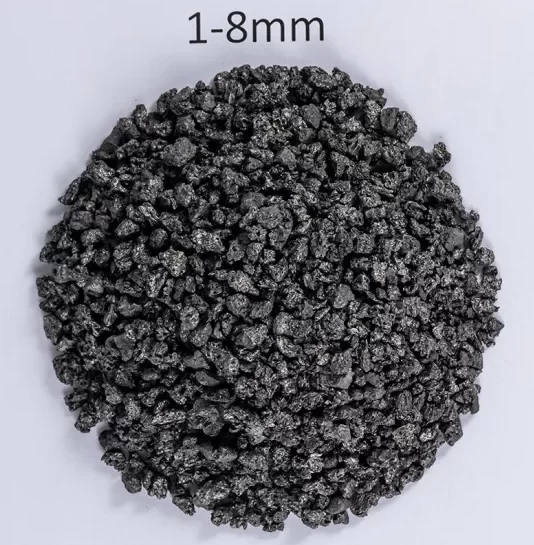
Simply put, graphite strips are thin, flexible bands made from high-purity graphite — a form of carbon known for its excellent conductivity and heat resistance. These strips are often manufactured through compression and baking processes that yield a dense, stable material able to withstand extreme conditions.
Graphite strips have an important role beyond just factories and labs. They’re integral in humanitarian tech, such as temporary heating units in disaster zones, or in renewable energy projects needing efficient heat transfer. These strips provide the structural and conductive backbone to applications needing both resilience and precision.
Mini takeaway: Graphite strips are versatile carbon-based materials tailor-made for tough industrial and humanitarian challenges requiring heat and electrical conductivity.Key Qualities of Graphite Strips that Make Them Indispensable
1. Heat Resistance
One standout trait is their ability to resist temperatures that would melt or degrade most metals. Thermal stability means industries like aerospace and electronics can count on graphite strips not to warp or fail.
2. Electrical Conductivity
Unlike most insulators, graphite has excellent electrical conductivity. This dual nature makes graphite strips the go-to choice for components such as brushes in electric motors or electrodes in batteries.
3. Mechanical Flexibility & Durability
Graphite strips bend without breaking, a property many engineers admire for assembly on curved surfaces or within confined spaces. Despite seeming fragile, they resist wear and can last years under harsh use.
4. Corrosion and Chemical Resistance
In environments exposed to acids, alkalis, or solvents, graphite strips don’t corrode like metals. This gives them an edge in chemical processing plants or marine equipment.
5. Lightweight Nature
Considering their high performance, graphite strips are surprisingly light — a critical factor in industries where weight savings translate directly to cost efficiency or fuel economy.
Mini takeaway: Heat tolerance, conductivity, and lasting flexibility make graphite strips a quiet hero in many critical applications.Where Globally Are Graphite Strips Making an Impact?
Graphite strips find themselves at the core of innovations in many regions and sectors. For instance:
- Asia: With booming electronics manufacturing, countries like China and South Korea use graphite strips in mass-produced batteries and semiconductors.
- Europe: Aerospace and automotive sectors rely on graphite strips for thermal management systems, emission controls, and electric vehicles.
- Africa: Increasing energy projects and mining operations employ graphite strips in machinery and emergency power setups.
- Disaster Relief: In post-disaster zones from hurricanes to earthquakes, portable heating and power units using graphite strips help maintain infrastructure temporarily.
For example, in remote mining camps, graphite strip-based heating elements allow equipment to function optimally despite freezing night temperatures. In real terms, this small strip helps keep entire operations up and running.
Mini takeaway: Graphite strips serve an impressive scope – from electronics hubs to emergency aid – underscoring their adaptability.Advantages & Long-Term Value of Investing in Graphite Strips
When companies choose graphite strips, they’re not just picking a raw material; they’re betting on longevity, reliability, and sustainability. Here’s why:
- Cost efficiency: Durable graphite strips reduce costly downtime and part replacements.
- Eco-friendly element: Graphite’s recyclability and non-toxic nature contribute to greener manufacturing.
- Social impact: Their use in humanitarian projects often aids dignity and safety through better heating or power solutions.
- Trust and reliability: Over decades, industries have come to rely on graphite strips for consistent performance.
Upcoming Innovations: What’s Next for Graphite Strips?
With the green energy wave and automation gaining momentum, graphite strips are evolving too. Researchers are exploring:
- Composite graphite-polymer strips that are lighter yet stronger.
- Enhanced strip coatings that increase electrical efficiency and reduce oxidation.
- Integration into smart sensors that monitor machinery health in real-time.
- Applications in next-gen fuel cells and energy storage systems.
It feels like graphite strips are quietly riding the wave of digital transformation while sticking to their roots of performance and resilience.
Mini takeaway: Innovations aim to make graphite strips even more efficient, durable, and integrated into smart industrial ecosystems.Challenges and How Industry Leaders Are Tackling Them
Of course, graphite strips are not without hiccups. For one, manufacturing high-purity strips requires energy-intensive processes. Also, limitations in mechanical strength compared to metals sometimes restrict their use.
Yet, advances in processing methods such as hot pressing and surface treatments help overcome these. Meanwhile, complementary materials — like carbon fiber reinforcements — sometimes team up with graphite strips to boost strength.
Industry experts also emphasize better supply chain management to reduce costs and environmental footprint. It’s a balancing act but one that’s making strides year after year.
Mini takeaway: Challenges exist, but smart engineering and process innovation keep graphite strips on the rise.Graphite Strips: Frequently Asked Questions
- Q1: How durable are graphite strips in industrial environments?
- A1: Graphite strips typically last several years under normal industrial conditions. Their durability stems from heat resistance and corrosion immunity, though physical stress levels and environmental factors can affect lifespan.
- Q2: Can graphite strips be customized for specific applications?
- A2: Absolutely. Manufacturers offer tailored thicknesses, widths, and surface finishes depending on application needs, such as improved conductivity or mechanical strength.
- Q3: Are graphite strips suitable for electrical insulation?
- A3: Graphite is conductive, not an insulator. So, graphite strips are ideal for conduction or electrode purposes but not for insulating roles.
- Q4: How do I source high-quality graphite strips internationally?
- A4: Partnering with established vendors who comply with ISO standards ensures quality. Logistics companies specializing in industrial goods can navigate import regulations smoothly.
Graphite Strips: Technical Specifications Overview
| Property | Typical Value | Unit |
|---|---|---|
| Thickness | 0.1 – 3.0 | mm |
| Thermal Conductivity | 90 – 150 | W/m·K |
| Electrical Resistivity | 10 – 15 | μΩ·m |
| Density | 1.8 – 2.2 | g/cm³ |
| Maximum Operating Temp. | 3000 | °C (inert atmosphere) |
Vendor Comparison of Leading Graphite Strip Suppliers
| Supplier | Product Range | Customization Options | ISO Certification | Lead Time |
|---|---|---|---|---|
| DAH Carbon | Graphite strips, rods, plates | Thickness, width, surface finish | ISO 9001 | 2-3 weeks |
| GraphTech Ltd. | Custom graphite components | Full custom machining | ISO 14001 | 4-6 weeks |
| CarbonWorks | Standard graphite products | Limited custom specs | ISO 9001 | 1-2 weeks |
Wrap-up: Why Graphite Strips Deserve a Spot in Your Supplier List
All things considered, graphite strips offer a blend of reliability, flexibility, and eco-conscious benefits that justify their growing use across multiple global industries. Whether you’re designing precision electronics, powering industrial plants, or supporting disaster relief projects, these strips help keep the engines running smoothly — often without fanfare. For those who want trusted quality and tailored solutions, looking to graphite strips suppliers like DAH Carbon is a smart first step.
And one last thing — if you’ve ever marveled at how well a machine performs in extreme conditions, there’s a pretty good chance graphite strips have your back.
References:1. Wikipedia: Graphite
2. ISO 9001 Quality Management
3. World Bank Global Development Indicators