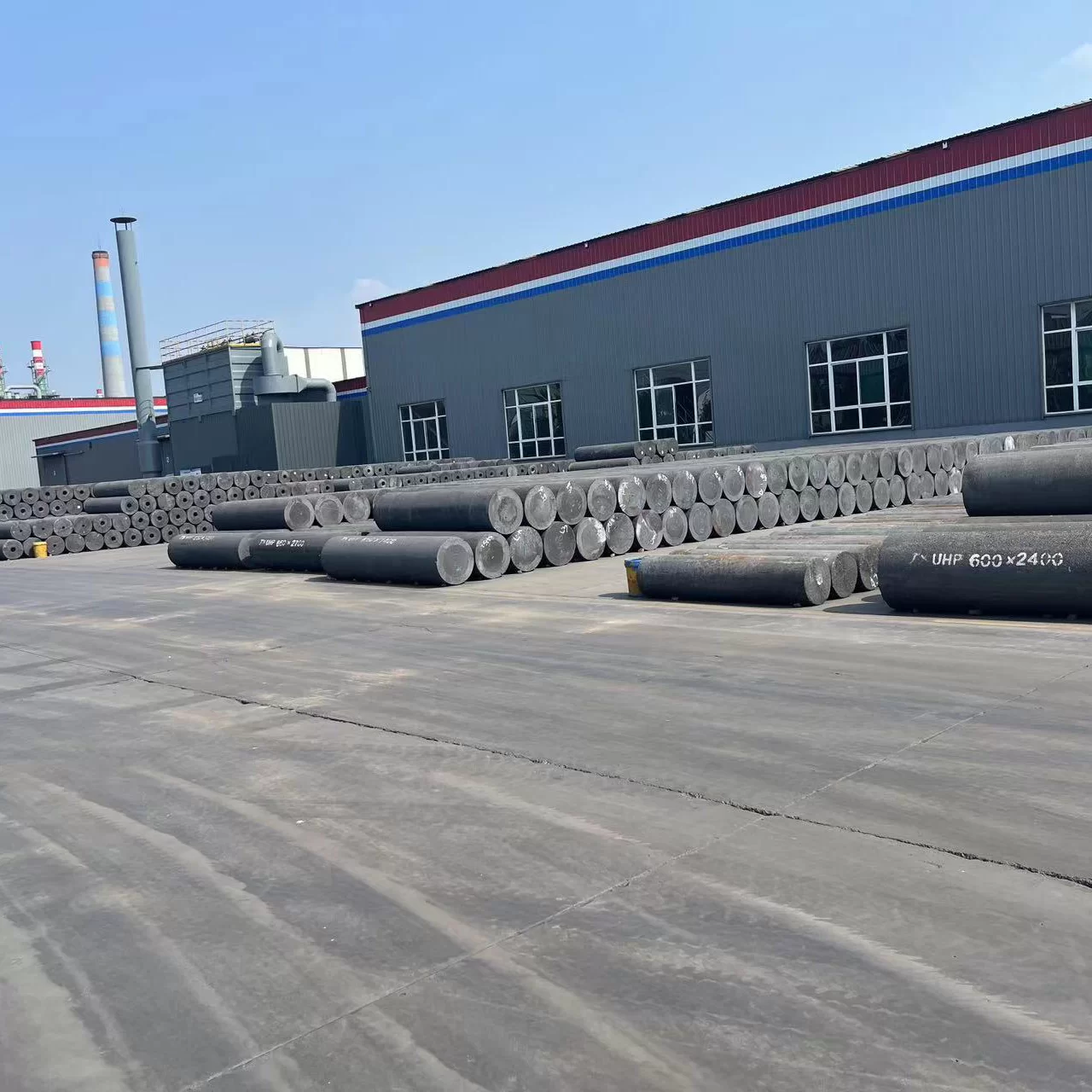
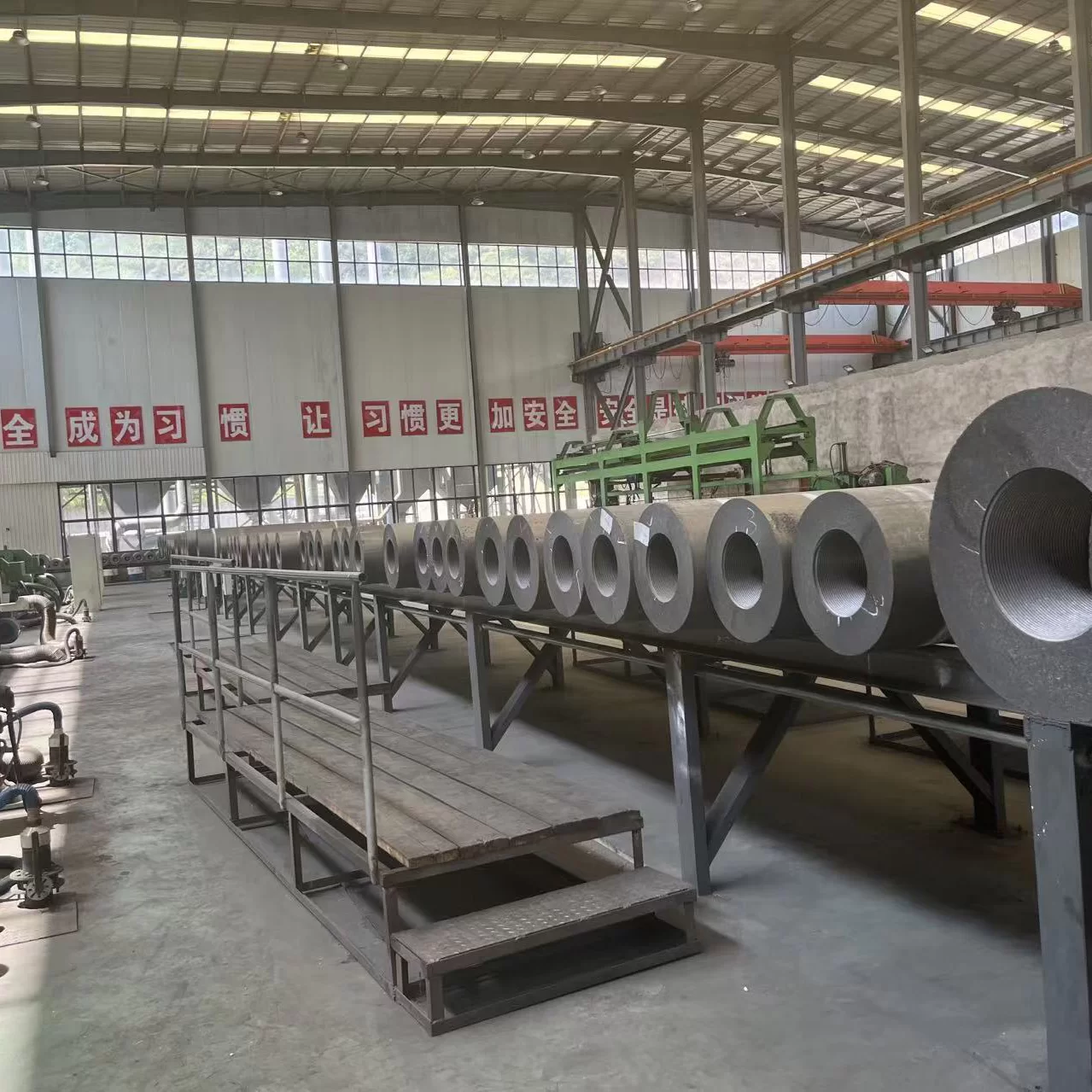
Description
Advantages Of Graphite Electrode
1 The process of graphite electrode production is simple, high efficiency, small graphite loss.
2 Fast processing speed, lower production costs.
3 Different sizes available, including large diameter.
4 Our graphite electrodes are very durable and have a long service life.
Graphite Electrode is made of high-quality low ash materials, such as petroleum coke, needle coke and coal pitch.after calcining,burdening,kneading,forming,baking and pressure impregnation, graphitization and then precision machined with professional CNC machining.such of the products own characteristics with low resistivity, good electrical conductivity ,low ash, compact structure,good anti oxidation and high mechanical strength, Widely used in LF, EAF for steel making industry, Non-ferrous industry, silicon and phosphorus industry.so it is the best conductive material for electric arc furnace and smelting furnace.

Characteristics Of Graphite Electrodes
Our graphite electrodes are with low electric resistance, high density, high anti-oxidation capability, precise machining accuracy, especially with low sulphur and low ash will not give steel second time.
1. Low electric resistance
2. High density
3. Good electrical conductivity
4. High anti-oxidation capability
5. Precise machining accuracy
6. Low sulphur and low ash, not give steel second time impurity
Graphite Electrode is a conductor that releases electrical energy to heat and melt the charge in the form of an electric arc in an electric arc furnace.
Raw Material:Using coal pitch as binder, mainly made of petroleum coke and needle coke.
Process of graphite electrode: calcination, compounding, kneading, pressing, baking, impregnation, graphitization and machining
Features Of Rongxing Graphite Electrode
* Good oxidation resistance
* High mechanical strength.
* Needle coke content accounts for 80%
* Low electrical resistivity,good electrical conductivity
* Low ash content,Its ash content is controlled within 3%
* Dense and uniform structure,Low graphite electrode consumption
* Annual output of 80,000 tons, timely delivery
Graphite electrodes are used mainly in ladle furnaces,electric-arc furnace steelmaking,Yellow phosphorus furnace , Industrial silicon furnace or melting copper. They are presently the only products available that have the high levels of electrical conductivity and the capability of sustaining the extremely high levels of heat generated in this demanding environment.High Quality Needle Coke in HP&UHP graphite electrode,ensure the electrode application is perfect. Graphite electrodes are also used to refine steel in ladle furnaces and in other smelting processes.
Parameter

Specifications

How uhp graphite electrode Is Built from Petroleum Coke and Needle Coke
The performance of a UHP electrode begins with its raw material system. The supplied uhp graphite electrode is produced from low-ash carbon materials, with petroleum coke and needle coke forming the main carbon raw materials and coal pitch used as the binder. The product information specifically states that needle coke accounts for 80%, making the needle-coke formulation a key feature of this electrode rather than a secondary material choice.Needle coke is particularly important in the formulation because the electrode must ultimately function as a high-temperature conductive component in an electric arc furnace or ladle furnace. The raw material system therefore has to support the combination of electrical conductivity, mechanical strength, oxidation resistance and thermal-shock resistance required during furnace operation.
The supplied graphite electrode material is processed through a defined sequence rather than being used directly after mixing. The production route includes calcination, compounding, kneading, pressing, baking, impregnation, graphitization and machining. This sequence progressively develops the electrode's structure before the final CNC machining stage.
Low ash is another important purchasing consideration. The supplied product specifies ash content controlled within 3%, while the product description also emphasizes low sulfur and low ash characteristics. For steelmaking applications, controlling these impurities is particularly important because the electrode is used directly in the high-temperature melting environment and should not introduce unnecessary impurities into the process.
The formulation is therefore closely connected with the final electrode structure. A dense and uniform structure, low electrical resistivity and high mechanical strength are listed among the product characteristics. The manufacturer also produces matching nipples and graphite blocks, allowing the electrode system to be considered beyond the individual electrode body.
For procurement engineers, evaluating uhp graphite electrode should therefore start with the raw material composition, especially the needle coke proportion, carbon-material quality, ash control and binder system. These factors establish the foundation for the subsequent manufacturing stages and ultimately influence whether the electrode is suitable for demanding furnace service.
What the graphite electrode production Process Adds at Each Manufacturing Stage
The graphite electrode production route determines how the selected carbon raw materials are transformed into a finished conductive component. According to the supplied product information, the process consists of calcination, compounding, kneading, pressing, baking, impregnation, graphitization and precision machining. Each stage has a specific role in developing the physical structure and final working characteristics of the electrode.
Calcination is the initial thermal treatment of the carbon raw materials. After calcination, the prepared materials are compounded according to the production formulation. Kneading then combines the carbon materials with the coal-pitch binder to create a workable mixture for forming.
The forming process shapes the electrode’s basic profile. The pressed green electrode is baked to carbonize the binder, then undergoes pressure impregnation. The critical high-temperature graphitization step transforms the carbon blank into graphite with the electrical and thermal properties needed for furnace use. Finally, precision CNC machining forms accurate matching geometries for electrodes and nipples to ensure reliable furnace assembly.
The complete sequence can be summarized as: Calcination → Compounding → Kneading → Pressing → Baking → Impregnation → Graphitization → CNC Machining
This process is one reason ultra high power graphite electrodes should be evaluated as engineered furnace components rather than simply as carbon products. The raw materials provide the initial composition, while processing develops the dense structure, conductivity, mechanical strength and dimensional accuracy required for actual operation.
The supplied product description identifies low electrical resistivity, good electrical conductivity, high density, oxidation resistance, high mechanical strength and precise machining accuracy as major characteristics. It also states that the manufacturing process is designed for high efficiency and small graphite loss. For industrial buyers, the production route is therefore an important part of technical evaluation. When comparing graphite electrode production from different sources, it is useful to check not only the raw material formulation but also whether calcination, baking, impregnation, graphitization and final machining are incorporated into a controlled manufacturing sequence.
Why electric arc furnace electrodes Require Low Resistance and Mechanical Strength
The operating environment of an electric arc furnace places simultaneous electrical, thermal and mechanical demands on the electrode. The supplied electric arc furnace electrodes are designed to conduct electrical energy into the furnace, where the resulting arc generates the heat required to melt the charge. The product page specifically describes graphite electrodes as conductors that release electrical energy in the form of an electric arc to heat and melt the charge.
Low electrical resistance and superior conductivity enable the electrode to sustain heavy furnace loads, while its physical structure withstands extreme high temperatures.
High mechanical strength, density, oxidation and thermal shock resistance preserve structural stability through repeated furnace cycles. Its dense, uniform texture reduces electrode consumption and stabilizes melting operations.
Controlled low sulfur and ash (≤3%) avoid steel contamination, meeting steelmaking procurement standards. Post-graphitization CNC precision machining ensures seamless fitting between electrodes and nipples.
For buyers evaluating electric arc furnace electrodes, the most useful approach is therefore to consider several properties together: electrical resistance, conductivity, density, mechanical strength, oxidation resistance, thermal-shock resistance, ash control and machining accuracy. Focusing on one specification alone does not adequately describe the electrode's operating capability.
The supplied uhp electrodes are intended for demanding furnace applications where high electrical conductivity and the ability to sustain extreme heat are required. The product is used in EAF and LF steelmaking as well as other high-temperature smelting applications.
How graphite electrodes for steel making Perform in EAF and LF Operations
The primary industrial role of graphite electrodes for steel making is to provide a conductive path for electrical energy in high-temperature furnace operations. The supplied product is used mainly in electric arc furnaces and ladle furnaces for steelmaking, while the product information also identifies applications in industrial silicon, yellow phosphorus and copper melting processes.
In an EAF, the graphite electrode carries electrical current and supports arc generation for melting the furnace charge. The electrode must therefore combine electrical conductivity with the ability to withstand high temperatures. The supplied product is described as having low electrical resistance, good electrical conductivity, high density, high oxidation resistance and high mechanical strength. These characteristics work together during furnace operation rather than functioning as isolated specifications.
For LF applications, the electrode is used during steel refining. The operating requirement remains centered on reliable electrical conduction and resistance to the demanding thermal environment. The supplied product information specifically identifies both LF and EAF steelmaking as application areas.
The large-diameter capability is also relevant to furnace matching. The product description states that different sizes are available, including large diameter. Electrode dimensions should be selected according to the furnace configuration and operating requirements rather than treated as a universal size choice.
The manufacturer also produces electrodes, nipples and related graphite blocks. This is important for industrial procurement because the electrode and its connection components need to function together during operation. Precision CNC machining is used in the final stage of production to provide accurate machining.
The product's needle-coke formulation is another important consideration for steel plants. The supplied information specifies that needle coke accounts for 80%, while ash is controlled within 3%. Low sulfur and low ash are also emphasized as product characteristics. These parameters give procurement teams measurable points to check when qualifying an electrode supplier.
In practical terms, graphite electrodes for steel making should be evaluated according to the furnace environment, electrode size, electrical requirements, mechanical demands and material composition. A suitable electrode is not simply one with a UHP label; its raw materials, manufacturing process and physical characteristics should correspond to the intended furnace application.
For modern EAF and LF operations, the supplied ultra high power graphite electrodes are positioned for high-temperature conductive service where electrical performance, structural integrity and oxidation resistance are all required.
UHP, hp graphite electrode and rp graphite electrode Selection for Furnace Matching
Selecting between UHP, HP and RP electrode grades should begin with the actual furnace requirement rather than with the product name alone. The supplied UHP product is positioned for high-power furnace applications and is specifically described for EAF and LF steelmaking. It combines low electrical resistivity, good conductivity, high density, oxidation resistance and high mechanical strength.
A UHP electrode is generally selected when the operating environment requires the performance characteristics associated with the UHP grade. The supplied product places particular emphasis on its needle-coke formulation, with needle coke accounting for 80%, together with low ash, low sulfur, dense structure and strong resistance to oxidation and thermal shock.
An hp graphite electrode represents another grade category that may be considered when matching electrode performance with furnace conditions. The supplied product page specifically notes that high-quality needle coke is used in HP and UHP graphite electrodes. This indicates that HP and UHP should be treated as separate performance grades rather than interchangeable product names.
An rp graphite electrode belongs to another grade category and should likewise be evaluated according to the furnace's electrical and operating requirements. The key point for procurement is to compare the required operating conditions with the relevant electrode grade rather than selecting solely according to nominal dimensions.
The table provides a practical starting point, but the final selection should still be based on the actual furnace configuration and technical specification required by the steel plant.
For procurement engineers, the most important distinction is that UHP should not be treated simply as a marketing label. The grade needs to correspond with the raw material formulation, processing route and operating environment. The supplied uhp graphite electrode is manufactured through calcination, compounding, kneading, pressing, baking, impregnation, graphitization and machining, providing a clear production route behind the stated performance characteristics.
The supplied manufacturing capability also includes different electrode sizes and large-diameter options, as well as matching nipples and graphite blocks. This gives buyers a broader basis for furnace matching and electrode-system planning.
For steel plants comparing hp graphite electrode, rp graphite electrode and UHP options, the correct approach is to establish the furnace requirement first and then compare grade, raw material composition, electrical performance, mechanical strength, impurity control and dimensions against that requirement.


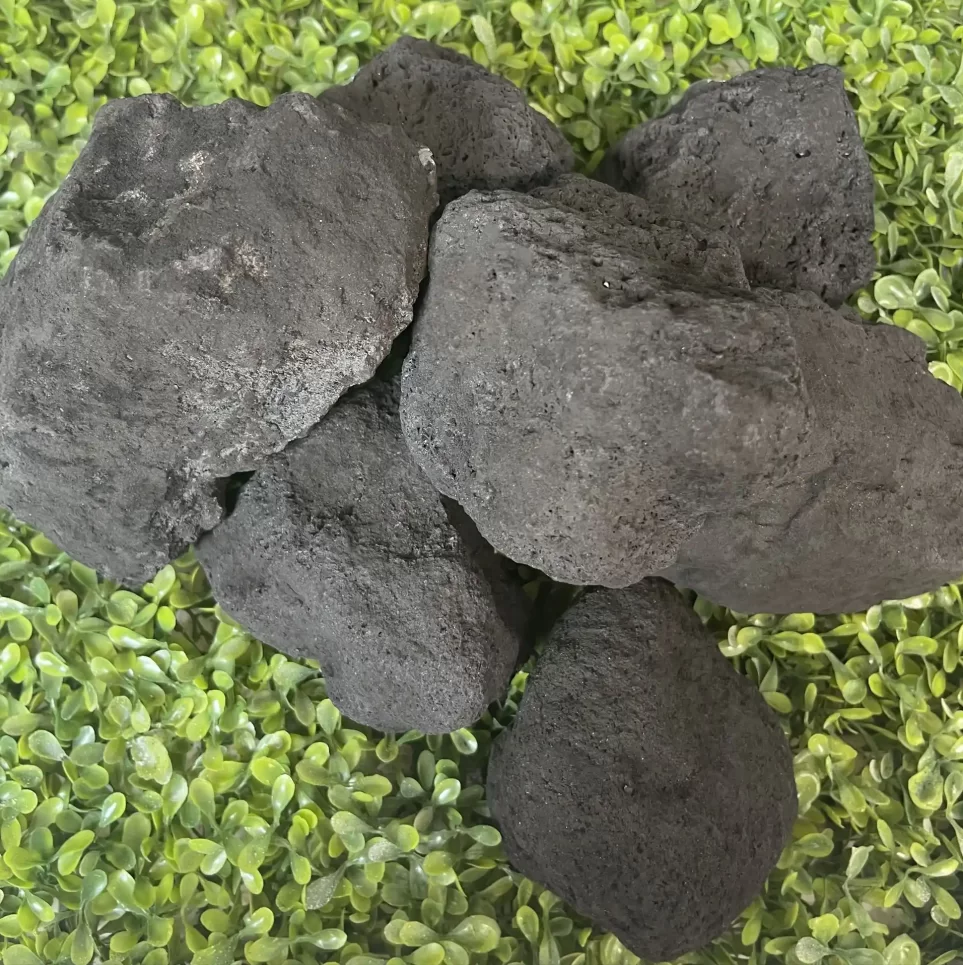


UHP Graphite — Maximum Power, Maximum Performance.
Ultra-High Power Graphite Electrodes deliver superior conductivity, durability, and efficiency for advanced steelmaking.
contact us
What Is A UHP Graphite Electrode Used For
UHP (Ultra High Power) Graphite Electrode is used in electric arc furnaces (EAF) and ladle furnaces (LF) for steelmaking. It conducts high electric current to melt scrap steel efficiently. With excellent thermal resistance, low resistivity, and superior mechanical strength, UHP electrodes ensure stable arc performance, energy savings, and high production efficiency in modern steel plants.


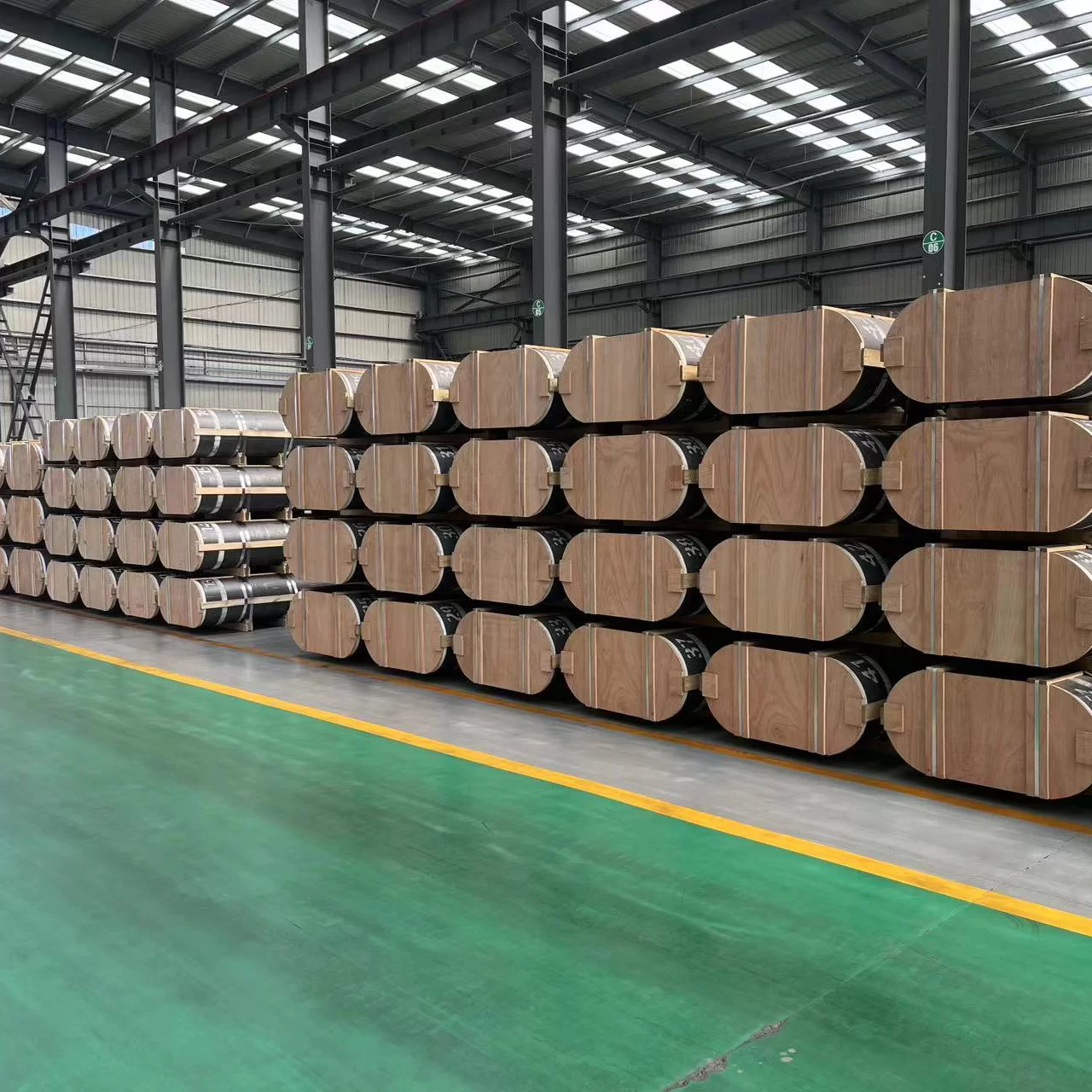
Conductive Core
Carrying high temperature and efficient power
Your Email Address...
submit