Flake graphite price is a critical factor in numerous industries, ranging from electric vehicle battery production to advanced materials manufacturing. Understanding the dynamics influencing this price is crucial for businesses, investors, and policymakers alike. Fluctuations in flake graphite price can significantly impact the cost of these end products and, therefore, overall market competitiveness. This comprehensive overview will delve into the key determinants, applications, and future trends affecting flake graphite price, providing valuable insights for navigating this evolving landscape.
The global supply and demand for flake graphite are increasingly shaped by the burgeoning demand for lithium-ion batteries, driven by the rapid adoption of electric vehicles and energy storage systems. Simultaneously, geopolitical factors, mining regulations, and processing capacity all contribute to price volatility. Monitoring flake graphite price trends is essential for ensuring supply chain stability and informed decision-making within these expanding industries. It directly impacts the viability of sustainable technologies and industrial innovation.
Ultimately, a thorough grasp of flake graphite price allows for better resource allocation, strategic investment, and proactive risk management. It's not simply a commodity price; it's an indicator of broader technological shifts and evolving global energy policies, impacting economic opportunities worldwide and the development of a greener future. Understanding the factors that influence flake graphite price is therefore paramount.

Introduction: Global or Industry Context
The global flake graphite market is currently experiencing significant growth, primarily fueled by the demand from the lithium-ion battery sector. According to the United Nations Conference on Trade and Development (UNCTAD), demand for critical minerals, including graphite, is projected to increase exponentially in the coming decades. This surge in demand directly impacts the flake graphite price, creating both opportunities and challenges for suppliers and consumers. The increasing need for raw materials in the production of EV batteries has created a strong upward pressure on flake graphite price.
Geopolitical instability and supply chain disruptions further exacerbate price volatility. For example, export restrictions imposed by certain countries or logistical bottlenecks can lead to sudden price spikes. Analyzing historical data from organizations like the World Bank reveals a strong correlation between economic growth, industrial production, and flake graphite price fluctuations. The current emphasis on sustainable energy solutions makes the reliable supply of graphite a strategic priority for many nations.
The core problem this addresses is the risk of supply shortages and price instability hindering the transition to a low-carbon economy. Without a stable and predictable flake graphite price, investment in battery technology and electric vehicle infrastructure becomes significantly more challenging. Establishing transparent pricing mechanisms and diversifying supply sources are crucial steps in mitigating these risks. flake graphite price is therefore a key indicator of the future of the green energy revolution.
Definition & Meaning
Flake graphite price refers to the cost of naturally occurring graphite that has been processed into thin, plate-like flakes. These flakes are highly valued for their exceptional electrical conductivity, thermal stability, and lubricating properties. It’s important to differentiate flake graphite from other forms, such as amorphous or spherical graphite, as the price varies significantly based on purity, flake size, and carbon content.
The price is typically quoted per metric ton, and can be influenced by factors like the grade of graphite, the location of the mine, and the transportation costs. This isn’t merely a financial transaction, but a facilitator of modern industry. The increasing demand reflects the integral role flake graphite plays in creating technologies that address critical global needs.
Its connection to modern industry is profound. As a key component in lithium-ion batteries, flake graphite enables the widespread adoption of electric vehicles, contributing to reduced carbon emissions and improved air quality. It’s also essential in the production of fuel cells, solar panels, and numerous other clean energy technologies. The consistent supply of competitively priced flake graphite is thus critical for achieving global sustainability goals.
Key Factors Influencing Flake Graphite Price
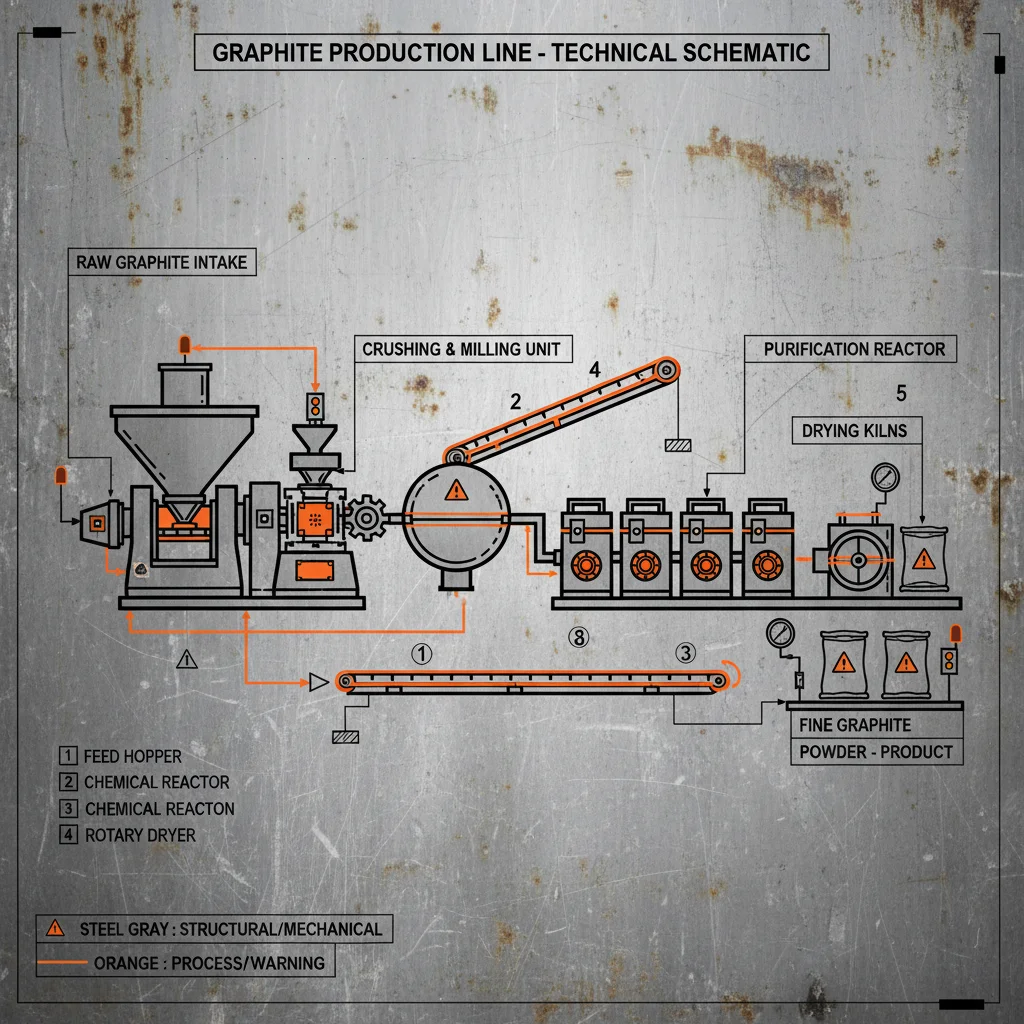
Several key factors contribute to the fluctuation of flake graphite price. Firstly, geological factors such as the grade and concentration of graphite deposits directly influence extraction costs. Higher grade deposits are naturally more profitable to mine, impacting supply and ultimately, price. Secondly, processing techniques, including purification and micronization, also add to the overall cost.
Thirdly, geopolitical factors, including mining regulations and trade policies, can create significant price volatility. Government regulations surrounding environmental protection and labor standards impact production costs. Fourthly, demand from the battery sector is arguably the most significant driver. The rapid growth in EV production directly translates to increased demand for flake graphite, pushing prices upwards.
Finally, transportation costs and logistical challenges play a role. Graphite is often mined in remote locations, and the cost of transporting it to processing facilities and end-users can be substantial. Disruptions to shipping routes or increases in fuel prices can also impact the flake graphite price.
Global Applications & Use Cases
Flake graphite’s diverse properties lead to its application in a broad range of industries. The most prominent use is in lithium-ion battery anodes, where it provides the necessary electrical conductivity and structural integrity. This application accounts for a substantial portion of global flake graphite demand and directly influences the flake graphite price.
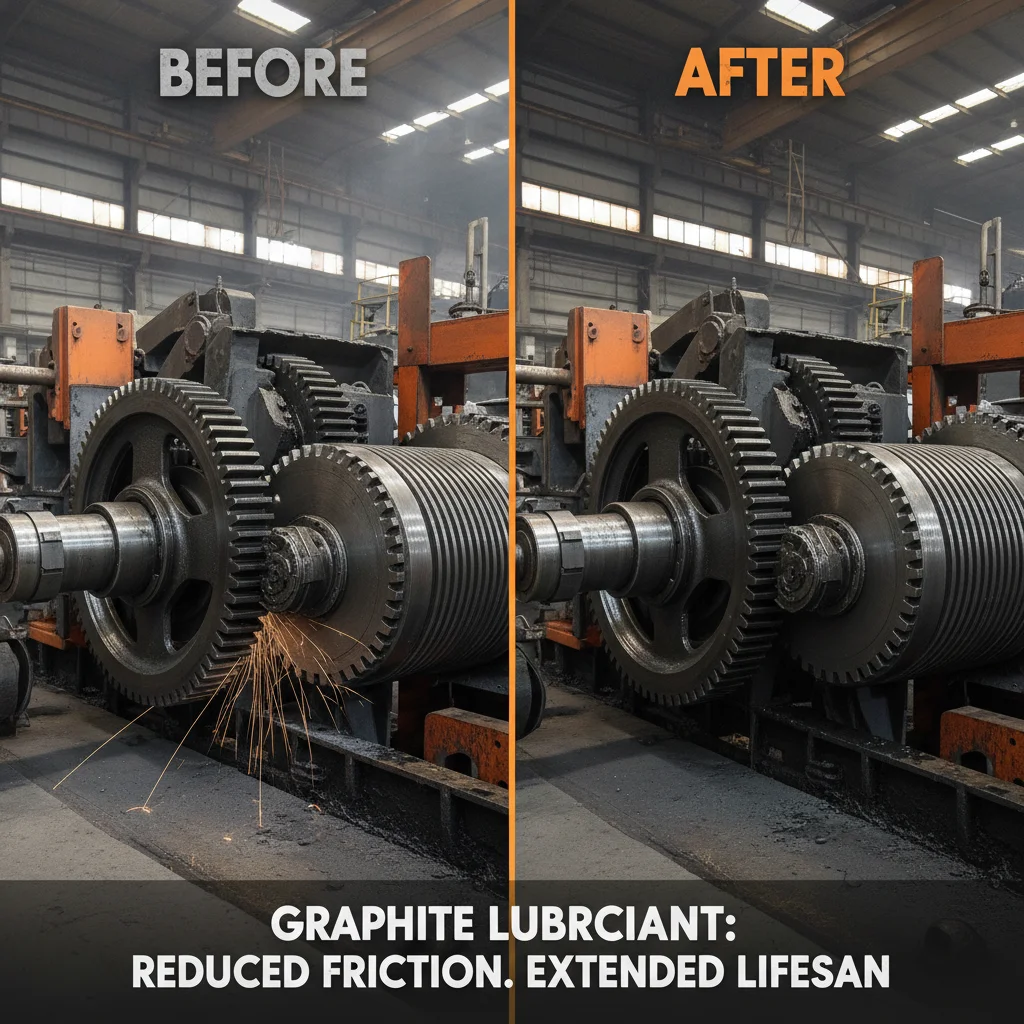
Beyond batteries, flake graphite is widely used in the production of lubricants, refractories, brake linings, and friction materials. In the automotive industry, it enhances the performance and durability of various components. In metallurgy, it serves as a carbon raiser and mold material. These diverse applications create a resilient demand base, buffering against fluctuations in any single sector.
Flake Graphite Price Comparison by Processing Method
Advantages & Long-Term Value
Investing in a secure and sustainable supply of flake graphite offers several advantages. The cost-effectiveness of graphite compared to alternative materials makes it an attractive choice for many applications, enabling businesses to maintain profitability. Moreover, the increasing focus on sustainable materials enhances the long-term value of graphite-based products.
From a social impact perspective, responsible graphite sourcing supports ethical mining practices and contributes to the economic development of producing regions. Its role in enabling clean energy technologies directly addresses climate change concerns, aligning with global sustainability goals. The reliability of graphite’s performance in harsh environments further enhances its value proposition, ensuring long-lasting product durability and reducing maintenance costs.
Future Trends & Innovations
The future of flake graphite price is closely tied to advancements in battery technology and materials science. Ongoing research into alternative battery chemistries, such as sodium-ion and solid-state batteries, could potentially impact graphite demand. However, graphite remains the dominant anode material in lithium-ion batteries, and its cost-effectiveness and performance continue to drive its widespread adoption.
Furthermore, innovations in graphite processing, such as advanced purification techniques and the development of higher-performance coatings, are expected to enhance the value and expand the applications of flake graphite. The increasing emphasis on circular economy principles will also drive the development of graphite recycling technologies, reducing reliance on primary mining and potentially stabilizing flake graphite price.
Challenges & Solutions
One of the major challenges facing the flake graphite industry is the geographical concentration of production. A significant portion of global graphite reserves is located in China, creating potential supply chain vulnerabilities. Diversifying sourcing locations is crucial for mitigating these risks and ensuring a stable flake graphite price.
Another challenge is the environmental impact of graphite mining and processing. Implementing sustainable mining practices, reducing water consumption, and minimizing waste generation are essential for addressing these concerns. Investing in research and development of eco-friendly processing techniques can also contribute to a more sustainable graphite industry.
Finally, price volatility remains a significant issue. Establishing long-term supply contracts, promoting transparent pricing mechanisms, and fostering collaboration between producers and consumers can help to stabilize the flake graphite price and create a more predictable market.
Summary of Key Challenges and Proposed Solutions
| Challenge |
Impact on Flake Graphite Price |
Proposed Solution |
Implementation Timeline |
| Geographical Concentration of Supply |
Increased vulnerability to geopolitical disruptions and price spikes. |
Diversify sourcing locations and invest in new mining projects in stable regions. |
Medium-Term (3-5 years) |
| Environmental Impact of Mining |
Increased regulatory scrutiny and potential production limitations, impacting supply. |
Implement sustainable mining practices, reduce water usage, and minimize waste generation. |
Ongoing |
| Price Volatility |
Difficulty in forecasting costs and managing risk for businesses. |
Establish long-term supply contracts and transparent pricing mechanisms. |
Short-Term (1-2 years) |
| Processing Costs |
Higher processing costs contribute to the overall flake graphite price. |
Invest in innovative processing technologies to reduce costs and improve efficiency. |
Medium-Term (3-5 years) |
| Logistical Constraints |
Transportation costs and delays can impact the final flake graphite price. |
Optimize transportation routes and build infrastructure to improve logistics. |
Long-Term (5+ years) |
| Demand Fluctuations |
Rapid shifts in demand can lead to price instability. |
Develop diversified applications for flake graphite to reduce reliance on a single sector. |
Ongoing |
FAQS
The primary drivers of flake graphite price volatility are demand from the lithium-ion battery sector (particularly electric vehicles), geopolitical factors affecting supply, processing costs, and transportation logistics. Fluctuations in these areas directly translate into changes in the price per metric ton of flake graphite. Supply chain disruptions and government regulations also significantly impact the flake graphite price.
The quality of flake graphite, specifically its carbon content, purity, and flake size, significantly affects its price. Higher carbon content and purity command higher prices due to their superior performance in battery applications. Larger flake sizes are often preferred for certain industrial uses, also increasing the price. Different grades of flake graphite will therefore have vastly different flake graphite price points.
Currently, flake graphite price is experiencing an upward trend driven by the increasing demand for electric vehicles and energy storage systems. Limited supply and geopolitical factors also contribute to this price increase. While short-term fluctuations are common, the long-term outlook suggests continued price growth as the demand for lithium-ion batteries continues to rise. Monitoring the flake graphite price is crucial.
Natural flake graphite is mined from the earth, while synthetic graphite is manufactured. Natural graphite generally has a lower cost of production, making it typically cheaper than synthetic graphite. However, synthetic graphite offers higher purity and more consistent properties, commanding a premium price for specific applications requiring those characteristics. The flake graphite price also reflects the cost of processing each type.
While graphite currently dominates the battery anode market, alternative materials such as silicon, lithium titanate, and hard carbon are being explored. These materials offer potential benefits in terms of energy density and charge rate, but they often come with higher costs or technical challenges. The price competitiveness of flake graphite remains a significant advantage. Research and development in these areas could influence future flake graphite price dynamics.
Companies can mitigate risk by diversifying their supply chain, establishing long-term supply contracts with multiple suppliers, and investing in inventory management strategies. Hedging strategies can also be employed to protect against price fluctuations. Furthermore, actively monitoring market trends and building strong relationships with suppliers are essential for navigating the volatile flake graphite price environment.
Conclusion
In conclusion, flake graphite price is a dynamic metric influenced by a complex interplay of geological factors, geopolitical events, technological advancements, and market demand. Understanding these drivers is crucial for businesses operating within the battery supply chain, as well as for policymakers seeking to promote sustainable energy solutions. The long-term value of a secure and ethically sourced flake graphite supply is undeniable, given its central role in the global transition to electric mobility and renewable energy.
Looking ahead, continued investment in sustainable mining practices, innovative processing technologies, and diversified sourcing strategies will be essential for mitigating price volatility and ensuring a stable supply of this critical material. We encourage you to explore our offerings at Dah Carbon for competitive flake graphite price and reliable supply solutions.