Look, I've spent the last fifteen years breathing concrete dust and arguing with engineers on sites all over the world. When it comes to Electric Arc Furnace (EAF) electrodes, I don’t care about the theoretical metallurgy; I care about uptime, cost per ton, and whether it's going to cause me a headache at 3 AM. EAF electrodes are the heart of steelmaking using scrap, and frankly, the entire industry runs on these things. They're what take your metal from junk to something useful. Without reliable eaf electrodes, you're looking at downtime, increased costs, and a lot of frustrated people.
The global steel industry is a beast. It's the backbone of modern infrastructure, and EAF steelmaking is becoming increasingly critical. We’re talking about a multi-trillion-dollar market that's constantly under pressure to improve efficiency and reduce its carbon footprint. EAFs are a huge part of that because they can use scrap metal, minimizing the need for virgin iron ore. But that hinges on having consistent, high-quality eaf electrodes. The demand is only going up as more countries invest in EAF technology and scrap availability increases.
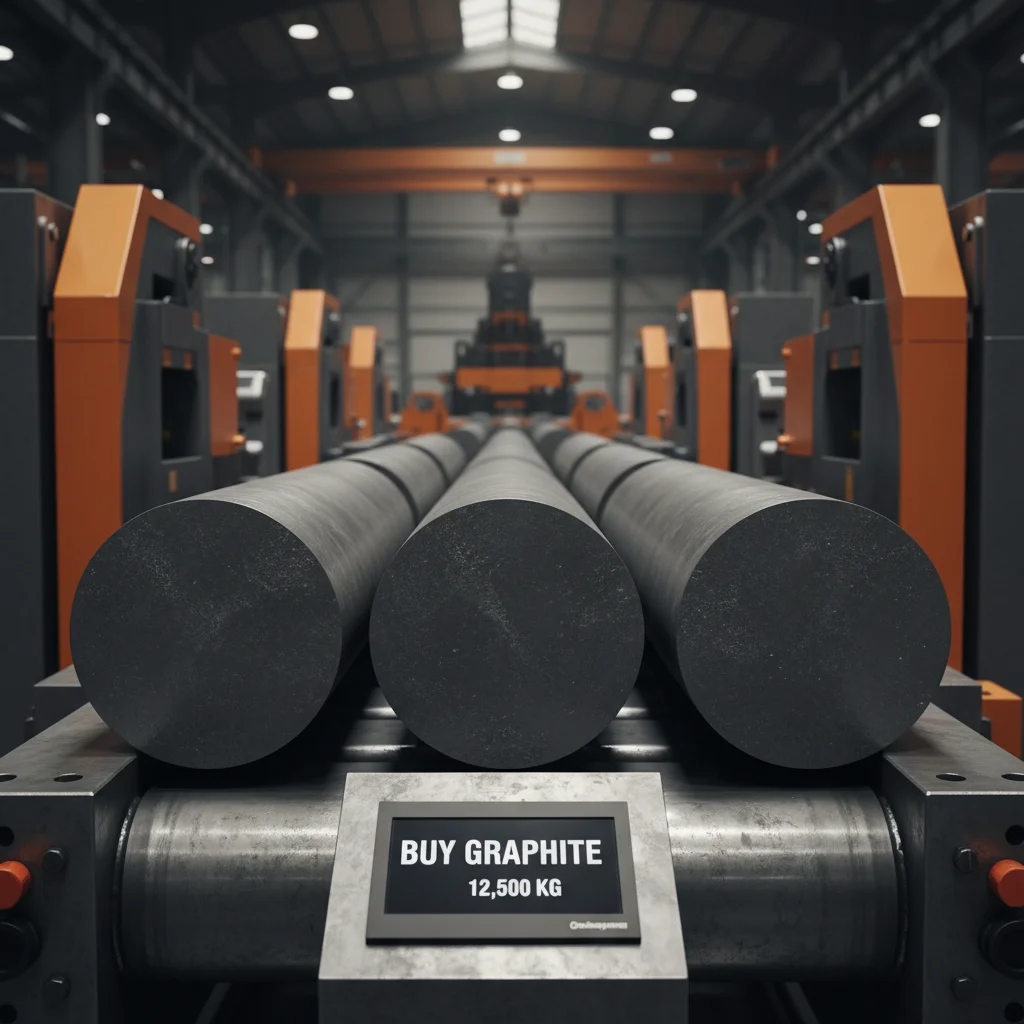
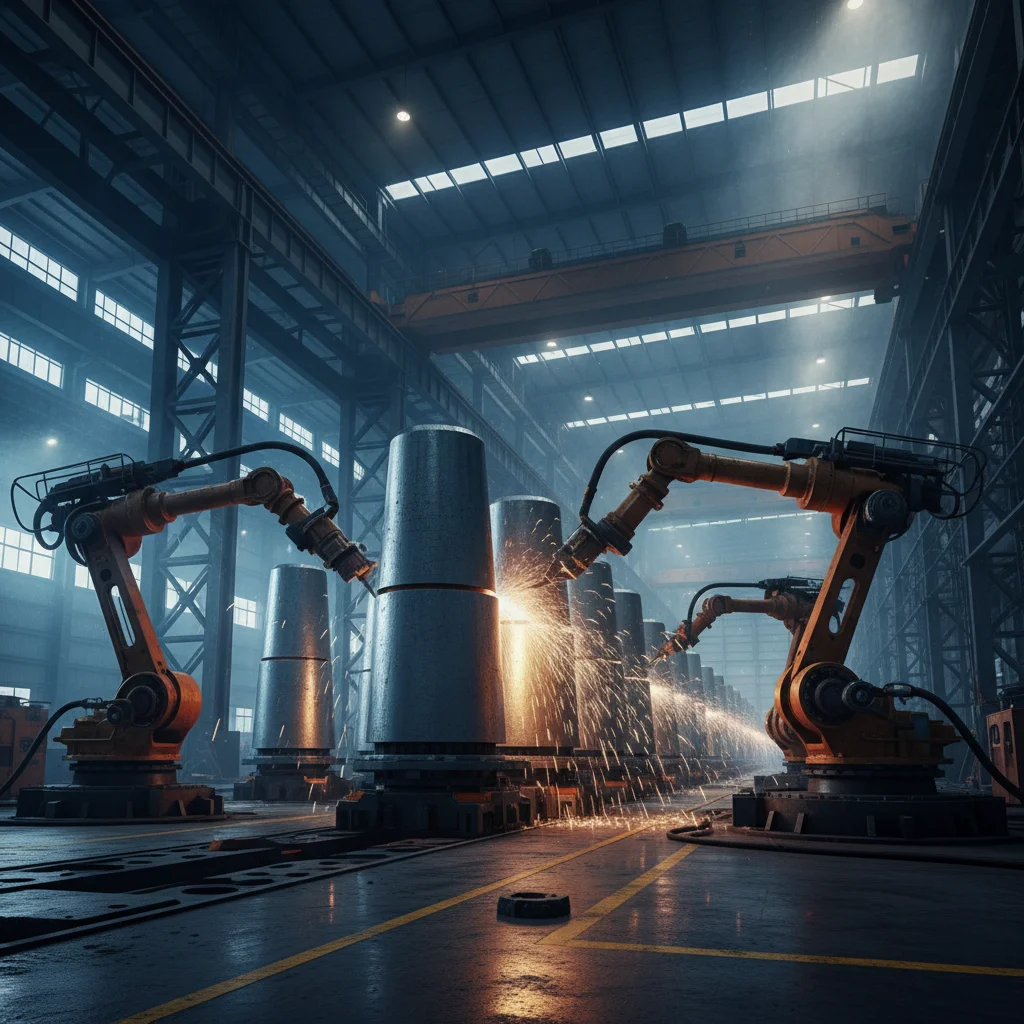
What are eaf electrodes, really? They’re massive graphite rods – essentially oversized pencils for melting steel. They conduct the enormous electrical current needed to arc across the scrap metal, generating the heat required to melt it down. It’s a brutal process, and those electrodes take a beating. Good ones need to be incredibly durable, consistently sized, and able to withstand extreme temperatures and physical stress. They're not just a commodity; they're a critical component influencing the whole operation's effectiveness and profitability.

The Core Principles of eaf Electrodes
Durability is king. These electrodes are constantly being eroded by the arc. A good electrode holds its shape longer, meaning fewer stops to change them out and more consistent production. We're talking about reducing downtime, which directly impacts the bottom line. That’s what keeps plant managers happy. eaf electrodes need to withstand incredible thermal shock and mechanical stress.
Another key factor is consistency. You need electrodes that are precisely manufactured to the right diameter and length. Variations throw off the entire arc and can lead to unstable melting, inconsistent steel quality, and increased electrode breakage. Millimeters matter here. It's about repeatable results, day in and day out.
The Global Significance of EAF Steelmaking
EAF steelmaking is the future, period. It’s far more flexible than traditional blast furnace methods and can use 100% scrap. This is huge for sustainability. The world generates mountains of scrap metal – everything from old cars to demolished buildings. EAFs turn that waste into a valuable resource, reducing the need for mining virgin iron ore, which has a significant environmental impact.
We’re seeing massive investments in EAF capacity, particularly in regions like India, Southeast Asia, and the US. These countries are either lacking in readily available iron ore or are prioritizing a greener steel production route. The ISO standards for steel production are also increasingly focusing on sustainability metrics, further driving demand for efficient and environmentally friendly EAF technology.
The UN’s Sustainable Development Goals are also a driving force. Reducing waste and promoting resource efficiency are key objectives, and EAF steelmaking directly contributes to those goals. It’s not just about making steel; it’s about making steel responsibly. And that responsibility starts with the quality of the eaf electrodes.
Defining eaf Electrodes: A Practical Perspective
Okay, let’s strip away the jargon. An eaf electrode isn’t just a chunk of graphite; it’s a precision-engineered tool. It’s typically made from a blend of different graphite grades, combined with a carbon binder. This blend determines its conductivity, strength, and resistance to thermal shock. The best electrodes are designed to burn evenly, minimizing waste and maximizing lifespan.
What’s often overlooked is the importance of the electrode’s surface finish. A rough surface can cause inconsistent arcing and premature wear. The manufacturing process – how the graphite is formed, baked, and machined – makes a huge difference. It’s the little details that separate a good electrode from a great one. We have seen significant improvements in surface treatments and electrode designs.
The connection between the electrode and the electrode holder is also critical. A poor connection can lead to overheating, arc instability, and even electrode breakage. Proper clamping force and regular inspection of the holder are essential. It’s all interconnected; you can’t just focus on the electrode itself.
Key Performance Indicators for eaf Electrodes
When evaluating eaf electrodes, you’ve got to look beyond the initial price. Cost per ton of steel produced is the metric that matters most. This takes into account electrode consumption rate, downtime for electrode changes, and the impact on steel quality. It's about total cost of ownership.
Another important KPI is electrode consumption rate (ECR). This measures how much electrode material is burned away per ton of steel produced. Lower ECR means less waste and lower costs. We track ECR religiously, and it’s a key indicator of electrode performance and process optimization.
EAF Electrode Performance Comparison
Real-World Applications and Industry Impact
You see these electrodes in action everywhere steel is made from scrap – from large integrated steel mills to smaller, independent foundries. In the US, many of the newer EAF facilities are focused on producing high-quality steel for the automotive and construction industries. They need electrodes that can deliver consistent performance.
In Europe, there’s a big push towards using more scrap to meet stringent environmental regulations. This is driving demand for electrodes that can handle the challenges of processing more contaminated scrap. And in developing countries, EAFs are providing a cost-effective way to build up local steelmaking capacity.
The Long-Term Value Proposition of Quality eaf Electrodes
Investing in high-quality eaf electrodes isn’t just about saving money in the short term; it’s about building a sustainable and reliable operation. Reducing downtime means increasing production capacity and meeting customer demand. Improved steel quality means fewer rejects and higher customer satisfaction.
It’s also about worker safety. Broken electrodes can be dangerous. Reliable electrodes reduce the risk of accidents and create a safer working environment. Ultimately, it's a combination of economic, environmental, and social benefits. eaf electrodes are more than just a component, they’re a strategic investment.
Future Trends and Innovation in eaf Electrode Technology
We're starting to see some exciting developments in electrode technology. One area is the use of advanced graphite materials with improved conductivity and strength. Another is the development of new electrode coating techniques to reduce wear and tear.
Digitalization is also playing a role. Smart electrodes with embedded sensors can provide real-time data on electrode consumption, temperature, and stress levels. This data can be used to optimize the melting process and predict electrode failures. This allows for proactive maintenance and avoids unexpected downtime.
Furthermore, research is underway on alternative electrode materials, such as silicon carbide, which offer even higher performance but are currently more expensive. The future of eaf electrodes is about combining advanced materials, smart technology, and data-driven optimization.
Key Factors Influencing EAF Electrode Performance
| Electrode Material Composition | Operational Parameters | Electrode Holder Condition | Steel Scrap Quality |
|---|
| Graphite purity and binder type (8/10) | Arc voltage and current stability (7/10) | Clamping force and contact resistance (9/10) | Metal content and contaminant levels (6/10) |
| Resistance to thermal shock (7/10) | Melting rate and temperature control (8/10) | Cooling system efficiency (7/10) | Size and shape distribution of scrap (5/10) |
| Electrode diameter and length consistency (9/10) | Oxygen blowing rate (6/10) | Electrode alignment and centering (8/10) | Presence of non-ferrous materials (4/10) |
| Binder distribution uniformity (7/10) | Power factor and energy efficiency (8/10) | Regular inspection and maintenance schedule (9/10) | Scrap pre-treatment processes (7/10) |
| Graphite particle size distribution (6/10) | Slag chemistry and composition (5/10) | Electrode holder material and wear resistance (8/10) | Moisture content in the scrap (3/10) |
| Density and porosity of the electrode (7/10) | Arc stability and flicker reduction (7/10) | Electrode lifting and positioning system (6/10) | Presence of explosive materials (1/10) |
FAQS
Lifespan varies wildly, honestly. It depends on furnace size, steel grade being produced, operator skill, and the electrode quality itself. Generally, you're looking at anywhere from 20 to 60 hours of arc-on time per electrode. High-quality electrodes, combined with a well-maintained furnace, will always give you longer life. We’ve seen some setups pushing past 80 hours, but that’s the exception, not the rule.
You’ll start seeing an increase in arc voltage and a decrease in melting efficiency. The electrode may also develop cracks or become noticeably shortened. Experienced operators can often tell just by listening to the arc – a change in the sound indicates wear. Regular visual inspection is crucial, and many plants are now using automated monitoring systems to track electrode consumption.
Huge impact. Contaminated scrap – stuff with a lot of non-metallic inclusions, moisture, or oils – increases electrode consumption dramatically. These contaminants create unstable arcs and require more energy to melt the steel. Proper scrap preparation and sorting are essential for maximizing electrode life and minimizing costs. Garbage in, garbage out, plain and simple.
Absolutely. There are standard grades for general steelmaking, but also specialized grades designed for specific applications – like producing alloy steels or stainless steel. These specialized electrodes may have different graphite compositions or surface treatments to optimize performance for the specific process. Cost will generally go up with higher grades.
Critically important. A poorly maintained electrode holder can cause a whole host of problems – overheating, poor electrical contact, and even electrode breakage. Regular inspection, cleaning, and replacement of worn parts are essential. It’s a small investment that can prevent costly downtime and electrode damage.
Optimize your melting process, ensure good scrap quality, maintain your electrode holders, use high-quality electrodes, and train your operators. Implement a data-driven monitoring system to track electrode consumption and identify areas for improvement. Small tweaks can add up to significant savings over time.
Conclusion
We've covered a lot here, but the core message is simple: eaf electrodes are a fundamental component of modern steelmaking, and their performance directly impacts profitability, sustainability, and safety. Choosing the right electrodes, maintaining your equipment, and optimizing your process are all crucial for success. It’s not just about buying the cheapest option; it’s about investing in quality and reliability.
Looking ahead, the future of eaf electrode technology is bright. Innovations in materials, digitalization, and process control will continue to drive improvements in performance and efficiency. Staying informed about these advancements and embracing new technologies will be key for steelmakers looking to remain competitive in a rapidly evolving industry. If you want to discuss your specific needs, visit our website: www.dahcarbon.com