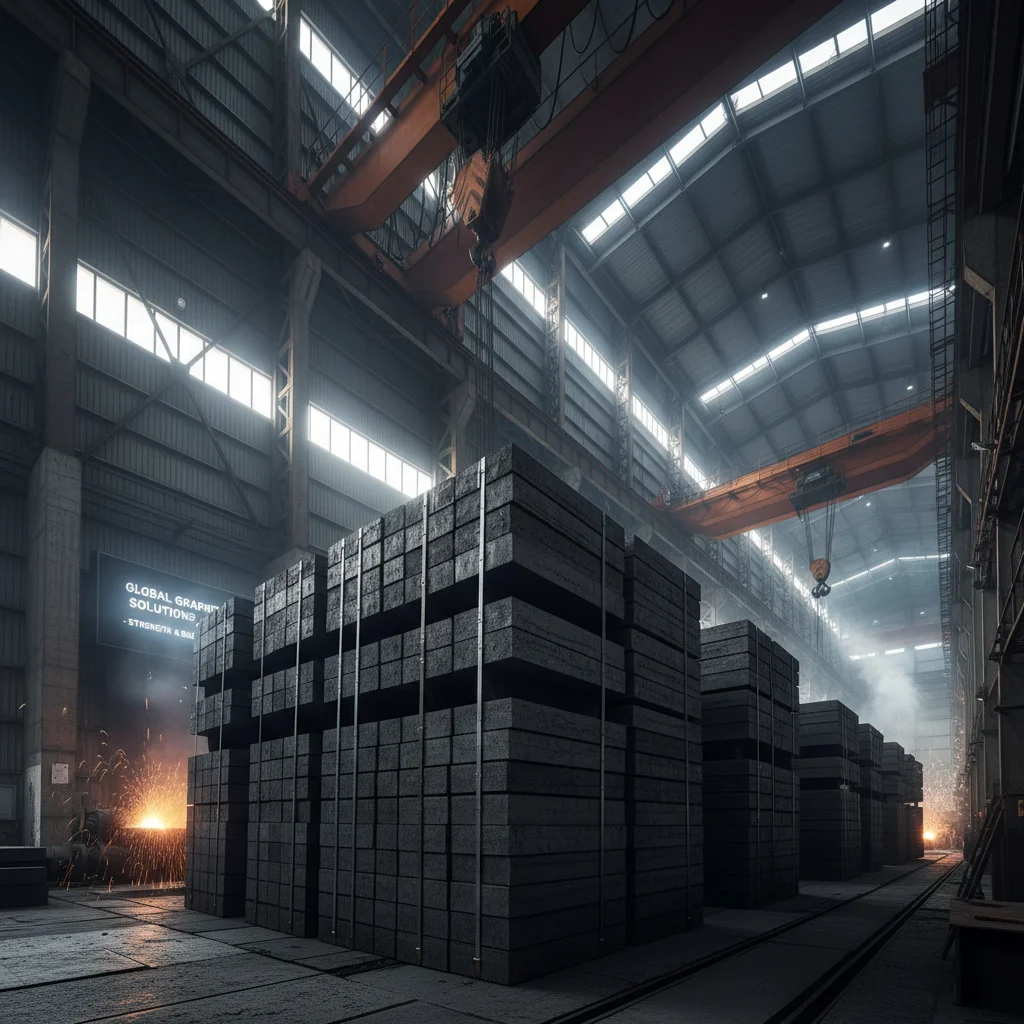
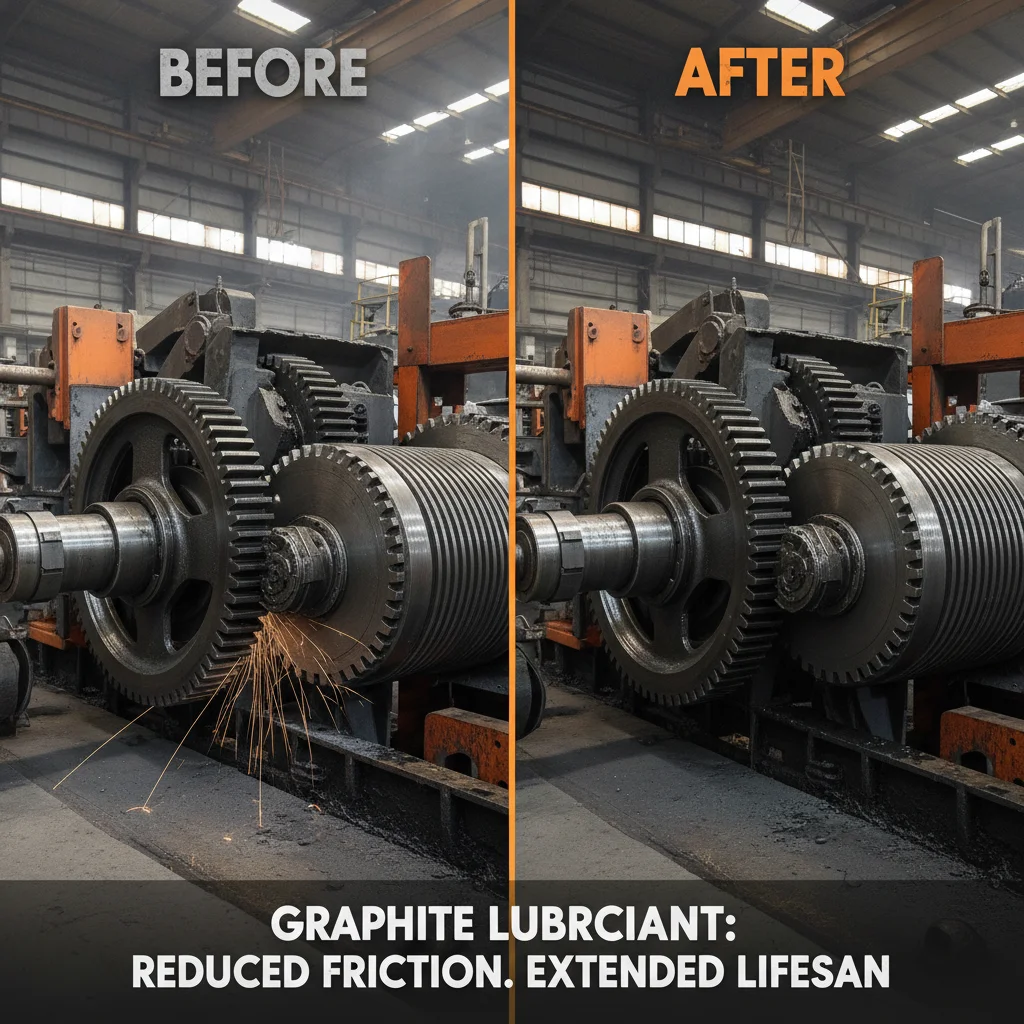
The global metallurgical and manufacturing sectors rely heavily on high-purity carbon materials to ensure the structural integrity and quality of steel and cast iron. Within this complex supply chain, identifying reliable graphite paste suppliers and high-grade carbon additives is essential for achieving precise carbon levels in alloys. The ability to control carbon distribution directly impacts the mechanical properties of the final metal product, making the choice of material source a critical business decision.
From a technical standpoint, the transition from amorphous carbon to a crystalline hexagonal lamellar structure is what defines the efficiency of graphitized materials. Industries ranging from precision casting to aluminum electrolysis require materials that can withstand extreme temperatures while maintaining purity. This demand has pushed manufacturers to seek out partners who can provide consistent, low-sulfur, and high-carbon solutions tailored to specific industrial grades.
Whether you are looking for calcined petroleum coke for general recarburization or specialized graphitized coke for high-end steel smelting, partnering with experienced graphite paste suppliers ensures that your production line benefits from minimal impurities and maximum mechanical strength. By optimizing the nucleation of graphite in iron solutions, these materials reduce the need for expensive nucleating agents, thereby significantly lowering operational costs.

The Process of Graphitization in Carbon Production
Graphitization is a sophisticated thermal process where petroleum coke is subjected to temperatures reaching approximately 3000 degrees Celsius within a specialized graphitization furnace. This extreme heat transforms the original amorphous, chaotic structure of the petroleum coke carbon crystals into a highly ordered hexagonal lamellar structure of crystalline carbon. This transformation is what converts standard petroleum coke into high-performance graphitized coke.
This crystalline transition is vital for the material's conductivity and reactivity. By altering the molecular arrangement, the resulting graphitized petroleum coke becomes far more effective as a carbon enhancer in steelmaking and a reducing agent in metallurgical processes, providing the stability required for high-temperature industrial applications.
Core Applications of Graphitized Petroleum Coke
Graphitized petroleum coke serves as a cornerstone in the production of high-quality steel and precision casting. It is widely utilized as a carbon enhancer and breeder in the foundry industry, where it helps promote the nucleation of graphite within the iron solution. This specific function increases the volume of ductile iron and improves the overall organizational grade of grey cast iron, leading to superior mechanical properties.
Beyond the foundry, it plays a critical role in the metallurgical industry as a powerful reducing agent and as a high-performance refractory material. Its ability to withstand extreme heat without degrading makes it indispensable for lining furnaces and protecting structural components in high-temperature environments.
Additionally, its versatility extends to environmental protection and energy production. It is used as a heavy metal absorbent in industrial wastewater treatment and serves as a primary raw material for the production of graphite cathodes used in aluminum electrolysis cells, demonstrating its importance across diverse industrial sectors.
Technical Advantages of Calcined Petroleum Coke
Calcined Petroleum Coke (CPC) offers a distinct set of advantages for manufacturers seeking precision. Most professional graphite paste suppliers provide CPC in a variety of calibrated sizes, typically ranging from 1-3mm up to 1-20mm. This granularity allows users to customize the rate of carbon absorption based on the specific requirements of their melt.
The primary technical edge of CPC lies in its purity profile. High-quality CPC is characterized by high carbon content combined with minimal levels of ash, sulfur, and phosphorus. These low impurity levels are crucial because sulfur and phosphorus can lead to embrittlement in steel and cast iron, compromising the structural integrity of the final part.
Furthermore, the exceptional mechanical strength of CPC ensures that the material does not break down prematurely during handling or initial charging. This consistency ensures that the carbon addition remains predictable, allowing for tight tolerance control in high-precision manufacturing environments.
Comparing Material Efficiency and Cost Savings
The implementation of graphitized petroleum coke leads to significant cost reductions by optimizing the microstructure of ductile iron. Specifically, it allows for a substantial increase in the ferrite content of ductile iron without the need for expensive pearlite stabilizers. By improving the shape and quantity of nodular graphite, manufacturers can achieve the desired material grade more efficiently.
From a financial perspective, the ability to increase the amount of nodular graphite naturally reduces the reliance on expensive nucleating agents during the fine-tuning phase of production. This shift from chemical additives to high-quality carbon sources results in a leaner production process and lower per-unit costs.
Efficiency Analysis for Graphite Paste Suppliers' Materials
Role of Carbon Additives in Precision Casting
In the realm of precision casting, the use of graphitized petroleum coke as an inoculant is paramount. Its refined crystalline structure allows it to act as a seed for graphite growth, ensuring that the carbon is distributed evenly throughout the cast piece. This prevents the formation of weak spots and reduces internal stresses that could lead to cracking or deformation.
Moreover, for special steel smelting, the strict control of sulfur and other impurities provided by high-grade carbon sources is non-negotiable. By utilizing a continuous graphitization process at temperatures above 2600°C, the material achieves a level of purity that ensures the final alloy meets stringent aerospace or automotive certifications.
Industrial Standards for Sulfur and Ash Control
Maintaining low sulfur and ash content is one of the most challenging aspects of carbon production. High sulfur levels can lead to "hot shortness" in steel, where the metal becomes brittle at high temperatures, leading to failures during forging. Consequently, industry leaders focus on producing both low-sulfur and medium-sulfur calcined petroleum coke to give clients the flexibility to choose based on their specific metallurgy.
Ash content refers to the non-carbon inorganic residue left after combustion. High ash levels can introduce unwanted elements into the melt, such as silica or alumina, which can affect the fluidity of the molten iron and lead to slag inclusions. Rigorous screening and classification processes are used to ensure the final product is as pure as possible.
The combination of low ash and low sulfur, paired with high mechanical strength, ensures that the material is not only chemically pure but also physically stable. This dual-layered quality control is what separates premium industrial carbon from lower-grade alternatives found in the open market.
Strategic Sourcing from Graphite Paste Suppliers
Selecting the right partner among various graphite paste suppliers involves evaluating their supply chain capacity and customization capabilities. A reliable supplier should be able to provide a monthly provision of several thousand tons to ensure that production schedules are never interrupted. This scale is essential for large-scale foundries and steel mills that operate 24/7.
Customization is equally important. Whether the requirement is for sponge calcined coke or specific particle sizes ranging from 0-50mm for graphitized coke, the supplier must have the technical infrastructure to sift, crush, and classify materials to a precise specification. Custom solutions prevent material waste and optimize the efficiency of the carbon addition process.
Ultimately, the long-term value of a strategic partnership lies in the consistency of the chemical analysis. When a supplier can guarantee that every shipment maintains the same carbon percentage and impurity threshold, the manufacturer can standardize their recipes, leading to more predictable yields and higher quality end-products.
Analysis of Carbon Product Specifications and Industrial Suitability
| Material Type |
Key Feature |
Primary Application |
Efficiency Score (1-10) |
| Calcined Coke (1-3mm) |
Rapid Dissolution |
General Recarburizing |
8 |
| Graphitized Coke |
Crystalline Structure |
Special Steel Smelting |
10 |
| Low-Sulfur CPC |
High Purity |
Precision Alloy Steel |
9 |
| Sponge Calcined Coke |
Custom Porosity |
Specific Foundry Needs |
7 |
| Graphite Cathode Raw |
Electrical Conductivity |
Aluminum Electrolysis |
9 |
| Medium-Sulfur CPC |
Cost-Effective |
Grey Cast Iron |
7 |
FAQS
Calcined petroleum coke is petroleum coke that has been heat-treated to remove volatile matter. Graphitized petroleum coke takes this a step further by being heated to extremely high temperatures (over 2600°C), which transforms the carbon's amorphous structure into a crystalline, hexagonal lamellar structure. This makes graphitized coke far more effective for high-end applications like special steel smelting and precision casting.
Graphitized coke promotes the nucleation of graphite and increases the amount of nodular graphite in the iron solution. This process allows manufacturers to significantly increase the ferrite content without relying on expensive pearlite stabilizers or high volumes of costly nucleating agents during the final tuning phase, resulting in substantial material cost savings.
Sulfur is a detrimental impurity in steel and iron production. High sulfur levels can cause "hot shortness," which leads to brittleness and cracking in the metal during high-temperature processing. By sourcing from suppliers who offer low-sulfur calcined or graphitized coke, manufacturers can ensure the structural integrity and durability of their final metallic products.
Suppliers typically provide a wide range of sizes to meet different dissolution requirements. Common sizes for calcined coke include 1-3mm, 1-5mm, 1-10mm, and 1-20mm. For graphitized petroleum coke, sizes can range from 0-50mm. Custom sifting and classification are often available to meet specific industrial requirements.
Yes, due to its specific surface properties and purity, graphitized petroleum coke can serve as an effective heavy metal absorbent in industrial wastewater treatment processes, helping companies remove toxic metallic contaminants from their effluent streams before discharge.
Look for a supplier that offers a consistent monthly supply capacity (e.g., 5,000 tons), provides detailed chemical specifications for sulfur and ash, and has the capability to provide custom sifting and sizing. Stability in chemical composition and reliable delivery schedules are the most critical factors for maintaining production continuity.
Conclusion
The selection of high-quality carbon additives, such as calcined and graphitized petroleum coke, is a decisive factor in the quality of modern steel and iron production. By leveraging the crystalline properties of graphitized carbon and the purity of low-sulfur calcined coke, manufacturers can optimize their microstructure, reduce reliance on expensive chemical stabilizers, and lower overall production costs. The synergy between precise material specifications and reliable supply chains ensures that industries can meet the rigorous demands of precision casting and special steel smelting.
As the industry moves toward greater automation and stricter environmental standards, the role of high-purity carbon materials will only grow in importance. Companies are encouraged to partner with experienced suppliers who can provide not only the raw materials but also the technical expertise to customize particle sizes and purity levels. Investing in superior carbon sources today is the most effective way to ensure long-term product reliability and competitive operational efficiency. Visit our website: www.dahcarbon.com