

Introduction
When industrial procurement officers seek to buy graphite for high-temperature smelting, the primary challenge is rarely finding a supplier, but rather identifying a material that maintains structural integrity under extreme electrical loads. In the context of Electric Arc Furnaces (EAF) and Ladle Furnaces (LF), the difference between standard carbon products and precision-engineered graphite electrodes can dictate the entire energy efficiency of a steel mill.
The criticality of this selection lies in the relationship between raw material purity and the consumption rate. Utilizing high-grade petroleum coke and needle coke is not merely a preference but a technical necessity to ensure low ash content and ultra-low electrical resistivity. This technical synergy directly impacts the purity of the melt in non-ferrous metal production and steelmaking, where secondary impurities can compromise the final metallurgical grade.
To optimize operational costs, buyers must look beyond the initial purchase price and analyze the total lifecycle value of the carbon components. By evaluating the needle coke content and CNC machining precision, enterprises can significantly reduce graphite loss. This guide explores the technical benchmarks and procurement strategies for those looking to buy graphite that delivers sustained industrial performance.

The Technical Architecture of High-Performance Graphite Electrodes

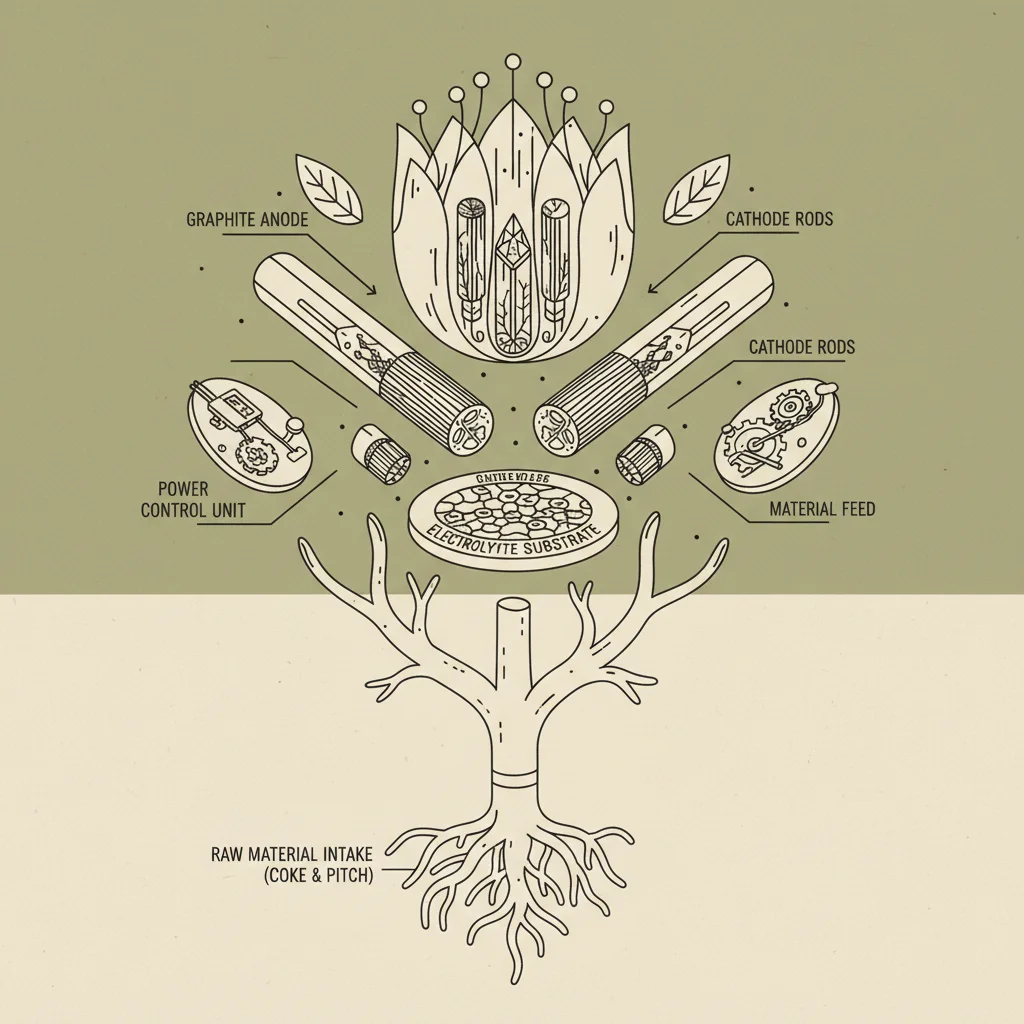
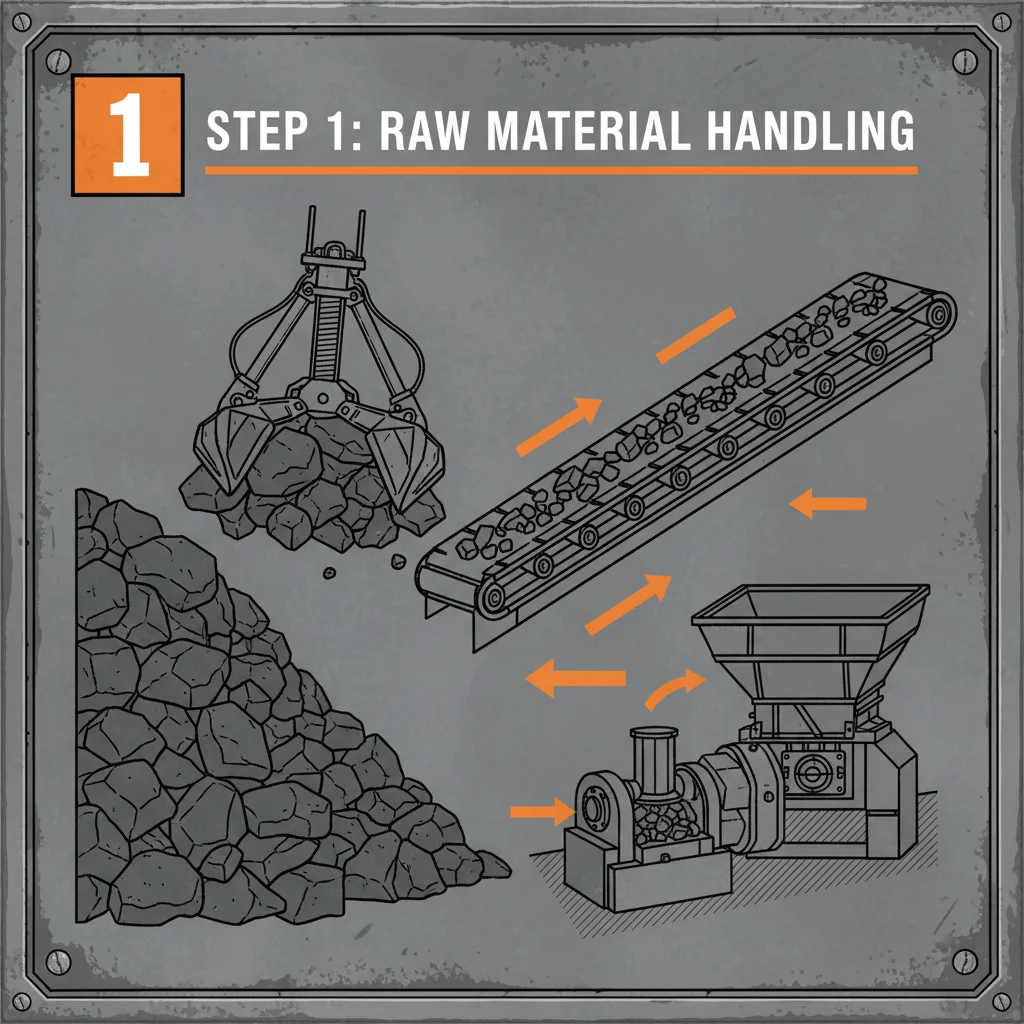
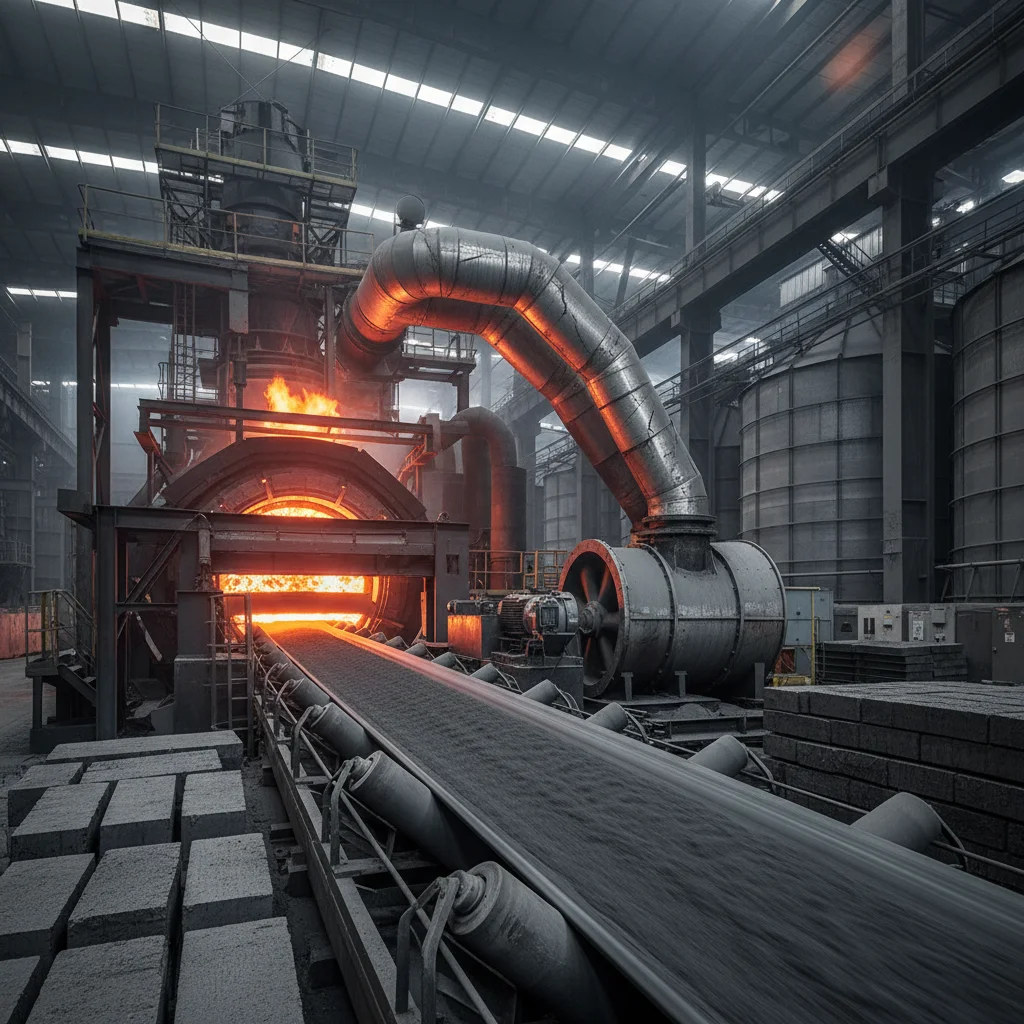
High-performance graphite electrodes are not monolithic blocks but the result of a precise thermal and chemical transformation. The process begins with the selection of premium petroleum coke and needle coke, which are then subjected to a rigorous sequence of calcining, kneading, baking, and finally, graphitization. This sequence is essential to reorganize the carbon atoms into a crystalline structure that allows for maximum electrical conductivity and mechanical strength.
The structural density achieved through this process ensures that the electrode can withstand the physical stresses and thermal shocks inherent in industrial smelting. By integrating professional CNC precision machining, the resulting components provide a seamless fit within the furnace, which is critical for maintaining stability during high-power operations in Electric Arc Furnaces.
Key Material Metrics Influencing Smelting Efficiency
When evaluating graphite quality, the needle coke content stands as a primary performance indicator. A higher needle coke concentration, reaching up to 80%, enhances the electrode's ability to conduct electricity while resisting oxidation. This characteristic is vital for reducing the rate of graphite loss, which directly lowers the cost per ton of steel produced.
Another critical metric is the ash content, which must be strictly controlled (typically within 3%). High ash levels introduce impurities into the molten metal, potentially compromising the chemical integrity of the final product. Therefore, the use of ultra-pure raw materials and coal pitch as a binder is necessary to maintain a compact and uniform structural density.
Electrical resistivity is the third pillar of performance. Ultra-low resistivity ensures that energy transfer from the power source to the charge material is efficient, which accelerates melting speeds and reduces the total kilowatt-hour consumption per heat. These combined factors transform a simple carbon block into a precision industrial tool.
Operational Value of Low-Ash Carbon Composition
The operational value of utilizing high-density graphite is most evident during the peak temperature phases of smelting. In environments where thermal shock is constant, the uniform structure of a professional electrode prevents premature cracking and fragmentation, extending the service lifespan significantly compared to standard grades.
The critical advantage of low-ash and low-sulphur composition is the prevention of secondary contamination in the melt. By ensuring that the electrode itself does not introduce impurities, producers can maintain the highest purity levels in specialized steel and phosphorus production.
Beyond purity, the oxidation resistance provided by advanced material composition allows electrodes to operate longer in extreme heat. This reduces the frequency of electrode replacements, thereby minimizing furnace downtime and maximizing the annual throughput of the smelting facility.
Comparative Analysis of Electrode Grade Performance
Comparing standard graphite electrodes with High-Performance (HP) versions reveals a stark difference in operational costs. The primary driver of this difference is the graphite loss rate. HP electrodes, characterized by higher density and needle coke content, exhibit a significantly lower consumption rate per ton of material melted.
While the initial investment in HP electrodes may be higher, the return on investment is realized through extended service life and improved electrical efficiency. The following data illustrates the relative performance improvements in key operational metrics when transitioning to high-density conductors.
Performance Metric: Standard vs HP Electrode
Strategic Applications in Steel and Non-Ferrous Smelting
The versatility of high-grade graphite products extends across several heavy industrial sectors. In steelmaking, they are indispensable for Electric Arc Furnaces (EAF) and Ladle Furnaces (LF), where they provide the necessary conductive path to generate the heat required for melting scrap steel. Their ability to withstand high mechanical stress makes them ideal for these high-intensity environments.
Beyond steel, these materials are critical in the production of industrial silicon and yellow phosphorus. In these phosphorus and silicon furnaces, the ultra-pure composition prevents contamination of the high-purity chemical outputs. Additionally, carbon coke and recarburizers are used in grey and ductile iron foundries for the production of auto parts, boilers, and pipes, ensuring precise carbon levels in the casting process.
Future Trajectories in Graphitization Technology
The evolution of carbon materials is moving toward even higher purity and lower energy consumption during the manufacturing process. Future advancements in graphitization are expected to focus on reducing the temperature required for carbon crystallization while maintaining the high-density structure needed for industrial electrodes.
Sustainability is also becoming a driving factor. There is an increasing trend toward optimizing the use of needle coke to reduce the environmental footprint of the production cycle. A plausible direction is the integration of more precise CNC machining to create custom-shaped electrodes that optimize the electrical arc and reduce energy waste.
As the industry moves toward "Green Steel," the demand for electrodes that can handle higher power densities with lower consumption rates will increase. Companies that can provide a stable supply of 80,000 tons or more annually while maintaining strict quality control will lead the market in supporting the global transition to more efficient smelting.
Overcoming Graphite Consumption Challenges in EAF
The most significant challenge for EAF operators is the volatility of graphite consumption. Factors such as unstable current, improper electrode fit, and low-quality raw materials can lead to accelerated wear and frequent outages. Addressing these issues requires a holistic approach to material selection and furnace management.
Implementing a strict inspection system for raw materials, such as monitoring sulfur and ash levels in needle coke, is the first line of defense. Furthermore, ensuring that electrodes are machined to exact specifications prevents the mechanical instabilities that lead to premature breakage.
By shifting from a "lowest cost" procurement model to a "lowest consumption" model, enterprises can achieve significant operational savings. The table below outlines the key decision criteria for buyers when choosing between different carbon product specifications.
Procurement Decision Matrix for Graphite Products
| Criteria | Standard Grade | HP Grade | Impact on ROI |
|---|---|---|---|
| Needle Coke % | Low / Mixed | Up to 80% | Lower Consumption |
| Ash Content | Moderate | Under 3% | Higher Purity |
| Resistivity | Standard | Ultra-Low | Energy Savings |
| Machining | Basic | CNC Precision | Installation Stability |
| Oxidation Res. | Average | High | Extended Life |
| Density | Variable | Compact/Uniform | Reduced Waste |
Frequently Asked Questions
High-performance electrodes primarily rely on premium petroleum coke and needle coke, with coal pitch serving as the binding agent. The high needle coke content is what provides the necessary electrical conductivity and mechanical strength to withstand the extreme environment of an Electric Arc Furnace.
High ash and sulfur content in graphite can introduce secondary impurities into the molten metal. By keeping ash levels controlled within 3%, producers ensure that the chemical purity of the steel or non-ferrous metal is maintained, preventing defects in the final industrial product.
CNC machining ensures that the electrodes have exact dimensions for a seamless fit. This precision eliminates instability within the furnace, reduces mechanical stress during operation, and ensures a consistent electrical arc, which is critical for efficient melting.
They are primarily used in the steelmaking industry (specifically EAF and LF), aluminum electrolysis, and the production of industrial silicon and yellow phosphorus. Additionally, recarburizers are widely used in grey and ductile iron foundries for auto parts and boiler production.
Reducing consumption requires switching to electrodes with higher density and higher needle coke content. These materials offer superior oxidation resistance and lower electrical resistivity, which minimizes material loss per ton of melt and lowers overall production costs.
Yes, through professional CNC machining capabilities, various large-diameter specifications can be produced to meet specific industrial furnace requirements. This flexibility ensures that the electrodes fit the unique architectural needs of different global smelting operations.
Conclusion
Optimizing smelting efficiency requires a strategic shift from focusing on the purchase price of carbon materials to focusing on their operational performance. By prioritizing high needle coke content, low ash levels, and precision CNC machining, industrial operators can significantly reduce their graphite consumption rates and improve the purity of their metal outputs. The synergy between material science and precision engineering is what defines a truly high-performance electrode.
For enterprises seeking to stabilize their supply chain with a partner capable of an 80,000-ton annual capacity and 20 years of production experience, selecting the right graphite grade is the first step toward sustainable cost reduction. To explore specifications tailored to your specific furnace requirements, you are invited to visit www.hbdahcarbon.com for professional technical support and product selection guidance.


Ethan Turner
Ethan is the Marketing Director at Cangzhou Jiujiang, focusing on expanding the brand's presence in North America. With over a decade of experience in outdoor apparel marketing, Ethan leverages his knowledge to promote the company’s PU rainwear, emphasizing its BSCI and GRS certifications.


