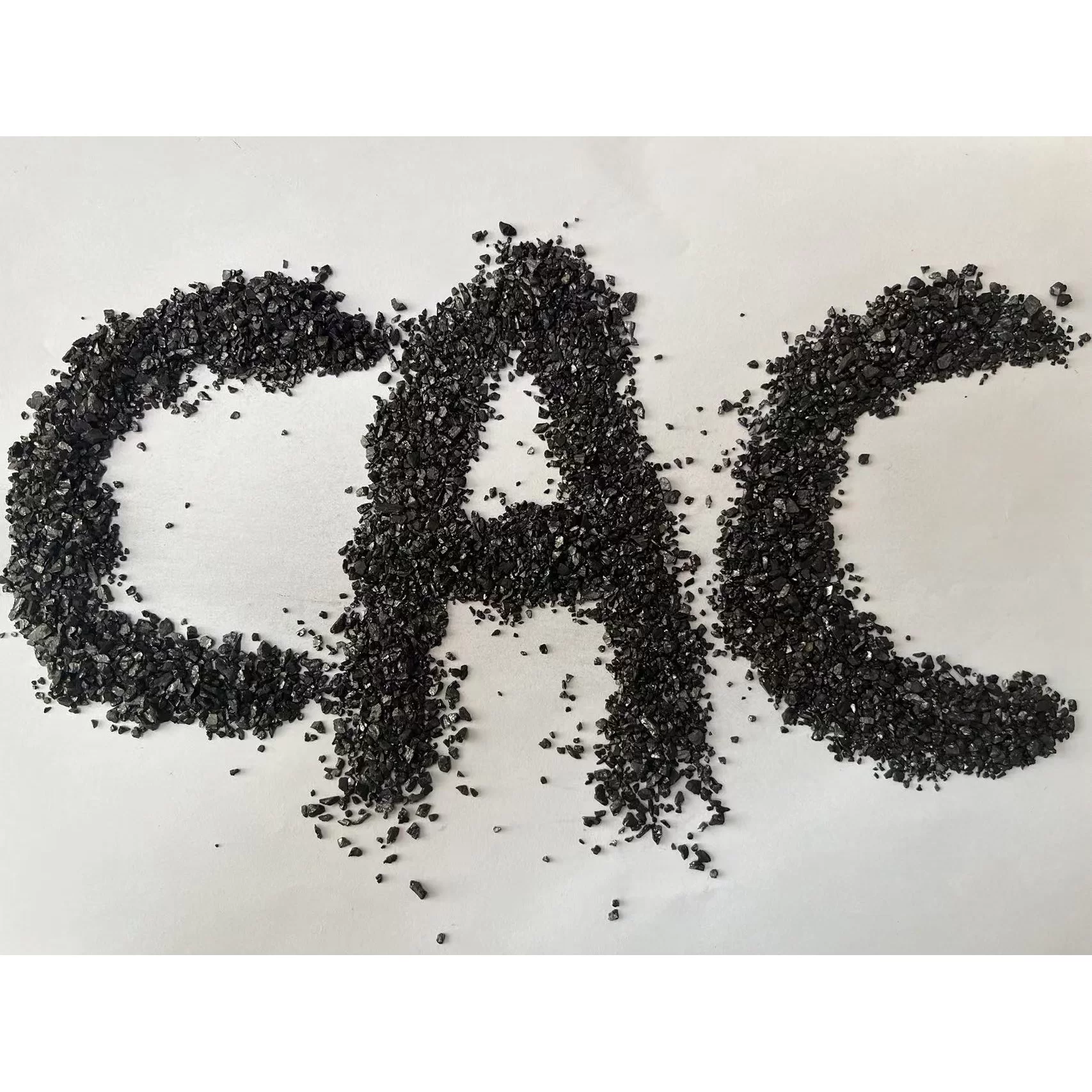
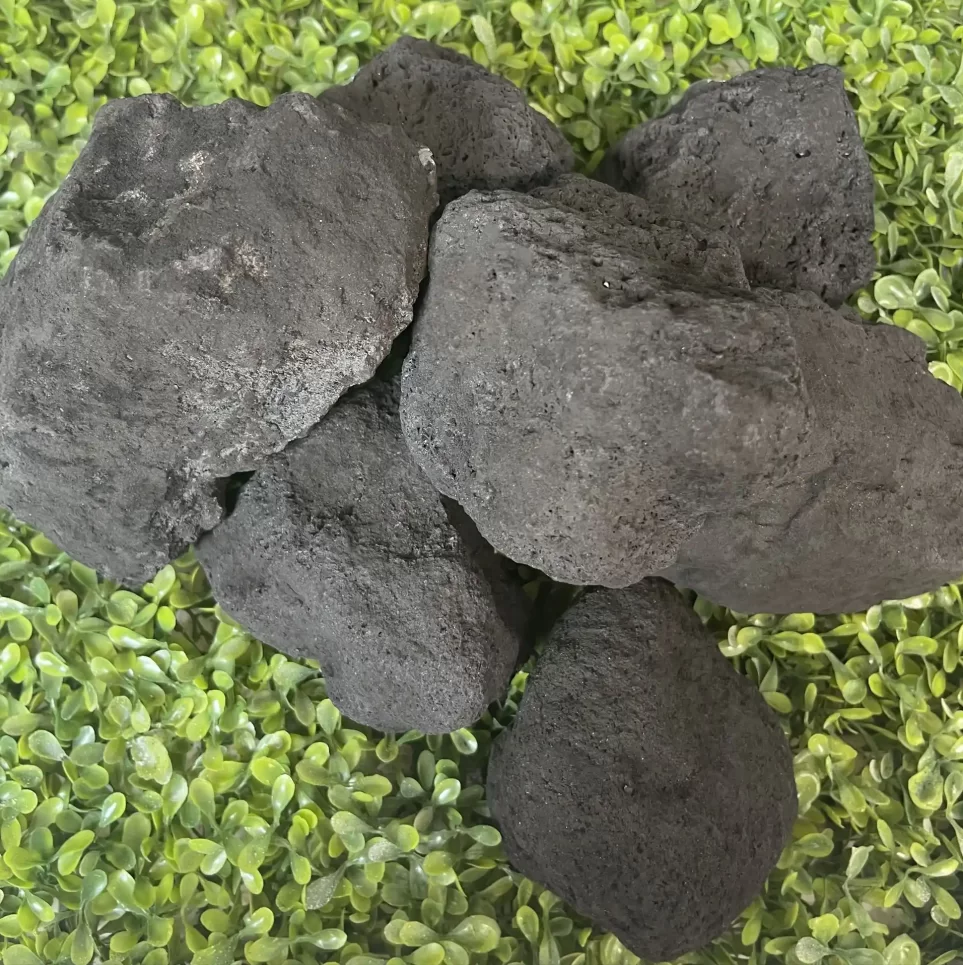
Malaysia's industrial landscape, particularly in regions with strong manufacturing bases, relies heavily on consistent raw material quality to maintain global competitiveness. In the iron and steel sectors, the precision of carbon addition is critical. The use of calcined petroleum coke allows local foundries to achieve better purity and stability in pre-baked anodes and iron casting, reducing waste and improving the structural integrity of the final products.
As the regional demand for automotive parts and infrastructure pipes grows, the necessity for high-grade recarburizers becomes evident. Many Malaysian enterprises are shifting towards graphitized petroleum coke to ensure uniform carbon distribution in ductile iron production. This transition helps in minimizing casting defects and reducing overall production costs by enhancing the efficiency of the melting process.
Furthermore, the integration of advanced carbon materials is becoming a priority for industrial upgrading. By implementing high-density graphite blocks and specialized electrodes, local plants can improve energy efficiency and reduce carbon emissions. This alignment with sustainable manufacturing practices is essential for Malaysian firms aiming to export to stringent European and North American markets.