Industrial Carbon Solutions for Italys Manufacturing Sector

Industrial Carbon Solutions for Italys Manufacturing Sector

Industrial Carbon Solutions for Italy's Manufacturing Sector

Optimizing smelting and casting efficiency across Italy with high-performance graphite materials and precision recarburizers tailored for heavy industry.

Request Technical Data

High-Performance Graphite & Carbon Materials

Supplying the Italian metallurgical and foundries market with certified carbon products to enhance production stability and material purity.

The Strategic Role of Carbon Materials in Italy's Metallurgy

Analyzing the intersection of industrial heritage and modern material requirements.

Italy's industrial landscape is characterized by highly specialized clusters in the north and center, where precision casting and steelmaking are pillars of the economy. In these environments, the demand for calcined petroleum coke is driven by the need for high-purity anodes in aluminum electrolysis and consistent carbon sources for specialized alloy production. The regional focus on automotive components and high-end machinery requires materials that minimize impurities to prevent structural defects in final cast products.

From a procurement perspective, Italian foundries are increasingly shifting toward graphitized petroleum coke to improve the conductivity and thermal stability of their processes. The technical challenge often lies in balancing the cost of imported raw materials with the stringent quality standards required for ductile iron pipes and boiler components. Reliability in the supply chain is paramount, as any fluctuation in carbon quality directly impacts the metallurgical properties of the industrial output.

As the industry evolves toward greener production, there is a growing emphasis on energy efficiency within electric arc furnaces. The integration of high-density arc furnace electrodes has become a focal point for reducing power consumption and increasing the melt rate. For Italian enterprises, the transition involves upgrading legacy equipment to handle more stable, long-lasting carbon products that can withstand the intense thermal stresses of modern steelmaking.

Evolution of Industrial Carbon Application

Tracing the shift from basic carbon additives to precision-engineered graphite solutions.

Industry Evolution

2000-2010

Foundational Sourcing. Focus was primarily on bulk procurement of basic recarburizers and standard carbon electrodes to support the expanding domestic steel and iron casting sectors.

2011-2020

Quality Standardization. Introduction of higher purity graphite materials to meet the exacting standards of the automotive and aerospace supply chains in Italy.

2021-Present

Sustainability Integration. Current emphasis on reducing emission footprints through the use of optimized graphite powder and high-efficiency electrode technology.

Market Transformation

  • Purity Optimization

    Growing demand for ultra-low sulfur and ash carbon to enhance the quality of specialty alloys used in Italian high-tech manufacturing.

  • Energy Efficiency

    Shift towards materials that reduce electrical resistance in furnaces, thereby lowering the operational cost of smelting processes.

  • Supply Chain Resilience

    Moving from spot purchasing to long-term strategic partnerships with global producers to ensure material consistency.

Future Outlook for Italy's Graphite Industry

Predicting the technological shifts in carbon material utilization through 2030.

Technical Precision
Adoption of tailored grain sizes in carbon powders to optimize the reaction kinetics in steel carburization.
Resource Efficiency
Implementing high-density graphite blocks to reduce material waste and extend equipment lifespan.
Supply Stability
Diversification of global sourcing partners to mitigate regional logistics risks and ensure continuous production.
Carbon Footprint
Transitioning towards synthetic carbon products with lower volatile matter to align with EU environmental directives.

From an industry evolution perspective, the next three to five years will likely see a deeper integration of automated material dosing systems in Italian foundries. This will reduce the variance in carbon input, ensuring that recarburizers are utilized with maximum efficiency and minimal waste, directly impacting the bottom line of medium-sized enterprises.

For regional businesses in Italy, the focus will shift toward establishing a seamless interface between raw material suppliers and production management systems. The ability to trace the purity and origin of carbon products will become a key requirement for those exporting high-end metal components to the broader European market.

Application Scenarios in Italian Industry

Real-world implementation of carbon products in diverse manufacturing environments.

01
Automotive Part Foundries

Utilizing high-purity recarburizers in local industrial zones to produce ductile iron engine components with precise carbon levels, reducing scrap rates and improving structural integrity.

02
Steel Smelting Plants

Implementing high-performance electrodes in regional steel mills to optimize the arc stability and heat distribution, resulting in lower energy costs per ton of steel.

03
Aluminum Anode Production

Using calcined petroleum coke in specialized aluminum plants to create pre-baked anodes that offer superior conductivity and resistance to chemical erosion.

04
Industrial Boiler Casting

Application of graphitized carbon in the production of heavy-duty boiler parts in local manufacturing hubs, ensuring optimal thermal shock resistance.

05
Specialty Alloy Labs

Employing graphite powder for precision carbon adjustments in experimental alloy development, providing researchers with a consistent and controllable carbon source.

Ding An Heng New Material Technology Co., Ltd.

Two decades of excellence in graphite production and global supply.

20+ Years Exp
Industry Foundation

Established as a large-scale graphite production enterprise in China, focusing on the mastery of carbon material synthesis and quality control.

Expansion Phase
Global Market Reach

Successfully extended product distribution beyond the domestic market to Southeast Asia, the Middle East, Europe, and Africa.

Current Status
Capacity & Quality

Operating two full production lines with an annual capacity of 60,000 tons, supported by a rigorous laboratory inspection system.

Technical & Procurement FAQ

Addressing the common challenges of carbon material integration in Italian industry.

How do I choose between calcined and graphitized petroleum coke for iron casting?

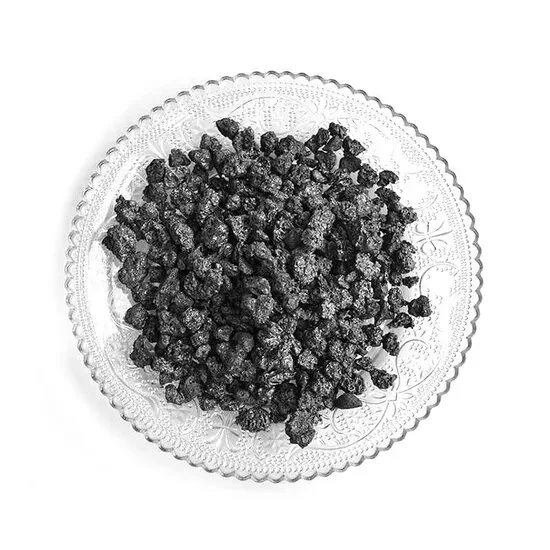
The choice depends on the required carbon absorption rate and purity. Calcined coke is typically used for general recarburization, while graphitized coke is preferred when higher purity and faster integration into the melt are required to avoid casting defects in precision parts.

What factors influence the lifespan of arc furnace electrodes in high-capacity mills?

Lifespan is primarily influenced by current density, thermal shock resistance, and the purity of the graphite. High-density electrodes with optimized grain structure reduce oxidation and erosion, which is critical for the continuous operation of Italian steel plants.

Can graphite powder be used to reduce the cost of carburizing agents?

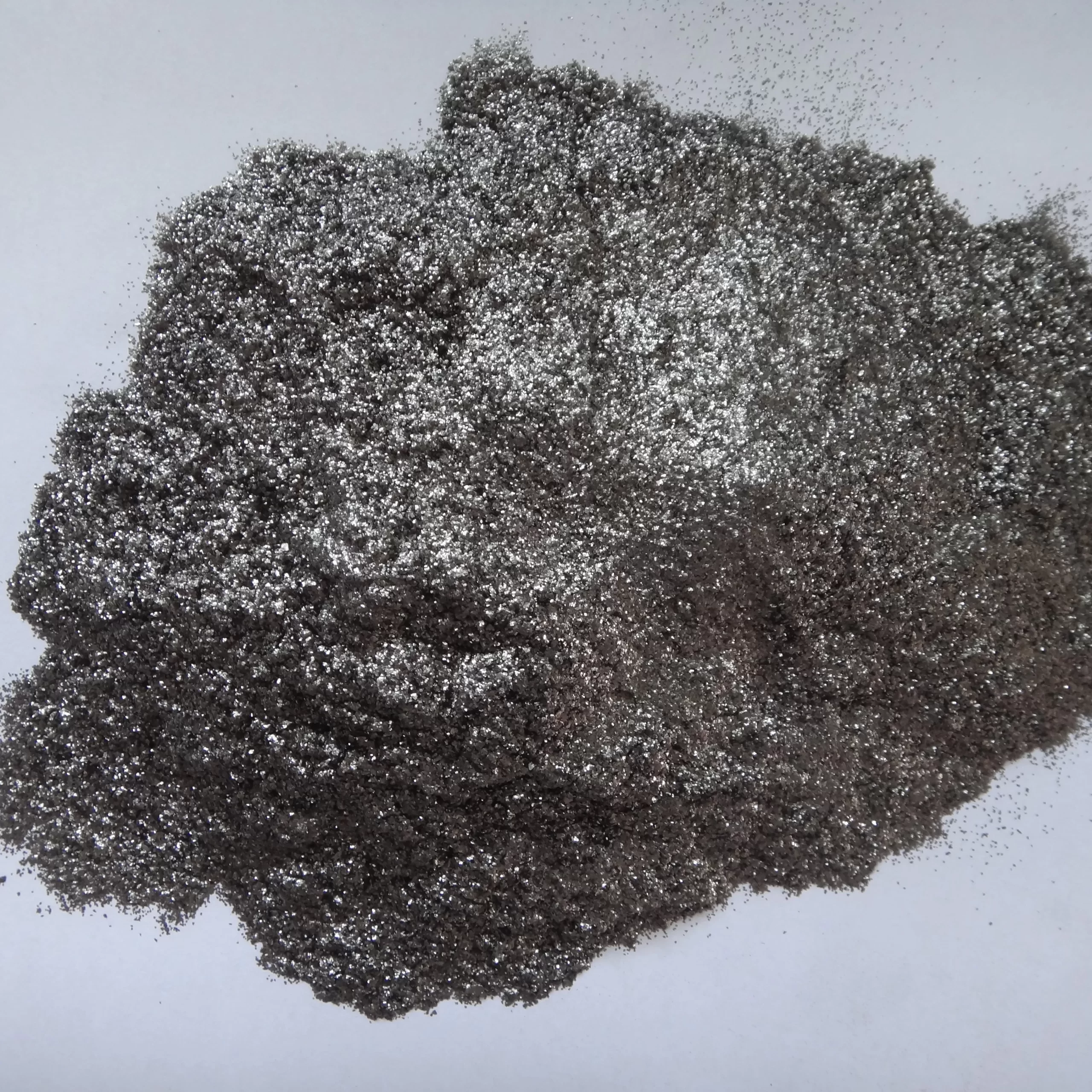
Yes, high-quality graphite powder can serve as an efficient carburizing agent by providing a high surface area for faster carbon diffusion. This reduces the total amount of material needed and can lower overall casting costs if the particle size is correctly matched to the furnace type.

How is the quality of imported graphite products verified for EU standards?

Verification is conducted through a rigorous laboratory inspection system that tests for ash content, sulfur levels, and fixed carbon percentage. Following a strict quality control system ensures that the materials meet the technical specifications required for European industrial applications.

What are the logistical advantages of sourcing carbon materials in bulk for Italy?

Bulk sourcing reduces the unit cost of transportation and protects manufacturers from the volatility of the spot market. For Italian firms, establishing a stable supply chain with a high-capacity producer ensures that production schedules are not interrupted by material shortages.

Are your graphite blocks suitable for high-temperature thermal insulation?

Yes, our graphite blocks are engineered for high thermal conductivity and stability at extreme temperatures, making them ideal for crucibles, molds, and insulation components in high-temperature industrial furnaces used across Italy.

Optimize Your Carbon Supply in Italy

Consult with our technical experts to find the perfect graphite solutions for your manufacturing needs in Italy. Let's build a more efficient production future together.

Get a Quote

If you are interested in our products, you can choose to leave your information here, and we will be in touch with you shortly.

  • captcha