



Market Analysis
The Industrial Carbon Landscape in Uganda
Understanding the regional dynamics of graphite and petroleum coke consumption.
Uganda's manufacturing sector, particularly in the non-metallic mineral and metal processing industries, relies heavily on imported carbon materials. The local market is characterized by a growing number of small to medium-sized iron foundries and a strategic push toward developing domestic steel capacity. These industries require a consistent supply of recarburizers to maintain the precise carbon percentages needed for high-strength industrial components. However, the regional infrastructure often poses challenges for the timely delivery of bulk materials, making reliable international partnerships essential for operational continuity.
Current trends indicate a shift toward higher-purity materials. Ugandan operators are increasingly moving away from crude carbon sources toward processed graphite powder and graphitized coke to reduce energy consumption and oxidation losses. This transition is driven by the need to compete with imported finished goods, forcing local manufacturers to optimize their melting and casting cycles. Additionally, there is a growing demand for specialized graphite blocks and high-grade electrodes as the region adopts more efficient electric arc furnace (EAF) technologies to replace older, less efficient induction furnaces.
Looking forward, the outlook for Uganda's industrial carbon market is tied to the expansion of the construction and automotive sectors. The increase in demand for ductile iron pipes and engine components creates a sustainable growth path for the recarburizer market. While logistical constraints remain a primary hurdle, the adoption of standardized quality control and long-term supply agreements is helping companies mitigate risks. For suppliers, the opportunity lies in providing not just raw materials, but technical expertise that helps Ugandan plants improve their overall yield and reduce environmental impact through cleaner carbon agents.
Industry Journey
Evolution of Carbon Material Application
From basic carbon additives to precision-engineered graphite solutions.
Early Phase
Basic Recarburization
Industries relied on raw anthracite or low-grade coke, resulting in high sulfur levels and inconsistent casting quality across most regional foundries.
Growth Phase
Adoption of CPC/GPC
The introduction of calcined and graphitized petroleum coke allowed for better carbon recovery and lower impurities, improving structural integrity.
Current Phase
Precision Carbon Engineering
Focus has shifted to UHP electrodes and specialized graphite powder to maximize energy efficiency and minimize the carbon footprint of smelting.
Integration of Digital QC
The industry is moving toward real-time material analysis, where batches of petroleum coke are verified via spectral analysis before being added to the furnace, reducing the risk of batch contamination.
Sustainable Sourcing
There is a growing emphasis on reducing the volatile matter in carbon agents to lower emissions during the melting process, aligning local production with international environmental standards.
Hybrid Electrode Strategies
Foundries are optimizing their electrode choice, mixing RP and HP grades based on the specific thermal load of the furnace to balance cost and consumption rates.
Future Outlook
Emerging Trends in Carbon Materials
Key drivers shaping the next generation of industrial graphite and carbon production.
Energy-Efficient Smelting
Shift toward high-conductivity graphite blocks and electrodes to reduce voltage drops and electrical energy waste in furnaces.
Ultra-Low Impurity Standards
Increasing demand for carbon agents with sulfur levels below 0.5% to meet the stringent requirements of high-grade ductile iron production.
Modular Electrode Systems
Adoption of customized electrode lengths and diameters to match specific furnace geometries, reducing waste and installation downtime.
Carbon Agent Micronization
The use of specialized graphite powder with controlled particle size to ensure rapid dissolution and uniform carbon distribution.
The convergence of these trends is pushing the carbon industry toward a "precision material" model. No longer viewed as a simple additive, high-grade carbon is now an engineered component of the metallurgical process. For Ugandan manufacturers, this means that selecting the correct grade of graphitized petroleum coke can directly correlate with a reduction in energy costs and an increase in the fatigue strength of the final cast products.
Furthermore, the global supply chain for petroleum coke is becoming more specialized. We are seeing a clear distinction between general-purpose carbon and industrial-grade materials designed specifically for aluminum electrolysis or EAF steelmaking. This specialization allows for the optimization of properties such as bulk density and electrical resistivity, ensuring that the material performs optimally under the extreme temperatures of an industrial furnace.
Practical Use
Application Scenarios in Ugandan Industry
How our carbon materials are deployed across various industrial settings.
01
Kampala-Based Iron Foundry for Auto Parts
In a facility producing engine components, the use of high-purity graphitized petroleum coke replaces raw anthracite. This eliminates sulfur-induced porosity in the castings, ensuring that auto parts meet safety standards while reducing the scrap rate by providing a more predictable carbon recovery during the melting process.
02
Regional Steel Mill utilizing Electric Arc Furnaces
To optimize the production of structural steel, the mill deploys our UHP graphite electrodes. The high thermal conductivity and mechanical strength of these electrodes reduce frequent breakages and energy losses, allowing for continuous operation and higher throughput in the EAF smelting cycle.
03
Industrial Pipe Casting Plant in Jinja
For the production of ductile iron pipes, the plant utilizes calcined petroleum coke as a primary recarburizer. The low ash content ensures that the molten metal remains clean, reducing the need for excessive slagging and improving the surface finish of the final piping products.
04
Aluminum Smelter Pre-baked Anode Production
An aluminum plant employs our specialized petroleum coke and coal tar pitch for anode fabrication. By ensuring a consistent particle size and purity, the plant achieves a higher green anode density, which translates to longer anode life and lower electricity consumption during electrolysis.
05
Specialty Graphite Component Fabrication
For precision molds and high-temperature crucibles, our graphite blocks are used as the base material. The high purity and uniform density of the graphite ensure that the molds can withstand extreme thermal cycling without warping, maintaining the precision of the cast parts.
Field Evidence
Representative Industrial Perspectives
Insights into how professional operators evaluate carbon material performance.
In large-scale iron casting, the transition to high-purity graphitized coke significantly reduces the variance in carbon content. For a typical operator, this means fewer re-melts and a more stable production schedule, as the recarburizer dissolves uniformly without introducing unwanted sulfur impurities.
The critical factor for electric arc furnace efficiency is the electrode's resistance to thermal shock. Using high-grade graphite electrodes reduces the frequency of unplanned shutdowns due to electrode breakage, which is essential for maintaining the heat and flow of the molten steel in a commercial mill.
For aluminum anode production, the consistency of the calcined petroleum coke is paramount. When the raw material has a stable bulk density and low ash content, the resulting anodes exhibit better conductivity and a more predictable wear rate, which directly lowers the cost per ton of aluminum produced.
Our Heritage
Ding An Heng New Material Technology
Two decades of commitment to industrial carbon excellence.
20+ Years Ago
Industry Entry
Established as a graphite production enterprise in China, focusing on the fundamental needs of the domestic steel and iron industries through reliable carbon supply.
Development Phase
Capacity Expansion
Scaled operations to include two full production lines with a total annual capacity of 60,000 tons, expanding the product range to include UHP/HP/RP electrodes and recarburizers.
Recent Years
Global Market Reach
Successfully exported high-quality carbon materials to Southeast Asia, the Middle East, Europe, and Africa, establishing a reputation for strict quality control and professional service.

Colloidal & White Graphite Powder Lubricant Use | Factory

Premium HP Graphite Electrodes China Factory and Leading Suppliers

Premium Calcined Anthracite Coal China Suppliers and Factory
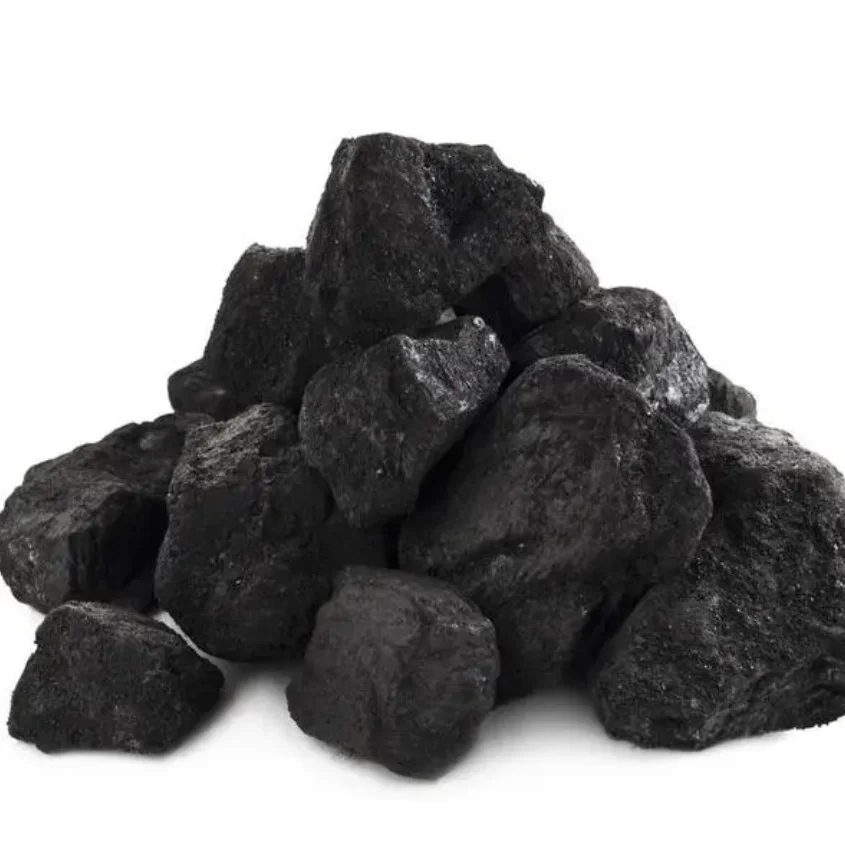
Semi Coke
Expert Guidance
Common Questions on Industrial Carbon
Technical answers to help you choose the right materials for your operations.
What is the primary difference between calcined and graphitized petroleum coke?
Calcined petroleum coke (CPC) is produced by heating green coke to remove volatile matter, making it ideal for anode production. Graphitized petroleum coke (GPC) undergoes an additional high-temperature process to transform the carbon structure into graphite, resulting in higher conductivity and better carbon recovery. For recarburization in foundries, GPC is generally preferred because it dissolves more efficiently in molten metal and contains fewer impurities.
How do I choose the right grade of graphite electrode for my furnace?
The choice depends on the furnace type and current load. Regular Power (RP) electrodes are suitable for smaller furnaces with lower current. High Power (HP) and Ultra-High Power (UHP) electrodes are designed for larger, high-capacity furnaces requiring superior electrical conductivity and mechanical strength to prevent breakage under high thermal stress. Operators should evaluate their average current density and furnace geometry to select the grade that balances electrode lifespan with operational cost.
Can you provide customized particle sizes for graphite powder in Uganda?
Yes, we can provide graphite powder tailored to specific mesh sizes. Particle size significantly affects the dissolution rate in the furnace; finer powders dissolve faster and provide more uniform carbon distribution, while coarser grains are used in different industrial applications. We recommend reviewing your melting cycle time and temperature to determine the optimal particle size for your specific application in Uganda.
How does the purity of carbon agents affect the cost of casting?
Low-purity agents often contain higher levels of sulfur and ash, which increase slag formation and lead to higher oxidation losses. This means you must add more material to achieve the target carbon level, increasing raw material costs and energy consumption. High-purity agents, while potentially having a higher unit price, reduce waste and improve the yield of "first-time-right" castings, lowering the total cost per ton of finished product.
What quality certifications or inspections accompany your shipments?
Every shipment is backed by a detailed laboratory inspection report. Our quality control system monitors key technical indicators including fixed carbon percentage, sulfur content, ash content, and moisture. By providing these verifiable data sheets, we ensure that Ugandan customers can calibrate their dosing and production processes with confidence, knowing the exact chemical composition of the materials delivered.
What are the first steps to establish a long-term supply agreement?
The process begins with a technical consultation to identify your specific material requirements (e.g., carbon purity, electrode grade, or particle size). Once the specifications are confirmed, we can provide indicative pricing and shipping timelines for the Ugandan market. Establishing a long-term agreement allows us to reserve production capacity for your needs, ensuring a stable supply of materials even during periods of global market volatility.
Get Expert Support
Optimize Your Industrial Production in Uganda
Whether you are managing a steel mill, an aluminum smelter, or an iron foundry in Uganda, the quality of your carbon materials determines your operational efficiency. Our team is ready to help you select the precise grade of recarburizers or electrodes to reduce waste and lower your production costs. Contact us today to discuss your technical requirements and secure a stable, high-performance supply chain.
Discuss Your Requirements


