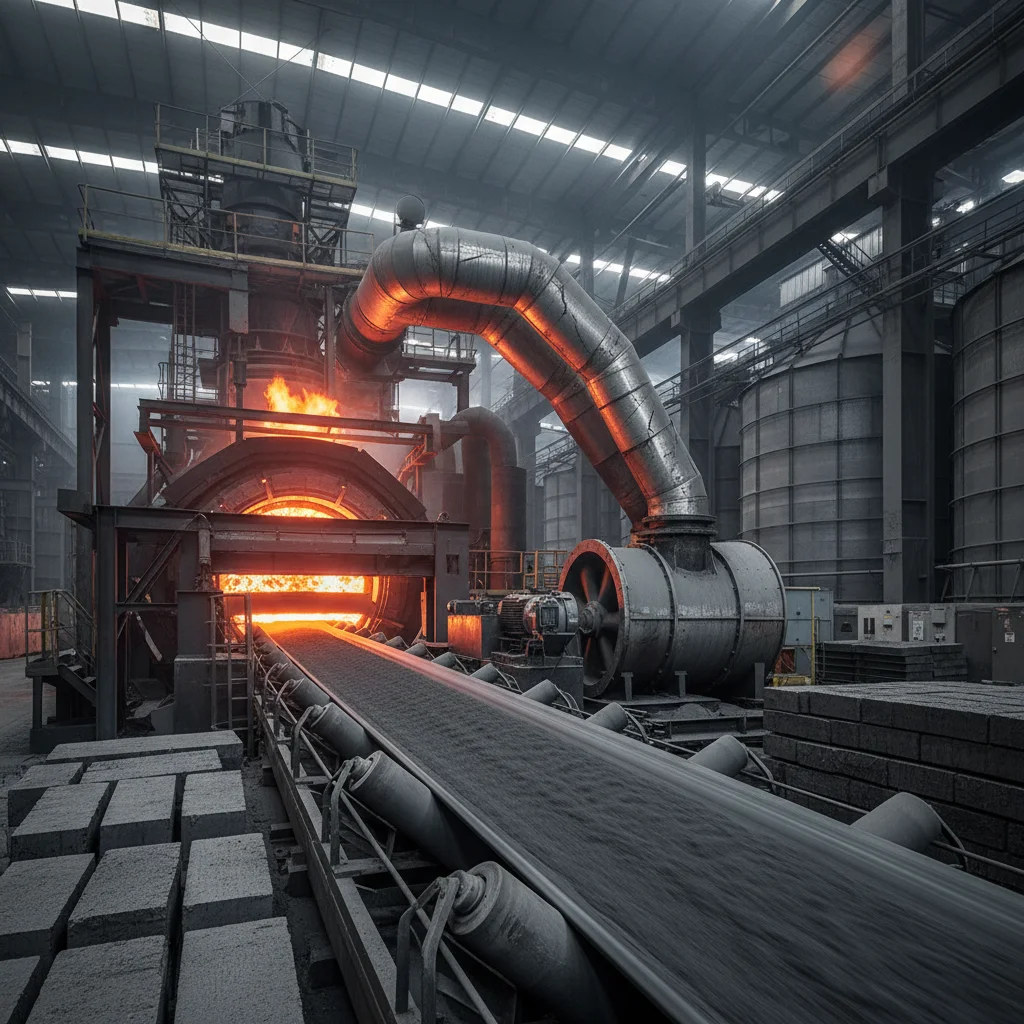
The global industrial landscape relies heavily on the structural integrity of high-temperature components, where the role of specialized graphite block manufacturers becomes paramount. These manufacturers provide the essential carbonaceous refractory materials that enable heavy industries to operate under extreme thermal and chemical stress without frequent failures. By engineering blocks from premium coke, anthracite, and graphite, they ensure that the foundation of metallurgical and chemical processes remains stable.
Understanding the nuances of graphite production is critical for procurement managers and engineers who seek to optimize the lifespan of their equipment. From the precise sintering temperature of 1450℃ to the careful balance of carbon mass fractions, the technical expertise provided by leading producers directly impacts energy efficiency and operational safety. When these materials are engineered correctly, they transform from simple carbon blocks into high-performance assets that resist aggressive slag erosion and molten metal.
For companies looking to upgrade their industrial furnaces or chemical heat exchangers, partnering with experienced graphite block manufacturers is the most effective way to secure long-term ROI. By selecting materials with high thermal conductivity and superior mechanical strength, industries can reduce maintenance downtime and enhance the overall reliability of their production lines.

The Industrial Significance of Graphite Block Manufacturers
The role of graphite block manufacturers extends far beyond simple fabrication; they are the architects of thermal resilience in the metallurgy sector. By synthesizing raw coke, anthracite, and graphite with tar, these producers create blocks capable of surviving the most aggressive industrial environments. Their significance is most evident in the construction of blast furnace hearths, where the blocks must resist the constant erosion of molten iron and slag to prevent catastrophic structural failures.
Furthermore, these manufacturers provide critical components for the energy and chemical sectors, such as anodes for magnesium electrolytic cells and high-precision bearings for turbines. The ability to customize the physical characteristics of the graphite ensures that each block meets the specific conductivity and hardness requirements of the end-user, bridging the gap between raw mineral extraction and high-tech industrial application.
Technical Core: Sintering and Composition
At the heart of high-quality production is the sintering process, where raw materials are heated to 1450℃ within a reducing flame. This precise thermal treatment is what allows graphite block manufacturers to achieve a carbon mass fraction between 88% and 90%, which is the gold standard for refractory performance. The reducing flame prevents premature oxidation and ensures that the carbon structure is dense and uniform, providing the necessary foundation for high thermal and electrical conductivity.
The composition of these blocks is carefully engineered, utilizing a blend of premium coke and anthracite to maximize hardness and elasticity. This specific mixture allows the final product to withstand immense pressure and abrasive wear, which is essential for components serving as the foundation for chemical heat exchangers or heavy-duty motors. The inclusion of tar as a binder ensures that the sintered blocks maintain their structural integrity even under extreme temperature fluctuations.
Depending on the intended application, manufacturers may offer different forms such as Iso-graphite, molded, or extruded blocks. While Iso-graphite provides uniform properties in all directions (isotropic), extruded graphite offers a directional grain structure that can be leveraged to optimize thermal flow in specific directions. This level of technical versatility allows industries to tailor their equipment for maximum efficiency and longevity.
Key Performance Factors for Refractory Blocks
One of the primary metrics used by graphite block manufacturers to evaluate quality is chemical stability. These materials are engineered to be exceptionally resistant to acids, alkalis, and organic solvents, which makes them indispensable in complex chemical industrial environments where metal components would otherwise corrode rapidly.
Thermal shock resistance is another critical factor. Because industrial furnaces undergo rapid heating and cooling cycles, graphite block manufacturers focus on creating a structure that resists cracking under extreme temperature fluctuations. This prevents the formation of structural fissures that could lead to molten metal leakage in blast furnace bottoms.
Finally, the self-lubricating effect of graphite is a key mechanical advantage. In high-precision bearings and seals for turbines and motors, the blocks reduce friction naturally at high temperatures, eliminating the need for external lubricants that could contaminate the process or fail under heat.
Global Applications and Use Cases
The applications of these carbon blocks are globally diverse, ranging from the heavy steel mills of Asia and Europe to the specialized chemical plants in North America. In metallurgical zones, they are the primary choice for the masonry of blast furnace hearths, where their ability to withstand molten metal erosion is non-negotiable. In the production of magnesium, these blocks serve as high-performance anodes in electrolytic cells, leveraging their strong electrical conductivity to drive the chemical reaction.
Beyond metallurgy, these materials are used in the fabrication of leak-proof chemical equipment. By using the graphite block as a matrix and applying synthetic resin impregnation and curing, manufacturers can produce heat exchangers that are both highly conductive and completely sealed against corrosive fluids. This innovation allows chemical plants to operate safely in remote industrial zones where maintenance access may be limited.
Performance Comparison of Graphite Block Manufacturing Methods
Long-Term Value and Operational ROI
Investing in premium graphite blocks offers a significantly higher return on investment compared to standard carbon blocks. While the initial acquisition cost may be higher, the extended service life and reduced maintenance intervals lead to substantial long-term operational profits. For instance, blocks with a high carbon mass fraction (88%-90%) drastically reduce the frequency of furnace relining, which is one of the most expensive downtime events in a steel mill.
Additionally, the superior thermal and electrical conductivity of high-grade graphite enhances energy efficiency. In electrolytic cells, lower electrical resistance translates directly into lower power consumption, reducing the carbon footprint and operational costs of the facility. This logical transition from short-term savings to long-term value is why top-tier industrial players prioritize quality over price when selecting their suppliers.
Future Innovations in Carbon Materials
The future of the industry is moving toward "green" graphitization and the integration of digital transformation in manufacturing. Leading graphite block manufacturers are exploring ways to reduce the environmental impact of the 1450℃ sintering process by implementing more energy-efficient heating elements and recovering waste heat. This alignment with global sustainability goals is becoming a key competitive advantage in the international market.
Automation and precision mechanical processing are also redefining product specs. The use of advanced CNC cutting allows for the production of blocks with tighter tolerances, which is critical for the next generation of high-efficiency turbines and motors. This shift toward high-precision engineering reduces the need for manual fitting and accelerates the installation process for end-users.
Furthermore, the development of advanced oxidation-resistant coatings is addressing one of the few weaknesses of carbon materials. By applying specialized chemical layers, manufacturers can protect blocks from atmospheric oxidation at high temperatures, further extending the lifespan of the equipment and reducing the need for frequent replacements in oxidizing environments.
Overcoming Challenges in Graphite Implementation
One of the primary challenges facing users of graphite blocks is their susceptibility to oxidation. While these materials are nearly invincible against slag and molten metal, oxygen at high temperatures can degrade the carbon structure. Professional graphite block manufacturers address this by offering specialized oxidation-resistant processing, which involves treating the surface or impregnating the block with protective agents to mitigate this risk.
Another common hurdle is the balance between hardness and elasticity. A block that is too hard may crack under sudden thermal shock, while one that is too soft may wear down quickly under abrasive conditions. The solution lies in the precise control of raw material purity and the sintering duration, allowing the manufacturer to "tune" the mechanical properties to the specific needs of the application.
Finally, the logistics of transporting oversized graphite components can be a significant risk. Because graphite is brittle, secure packaging and specialized global shipping protocols are required to ensure that blocks arrive without micro-fractures. By implementing rigorous quality inspections before final delivery, manufacturers ensure that the structural integrity of the block is preserved from the factory to the furnace.
Comparison of Graphite Block Specifications and Performance ROI
| Material Grade | Carbon Fraction | Primary Advantage | ROI Potential |
|---|
| Standard Carbon | 80% - 85% | Low Initial Cost | Short-term Savings |
| Premium Graphite | 88% - 90% | High Durability | High Long-term Profit |
| Iso-graphite | 90%+ | Isotropic Properties | Ultra-High Efficiency |
| Extruded Graphite | 88% - 90% | Directional Flow | Specialized Use ROI |
| Impregnated Block | 88% - 90% | Leak-proof/Anti-corrosion | Reduced Maintenance |
| Oxidation-Resistant | 88% - 90% | Atmospheric Stability | Extended Service Life |
FAQS
They are primarily used for the masonry of the bottom and hearth of iron-making blast furnaces. Their unique ability to resist erosion from both molten metal and aggressive slag makes them the only viable choice for ensuring the structural integrity of the furnace base over long operational cycles.
Sintering at 1450℃ in a reducing flame is critical. This process ensures that the carbon mass fraction reaches 88%-90%, which directly determines the material's refractory properties and its ability to conduct electricity and heat. Without this precise temperature control, the block would lack the density required for heavy industrial use.
Yes. By using the graphite block as a structural matrix and performing impregnation and curing with synthetic resins, they can be processed into specialized chemical equipment. A common example is the production of high-efficiency heat exchangers that must resist strong acids and alkalis.
Iso-graphite is isotropic, meaning its physical and thermal properties are uniform in all directions. Extruded graphite, however, has a directional grain structure created during the pushing process, which makes it better suited for applications where thermal or electrical flow needs to be optimized in one specific direction.
Yes, while they resist slag and molten metal, graphite can be oxidized when exposed to oxygen at high temperatures. Professional manufacturers offer specialized oxidation-resistant processing, such as surface coatings or resin impregnation, to create a barrier that protects the carbon core from atmospheric degradation.
Industries involving electrolytic cells (such as magnesium and aluminum production), battery manufacturing, and those operating high-temperature graphitization furnaces benefit most. The high electrical conductivity reduces energy loss and increases the efficiency of the electrochemical reactions.
Conclusion
In summary, the expertise of graphite block manufacturers is fundamental to the stability and efficiency of modern heavy industry. By controlling every variable—from the 1450℃ sintering temperature to the 88%-90% carbon mass fraction—these producers deliver materials that provide unmatched resistance to molten metal erosion and chemical corrosion. The transition from standard carbon blocks to premium graphite solutions represents a strategic shift toward higher operational reliability, energy efficiency, and long-term ROI.
As the industrial world moves toward more sustainable and high-precision manufacturing, the role of advanced carbon materials will only grow. We recommend that engineers and procurement specialists prioritize technical specifications and material purity over short-term costs to ensure the longevity of their industrial assets. For those ready to optimize their refractory solutions and enhance their operational uptime, partnering with a proven expert is the first step toward industrial excellence. Visit our website: www.hbdahcarbon.com