In the demanding landscape of high-temperature industrial processing, the quest for materials that combine extreme thermal stability with high electrical conductivity has led to the widespread adoption of advanced carbon solutions. While the term graphite heat exchanger is often used to describe systems managing thermal loads, the core technology driving these efficiencies is the high-performance graphite electrode. These components are essential for converting electrical energy into the intense heat required to melt charges in electric arc furnaces.
The global industrial sector, particularly steelmaking and non-ferrous metallurgy, relies on the precision of these carbon products to maintain production speeds and minimize energy waste. By utilizing a combination of petroleum coke and needle coke, manufacturers can produce electrodes that withstand the most aggressive thermal environments. This ensures that the heat transfer and energy release processes remain consistent, which is the fundamental principle behind any effective graphite heat exchanger application in smelting.
Understanding the interplay between material purity, such as low ash and low sulphur content, and mechanical strength is crucial for optimizing plant uptime. As industries shift toward greener energy and higher efficiency, the role of high-density graphite becomes even more prominent. This article explores the technical intricacies of graphite electrodes and their role as the primary conductive elements in high-heat industrial systems.

Material Composition and Production Process
The creation of a high-performance graphite electrode begins with the selection of premium raw materials. To ensure the product can function as a reliable graphite heat exchanger element, manufacturers use a precise blend of petroleum coke and needle coke, with coal pitch serving as the primary binder. These low-ash materials are critical for preventing impurities from contaminating the molten steel or alloy during the smelting process.
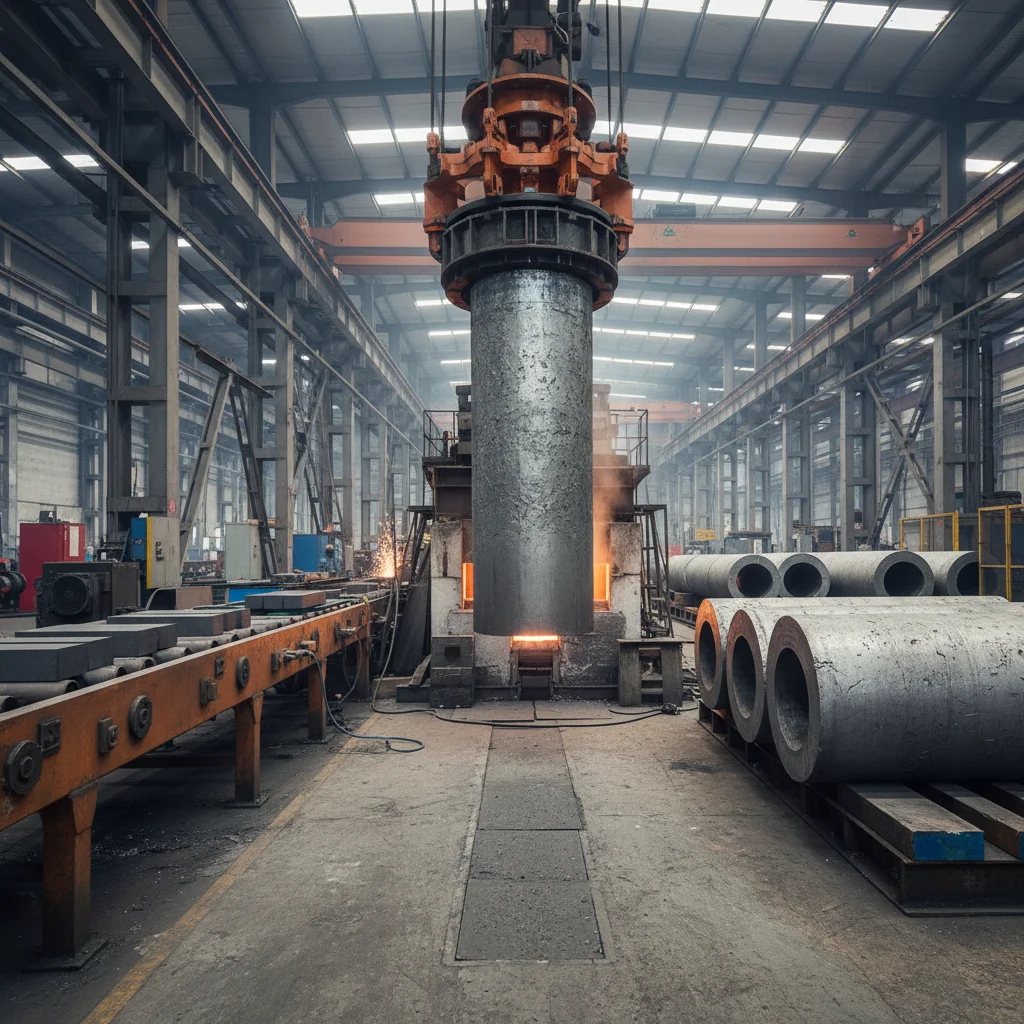
The production cycle is a rigorous multi-stage journey involving calcination, compounding, kneading, and pressing. Following these initial steps, the material undergoes baking, pressure impregnation, and graphitization to achieve the desired density and electrical properties. Finally, professional CNC machining ensures precise dimensions, allowing for a perfect fit and optimal performance in the furnace.
Core Technical Characteristics of Graphite Electrodes
One of the most defining characteristics of these electrodes is their exceptionally low electrical resistivity. This allows them to conduct massive amounts of current with minimal energy loss, effectively acting as the heart of the furnace's heating system. By maintaining high electrical conductivity, the system can generate the powerful electric arcs necessary to melt the charge rapidly.
Furthermore, the high density and compact structure of the graphite provide superior mechanical strength. This is essential because the electrodes must support their own weight and resist the physical stresses of the furnace environment without fracturing. The structural integrity is further enhanced by the high needle coke content, which often accounts for up to 80% of the composition in premium grades.
Anti-oxidation capability is another critical factor. In the extreme heat of an electric arc furnace, graphite is susceptible to oxidation; however, through advanced impregnation and graphitization, the surface and internal pores are optimized to resist this degradation. This ensures a longer service life and lower consumption rates, reducing the frequency of replacement and lowering overall production costs.
Strategic Advantages in Industrial Smelting
Integrating high-quality carbon components into a graphite heat exchanger setup provides an immediate boost to processing speed. Because the production process is streamlined and high-efficiency, the resulting electrodes offer a combination of durability and precision that reduces the risk of unexpected downtime in the production line.
A key advantage is the control of ash and sulphur content. By maintaining ash levels within 3%, these electrodes ensure that the steel is not contaminated with secondary impurities. This purity is non-negotiable for high-grade steel production where chemical composition must be strictly controlled to meet international standards.
From a financial perspective, the combination of long service life and low graphite loss leads to significantly lower operational costs. The ability to produce electrodes in various sizes, including large diameters, allows plants to scale their operations according to the volume of the charge they need to melt, maximizing the throughput of the furnace.
Comparative Efficiency in Thermal Applications
When evaluating the efficiency of different carbon configurations, it becomes clear that the density and uniformity of the structure play a pivotal role. A dense structure minimizes the rate of graphite consumption, which is a major cost driver in the smelting industry. When compared to standard carbon blocks, the specialized graphite electrode is designed specifically for the high-stress environment of an electric arc.
The efficiency of these components can be quantified by their ability to sustain extremely high levels of heat while maintaining their geometric precision. This stability ensures that the electric arc remains focused, directing the thermal energy exactly where it is needed in the charge, thereby optimizing the energy consumption of the entire furnace.
Performance Metrics of Graphite Heat Exchanger Components
Global Applications and Use Cases
Graphite electrodes are indispensable across a variety of heavy industries. In the steelmaking sector, they are the primary conductors for Electric Arc Furnaces (EAF) and Ladle Furnaces (LF), where they refine steel and maintain precise temperatures. Their ability to withstand the harsh environment makes them the only viable choice for these high-intensity operations.
Beyond steel, these components are widely used in the non-ferrous industry for melting copper and in the production of yellow phosphorus and industrial silicon. Whether in large-scale industrial zones in Asia or specialized smelting plants in Europe, the reliability of these electrodes ensures that essential materials for the modern world—from semiconductors to construction steel—are produced efficiently.
Long-Term Value and Sustainability
The long-term value of investing in high-quality graphite electrodes lies in the reduction of the total cost of ownership. While the initial procurement cost of HP or UHP (Ultra High Power) electrodes may be higher, their extended service life and lower consumption rates far outweigh the initial investment. This durability directly translates to fewer furnace stoppages and a more stable production schedule.
Sustainability is also a key factor. By improving the energy efficiency of the smelting process, these electrodes help reduce the overall carbon footprint of the steel and silicon industries. The high efficiency of the electrical conduction means less power is wasted as heat in the electrode itself, and more is transferred to the charge, contributing to a more sustainable industrial model.
Furthermore, the precision of CNC machining reduces material waste during the production phase. By optimizing the use of petroleum and needle coke, manufacturers can produce high-performance components that maximize resource utilization, aligning industrial growth with environmental responsibility.
Future Innovations in Carbon Conductors
The future of carbon conductors is moving toward even higher purity and greater thermal shock resistance. As electric arc furnaces evolve to handle larger capacities and more complex alloys, the demand for electrodes with near-zero impurities will increase. We are seeing a trend toward the integration of digital monitoring, where the wear rate of the electrode is tracked in real-time to optimize replacement cycles.
Moreover, the development of new impregnation techniques is enhancing the anti-oxidation properties of graphite. This allows the electrodes to operate in even more aggressive atmospheres without sacrificing structural integrity. Such innovations are critical for the next generation of graphite heat exchanger systems that will power the green energy transition.
As automation becomes standard in the smelting industry, the need for perfectly consistent dimensions becomes paramount. The continued refinement of CNC machining and the adoption of AI-driven quality control will ensure that every electrode produced meets the exact specifications required for seamless integration into automated furnace systems.
Technical Specifications Comparison of Graphite Electrode Grades
|
Grade Type
|
Ash Content (%)
|
Needle Coke %
|
Application Focus
|
|
Regular Power (RP)
|
2.5 - 3.0
|
50 - 60
|
General Smelting
|
|
High Power (HP)
|
1.5 - 2.0
|
70 - 80
|
Steel Refinement
|
|
Ultra High Power (UHP)
|
< 1.5
|
80+
|
High-Capacity EAF
|
|
Industrial Silicon Grade
|
2.0 - 2.5
|
60 - 70
|
Silicon Furnace
|
|
Phosphorus Grade
|
2.0 - 3.0
|
50 - 60
|
Yellow Phosphorus
|
|
Copper Melting Grade
|
1.8 - 2.2
|
70 - 80
|
Non-Ferrous Alloys
|
FAQS
Needle coke provides a highly oriented crystalline structure, which significantly enhances electrical conductivity and mechanical strength. In an Electric Arc Furnace (EAF), this means the electrode can carry higher currents without overheating or breaking, directly improving the efficiency of the heating process and reducing the overall rate of material consumption.
Ash refers to the non-carbon impurities remaining in the graphite. If ash levels are high, these impurities can migrate into the molten steel during the arc process, introducing unwanted elements that affect the steel's chemical purity and mechanical properties. Keeping ash below 3% prevents these "second-time impurities," ensuring the final product meets strict industry standards.
Yes, graphite electrodes are versatile and essential for various high-heat applications. They are widely utilized in the non-ferrous industry for melting copper, in industrial silicon furnaces, and in yellow phosphorus production. Their ability to maintain structural integrity at extreme temperatures makes them the ideal conductive material for any smelting furnace.
Pressure impregnation is used to fill the microscopic pores within the graphite structure with pitch or other resins before graphitization. This process increases the bulk density of the electrode and significantly improves its resistance to oxidation, which prevents the electrode from "wearing away" too quickly when exposed to oxygen at high temperatures.
The choice depends on your furnace's power density. High Power (HP) electrodes are suitable for standard industrial operations, while Ultra High Power (UHP) electrodes are designed for modern, high-capacity furnaces that require massive current throughput and have higher mechanical stress. UHP grades typically offer the lowest resistivity and the highest strength.
Lifespan varies based on the furnace type and operating conditions, but it is measured by the "consumption rate" (kg of graphite per ton of steel). High-quality electrodes with optimized density and anti-oxidation properties significantly lower this rate, extending the time between replacements and reducing operational downtime.
Conclusion
In summary, the efficacy of any high-temperature smelting operation depends heavily on the quality of its carbon components. From the precise blend of petroleum and needle coke to the rigorous graphitization and CNC machining processes, every step is designed to ensure maximum electrical conductivity and mechanical durability. By focusing on low ash and low sulphur content, these electrodes not only enhance production efficiency but also protect the purity of the final metal product, acting as the critical energy conduit in the industrial process.
Looking forward, the evolution of graphite technology will continue to drive the industry toward greater sustainability and higher power densities. As we integrate smarter monitoring and more resilient materials, the role of the graphite electrode as a high-performance thermal and electrical tool will only grow. For those seeking to optimize their furnace performance and reduce operational costs, investing in premium, high-density carbon solutions is the most strategic path forward. Visit our website: www.dahcarbon.com